
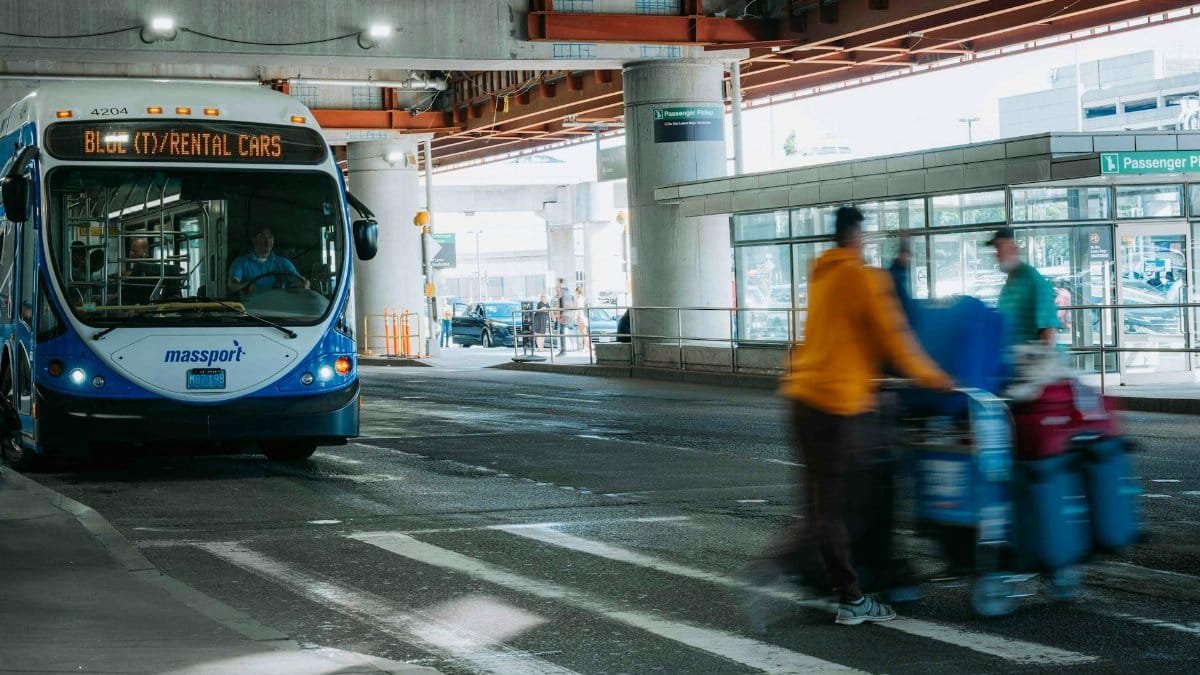
In the soft glow of arrival halls at one of the East Coast’s busiest gateways, countless journeys reach a critical juncture. Travelers step off planes after hours in the air only to face the familiar scramble for ground transport. Yet a notable change has arrived that stands to ease this transition for many. The official debut of the uber lyft logan shuttle brings dedicated van services operated by both major ride sharing companies directly between Logan Airport and key points across Boston and its suburbs. This coordinated effort promises greater reliability, shared rides, and simplified booking through apps millions already know well. For middle aged Americans who juggle careers, family duties, and occasional escapes, the development arrives as a quiet but meaningful improvement in how we navigate modern life.
Understanding the Service Mechanics

The uber lyft logan shuttle operates through existing platforms yet follows a structured model distinct from standard individual rides. Users select a shuttle option when arranging pickup or drop off at Logan. Vehicles consist mainly of spacious vans that carry several passengers heading in similar directions. This grouping allows companies to maintain predictable schedules even during peak travel periods. Riders receive clear estimates for both arrival and travel time, a detail many have long requested.
Drivers undergo additional preparation to manage the specific demands of airport loops, from maneuvering through terminal traffic to assisting with heavy luggage. The service covers popular routes including downtown Boston, Cambridge, and several suburban hubs. Booking remains straightforward, requiring only a few taps in the app. Payment follows the usual transparent structure with no surprise fees at the curb. Early operations suggest the model successfully balances efficiency with comfort, setting a foundation that could influence similar offerings in other cities.
Benefits for Busy Commuters
Professionals in their forties and fifties often describe airport transfers as one of the most draining parts of travel. Between tight work calendars and responsibilities at home, every extra moment of uncertainty extracts a toll. The new shuttle services address this reality by offering dependable timing and reasonable pricing. Instead of hoping an individual driver appears quickly, riders join a shared van that departs at regular intervals from designated airport locations.
This predictability frees mental energy previously spent monitoring apps or calculating alternative routes. Many users report arriving at meetings or family gatherings in a calmer state than before. The service also accommodates varying group sizes, making it practical for couples or small teams traveling together. In an age when personal bandwidth feels increasingly limited, such practical advancements carry real value. They allow individuals to reserve their focus for the people and purposes that matter most upon reaching their destination.
Finding Calm Amid Travel Chaos

Travel has always tested patience, yet its effect on inner equilibrium receives greater attention today. The hours surrounding a flight can leave people scattered and reactive. Here the uber lyft logan shuttle offers more than logistical relief. By removing layers of negotiation and guesswork, the service creates small openings for composure. Riders describe settling into the van with a sense of transition rather than continued struggle. Some use the reliable ride window to breathe, listen to music, or simply watch the city approach without clutching their phones in stress.
This subtle shift aligns with broader cultural movements toward mindful living. Middle aged readers in particular often seek ways to protect their peace amid demanding schedules. When transportation becomes less adversarial, the entire journey can feel more humane. The service does not promise enlightenment, yet it quietly supports conditions where reflection becomes possible. In that respect it participates in larger trends that value well being alongside convenience.
Comparing Traditional and Modern Options

For generations taxis formed the default choice outside Logan terminals. Private car services followed for those able to pay premium rates. Public transit offered economy at the cost of time and physical effort. The uber lyft logan shuttle sits comfortably between these established paths. It delivers more consistency than on demand car requests while remaining less expensive than exclusive rides.
Users appreciate the ability to track their van in real time, a feature traditional options rarely match. Shared occupancy keeps individual fares accessible without sacrificing reasonable personal space. Early riders note the vans maintain cleaner conditions than some older shuttle fleets. The digital integration also means receipts appear automatically and routes adjust for traffic with minimal input from passengers. These refinements reflect lessons learned over a decade of ride sharing evolution. The result feels less like a compromise and more like an intentional improvement tailored to contemporary travel patterns.
What Users Are Saying

Initial feedback collected through apps and informal conversations reveals consistent themes. A marketing director from Somerville praised the fixed schedule that let her plan her morning with confidence after returning from a conference in Atlanta. A retired teacher heading to visit grandchildren in the suburbs appreciated the assistance loading suitcases and the comfortable temperature inside the van. Several parents noted the service reduced tension when traveling with teenagers or elderly relatives.
Not every comment has been glowing. A few riders mentioned longer waits during extreme weather events when demand surged beyond expectations. Others suggested adding more drop off points in outlying neighborhoods. Still the prevailing sentiment remains positive. Many express relief at having another dependable choice that respects both their time and their budget. These voices from ordinary travelers provide the clearest measure of whether the service will endure beyond its initial publicity.
Technological Features Enhancing the Experience

Behind the scenes sophisticated matching algorithms coordinate passenger destinations to optimize each van route. The applications draw on years of accumulated data to predict demand around flight arrivals. Riders benefit from this invisible work through shorter detours and steadier progress toward their stops.
Integration with airport flight tracking allows automatic adjustments when planes land early or late. Passengers receive gentle notifications about their assigned vehicle without needing to refresh screens constantly. Safety protocols include thorough vehicle inspections and background checks consistent with industry standards. These technical elements may not capture headlines yet they form the reliable backbone that earns user trust over repeated trips. As the service matures, further refinements seem likely based on real world performance data.
Considerations for Sustainability

Any new transportation option invites questions about its environmental footprint. By filling vans rather than sending multiple cars along identical routes, the uber lyft logan shuttle achieves some efficiency gains. Fewer vehicles on the road during peak hours can ease congestion near the airport. Both companies have pledged to increase electric and hybrid options within their airport fleets over the coming years.
Local observers caution that meaningful impact will require sustained commitment beyond initial promises. Still the direction appears promising. Travelers conscious of their carbon footprint may feel more comfortable choosing a shared shuttle over a solo ride. This consideration resonates with many middle aged adults who weigh personal convenience against collective responsibility. The service thus participates in an evolving conversation about how technology can support both individual needs and larger environmental goals.
The Broader Impact on Regional Travel

Logan Airport serves as more than a transportation hub. It functions as an economic engine and a gateway shaping first impressions of the region. Improvements in ground access ripple outward, affecting tourism, business recruitment, and daily commutes. The introduction of these shuttles signals willingness by major technology companies to address longstanding pain points in urban infrastructure.
Local transportation officials monitor the development closely. Traditional operators express both concern and curiosity about potential shifts in market share. Yet many see room for multiple approaches to coexist. The ultimate success will depend on consistent execution and willingness to adapt based on rider input. If the service maintains quality while expanding coverage, it could establish a template for other congested airports nationwide. The implications extend beyond Boston to conversations happening in cities everywhere about mobility, technology, and quality of life.
Preparing for Increased Adoption

As awareness grows, logistics teams at both companies anticipate higher volumes. Additional vans and drivers are being positioned to meet demand without compromising wait times. Airport authorities have worked to designate clear pickup zones that minimize confusion among travelers. Communication campaigns aim to educate visitors on how to locate their shuttle stop after collecting baggage.
Frequent travelers recommend downloading both applications before arrival to compare options quickly. Charging a phone becomes essential since real time tracking relies on mobile access. Those with accessibility needs can indicate requirements during booking to ensure appropriate vehicle assignment. Preparation of this nature helps the system function smoothly for everyone. The learning curve appears modest, yet it rewards those who approach it with clear expectations.
What the Future Holds

The launch represents an early chapter rather than a finished story. Both Uber and Lyft hint at further customization possibilities, including partnerships with hotels and corporate campuses for seamless last legs of journeys. Integration with public transit applications could eventually allow combined ticketing that feels truly door to door.
For readers navigating midlife with increasing awareness of how small daily experiences shape larger well being, such innovations merit attention. When technology reduces friction in something as common as airport travel, it creates space for presence elsewhere in life. The uber lyft logan shuttle may not transform spiritual practice directly. Yet by calming one stressful node in modern existence, it participates in a gentler current running through contemporary culture.
Observers will watch closely to see whether the service maintains its early promise or succumbs to familiar pressures of growth. For now it stands as a practical example of how thoughtful design can support both efficiency and a measure of inner quiet. In that balance lies its quiet significance for the many who pass through Logan each day.