
As dawn breaks over the industrial corridors of Queens, hundreds of workers pull on reflective vests and prepare for another shift moving packages at Amazon. Their conversations now carry a new urgency. Organizers have gathered signatures, filed paperwork, and set the stage for what many view as a defining test of worker power in the city. This amazon warehouse union election scheduled for April could mark the second successful effort to bring collective bargaining to an Amazon facility in New York.
The Growing Momentum in Queens
Workers at the LDJ5 sorting center in Jamaica have spent months building support for union representation. Unlike the earlier drive at the nearby JFK8 fulfillment center, this campaign has benefited from lessons learned in previous battles. Organizers say they have focused on consistent communication and addressing immediate concerns such as heat exposure during summer months and insufficient time to use restrooms during peak periods. The National Labor Relations Board has already verified enough signatures to trigger a formal vote, setting the election for late April.
Learning from the First Campaign
The 2022 victory at the Staten Island facility showed that success was possible despite fierce company opposition. That win sent ripples through the labor community even though Amazon has spent years challenging the result in court. Organizers at the new site studied those events closely. They trained fellow workers on their legal rights and encouraged open discussion during lunch breaks. This time the emphasis has been on building trust slowly rather than rushing signature collection. The approach appears to have paid off with stronger internal cohesion.
Daily Realities Inside the Facility
Many employees describe a workplace governed by algorithms that set punishing productivity targets. Scanners track every movement and managers receive alerts when rates fall below expected levels. Some workers report struggling to maintain these quotas while coping with chronic back pain or repetitive strain injuries. Others speak of being written up for taking too long in the bathroom. These conditions have fueled quiet resentment that has now found a public voice. The prospect of negotiating over pace of work and safety standards has energized even those who were initially skeptical.
Amazon Mounts Its Defense

The company has responded with its standard playbook of town hall meetings and one on one conversations with managers. Amazon maintains that it already offers competitive pay and benefits and that a union would only insert a third party between the company and its employees. In letters sent to workers the company has warned that union dues could reduce take home income and that negotiations might not guarantee any improvements. Critics argue these messages cross into coercion though Amazon insists every communication remains lawful.
Community and Political Backing
Local elected officials have taken notice. Several members of Congress from New York have voiced support for the drive and urged Amazon to remain neutral during the voting period. Community groups rooted in the diverse neighborhoods surrounding the warehouse have provided food during organizing meetings and helped publicize the effort. Faith leaders have also joined the conversation framing the campaign as a moral test of how society values essential workers who kept packages flowing during the pandemic. This broad coalition has helped insulate organizers from some of the isolation that marked earlier efforts.
The Economic Stakes for Workers
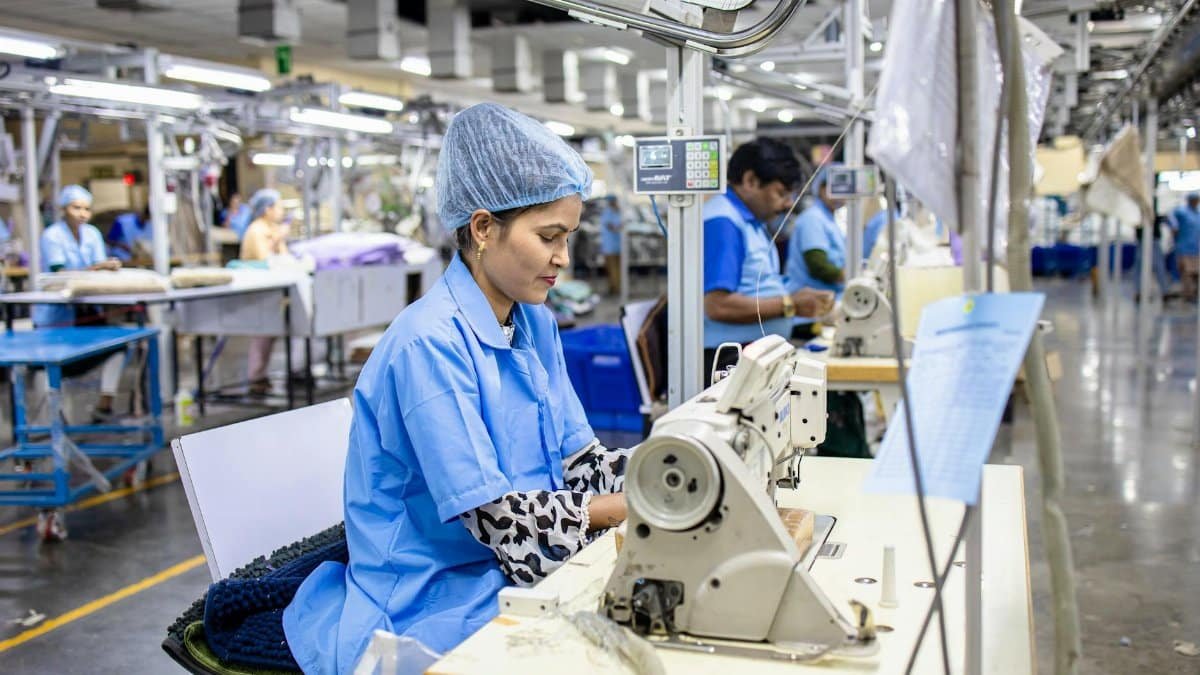
Current starting pay at the facility sits near twenty one dollars per hour. While that figure exceeds the city minimum wage union supporters point out that it falls short when measured against the cost of living in New York. Many employees work multiple jobs or rely on public assistance despite full schedules. A union contract could address predictable scheduling health care costs and protections against arbitrary discipline. Economic analysts suggest that a successful vote might also lift wages at nearby distribution centers operated by other companies seeking to remain competitive.
Safety Concerns and Injury Rates
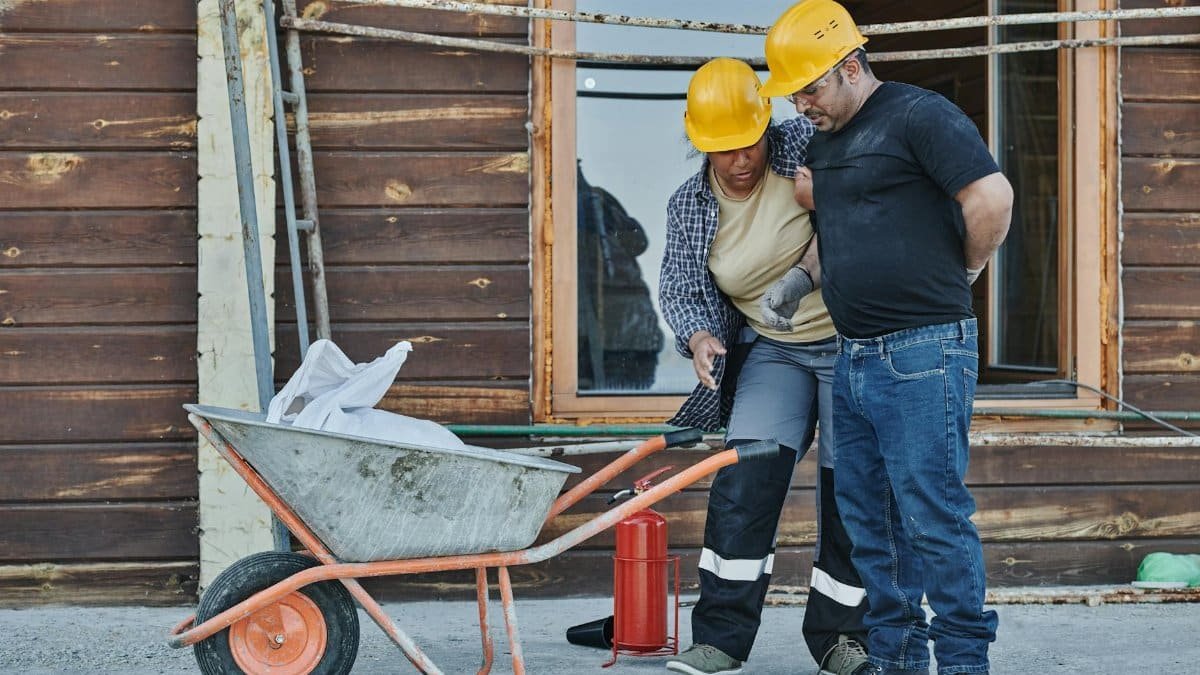
Data compiled by worker advocates shows elevated rates of musculoskeletal injuries at Amazon warehouses nationwide. Repetitive motions combined with the pressure to move faster create conditions that can lead to long term physical damage. At the Queens site employees have documented cases of workers being discouraged from filing incident reports or seeking medical attention. A union would likely push for ergonomic improvements mandatory rest breaks and an independent voice in safety committees. These changes according to supporters would benefit both workers and the company by reducing turnover and workers compensation claims.
The Moral Dimension of Dignity at Work

Beyond dollars and cents the campaign touches deeper questions about human value and respect. Many middle aged workers at the facility speak of wanting not just better pay but recognition that their labor matters. They describe feeling like extensions of machines rather than people with families dreams and physical limits. This spiritual hunger for dignity has quietly united employees across lines of race ethnicity and immigration status. The union drive has become a vessel for that longing a chance to reclaim some control over how their days are spent and how their bodies are treated.
Legal Hurdles and Timelines

The road to a contract remains uncertain even if workers vote yes. Amazon has historically exhausted every legal avenue to delay bargaining. Federal labor law requires good faith negotiation but offers limited penalties when companies stall. Organizers are already preparing members for a potentially lengthy fight after the election. They point to successful campaigns at other companies that took years to reach first contracts. Still the act of winning recognition itself would represent a significant shift in power and could inspire similar drives at Amazon facilities across the country.
National Implications for the Labor Movement
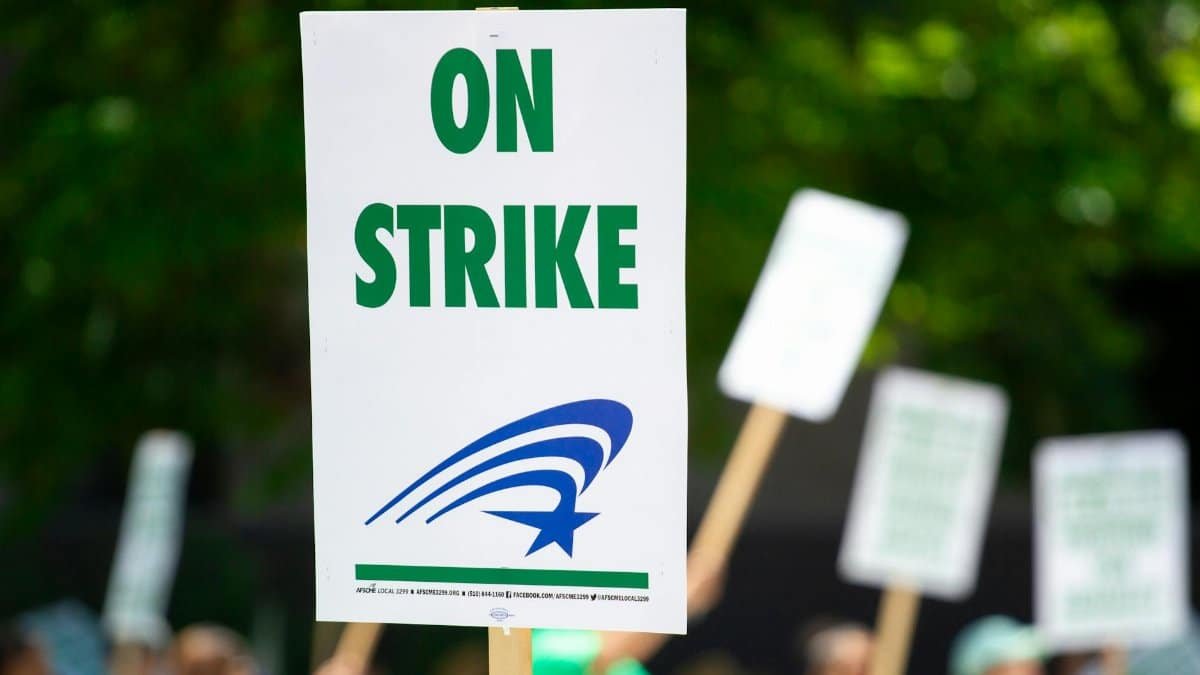
A second victory in New York would be hard for Amazon to dismiss as an anomaly. It would signal that the company largest private employer in the United States faces organized resistance in one of its most important markets. Other unions watching closely see the amazon warehouse union election as a test case for whether traditional labor tactics can succeed inside modern high volume distribution centers. Success could accelerate organizing at Starbucks stores universities and other service sector workplaces where younger workers have shown renewed interest in collective action.
What Comes After the Votes Are Counted
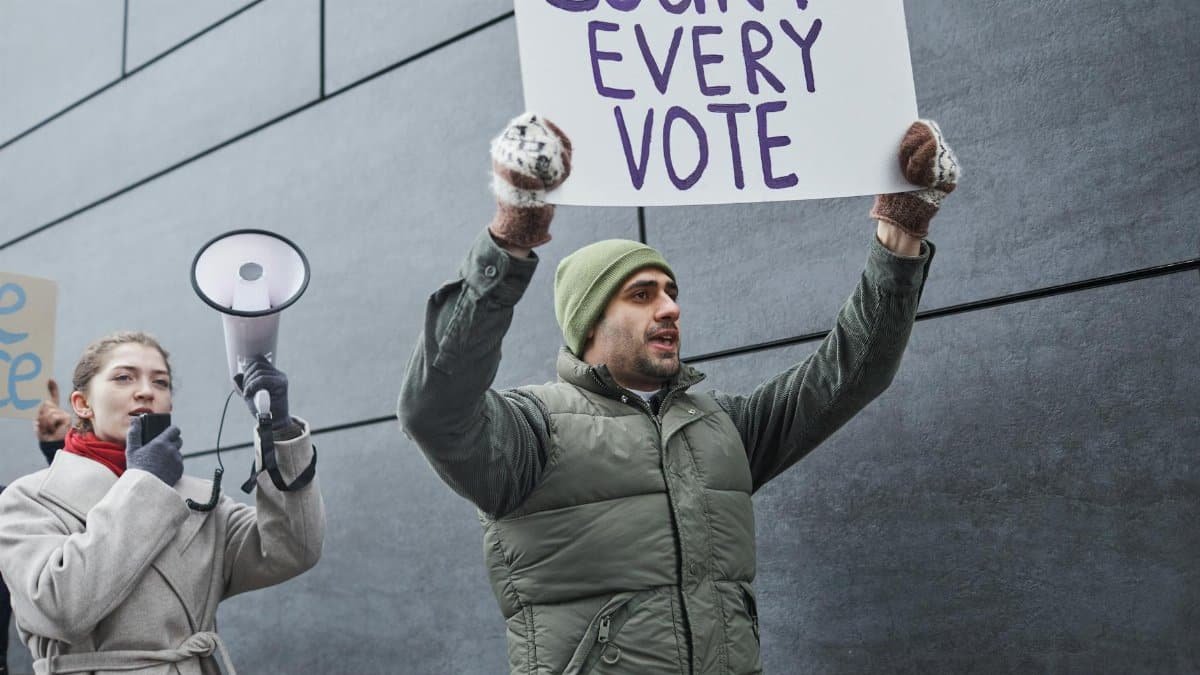
Regardless of the outcome in April the campaign has already changed the conversation inside the warehouse. Workers who once feared speaking up now lead small group discussions. Managers have been forced to listen to concerns they previously ignored. Even if the union loses the experience of collective action is likely to leave a lasting imprint. Many employees say they have discovered strength in solidarity and a clearer understanding of their shared interests. That awakening may prove as important as any contract provision.
The coming weeks will test whether these efforts can overcome the final round of company messaging and procedural obstacles. For the men and women who keep Americas largest online retailer operating the amazon warehouse union election has become more than a labor dispute. It represents a chance to shape the terms under which they spend their working lives and to assert that even in an economy dominated by algorithms the human need for fairness and respect still carries weight.