

In bustling neighborhoods and quiet rural communities alike Illinois residents have watched with growing concern as the cost of shelter climbs beyond the reach of many hardworking people. Enter the pritzker housing plan illinois a comprehensive strategy unveiled by Governor JB Pritzker that promises to tackle these challenges head on by reforming land use regulations and stimulating the construction of new homes. This initiative reflects a recognition that safe and affordable housing forms the bedrock of stable families and vibrant communities. By addressing barriers that have long stifled development the plan seeks to create opportunities for current and future generations of Illinoisans. The proposal comes amid widespread reports of families doubling up in single dwellings and young professionals leaving the state in search of more reasonable living costs. Pritzker has positioned this plan as essential for economic growth arguing that without sufficient housing the states recovery from recent challenges will remain incomplete. Observers from various sectors are now examining the details to determine whether it can deliver on its lofty promises.
Understanding the Housing Crisis in Illinois
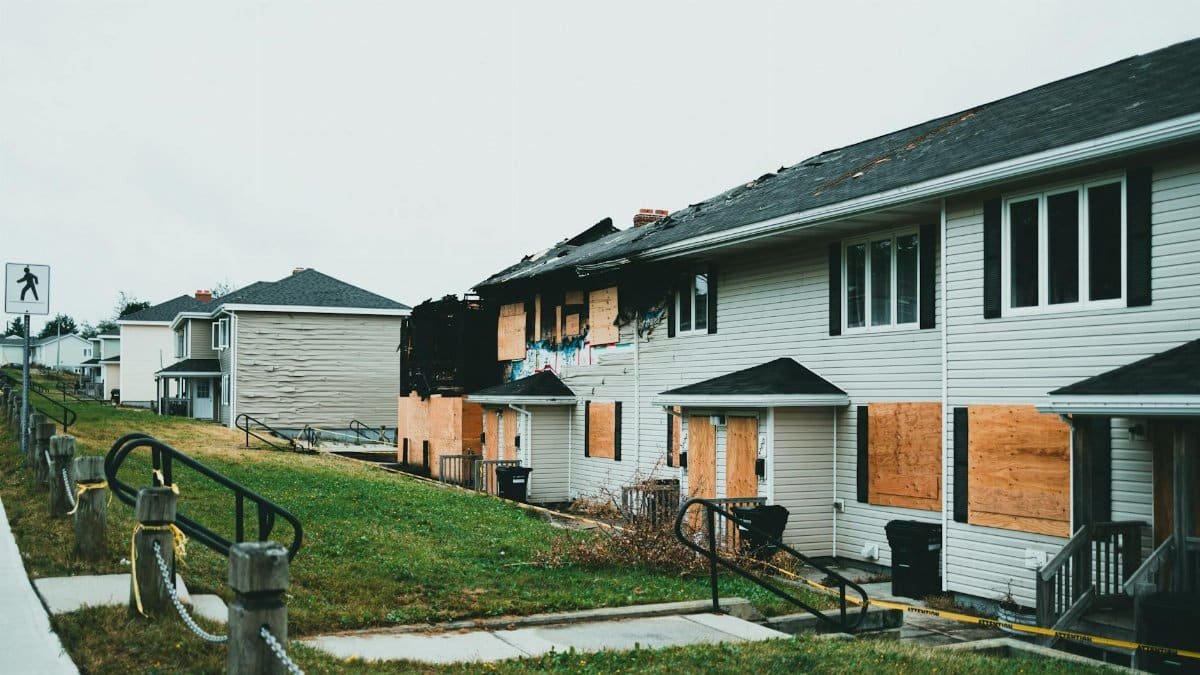
For years the demand for housing in Illinois has outpaced supply particularly in urban centers like Chicago and its surrounding suburbs. Prices have skyrocketed while wages have not kept pace creating a squeeze on middle income households. According to a study by the Illinois Housing Council the state faces a shortfall of at least 80000 units with the Chicago metro area accounting for the majority of that deficit. This gap affects not only low income residents but also teachers firefighters and other essential workers who find it difficult to live near their places of employment. The consequences extend beyond individual hardship to broader societal costs including longer commutes increased traffic congestion and diminished local business activity as disposable income is consumed by rent or mortgage payments.
Downstate communities are not immune either. Many small towns have seen their populations decline as young people move away due to lack of housing options that fit their needs. Rural areas struggle with aging housing stock that requires significant updates to meet modern standards. These trends threaten the vitality of local economies and the social fabric that holds communities together. Supporters of the pritzker housing plan illinois point out that these regional differences demand a nuanced approach rather than a single statewide blueprint.
Core Components of the Governors Plan

The governors proposal rests on three central ideas: reforming zoning codes directing new public funding toward affordable projects and offering incentives that encourage private construction. By easing restrictions on density the plan aims to open more land for townhomes multifamily buildings and backyard cottages in neighborhoods long limited to large lot single family structures. State resources would help subsidize units set aside for households earning below area median income while faster permitting and targeted tax relief seek to reduce the financial risks that often deter developers.
Administration leaders describe the strategy as adaptable so that cities suburbs and rural counties can shape its application to local conditions. The emphasis remains on practical steps that can begin delivering new units within a few years rather than distant promises that never materialize.
Reforming Zoning Laws for Greater Density

At the heart of the debate lies the question of local zoning rules many of which date back to the middle of the last century. These ordinances frequently ban all but detached houses on spacious lots a practice that critics contend inflates prices and limits economic diversity. The plan encourages municipalities to permit greater density especially near transit corridors and employment hubs. Such changes could allow more varied housing types that match the needs of modern households.
Research from the University of California Berkeley has linked overly restrictive zoning to reduced housing supply and slower economic mobility. That study is available at Berkeley Zoning Study. While many planners welcome the proposed reforms others worry that rapid changes could overwhelm schools roads and utilities without careful coordination between state and local governments.
Expanding Opportunities for Affordable Homes
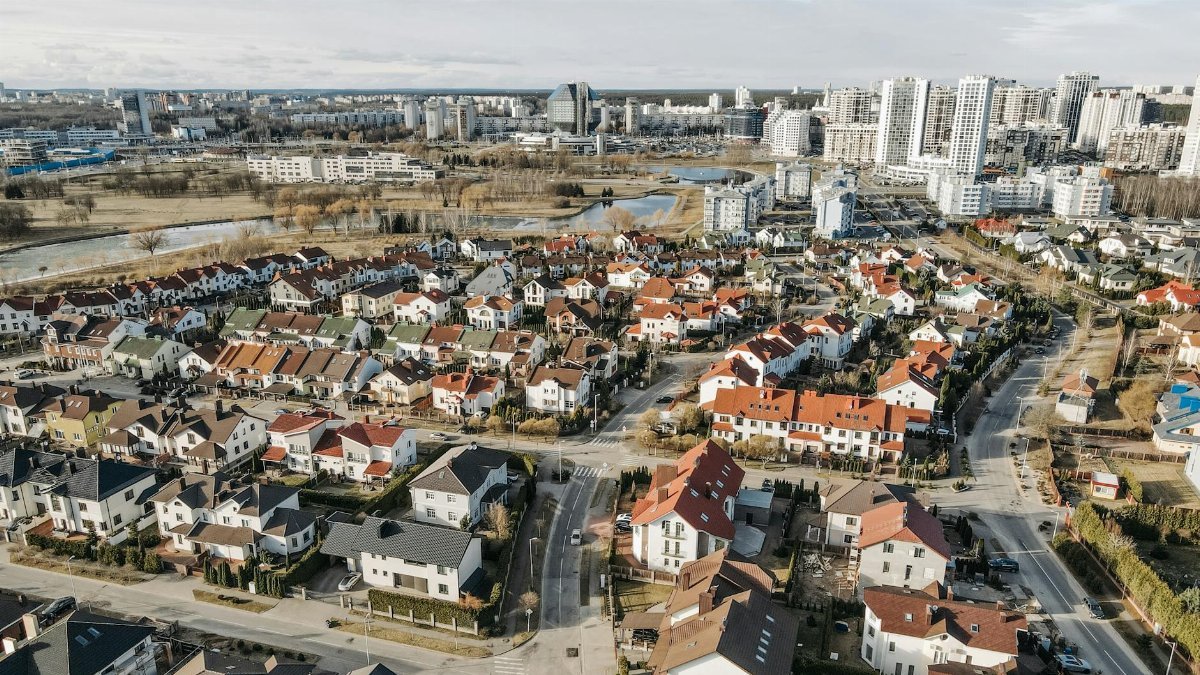
Beyond regulatory adjustments the initiative commits substantial funding to direct production of homes reserved for lower income families. Grants to nonprofit builders low interest financing and requirements that a percentage of new units remain affordable form the core of this effort. The objective is to expand the overall supply while guaranteeing that gains reach households now shut out of the market.
Housing advocates applaud the focus on affordability yet some argue that the scale of investment must grow if the state hopes to close the existing gap. Collaboration with local housing authorities and community development organizations will prove critical in selecting appropriate sites and maintaining the finished properties over time.
Responses from Municipal Leaders and Industry Experts

Local officials have offered a range of reactions. Mayors in some suburban communities express concern about diminished control over development decisions fearing that state directives might bring projects their towns lack the infrastructure to support. In contrast business associations and home builders have largely endorsed the approach citing the need for more inventory to ease upward pressure on prices.
Developers in particular appreciate proposals to simplify approval timelines which currently can stretch for years and inflate project costs dramatically. Several economists consulted by state officials point to data showing that meaningful increases in housing supply represent one of the most reliable tools for moderating long term cost growth.
Effects on Working Families and Communities

Should the plan achieve its goals working families across Illinois could experience measurable relief. More attainable housing costs would leave additional income for education healthcare and savings. Greater stability in living situations tends to benefit children by reducing disruptive moves and allowing stronger connections to schools and neighborhoods.
Broader community effects could include renewed vitality in areas that have lost population as well as more economically diverse districts where residents of differing backgrounds share the same streets. Mixed income developments have demonstrated positive impacts on educational attainment and public health according to multiple studies. One detailed analysis from the Brookings Institution can be reviewed at Brookings Housing Report.
Housing as a Foundation for Community and Dignity
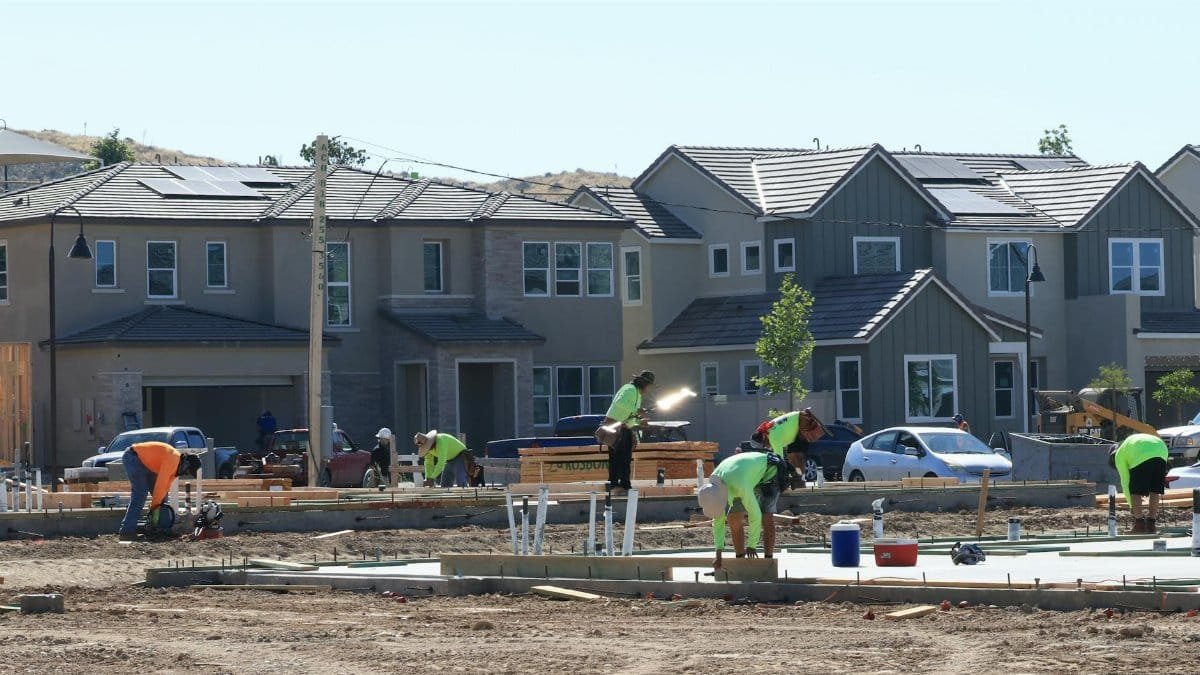
Beyond dollars and density the conversation touches deeper questions about what kind of society Illinois wishes to become. When families cannot find stable shelter the ripple effects touch personal dignity neighborhood cohesion and the shared sense of possibility that binds communities. The pritzker housing plan illinois implicitly acknowledges that safe housing underpins everything from childhood development to civic participation.
Many middle aged residents recall a time when modest homes were within reach of ordinary workers. Restoring that reality for the next generation carries moral weight as well as economic logic. By treating housing as essential infrastructure rather than a commodity the plan attempts to reinforce the human connections that give places their true value.
Potential Obstacles to Implementation

Any ambitious reform encounters resistance and this one is no exception. Legal challenges from communities protective of their zoning powers are expected. Building legislative consensus in a politically divided capital will require skillful negotiation. The construction sector must also expand capacity at a moment when labor shortages and material costs remain elevated.
Public sentiment presents another test. Although surveys reveal widespread anxiety over housing costs concrete proposals often meet opposition when neighbors learn of new development nearby. Sustained outreach and transparent decision making will be necessary to transform general support into concrete acceptance.
Lessons from Housing Initiatives in Other States

Illinois can draw on experiences from California Oregon and Minnesota where comparable efforts have unfolded over the past decade. Minneapolis ended single family zoning in much of the city resulting in a notable rise in new permits and gradual improvement in affordability metrics. California has tested density bonuses and expedited reviews for projects that include affordable apartments.
These cases illustrate both the power of bold reform and the necessity of pairing policy changes with adequate funding and local buy in. Pritzker aides say they have examined these precedents closely adapting elements that proved effective while avoiding missteps that slowed progress elsewhere.
The Economic Benefits of Increased Housing Supply

Economists across the ideological spectrum agree that expanding housing brings substantial dividends. Construction activity generates jobs that extend beyond building sites into manufacturing supply chains and retail. When workers spend less of their income on shelter they contribute more vigorously to the local economy.
Regions with ample housing tend to draw talent and enterprise more readily fostering innovation and competitiveness. For Illinois which has seen net out migration in recent years the plan offers a potential remedy that could help retain residents and attract newcomers seeking opportunity in a more livable environment.
Looking Ahead to a More Accessible Illinois

As the pritzker housing plan illinois advances through debate and possible enactment its real test will arrive in the form of new homes completed and families housed. Success will be measured not by headlines but by whether Illinois begins to close the gap between housing need and housing reality. The coming months will reveal whether state leaders can translate vision into tangible results that endure.
The undertaking is complex yet the prize is considerable. When people can afford to live in the communities where they work and raise families the entire commonwealth grows stronger. This moment offers Illinois a chance to reaffirm that housing is not a luxury but a cornerstone of shared prosperity and human flourishing.