

Picture this: a software engineer from San Francisco unpacks boxes in a two bedroom bungalow on a tree lined street, a check for ten thousand dollars from the local chamber of commerce tucked in her wallet. She is not fleeing high rents alone. She is a remote worker drawn by one of dozens of programs reshaping Americas heartland and beyond. Since the pandemic accelerated distributed work, more than fifty small towns have launched cash incentives to attract professionals like her. These initiatives promise not just money, but affordable housing, outdoor adventures, and tight knit communities eager to welcome newcomers. The result? Local shops buzzing again, schools filling up, and downtowns alive with fresh energy.
Tulsa, Oklahoma: The Trailblazer with a Ten Thousand Dollar Welcome
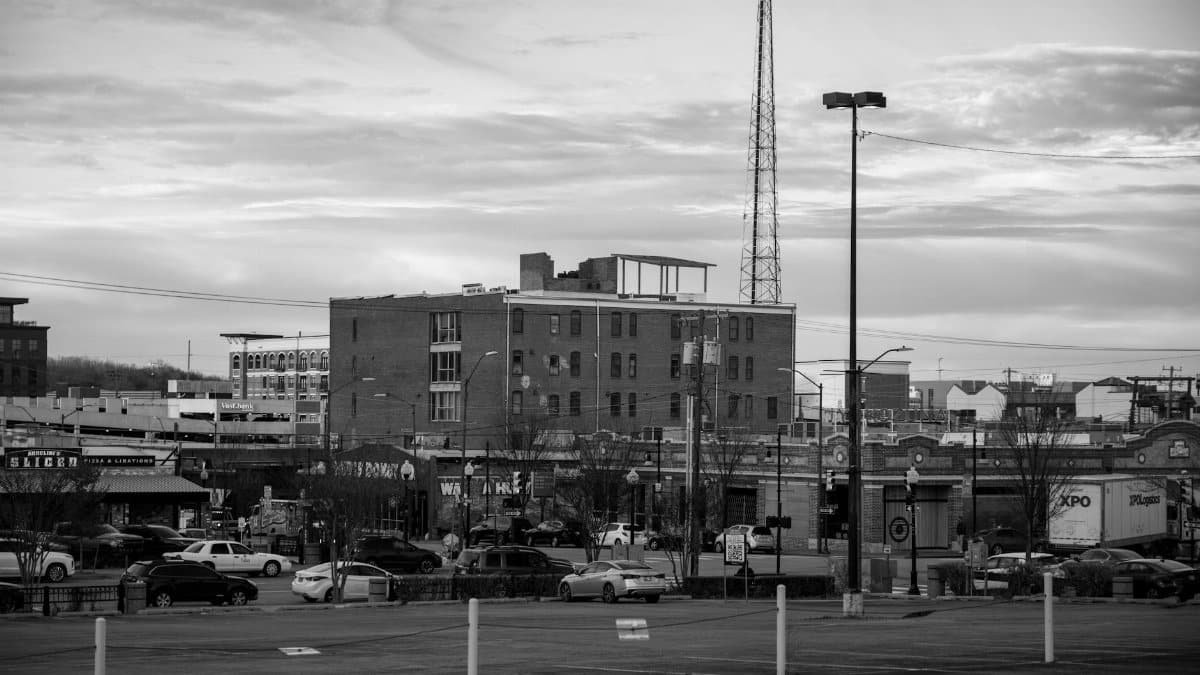
Tulsa kicked off the trend in 2018 with Tulsa Remote, offering ten thousand dollars to qualified applicants. The program targets remote workers earning at least seventy five thousand dollars annually from out of state employers. Since launching, it has brought in over three thousand participants, injecting millions into the local economy. Beyond the cash, Tulsa boasts a burgeoning arts scene, low cost of living, and Gathering Place, a sprawling riverfront park. Participants rave about the shift from urban isolation to community events like First Friday art crawls. As one relocatee put it in a program testimonial, the money was nice, but the friendships endure. For details, visit the official Tulsa Remote site.
Topeka, Kansas: Fifteen Thousand for Families

Topeka ups the ante with up to fifteen thousand dollars through Choose Topeka, aimed squarely at families. Remote workers with children under eighteen can claim five thousand per child, capped at fifteen thousand. The capital city of Kansas offers rolling prairies, a revitalized warehouse district, and home prices averaging two hundred thousand dollars. The program has relocated dozens, boosting school enrollments and local businesses. Emphasis here is on community building, with welcome baskets and networking mixers. Its appeal lies in Midwestern values paired with modern perks like high speed internet expansions.
Newton, Iowa: Bold Fifty Thousand Dollar Gambit

In Newton, the pitch was audacious: up to fifty thousand dollars in 2021 to jump start recovery post tornado. Though the high figure was temporary, the town continues incentives around ten thousand for remote workers. Home to the Iowa Speedway and Maytag history, Newton provides quiet streets and proximity to Des Moines. Relocatees enjoy low taxes, community parks, and a growing tech hub vibe. The strategy worked, drawing young professionals who volunteer at local festivals and coach youth sports, knitting themselves into the fabric.
Hamilton, Ohio: Ten Thousand and Riverfront Revival

Hamilton, along the Great Miami River, offers ten thousand dollars via Work in Hamilton. This Butler County seat highlights its historic fountains, microbreweries, and manufacturing renaissance. Remote workers must commit to two years residency. The program has filled young professional housing, spurring pop up markets and live music. One draw is the affordable luxury: spacious homes for under two hundred fifty thousand dollars. Locals note how newcomers energize book clubs and trail runs, countering population decline.
Ulysses, Kansas: Plains Hospitality with Cash
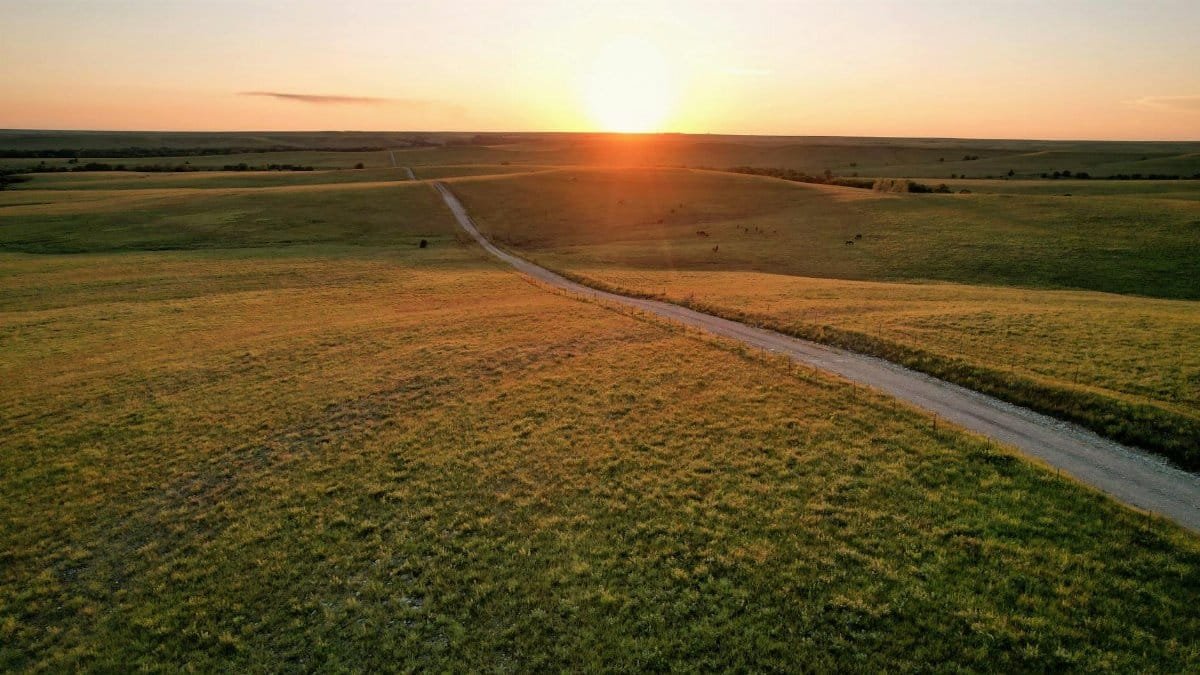
Out on the high plains, Ulysses dangles ten thousand dollars to remote workers through its economic development push. This Grant County town of four thousand promises vast skies, low crime, and homes starting at one hundred thousand. Wind farms dot the horizon, symbolizing clean energy jobs nearby. Incentives cover moving costs, fostering community via barbecues and rodeos. Participants often cite the pace: time for family dinners without traffic snarls.
Beatrice, Nebraska: Gage County Generosity

Beatrice, in southeast Nebraska, provides up to twelve thousand dollars for remote workers staying two years. Known for its county fair and Chautauqua Park, the town blends agriculture with recreation along the Big Blue River. The program, backed by local banks, targets those earning fifty thousand plus. New residents contribute to library expansions and farmers markets, building lasting ties. Housing bargains abound, with median prices around one hundred eighty thousand.
Prineville, Oregon: High Desert Haven

Crook Countys Prineville offers ten thousand via Unlock Prineville, capitalizing on its data center boom from Facebook and Apple. Remote workers enjoy Cascade Mountain views, ochre badlands, and low living costs. The incentive requires a one year commitment, yielding hundreds of applicants. Community impacts shine in packed high school games and volunteer fire crews bolstered by tech transplants. Proximity to Bend adds ski and brew allure without the price tag.
Red Wing, Minnesota: Bluffs and Boots Incentive
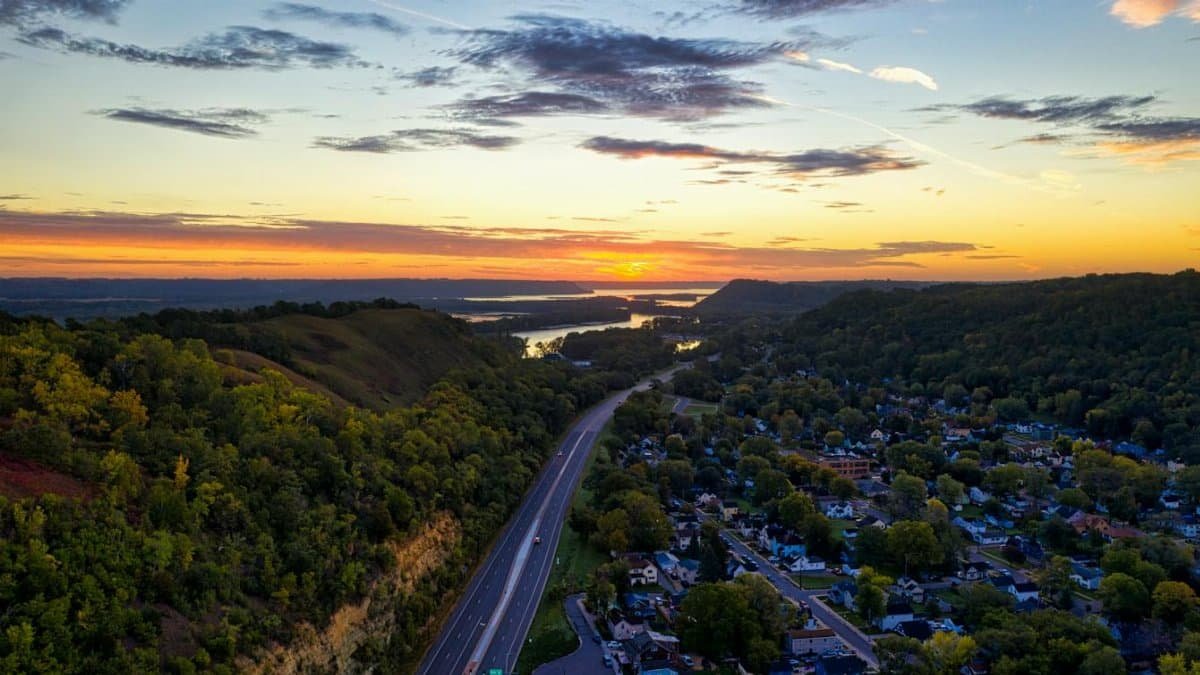
Red Wings Hometown Hero program grants five thousand to ten thousand dollars to remote workers. Perched on Mississippi bluffs, its famous boots and pottery draw visitors, while locals tout trails and eagle watching. Median home prices hover at two hundred ninety thousand, still below national averages. Newcomers join pottery guilds and river cleanups, enhancing civic life. The town leverages its arts heritage to appeal to creative professionals.
Brattleboro, Vermont: Green Mountain Grant
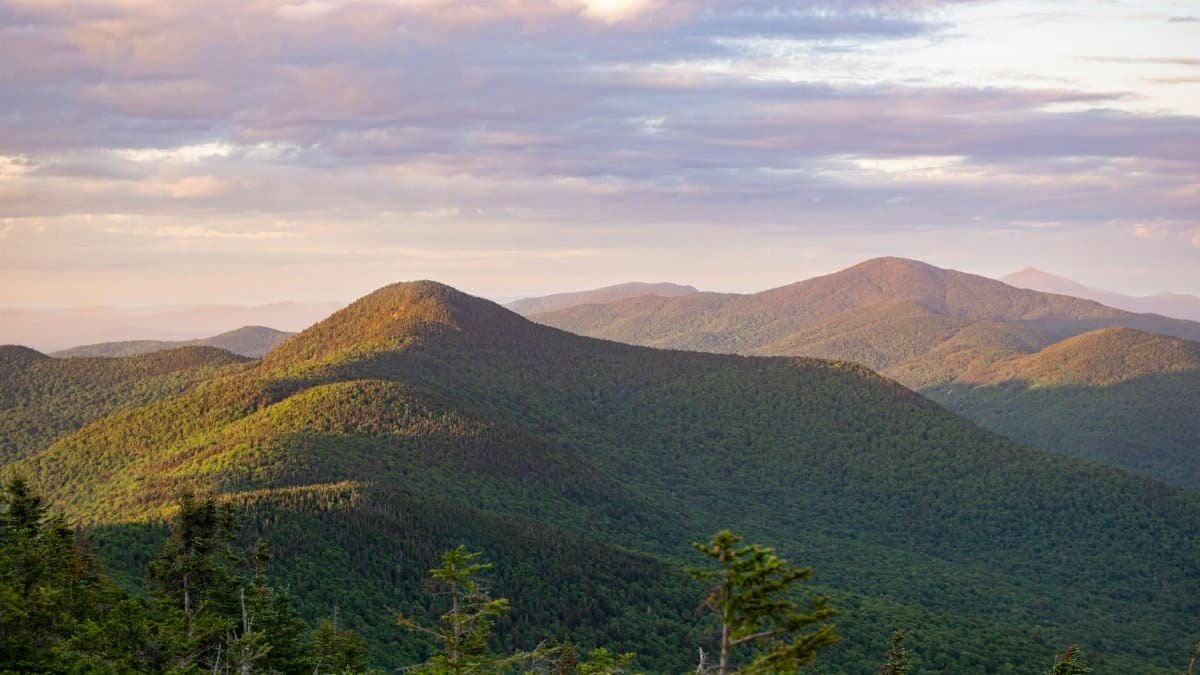
Vermonts statewide Remote Worker Grant Program delivers ten thousand dollars, with Brattleboro as a prime landing spot. This Windham County hub features organic farms, the Marlboro Music Festival, and a walkable downtown. Remote workers qualify with full time jobs paying forty thousand minimum. Relocatees boost co working spaces and trail maintenance crews. The states four distinct seasons and farm to table scene seal the deal for many.
Bentonville, Arkansas: NWA Council Largesse

The Northwest Arkansas Council offers seventeen thousand dollars through its Live in NWA program, spotlighting Bentonville. Walmart headquarters brings polish, but trails, Crystal Bridges Museum, and bike paths define it. Remote workers snap up incentives, swelling tech meetups and farmers markets. Housing starts at two hundred fifty thousand, with top schools attracting families. Community vibrancy surges as newcomers launch startups and volunteer.
Pueblo, Colorado: Steel City Reinvention

Pueblo entices with five thousand to ten thousand dollar packages for remote workers. South of Denver, it mixes steel mill history with river walks and green chili festivals. Affordable homes under two hundred thousand draw crowds. The program emphasizes outdoor access: rafting on the Arkansas, hiking in the Sangres. New residents revive theaters and youth programs, proving small investments yield big communal returns.
Winona, Minnesota: Riverside Renewal
Winona, another Mississippi gem, provides up to ten thousand through local incentives. Bluffside bluffs, eagle center, and liberal arts colleges create an intellectual haven. Remote workers find homes around two hundred forty thousand and join book festivals or kayak clubs. The town counters stagnation with these draws, as transplants fill board seats and mentor students.
Clay Center, Kansas: Heartland Heartbeat

Clay Centers five thousand to eight thousand dollar offer targets remote workers bolstering its five thousand residents. Republican River recreation and the Worlds Largest Ball of Twine amuse, but serious perks include low costs and community college ties. Newcomers coach Little League and expand craft brew scenes, fostering intergenerational bonds.
Lakeview, Oregon: Bassett Bass Boost

Lakeview in Goose Lake Valley promises eight thousand dollars amid volcanic landscapes and bass fishing paradise. Remote workers embrace the isolation, with homes under one hundred eighty thousand. Incentives fuel snowmobile clubs and 4H fairs, integrating arrivals seamlessly into rural rhythms.
Tonasket, Washington: Orchard Oasis
Completing the fifteen, Tonasket offers relocation stipends up to seven thousand in Okanogan County. Apple orchards, the Okanogan River, and winter sports beckon remote workers. Low density living at modest prices builds instant community through harvest festivals and trail patrols. These towns prove cash alone does not suffice; its the promise of belonging that endures.
These programs signal a broader shift. Remote work frees talent from metros, letting small towns compete with subsidies and soul. Challenges remain, like internet reliability and cultural adjustment, but success stories abound. As one Tulsa relocatee shared, the money bought a house, but the town gave purpose. For remote workers pondering a move, the heartland beckons with open arms and full wallets.