
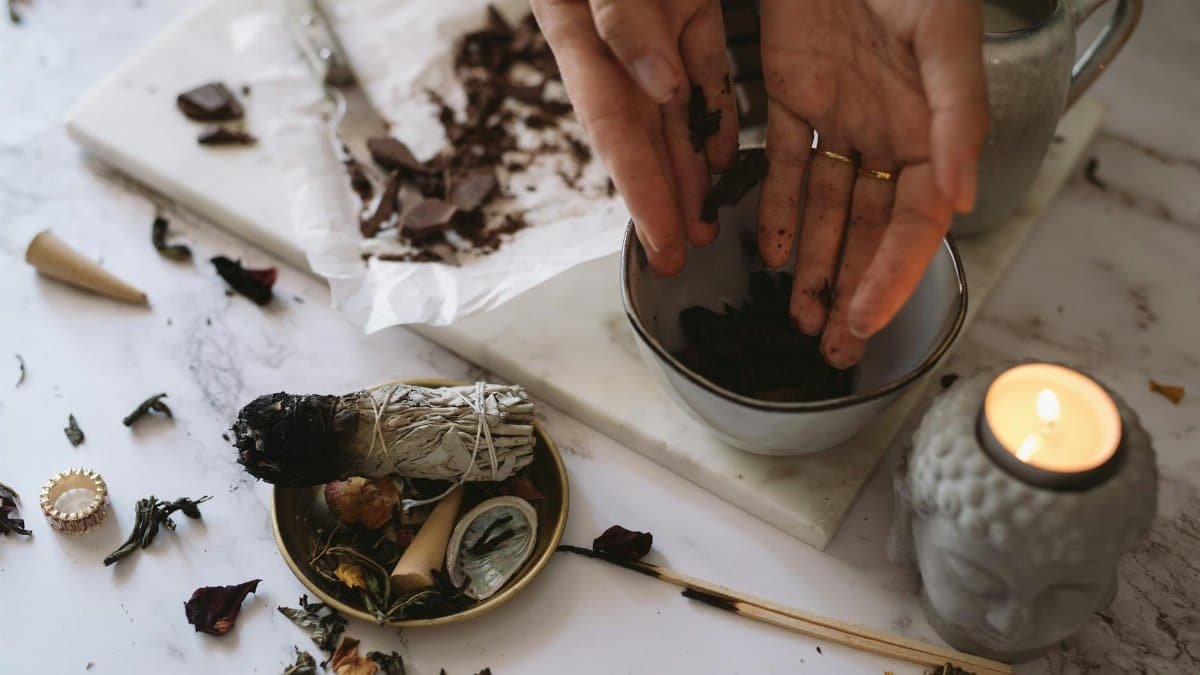
In a fast-paced world, many Americans are turning to natural remedies for peace of mind. New data shows 35% of adults now incorporate herbal supplements into their routines for stress relief, according to a recent survey by the National Institutes of Health. This surge highlights how herbs support inner calm, offering subtle yet effective ways to manage daily tensions without pharmaceuticals. From busy professionals to stressed parents, these botanicals are gaining traction as go-to options for fostering tranquility amid 2025’s hectic demands.
1. Chamomile
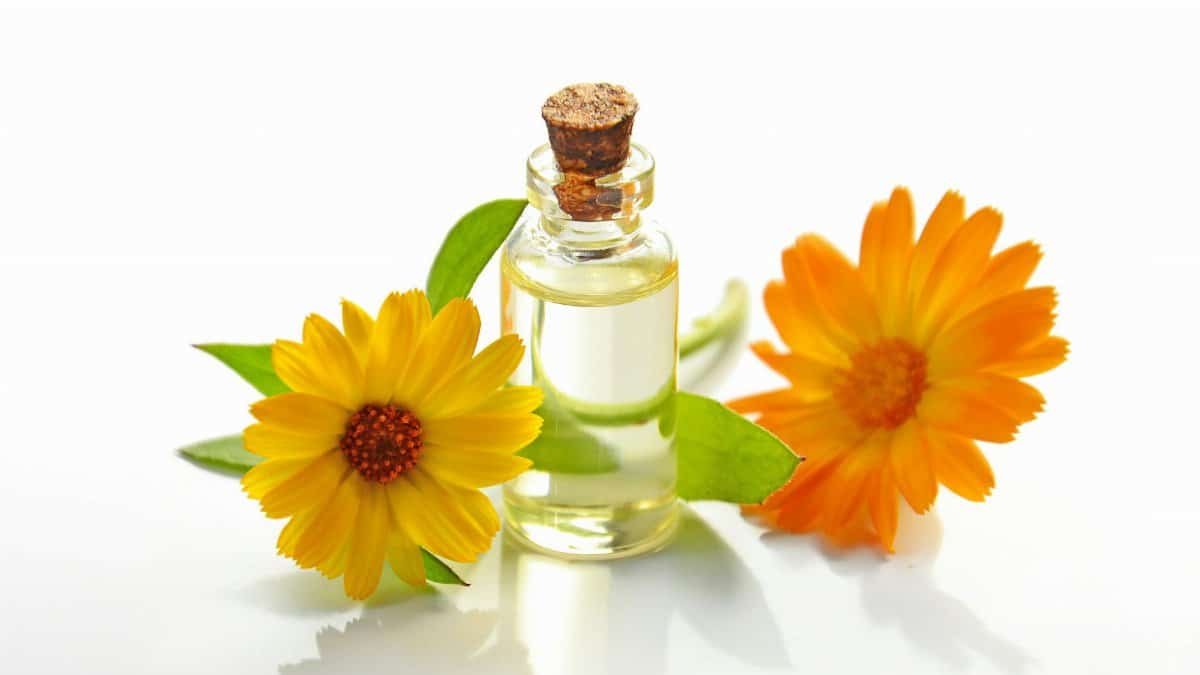
Chamomile stands out as a timeless herb for promoting relaxation. Known for its mild sedative effects, it helps ease anxiety and improve sleep quality. A cup of chamomile tea before bed can quiet racing thoughts, making it ideal for those winding down after a long day. Studies from the University of Pennsylvania suggest it binds to brain receptors similarly to anti-anxiety meds, but without the side effects. In the U.S., sales of chamomile products spiked 20% last year, reflecting its popularity in mindful living practices. For more details, check the National Center for Complementary and Integrative Health.
2. Lavender

Lavender’s soothing aroma is more than just pleasant; it’s a powerhouse for inner calm. Essential oils derived from this herb reduce stress hormones, as evidenced by research showing lowered cortisol levels in users. Inhaling lavender or using it in baths can alleviate tension headaches and promote restful nights. With aromatherapy on the rise in 2025, American spas and wellness centers are incorporating lavender therapies extensively. A study published in the Journal of Alternative and Complementary Medicine supports its efficacy for mild anxiety. Explore findings at PubMed Central.
3. Valerian Root
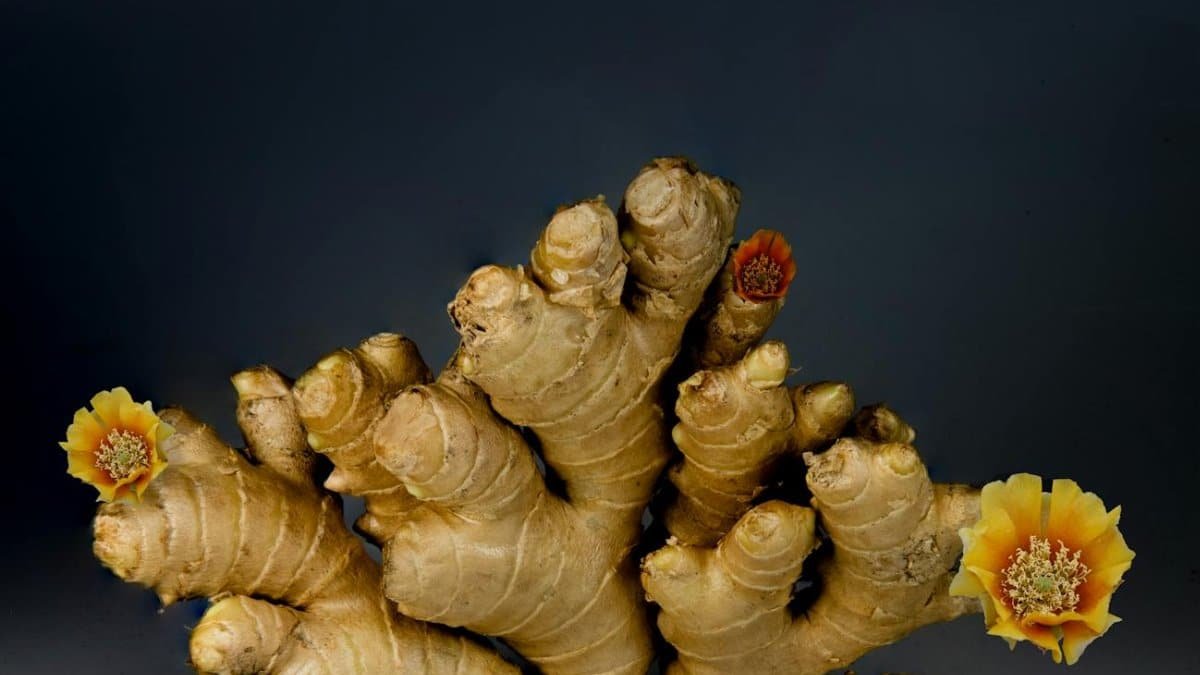
Valerian root acts as a natural tranquilizer, aiding those struggling with insomnia and restlessness. It increases GABA levels in the brain, which calms nervous activity. Users often report falling asleep faster and waking refreshed. In the U.S., it’s a staple in over-the-counter sleep aids, with demand growing among shift workers facing irregular schedules. Clinical trials indicate it rivals some prescription options for short-term use. The herb supports inner balance by addressing root causes of unease, making it a smart choice for sustained calm.
4. Ashwagandha
This adaptogenic herb from Ayurvedic traditions helps the body adapt to stress. Ashwagandha lowers cortisol and enhances resilience, leading to better mood regulation. A 2025 trend report notes its popularity among young professionals combating burnout. Research from the Indian Journal of Psychological Medicine shows significant anxiety reduction in participants. It’s easy to incorporate via capsules or teas, supporting inner harmony without overwhelming the system. For U.S. consumers, it’s increasingly available in health stores nationwide.
5. Lemon Balm
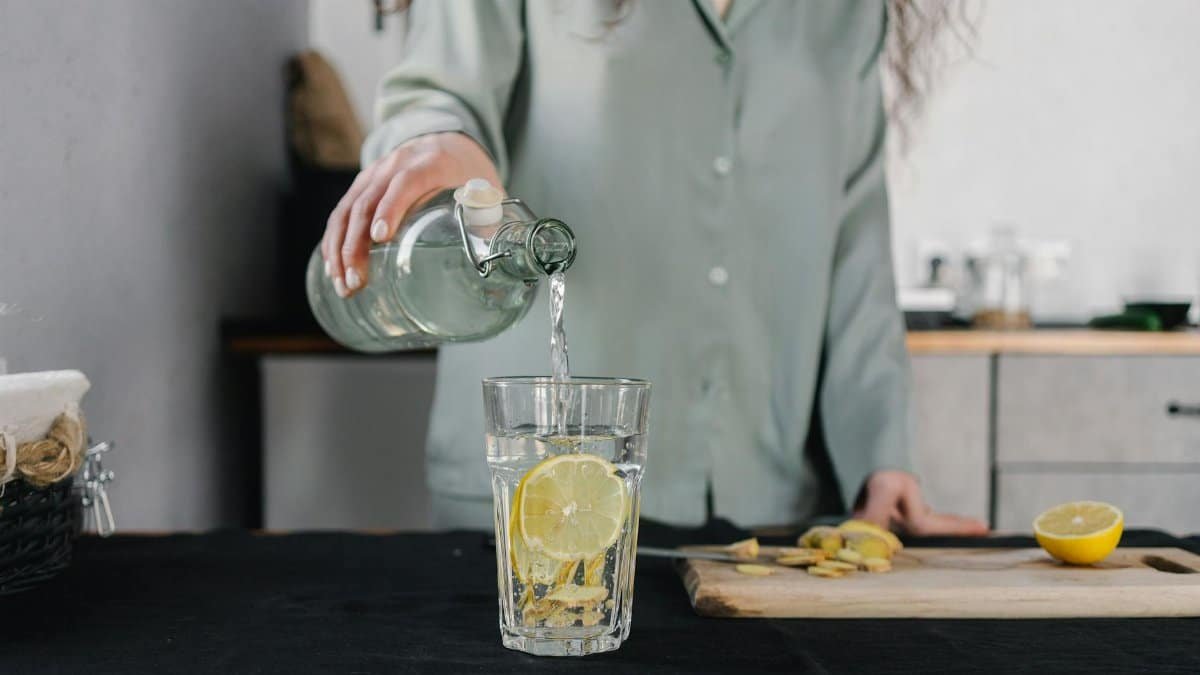
Lemon balm, with its citrusy scent, uplifts while calming the mind. It modulates mood by influencing neurotransmitters, reducing symptoms of mild depression and anxiety. Herbalists recommend it for digestive stress, which often ties into emotional turmoil. In America, it’s blended into teas and tinctures, gaining favor in holistic wellness circles. A European study highlighted its role in improving cognitive function under stress, making it versatile for daily use. Herbs like this support inner peace by nurturing both body and spirit.
6. Passionflower
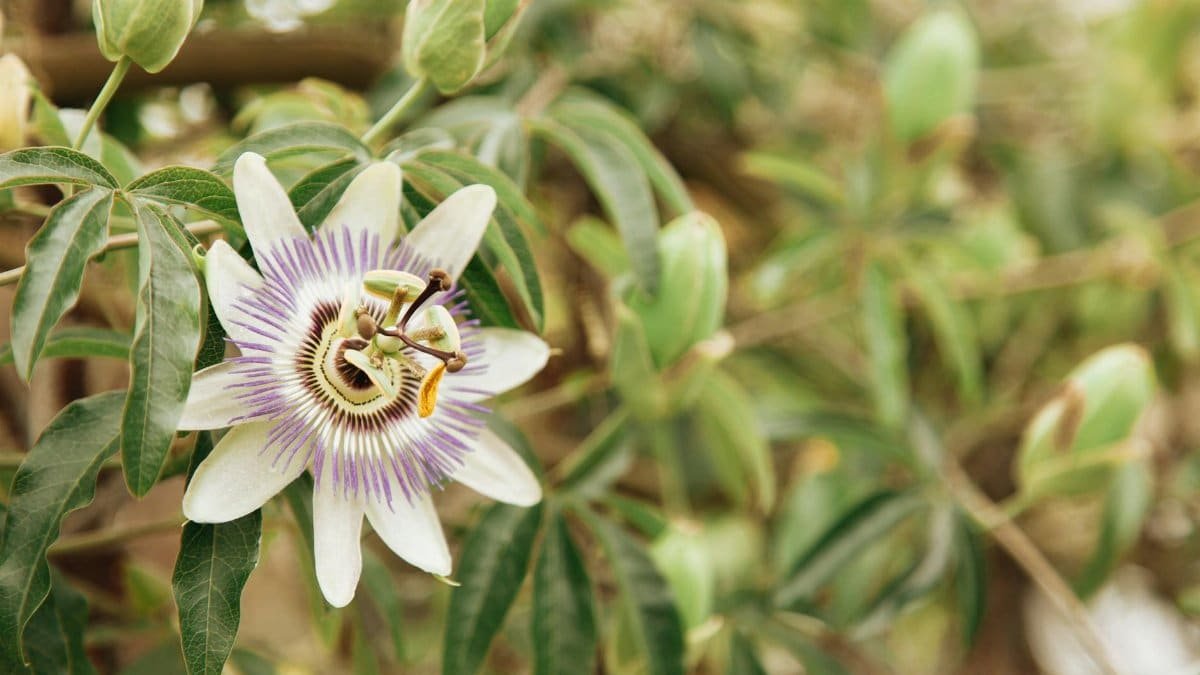
Passionflower excels at quieting an overactive mind, often used for generalized anxiety. It boosts GABA, similar to valerian, promoting relaxation without drowsiness. Native to the Americas, it’s now a common supplement in the U.S. market. Trials from the Phytotherapy Research journal demonstrate its effectiveness for pre-surgery nerves. In 2025, with mental health awareness peaking, passionflower is seeing broader adoption in self-care routines. Pair it with mindfulness practices for amplified benefits.
7. Holy Basil

Holy basil, or tulsi, is revered for its stress-busting properties. As an adaptogen, it balances hormones and fights fatigue, fostering emotional stability. In Indian medicine, it’s a daily tonic, and U.S. trends show rising imports for wellness teas. Studies link it to reduced stress markers in blood tests. It’s particularly helpful for those in high-pressure jobs, offering a gentle lift. The herb supports inner calm by enhancing overall vitality, as per findings from the Journal of Ayurveda and Integrative Medicine.
8. Rhodiola

Rhodiola rosea combats mental fatigue and enhances focus under stress. This Arctic herb improves serotonin and dopamine levels, leading to better emotional regulation. Athletes and executives use it to maintain clarity during demanding periods. A meta-analysis in Phytomedicine confirms its anti-anxiety effects. In the U.S., it’s marketed for burnout prevention, aligning with 2025’s emphasis on work-life balance. Incorporating rhodiola can transform how one handles daily pressures, rounding out options for natural serenity. For in-depth research, visit NCCIH on Rhodiola.