

Walk down any street in Denver these days, and you might notice a subtle shift. People pause mid-stride, eyes closed for a brief moment, as if tuning into something deeper. It’s not just the mountain air. A growing number are embracing ego awareness, that delicate dance of ego | consciousness | balance. This isn’t some fleeting wellness fad. In a city known for its outdoor ethos and high-stress tech scene, residents are turning inward to rewire their brains for calm. Recent surveys show more Americans, especially in urban hubs like Denver, reporting burnout at alarming rates. Yet, practices centered on ego awareness offer a counterpoint, helping individuals quiet the inner critic and foster a steadier mind. As we navigate 2025’s relentless pace, understanding how this awareness reshapes neural pathways could be key to reclaiming peace. It’s about recognizing the ego’s grip without letting it steer the ship, allowing consciousness to guide toward equilibrium.
1. Quieting the Inner Critic

Start with the voice that never shuts up. That relentless inner monologue judging every misstep. Ego awareness steps in here, teaching people to observe these thoughts without getting entangled. In Denver’s bustling coffee shops, you see it play out. A woman sips her latte, notebook in hand, jotting down automatic negative thoughts. She’s not fighting them; she’s noting them, like clouds passing overhead. This practice, rooted in mindfulness, actually changes brain structure over time. Research from the University of Wisconsin-Madison shows that consistent meditation on self-awareness strengthens the prefrontal cortex, the area tied to emotional control. One study highlighted how participants reduced amygdala activity, that fear center lighting up during stress. It’s not magic. It’s neuroplasticity at work, rewiring pathways for a calmer default state. Imagine catching yourself in a spiral of self-doubt at work. Instead of escalating, you pause, breathe, and redirect. That simple act builds resilience, layer by layer.
But it’s not always straightforward. Tensions arise when the ego resists, whispering that vulnerability equals weakness. Yet, pushing through reveals a quieter mind. Online discussions often reveal frustrations with this initial hurdle, like one anonymous account describing the ego as a “stubborn toddler” finally learning to share space with consciousness.
2. Enhancing Emotional Regulation

Picture a heated argument with a spouse. Emotions flare, words fly. Ego awareness intervenes by creating space between trigger and response. It’s about balancing that raw consciousness with ego’s protective instincts. In therapy circles across the U.S., experts note a surge in clients seeking tools for this very skill. A report from the American Psychological Association details how awareness practices lower cortisol levels, the stress hormone that keeps us wired. Participants in their studies reported feeling more in control during daily conflicts. Dive into the science: functional MRI scans reveal increased connectivity between the brain’s emotional and rational centers after regular practice. This isn’t abstract. Take a Denver parent juggling remote work and kids. By tuning into ego-driven impatience, they shift to conscious patience, rewiring reactions for calm. The result? Fewer outbursts, more harmony at home.
Sometimes, though, the process uncovers buried resentments. That’s where the balance comes in, turning potential chaos into growth. It’s a narrative of transformation, one small choice at a time.
3. Fostering Mindfulness in Daily Routines

What if calm started with your morning coffee? Ego awareness encourages weaving mindfulness into mundane moments, countering the ego’s push for constant productivity. Consciousness takes the wheel, promoting presence over perfection. In 2025, with apps and wearables tracking every heartbeat, Americans are increasingly drawn to this grounded approach. A study from Harvard Medical School, linked here, demonstrates how such practices thicken the insula, the brain region for bodily awareness, leading to reduced anxiety. It’s practical: during a walk in Denver’s Washington Park, someone might notice the ego’s urge to check emails, then consciously refocus on the rustling leaves. This rewires the brain toward calm baselines, not just fleeting relief. Stories abound of people ditching autopilot for intentional living, emerging more centered.
Yet, distractions persist. The key? Gentle persistence, building neural habits that stick.
4. Building Neural Resilience Against Stress
Stress hits like a freight train. Ego awareness acts as a buffer, training the brain to bounce back faster. By balancing ego’s survival mode with conscious reflection, individuals forge stronger mental armor. Consider the findings from the National Institutes of Health: their research on resilience, accessible via this page, shows that self-awareness practices enhance hippocampal function, crucial for stress recovery. In Denver’s startup scene, where burnout is rife, entrepreneurs report using these techniques to navigate failures without crumbling. One might recall a botched pitch, ego screaming defeat, but consciousness reframing it as a lesson. Over time, this rewires pathways, making calm the norm rather than the exception.
Challenges emerge when old patterns resurface. Still, the narrative shifts from victimhood to empowerment, one resilient step forward.
5. Improving Focus and Concentration
Distractions swarm in our digital age. Ego awareness cuts through the noise, sharpening focus by aligning consciousness with purposeful intent. Ego often scatters attention, chasing validation. Balance restores clarity. Pew Research Center’s data on attention spans, found here, underscores the struggle, yet awareness practices offer hope. Brain imaging from UCLA reveals bolstered attention networks after ego-focused meditation. A Denver teacher, amid chaotic classrooms, uses this to center herself, modeling calm for students. The rewiring? Sustained concentration without the mental fog.
It’s not without effort. Ego resists stillness, but persistence yields a focused mind, alive with possibility.
6. Cultivating Empathy Toward Others

Ego can build walls; awareness tears them down. By fostering empathy, it rewires the brain for compassionate connections. Consciousness balances self-focus with understanding others. A study in the Journal of Personality and Social Psychology, summarized on this APA page, links self-awareness to heightened mirror neuron activity, enhancing emotional attunement. In Denver’s diverse neighborhoods, this plays out in community dialogues, where ego-driven debates give way to genuine listening. Imagine a coworker clash: awareness shifts from defense to curiosity, calming tensions and strengthening bonds.
Tensions? When empathy feels draining. Yet, the balance sustains it, creating calmer relational landscapes.
7. Reducing Chronic Anxiety Patterns

Anxiety loops endlessly. Ego awareness interrupts them, promoting calm through conscious observation. It’s a balance that quiets the mind’s alarms. CDC reports on anxiety prevalence, available here, highlight the need, while interventions show promise in rewiring the default mode network. A Denver resident shares anonymously online about breaking free from worry cycles, describing a “brain reset” toward peace.
The path involves facing fears head-on, but the reward is a rewired calm that endures.
8. Boosting Self-Compassion

Harsh on yourself? Ego awareness nurtures kindness inward, rewiring for self-compassion. Consciousness tempers ego’s criticism. Research from the University of Texas, linked here, indicates reduced depression symptoms through these practices. In everyday Denver life, it means forgiving slip-ups, fostering calm resilience.
Resistance comes, but balance prevails, transforming self-talk.
9. Strengthening Calm Neural Pathways

Repetition builds habits. Ego awareness reinforces calm circuits, making serenity second nature. Balance ensures ego doesn’t dominate. NIH studies on neuroplasticity support this, viewable here.
It’s a gradual weave, yielding profound calm.
10. Integrating Balance for Long-Term Well-Being
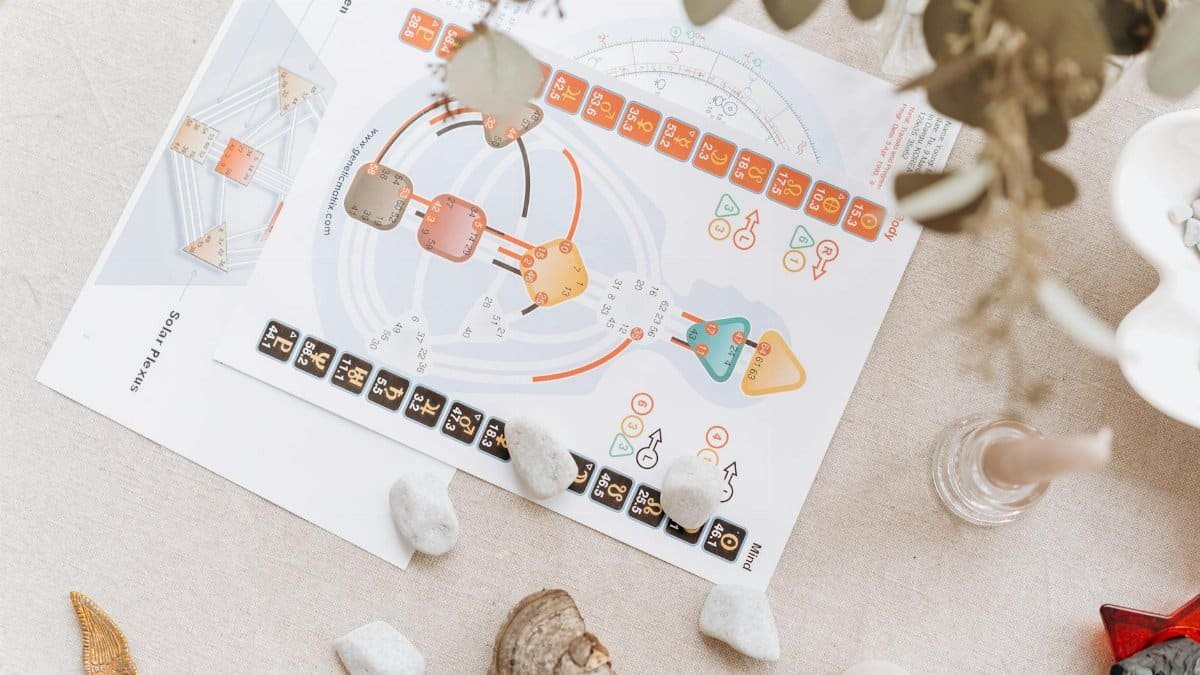
Finally, ego | consciousness | balance sustains it all. This integration rewires the brain holistically, promoting enduring calm. As 2025 unfolds, more embrace it for well-being. Stories from Denver illustrate lives transformed, from stressed execs to calmer selves.
The journey continues, but the foundation is set for lasting peace.