

Is nervous system healing the key to surviving today’s toxic environments? With stress, pollution, and digital overload at all-time highs, more people are turning to this practice to reclaim their mental and physical well-being. Simply put, nervous system healing involves techniques to regulate and restore the body’s stress response, helping individuals cope with external pressures. It matters because chronic stress can wreak havoc on health, and finding ways to reset is no longer optional—it’s essential. Here’s how to protect yourself from toxic surroundings through practical, science-backed methods.
What Is Nervous System Healing?

Nervous system healing focuses on restoring balance to the autonomic nervous system, which controls involuntary functions like heart rate and digestion. When toxic environments—whether physical, emotional, or social—overwhelm us, this system can become dysregulated, leading to anxiety, fatigue, or worse. Healing practices aim to shift the body from a constant “fight or flight” state to “rest and digest,” promoting recovery. Techniques often include breathwork, mindfulness, and somatic exercises, all designed to help the body unlearn stress patterns.
Why Toxic Environments Harm Your System

Toxic environments, from polluted cities to high-stress workplaces, bombard the nervous system with triggers. Air pollutants can inflame neural pathways, while emotional toxicity—like constant conflict—spikes cortisol levels, keeping the body on edge. Research from the National Institutes of Health shows chronic stress can contribute to heart disease and mental health disorders. Recognizing these threats is the first step to shielding yourself from their long-term damage.
Breathwork as a Reset Tool

One of the simplest ways to start nervous system healing is through breathwork. Slow, intentional breathing can lower heart rate and signal safety to the brain. Try the 4-7-8 technique: inhale for 4 seconds, hold for 7, and exhale for 8. Studies summarized by the Mayo Clinic suggest that such practices reduce stress hormones almost instantly. It’s a portable tool for any toxic setting, whether you’re stuck in traffic or a tense meeting.
Mindfulness to Break Stress Cycles
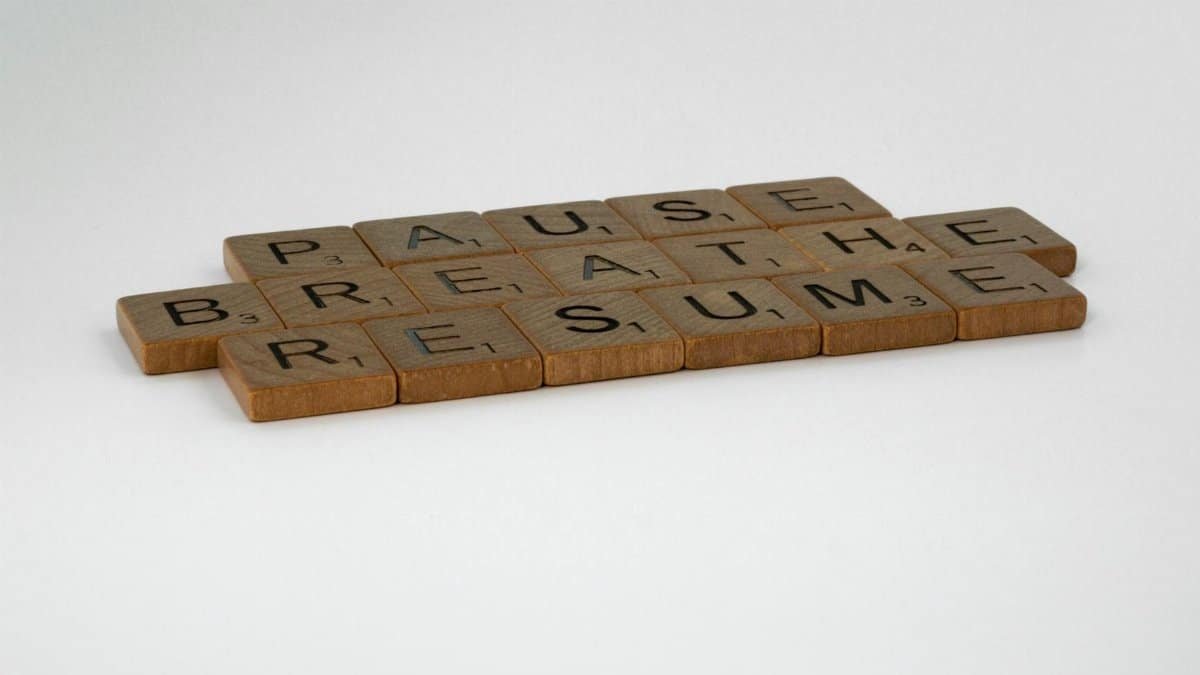
Mindfulness, or staying present without judgment, helps interrupt the nervous system’s overreaction to stressors. A five-minute daily practice of observing thoughts can rewire how you respond to chaos. It’s not about ignoring problems but reframing them. Apps or guided sessions can help beginners, and the impact—lower anxiety, better focus—is often immediate. This is especially useful in emotionally draining environments where reactions can spiral out of control.
Somatic Practices for Physical Release

Toxic stress doesn’t just live in the mind—it’s stored in the body. Somatic practices, like gentle shaking or body scanning, release trapped tension. These movements help the nervous system reset by mimicking natural stress-release mechanisms seen in animals. Start with small actions, like rolling your shoulders or tapping your chest, to feel grounded. Regular practice can reduce physical symptoms of stress, such as tight muscles or shallow breathing, often tied to toxic surroundings.
Setting Boundaries Against Toxicity

Healing isn’t just about internal work; it’s about external protection. Setting boundaries—saying no to draining relationships or limiting exposure to negative spaces—guards your nervous system. This might mean unplugging from social media or leaving a toxic job. It’s not selfish; it’s survival. Studies show that social stressors can be as harmful as physical ones, so curating your environment is a critical step in maintaining balance and fostering recovery.
Small Daily Habits for Long-Term Healing

Finally, integrate small habits to sustain nervous system healing. Limit caffeine if it heightens anxiety, prioritize sleep to allow neural repair, and spend time in nature to lower stress markers. Even a 10-minute walk in a park can shift your state. Consistency matters more than intensity. Over time, these micro-changes build resilience against the toxic environments that surround us daily, ensuring your system stays regulated no matter the external chaos.