
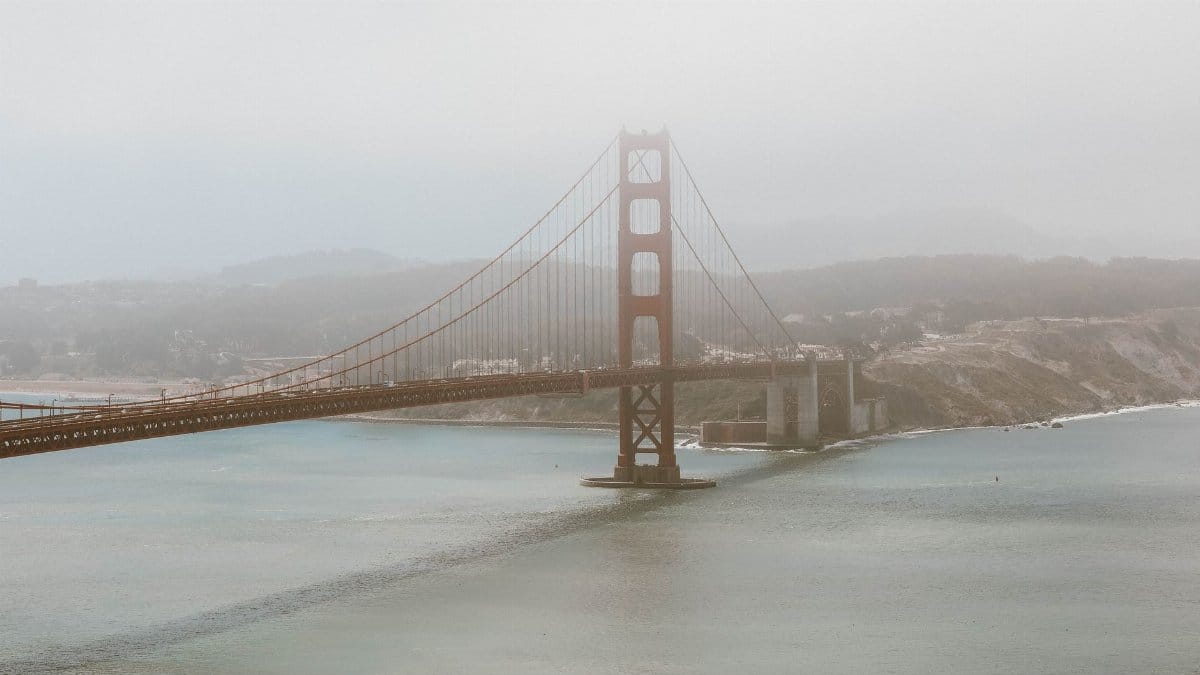
Before the ovens heat and the tables get set, Bay Area Thanksgiving weather usually announces itself in the dark. Sidewalks glisten. Porch lights blur. A runner tying shoes on a corner in the Richmond or the Mission can lose the top of a hill in a few steps. That is the morning many households will meet: cool, damp, and quiet enough that a turkey trot feels like a private ritual. The day is not stuck there. By early afternoon the sun is expected to work through the gray on a wide share of streets, with highs in the 60s and a softer light near the water. The last day of the king tide cycle also brings a coastal flood warning, a reminder that the bay can reach farther inland even when the sky looks friendly.
A gray start that still lets the race begin
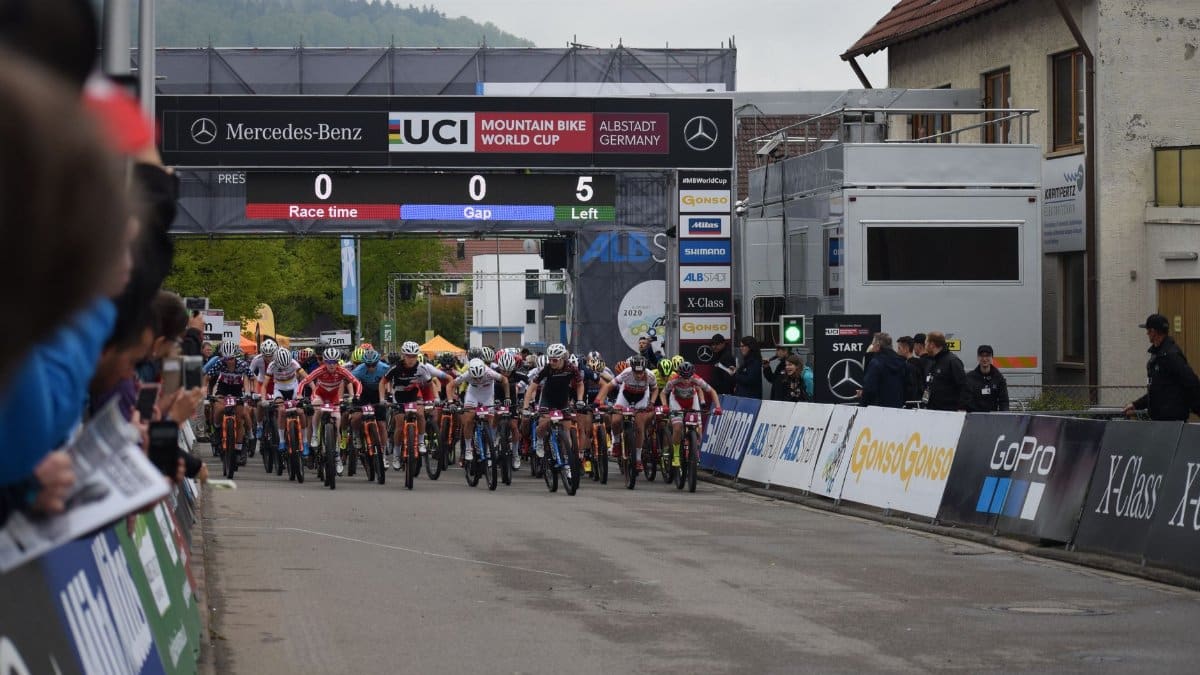
Organizers of neighborhood turkey trots know this pattern from years of wet starting lines, even if they never say it out loud. The first miles often happen inside a marine layer that sits on the bay like a lid. Visibility drops. Breath shows. Gloves that seemed optional at the closet door become useful at the starting line. None of that usually cancels the event. The air is cold by California standards and mild by almost any other. Pavement can be slick where fog has wet the leaves, so the cautious pace belongs to the first mile, not to a dramatic storm. Families waiting at the finish with paper cups will feel the same damp air, then watch it thin as the clock moves toward late morning.
Why the fog keeps its morning appointment
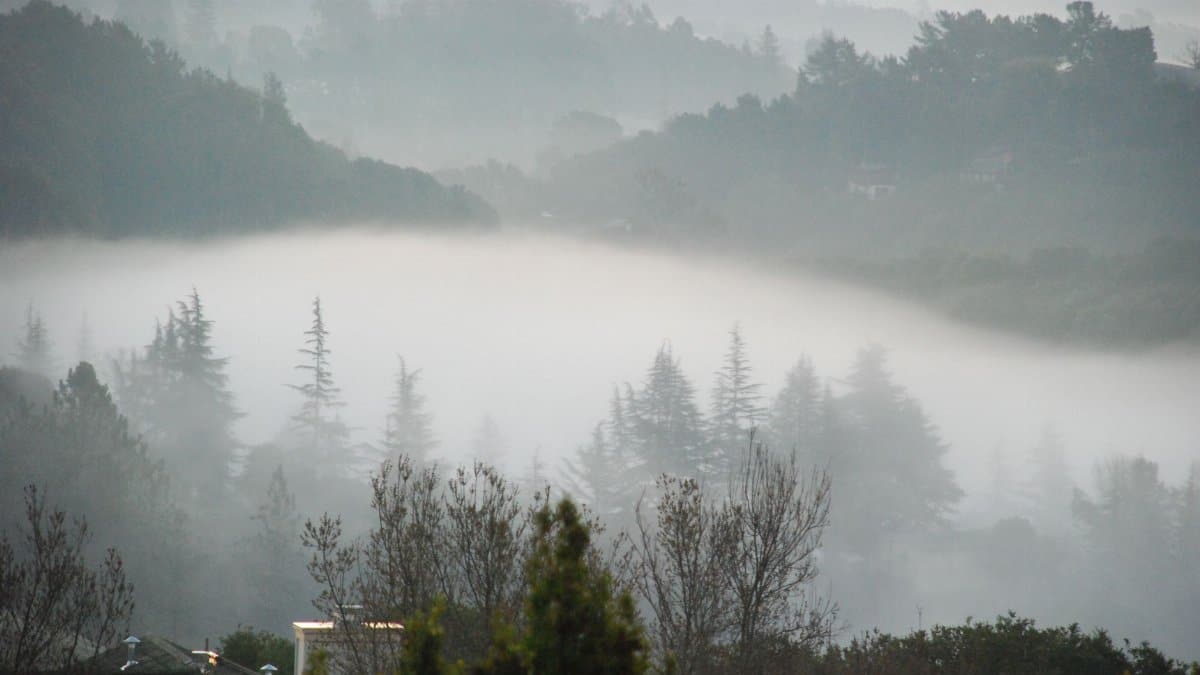
The ocean is the quiet author of this kind of morning. Water off the coast stays cool while inland ground cools overnight under clear or thin skies. Moist air drifts in, meets that chill, and condenses into fog and low clouds. A shallow inversion, a layer of warmer air above cooler air near the surface, can hold the gray in place until the sun gains height and the land warms. That is why Bay Area Thanksgiving weather so often splits the day in two. The split is not a failure of the forecast. It is the forecast. Valleys that sit farther from the immediate shoreline tend to clear sooner. Beaches, west facing avenues, and gaps in the hills can stay milky longer, sometimes into the hour when people start carrying dishes to the table.
The afternoon the table actually wants
Once the layer lifts, the day turns generous without turning hot. Highs in the 60s mean a sweater still earns its place, especially in shade or on a deck with a breeze off the water. Sun on a south facing wall can feel several degrees kinder than the official reading. That gap matters for anyone planning to eat outside. A backyard in Walnut Creek or San Jose may feel like a true afternoon gathering. A patio in the Sunset or along the Marin shore may feel pleasant only after the last rags of cloud leave, and even then a jacket stays on the chair. Wind should stay modest in the broad picture, enough to move napkins and not enough to rewrite the menu. The light in late November already leans low, so rooms with west windows will warm late and fade early. Bay Area Thanksgiving weather rewards patience more than heavy coats.
King tides and water that does not need a storm
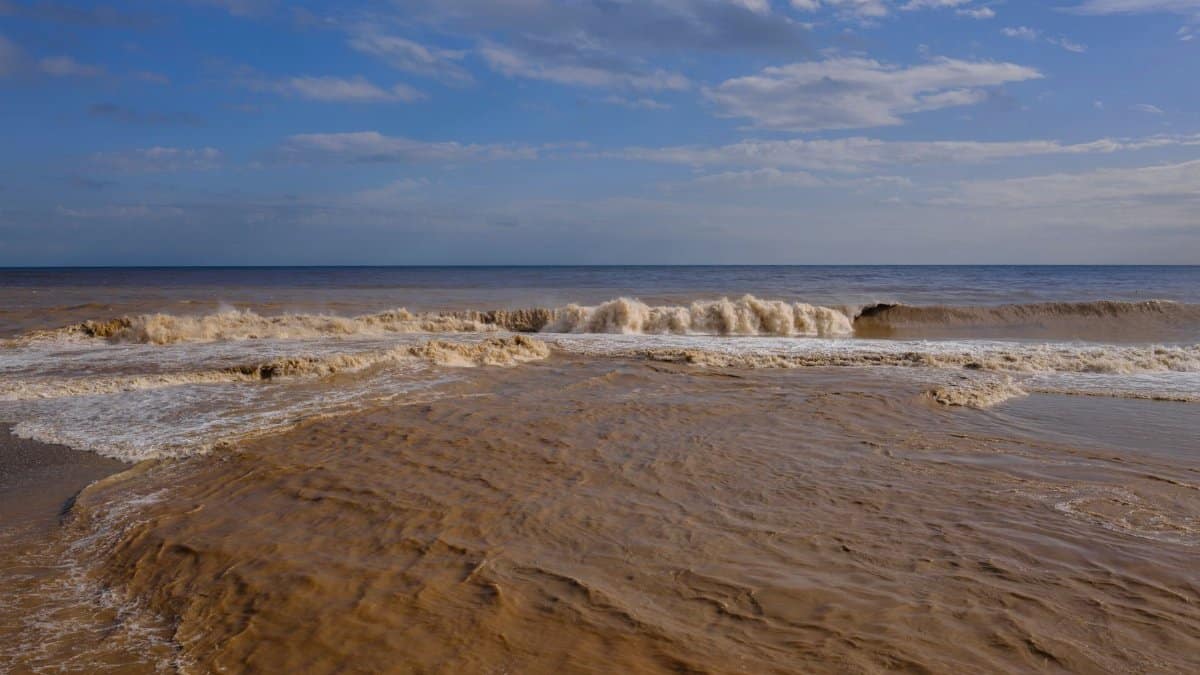
The coastal flood warning attached to this holiday is easy to misread. It is not a signal that a Pacific storm is about to slam the coast. It marks the last day of a king tide cycle, when the alignment of moon, sun, and earth lifts the daily high tides higher than usual. On those peaks, water can cover beach access roads, push into low parking lots, and lap at paths that look perfectly dry at noon. The bay shoreline from the South Bay salt ponds up through San Francisco and into parts of Marin and the East Bay is where the nuisance shows up first. A clear sky does not cancel a high tide. If a walk after dinner follows the water, the smarter hour is not always the scenic one. Check the tide clock the way you check the oven timer.
One region, several Thanksgivings
Anyone who has driven from the coast to the Central Valley edge on a November morning knows the region refuses a single temperature. San Francisco often stays the coolest and the latest to brighten, especially west of Twin Peaks. The Peninsula can split block by block, with fog lingering near the bay and sun already on the hills. The East Bay frequently clears earlier, though the Berkeley shore and the Oakland flats can lag behind Walnut Creek and Pleasanton. The North Bay mixes valley sun with coastal cloud around Point Reyes and the Sonoma shore. The South Bay tends toward the warmer afternoon, still short of true heat, with highs that make a light layer enough for most adults and a spare blanket wise for anyone sitting still. Reading Bay Area Thanksgiving weather as one number misses the point. The number is a region. The experience is a neighborhood.
Roads, bridges, and the hour you leave
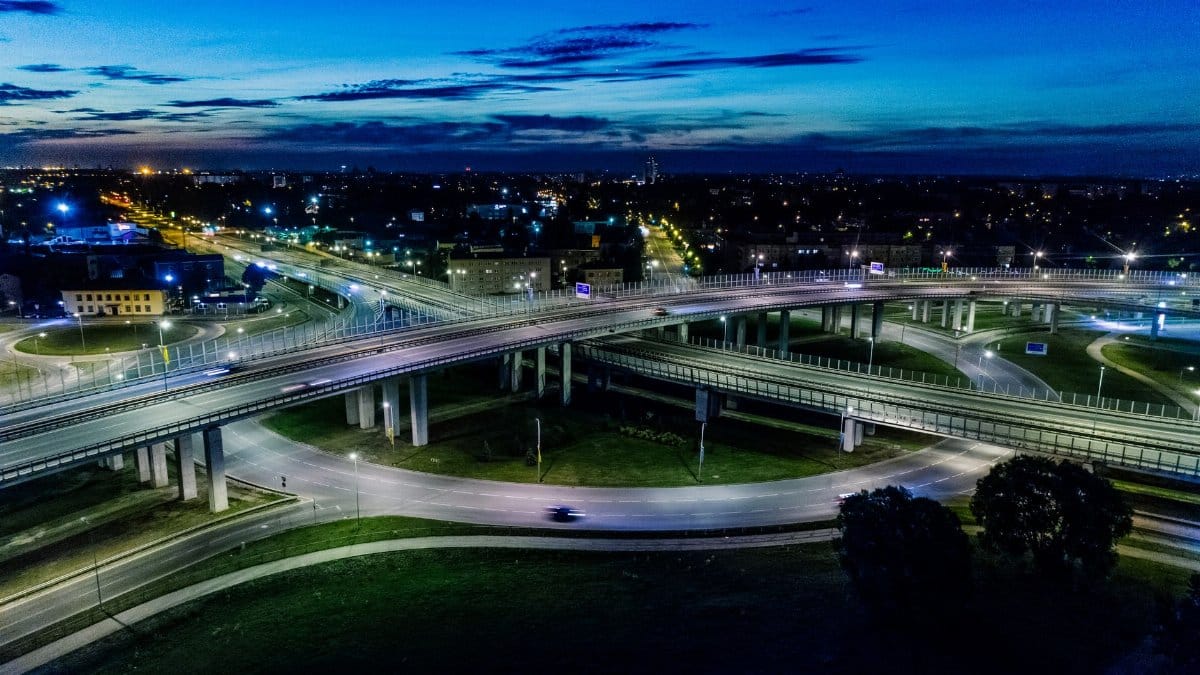
Holiday traffic will matter more than any shower, because rain is not the story. Morning fog can slow bridges and hide brake lights, particularly on stretches that drop toward the water. Leave a margin if the turkey trot and the drive share the same dawn. By afternoon, visibility should improve on most inland freeways even if a bank of cloud still hugs the coast. That is a better window for guests coming from farther out, though the usual bottlenecks do not care about the sun. Outdoor cooking stays reasonable in the 60s if the grill sits out of the wind. Indoor tables remain the safer bet near the ocean until the gray actually leaves. A short walk between meals will feel better after the fog thins than before it does.
What the next sky may bring
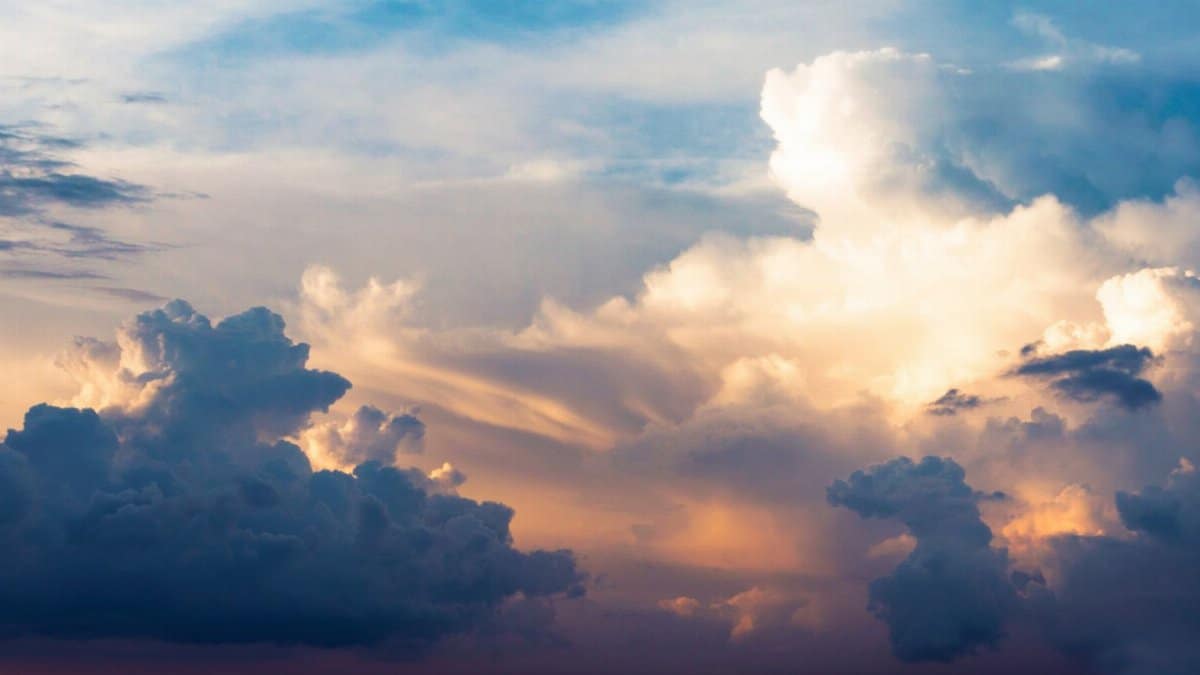
Forecasters watching the holiday pattern tend to treat the split day as the stable idea and the details as the moving parts. A slight shift in wind off the ocean can hold clouds an hour longer or sweep them out before lunch. A weak disturbance passing to the north can add high cloud without delivering rain to city streets. None of that rewrites the basic plan of a damp start and a milder afternoon. The coastal flood concern fades as the king tide cycle eases, though very high tides can linger in memory on the lowest streets for a day or two. People who host on Friday or Saturday should look again in the morning rather than assume Thursday repeats itself. November in this region is loyal to variety.
How to use the day without fighting it

The useful habit is sequencing, not guessing. Put the early errand, the race, and the dog walk in the foggy hours and dress for damp air rather than for the afternoon you hope to get. Plan the long meal, the photos, and the porch conversation for after the sun has had time to work. Keep an eye on low roads near the bay during the peak tide even if the warning sounds dramatic for a sunny hour. Bay Area Thanksgiving weather, in the version expected this year, is a two act day with a wet footnote at the shoreline. It asks for a jacket in the morning, patience at midday, and a little respect for water that rises on a schedule of its own. That is a manageable kind of weather, and a fitting one for a table that fills slowly and stays late.