
On a weeknight in a Chicago apartment, the sound that matters is not the siren. It is the stretch of quiet after someone dials for help and before anyone arrives. That interval has always been the measure families use, even when the city could not produce it cleanly. A new 911 dispatch system is supposed to start the clock itself, recording how long officers take to reach a call without a clerk reconstructing the timeline afterward.
A launch date after years of waiting

City officials have set a full launch for Dec. 7. The promise is straightforward. When a call is entered, the software will follow it through assignment and arrival and store the elapsed time as a matter of routine. For residents who have argued for years that published averages hid the worst waits, automatic capture is the point. A number that appears only after a special request is a number that can be delayed, narrowed, or explained away.
The change will not shorten a drive across a congested corridor by itself. It will make the length of that drive harder to lose. In a city where trust in emergency response rises and falls by neighborhood, the record may matter as much as the radio.
What the software is built to notice
Dispatch work is a chain. A call taker gathers an address and a description. A dispatcher assigns a unit. An officer marks en route and then on scene. Each of those moments can already exist somewhere in a log. The difference is whether the system treats them as a single timed event or as scraps that analysts must stitch together later.
Automatic tracking is meant to close that gap. If arrival is logged when the officer says so, the duration from call entry to that mark becomes a standing field, not a research project. Supervisors can see which calls ran long. Command staff can compare shifts. Oversight bodies can ask for the same file the department already keeps.
That is a narrower claim than a safer city. A timestamp is not a strategy. It is evidence. Evidence is what arguments about staffing, geography, and priority have often lacked in a form the public can inspect.
The contract that outlasted several news cycles

The technology rests on a CentralSquare contract the city signed in 2019, valued at $75 million. That figure has followed the project through budget hearings and neighborhood meetings because the calendar did not move as fast as the invoice. Large public safety software deals rarely do. Interfaces with older records systems, radio practices, and training schedules turn a purchase into a multiyear installation.
Residents hearing the price for the first time may reasonably ask what seven years of preparation bought. The honest answer is infrastructure that most people will never see: screens in a call center, rules for how a call is coded, and a data trail that survives a shift change. Whether that infrastructure earns its cost depends on what the city publishes after Dec. 7, not on the signing ceremony that has already faded.
Why response time became the fight
Police response time is a blunt instrument and still one of the few the public can understand. A person who called about a break in progress does not experience a citywide mean. They experience one night. When official summaries lean on averages, the nights that ran longest disappear into the middle. Automatic logs, if they keep the full distribution, can show the tail: the calls that waited far beyond what any average suggests.
Advocates have long said that those tails are not random. They cluster. A system that timestamps every call makes that claim testable. It also makes official reassurance testable. If leaders say waits are improving, the file should show improvement in the places people actually live, not only in a single comforting figure.
Limits of a clock that starts inside a computer

A careful reader should not treat the new record as a complete portrait of safety. The clock typically starts when a call is created in the system, not when a person first hears a ring. It ends when an officer marks arrival, which depends on radio habit and honesty about what on scene means. A car parked down the block is not the same as an officer at the door.
Priority codes shape the story as well. A delayed response to a low priority call is not the same failure as a delayed response to a person in immediate danger, even if both numbers look bad in a spreadsheet. Without the priority, the address type, and whether the call was cancelled or upgraded, a raw duration can mislead. Transparency that dumps times without context will create a new argument rather than settle the old one.
The people who still decide what the call is
Software does not hear fear in a voice. Call takers do. They decide whether a vague report is a wellness check or something more urgent, and that judgment sets the path the timer will later describe. If the code is wrong, a perfect clock will faithfully record the wrong kind of wait.
That is why training sits beside procurement. Dispatchers working a new screen under old pressure can lose seconds in menus. Those seconds are small beside a cross town drive and large beside a person who cannot breathe. The launch will succeed or stumble in the first weeks according to whether the floor is staffed to learn the tool without sacrificing the ear for the caller.
Geography the average keeps smoothing over

Chicago is not one response problem. Distance, traffic, hospital runs, and how many cars are already tied up on other jobs vary by district and by hour. A citywide figure can improve while a handful of beats stay slow. Automatic tracking is useful only if leaders resist the temptation to celebrate the smooth number and ignore the map.
I have stood on a porch where the wait felt longer than any later explanation, and I have also watched a cruiser arrive faster than I thought the streets allowed. Memory is a poor instrument. So is a single average. A mapped record, released on a regular schedule, is closer to what both experiences need if they are going to be discussed in public rather than in anecdote.
What the public should be able to see
The civic test is publication. An internal dashboard that commanders consult and a public file that journalists and residents can download are not the same achievement. If the 911 dispatch system can compute a duration, the city can decide who is allowed to read it. History suggests that decision will matter more than the brand on the software.
A useful release would include time from call entry to dispatch, time from dispatch to arrival, priority, district, and hour, with personal details stripped out. It would note cancelled calls and officer initiated work so that comparisons stay fair. It would arrive on a calendar, not after a fight over a records request. Anything less leaves the automatic feature as a private convenience.
Vendors, lock in, and the next upgrade

Cities rarely own the full stack they depend on in an emergency. They rent expertise from firms that also serve dozens of other governments. That arrangement can bring a product more mature than anything a single department would build. It can also leave a city waiting on a vendor roadmap when a local practice needs a change.
The CentralSquare deal is large enough that switching later would be painful. That is not an argument against the purchase. It is an argument for contract management that treats data access, uptime, and training as seriously as the initial feature list. A timer that fails on a busy Saturday night is not a technical footnote. It is the night the record goes blank.
How officers will feel the change
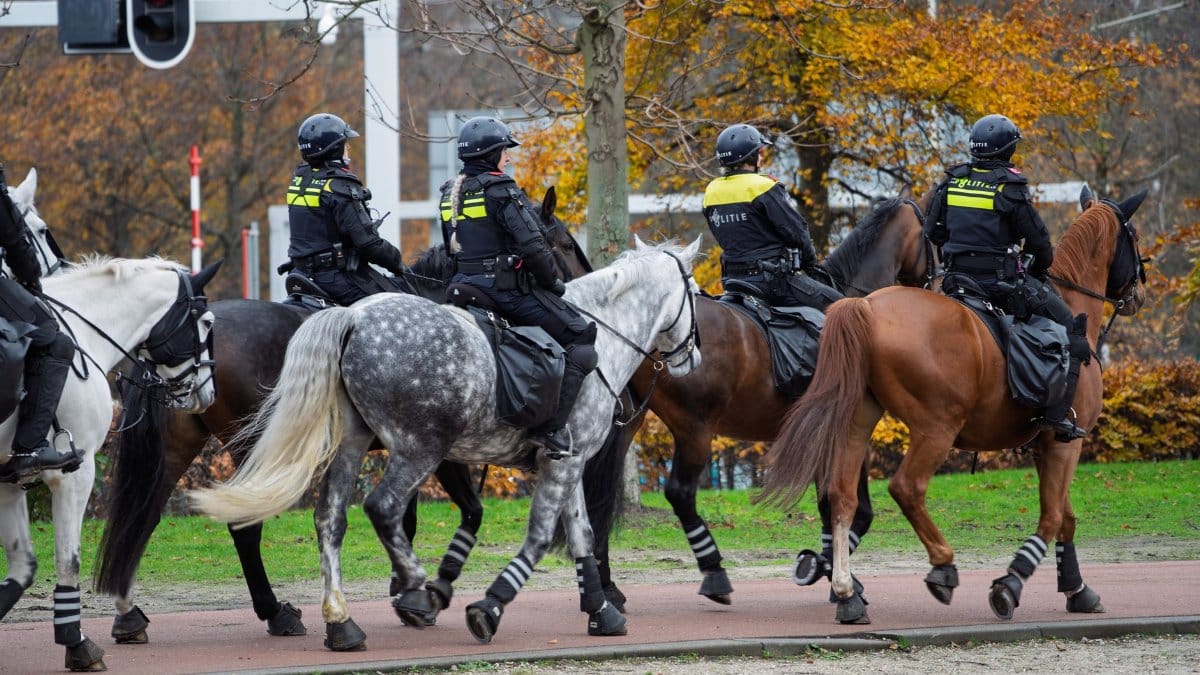
Automatic timing will land differently in a squad car than in a hearing room. Officers already know when a call has aged. A system that makes that age visible to supervisors can sharpen accountability. It can also punish people for traffic, for a previous call that ran long, or for a mark they tapped late because they were at a door. Fair measurement has to separate delay the officer chose from delay the street imposed.
Departments that publish times without explaining those constraints invite a simplistic ranking of districts and shifts. Rankings make headlines. They do not always make better deployment. The better use of the new file is diagnostic: where cars are thin, where calls stack, where a priority rule sends scarce units to the wrong job first.
The first month will not be the verdict
New dispatch software almost always produces odd numbers at the start. Fields get skipped. Old habits collide with new required steps. A spike in recorded wait can mean the city got slower, or it can mean the city finally counted a wait it used to omit. Readers should treat early figures as a shakedown, then watch whether the method stays stable enough to compare month with month.
Stability is the quiet requirement. If definitions change every quarter, the automatic record becomes another moving target. If definitions hold, even an uncomfortable trend is useful. Chicago has spent years arguing about response without a shared clock. A shared clock that keeps the same rules is the minimum this project owes the people who paid for it.
A narrower promise, honestly kept

No dispatch upgrade restores the minute a family already lost. The Dec. 7 launch will not rewrite staffing, prosecution, or the conditions that generate calls in the first place. What it can do is stop the city from treating time as an impression. When the 911 dispatch system records duration as a default, officials lose the shelter of incomplete logs. That is a modest reform. Modest reforms are how large agencies become answerable, if anyone outside the building is allowed to read the result.
Residents should listen for two things after the switch. First, whether calls are still answered and assigned without a stumble that the new screens themselves create. Second, whether the times those screens collect appear in public in a form precise enough to challenge a press release. The siren will still be the sound people notice. The quieter test is whether the wait before it has a number that does not depend on who asks.