
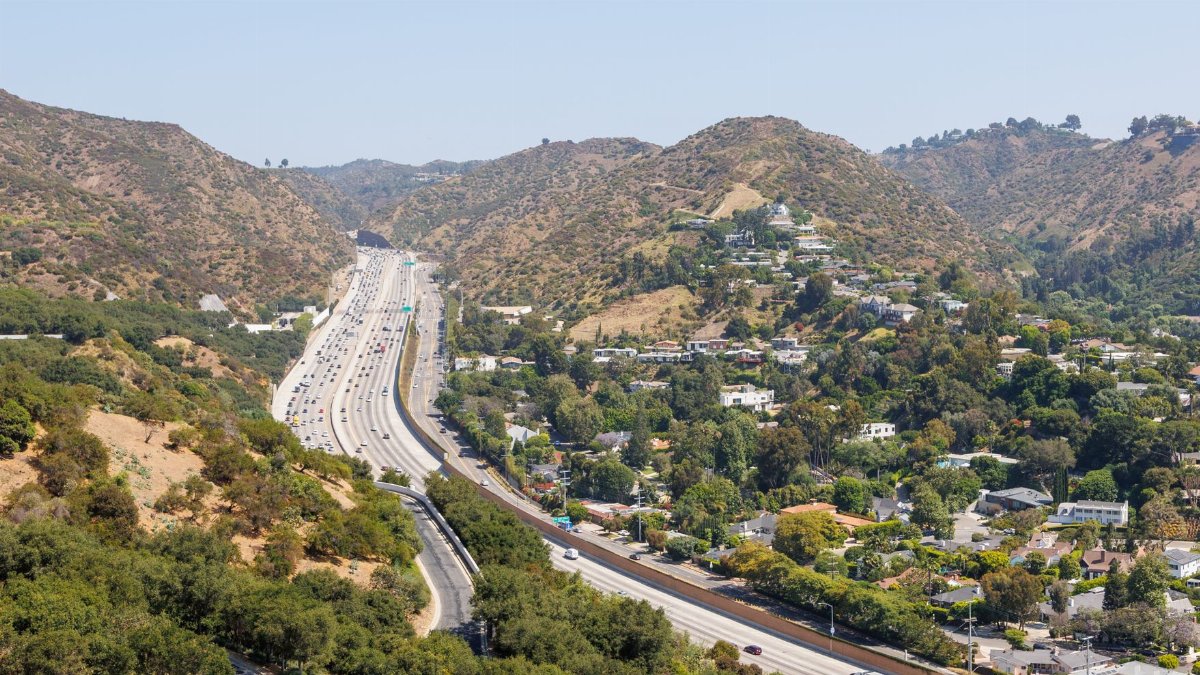
On the Tuesday before Thanksgiving, the 405 through the Sepulveda Pass does not merely slow. It settles into a long, irritable crawl that commutes have trained Angelenos to expect on a Wednesday night instead. A Los Angeles Times review of Caltrans speed records upends that calendar. Thanksgiving 405 traffic is heaviest on Tuesday, not on the evening before the holiday, and Monday is no gentle warm up either.
The myth of the night before

For years the folk wisdom has been simple. Finish the workweek, load the car after dinner, and join the river of brake lights heading toward the Valley, the coast, or relatives inland. Radio traffic reports reinforced the picture. So did the sight of suitcases in office lobbies on Wednesday afternoon. The data tells a less convenient story. The worst congestion on this corridor clusters earlier in the week, when people who can leave decide they would rather not gamble on the traditional departure window.
That shift matters because the 405 is not a scenic detour. It is the main north south spine of the Westside, linking the harbor, the airport approaches, Westwood, the pass, and the San Fernando Valley. When it clogs, parallel surface streets absorb the overflow and the delay multiplies. Drivers who plan around a Wednesday peak are planning around a memory.
What the Caltrans record shows
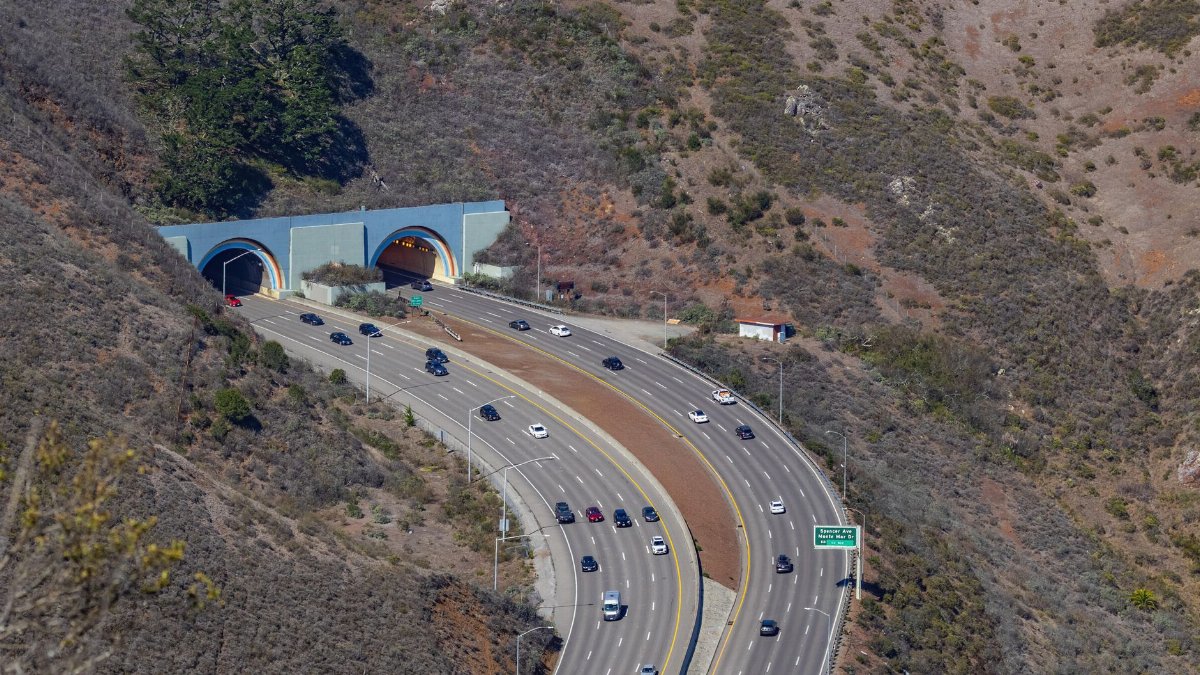
The Los Angeles Times analysis, published with the holiday travel season in view, compared speeds along the freeway rather than relying on anecdote or a single bad afternoon. The pattern is consistent enough to rewrite the advice column. Tuesday carries the heaviest Thanksgiving 405 traffic. Monday also outruns Wednesday. The night everyone dreads is real, but it is not the summit.
Caltrans sensors do not care about family arguments or pie timelines. They record how fast vehicles actually move. Averaged across recent holiday weeks, those readings show the early departures stacking up before the classic getaway. A link to the underlying report is here: the Los Angeles Times account of the Caltrans review.
Why Tuesday wins the jam

Remote work and hybrid schedules changed who can slip out on a Monday or Tuesday without burning a vacation day. Schools often dismiss early in the week. Some offices close Wednesday at noon and treat Tuesday as the last full day, which pushes ambitious travelers to beat that cutoff. The result is a rolling start rather than a single exodus.
There is also a herd effect running in reverse. Once enough people believe Wednesday will be impossible, they leave sooner. Their caution creates the Tuesday jam they were trying to avoid, and it leaves Wednesday looking almost reasonable by comparison. Almost. Nobody should confuse a relative improvement with an open road.
Monday is not the secret escape

The same records undercut another comforting idea, that Monday is still ordinary. It is not. Volumes rise as soon as the long weekend comes into view. Freight does not vanish because families are packing. Airport runs begin early. People who live far from relatives treat Monday as the only sane day to move. On the 405, those trips share lanes with the regular Westside commute, which was never light to begin with.
Drivers who tell themselves they will beat the rush by leaving Monday evening often meet a freeway that has already absorbed the first wave. The pass, with its limited exits and long grades, has little room to absorb a surprise. A stalled truck or a minor fender bender on that stretch can erase whatever advantage an early start seemed to offer.
Wednesday still punishes the unprepared

None of this is an invitation to treat Wednesday as a free lane. The evening before Thanksgiving remains slow, especially where local errands, grocery runs, and last flights overlap. The point of the analysis is comparative. Wednesday is bad. Tuesday is worse. Monday can be worse than Wednesday too. Anyone building a plan around a single cursed night is using an outdated map.
Weather and incidents still dominate any one year. A storm in the Grapevine, a SigAlert in Culver City, or a lane closure near the airport can scramble the averages. The value of the multi year look is that it reveals the baseline beneath those shocks. The baseline has moved earlier in the week.
How a corridor this famous stays this stuck

The 405 earned its reputation long before hybrid work. It carries airport traffic, port related trucks on the southern stretch, university calendars, and some of the densest job centers in the region. Widening projects have added lanes and still met induced demand, the old pattern in which new capacity fills because the trip becomes briefly easier and then everyone notices. Holiday weeks simply lay that structure bare.
Alternatives are limited in a way that feels personal when you are in it. Sepulveda Boulevard parallels the pass but cannot absorb freeway volumes. The 101 and the 5 serve different destinations. Rail helps some airport and downtown trips and does little for a trunk full of serving dishes bound for a house in the Valley or Orange County. For many households, the car remains the only realistic tool, which is why the timing of departure is the only lever most people can pull.
A better way to read the week

If the goal is to spend less time stopped on Thanksgiving 405 traffic, the useful question is not which night is cursed. It is which hours still move. Early morning departures, including those that feel antisocial, consistently beat late afternoon on every day of this week. Midday gaps exist, though they shrink as the holiday nears. Returning on Friday morning often beats Sunday afternoon, a separate misery the Tuesday finding does not cancel.
Travel apps are useful if you treat them as snapshots, not prophecies. A green line at 9 a.m. can be red by 10. Checking again before you lock the door is worth more than a plan made on Sunday. So is a backup route you have actually driven, not one you invent while already trapped.
What agencies can and cannot fix this week

Caltrans and local police can stage tow trucks, keep construction out of peak hours, and push incident clearance. They cannot redistribute a million private decisions about when to leave for dinner. Messaging that still centers Wednesday as the danger day may even be counterproductive if it nudges more people onto Tuesday. Honest public guidance would name the earlier peak and the Monday surge alongside the familiar Wednesday warning.
Longer projects, from better incident response to transit that actually competes on time, sit outside a holiday week. They are the real answer, and they are slow. Until they arrive, the honest counsel is modest. Leave earlier than your instincts, or later than the crowd, and do not trust the story you inherited from a commute ten years ago.
The pass as a yearly referendum

Every November the 405 becomes a referendum on how the region moves when ordinary schedules bend. The cars inching through the pass are not a moral failure. They are people trying to be in two places, work and family, with a road network that was never built for both at once. The new information is simply about when that collision happens.
Seeing Tuesday clearly does not make the drive pleasant. It does spare you the special frustration of having done everything right according to an old rule and still sitting still. Thanksgiving 405 traffic rewards the driver who updates the rule. The freeway will not.
Small choices that still change the afternoon
Pack the night before so the departure is a decision, not a scavenger hunt. Put the slowest traveler, often a child or a grandparent, on a clock you can actually meet. If your destination is south of the pass, ask whether a later Tuesday morning beats a Monday dusk. If you must cross on Wednesday, aim for the shoulders of the day rather than the hour when offices empty.
None of these tactics repeal geometry. They only work at the margin, and the margin is where most of us live. A half hour saved is a half hour at a table instead of a guardrail. That is a modest victory, and on this freeway modest victories are the ones on offer.
After the plates are cleared

The return trip deserves the same skepticism. Sunday carries its own legend, and it often earns it, especially toward evening as flights land and visitors reverse course. Friday can be kinder. Saturday sits in between, crowded with errands that have nothing to do with your plans and everything to do with your speed. The holiday does not end when the turkey does. It ends when the last car clears the pass.
Next year the sensors will count again. If hybrid work keeps its current shape, Tuesday is likely to remain the surprise peak that is no longer a surprise. If offices snap back to five full days, Wednesday may reclaim the crown. Either way, the lesson from this season is portable. Belief about traffic lags the road. The road, indifferent and well measured, has already moved on.