

On a street west of Lake Worth, a homeowner stood in water that still smelled of canal mud and tried to remember which drawer held the insurance folder. The power had been out long enough for the refrigerator to fail. Neighbors compared water lines on drywall with the weary humor people use when they are not ready to cry. For many of them, the practical next step is FEMA assistance, the federal help that opens after a disaster declaration and can pay for some uninsured losses, temporary housing, and other essential needs.
What the declaration actually unlocks
A federal disaster declaration is not a symbolic gesture. It is the legal switch that lets the Federal Emergency Management Agency spend money on individual aid in named counties. For Palm Beach County, that means residents and some business owners can seek help tied to this flood, not to a storm from another year and not to damage that predates the incident period. The declaration also sets the clock. Application windows are finite, and they are published with the announcement rather than left to local rumor.
County emergency managers and city building officials still handle permits, debris rules, and road closures. Federal aid does not replace those local duties. It sits beside them. People who assume the county will file on their behalf are often disappointed. Registration is an individual act, even when a whole block looks the same from the air.
Who should register, including people who expect a no

Homeowners, renters, and people staying in condos or mobile homes should all consider registering if the flood harmed where they lived. Ownership is not a requirement for every kind of help. A renter may need money for essential items, temporary lodging, or a move, while the landlord pursues a separate claim for the building. People who are underinsured should register too. A flood policy that falls short of the repair bill does not automatically close the door.
Citizenship and immigration status can affect eligibility, and the rules are more precise than social media threads suggest. In some disasters a household may qualify through an eligible member, including a child. The only safe course is to read the criteria attached to this declaration and to answer application questions honestly. Guessing, or letting a stranger fill the form, creates problems that are harder to undo than a slow afternoon on the phone.
Three ways to file, and why speed still matters

Applicants can start at DisasterAssistance.gov, through the FEMA mobile app, or by phone at 1 800 621 3362. The line is often busy after a Florida flood, especially in the first days, so early morning and late evening tend to move faster. Operators can help in several languages. Have a pen ready. The confirmation number is the thread that ties every later letter, inspection, and appeal to the same file.
Online filing lets people upload photos as they go, which is useful when a phone battery is the only thing still working. The app is a reasonable backup if a laptop is soaked. None of these channels is informal. A text from an unknown number, a link in a neighborhood chat, or a pop up that asks for a banking password is not the application. If a site address looks off by a single letter, close it and type the official address yourself.
The short list of facts that keep a file moving
A strong application is mostly ordinary information gathered before the stress peaks. Social Security numbers for the adults in the household, a current phone number, an email address that will be checked, and a mailing address where letters will actually arrive all matter. If the home is unlivable, use a relative’s address or a post office box and say so. Insurance details belong in the file even when the carrier has not finished its estimate. Describe the damage in plain sentences: how high the water rose, which rooms were hit, whether the power system, the air conditioner, or the car was lost.
Direct deposit is faster than a mailed check, but only if the routing and account numbers are correct. Photos taken before cleanup, if it is safe to take them, are worth more than a vivid retelling a month later. Keep receipts for tarps, pumps, hotel rooms, and emergency repairs. Those papers do not guarantee payment. They do give an inspector and a reviewer something firmer than memory.
What the money is meant to cover

Federal help for individuals is narrower than many people hope, and saying that plainly saves later anger. It is aimed at making a home safe, sanitary, and functional, not at restoring every finish to a magazine standard. Depending on the disaster and on what insurance already pays, aid may include a limited amount for urgent needs such as food, water, medicine, and other essentials, help with temporary housing, and grants toward basic repairs or replacement of necessary personal property. Amounts are set for the specific declaration. They are not negotiated in a driveway.
Cosmetic upgrades, long deferred maintenance, and damage outside the incident period are common reasons for a smaller award or a denial. A collapsed ceiling caused by this flood is a different fact from a roof that was failing for years. Inspectors are trained to look for that distinction. Residents who walk the house with the inspector, or who designate a trusted person to do so, usually understand the result better than those who hear about it secondhand.
Housing when the house is still wet

The hardest cases are not always the ones with the highest water line. They are the ones where mold is already in the walls, the elevator in a condo tower is dead, or a rental is condemned and the lease is suddenly meaningless. Temporary housing aid can cover a hotel or a short rental while repairs proceed, within program limits and for a limited time. It is not a new permanent address paid for indefinitely.
If you cannot live at home, say that clearly in the application and update the file when your situation changes. A relative’s spare room may solve tonight and still leave you eligible to document displacement. Keep every hotel folio. If a local shelter or a county housing office places you somewhere, ask for a written note of the dates. Paper is dull. Paper is also how a later reviewer sees that you were not simply traveling.
Insurance first, then grants, then loans
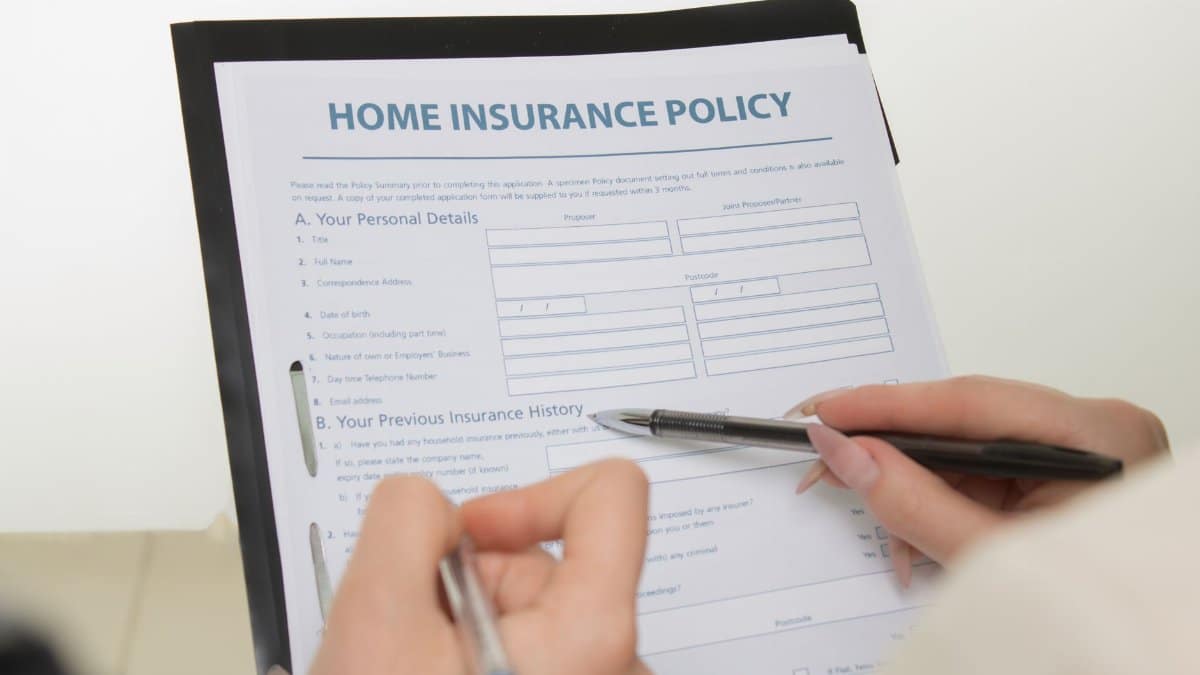
The sequence confuses people because the letters arrive out of order. Insurance is still the first payer for covered losses. Federal grants are generally for uninsured or underinsured costs that the program recognizes, not a second full recovery stacked on a settled claim. If you have not heard from your carrier, register anyway and send the insurance decision when it comes. Waiting for a perfect packet is how deadlines get missed.
Separately, the Small Business Administration offers disaster loans that can serve homeowners and renters as well as firms. A loan is not a grant. It must be repaid, and the interest and terms belong in any honest conversation at the kitchen table. People sometimes decline to complete an SBA application because they do not want debt, which is a fair personal choice. In some cases, though, finishing that step is what allows other grant options to be considered. Read the letter before you set it aside. The sentence that looks like a sales pitch may be a required fork in the process.
When the letter says no

A denial is an answer, not always the last answer. Common problems include a missed inspection, an address that does not match county records, an insurance settlement that seemed to cover more than it did, or damage the inspector could not see because the water had been pumped out and the walls already gutted. If you disagree, the appeal window is short and it is printed on the decision. Use it. Explain the facts, attach photos, contractor notes, and any insurance correspondence, and refer to your registration number on every page.
Calling a local official can help you understand a building rule. It does not replace the appeal. Friends can proofread. They should not invent damage. If FEMA assistance was denied for a reason you can fix with documents you already have, the appeal is often more productive than starting rumor about a secret second program. There is no secret second program. There is a file, a deadline, and a reviewer who was not in your living room.
The fraud that follows high water

Disasters attract contractors who vanish after a deposit and callers who pretend to be federal employees. Real agency staff will not ask for your full banking password, a gift card, or a fee to speed an application. The application itself does not require payment. If someone at your door claims to be an inspector, ask to see identification and feel free to call the published help line to confirm the visit before you let a stranger through the house.
Home repair contracts deserve the same caution you would use on a calm Tuesday, only more so. Get the scope in writing, resist pressure to sign away insurance checks, and check licensing with state and county records. Report suspicious federal impersonation through the official channels listed on fema.gov rather than through a link a stranger texts you. Shame keeps people quiet after a scam. Quiet is what the next scheme counts on.
Congregations, charities, and the gap federal aid will not fill
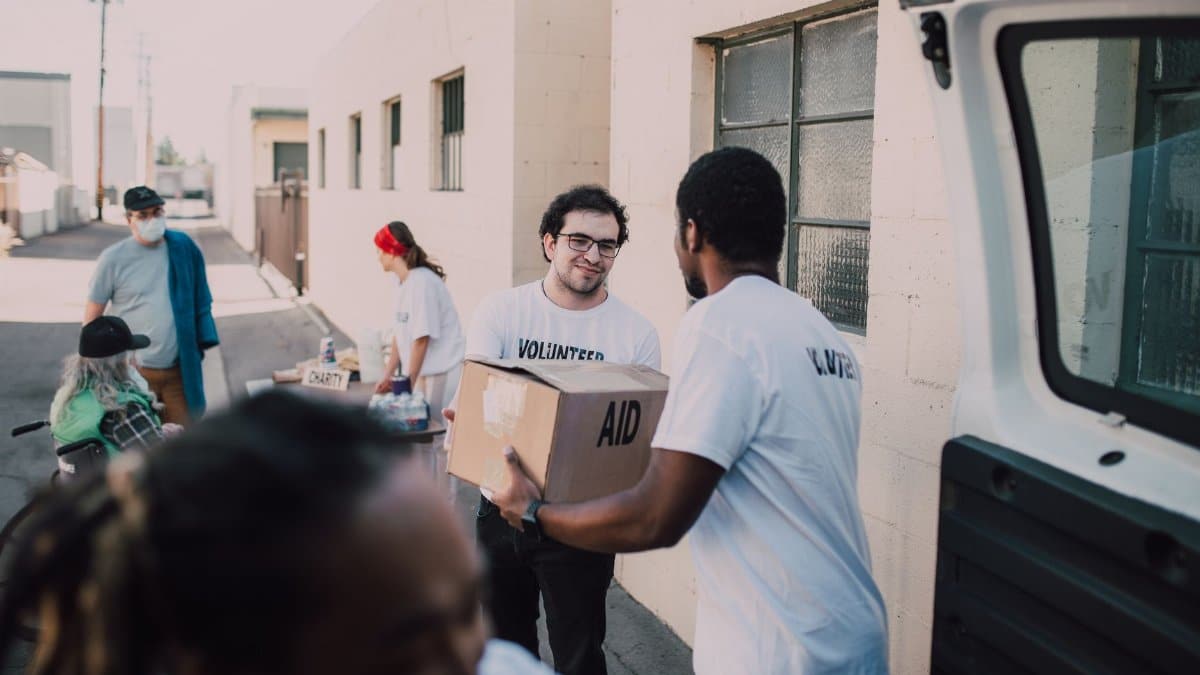
In Palm Beach County, as in much of the country, the first hot meal and the first dry socks often come from a church hall, a synagogue, a mosque, or a volunteer group that already knew the block. That work is not a substitute for registering with the federal government. It is what happens in the days when grants have not been decided and a family still needs diapers, a ride to a pharmacy, or a place to charge a phone. Clergy and lay leaders who keep simple logs of who received what can also help residents reconstruct a timeline later, without turning private hardship into gossip.
Faith communities are at their best here when they stay practical and modest. A fellowship hall with cots is a mercy. A promise that prayer will replace paperwork is not. The residents who fare best tend to accept both kinds of help without confusing them: neighborly care for the immediate hour, and a formal application for the losses a volunteer kitchen cannot underwrite.
A week of small, useful moves

If your home was flooded, drink safe water, avoid standing in contaminated rooms if you can, and photograph what you must before mold and demolition erase the evidence. Then register, even if you feel underqualified or overinsured. Write down the confirmation number in two places. Tell your insurer you have applied. Ask the county about disposal rules before you pile soaked drywall at the curb, because a well meant cleanup can violate a local order.
Check the official disaster page every few days rather than trusting a forwarded screenshot. Deadlines, inspection schedules, and document requests change. If a letter arrives that you do not understand, call the number printed on it or the main help line and ask for a plain explanation. Bring a patient friend if the vocabulary is thick. None of this restores the smell of a house or the lost photographs in a lower drawer. It does give the recovery a spine, which is all any public program can honestly offer after the water leaves.