
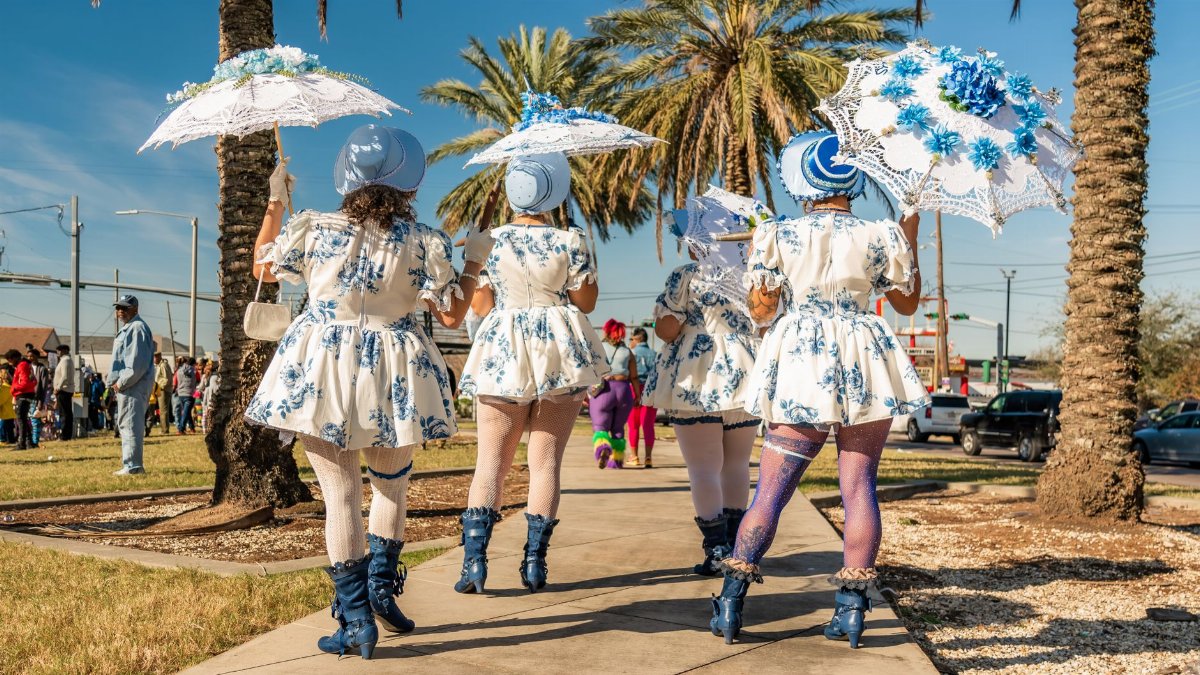
On a humid July afternoon, the French Quarter usually belongs to brass bands, second lines, and a crowd that treats the holiday weekend as both reunion and pilgrimage. That rhythm is now in question. Organizers have indicated that the Essence Festival will not come back to New Orleans, and Houston has stepped forward as a possible host for 2027. Mayor John Whitmire says the city is already in talks. For a gathering that has shaped Black cultural life for three decades, a change of address is not a scheduling note. It is a test of what a festival carries when it leaves the city that made it famous.
The weekend that became a landmark
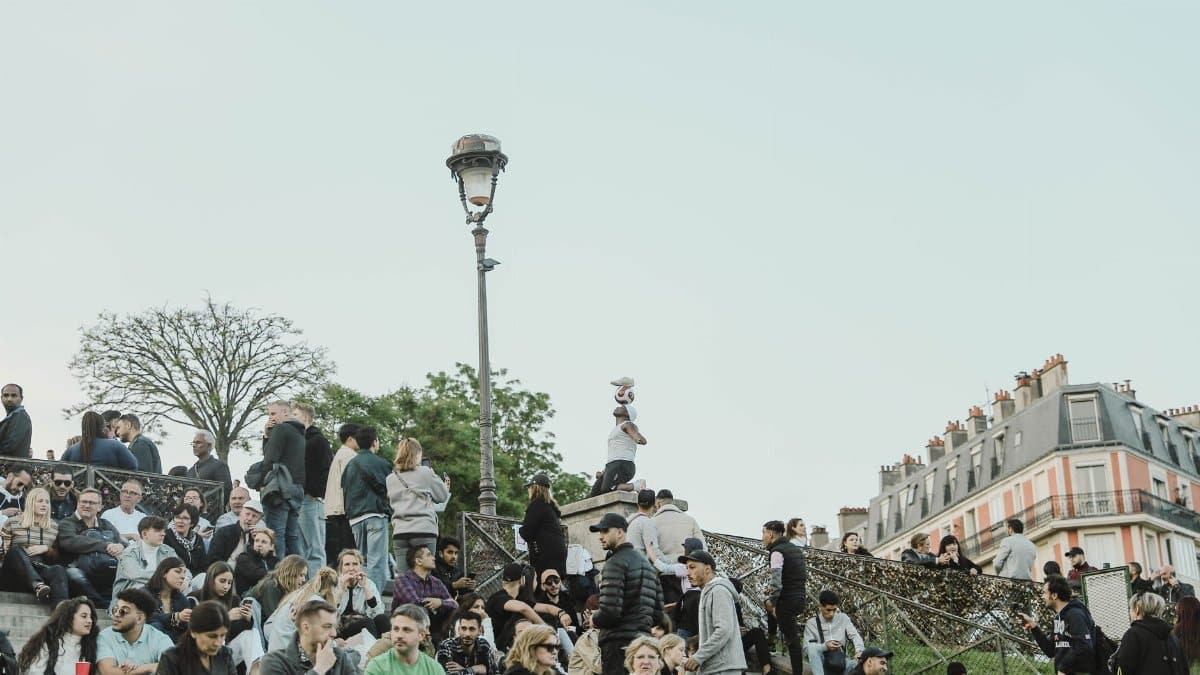
For years the event has occupied the days around Independence Day, filling arena corridors, hotel lobbies, and side stages with concerts, panels, and a marketplace that feels like a city inside a city. People plan family trips around it. Alumni groups reserve blocks of rooms months ahead. Stylists, pastors, entrepreneurs, and first time visitors share the same sidewalks. The point was never only the headliners. It was the density of recognition, the sense that a national audience had assembled in one place to see itself reflected in music, fashion, business talk, and ordinary joy. A move threatens that density only if the new setting cannot hold it. The name can travel. The feeling has to be rebuilt.
Why leaving New Orleans is not a small matter
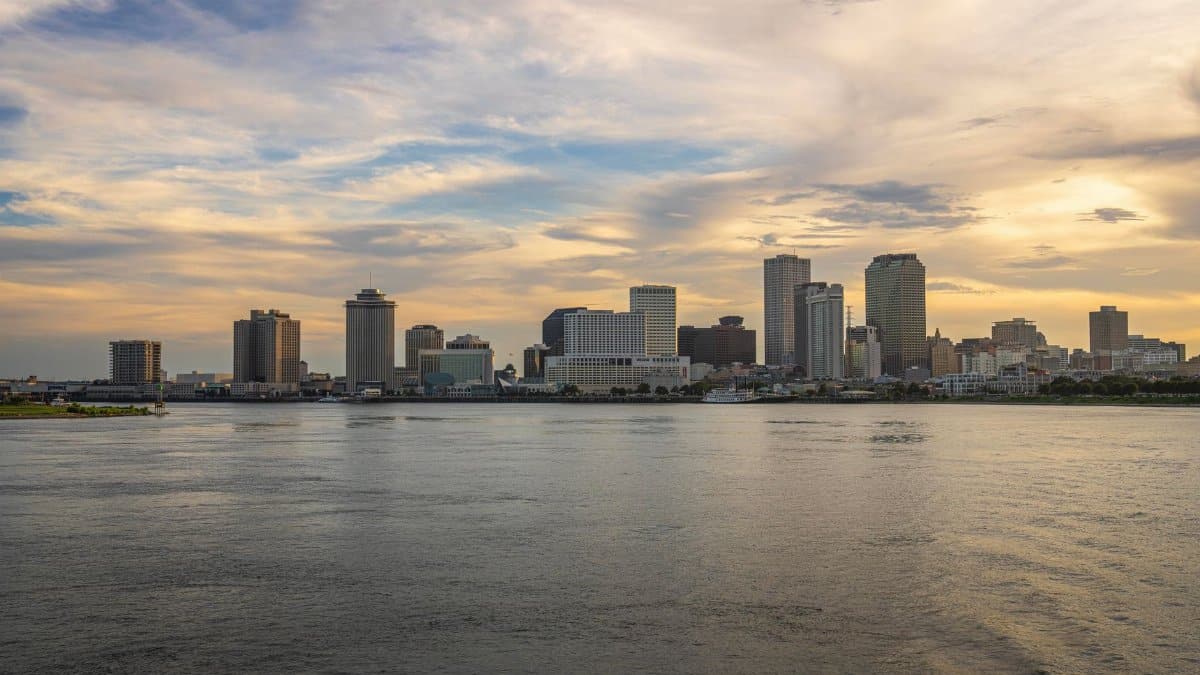
New Orleans gave the gathering a setting that no brochure could invent. The food, the music history, the walkable nights, and the July heat were part of the product. Fans did not only buy tickets. They bought a version of the city, from a late plate of red beans to a brass band that had nothing to do with the official schedule. If the event moves, organizers will have to decide which parts of that experience were essential and which were borrowed from the host. Houston can offer scale, airports, and a Black population with deep civic institutions. It cannot offer the Quarter. Pretending otherwise would insult both cities and disappoint the people who came for a particular kind of night.
Houston puts its name forward
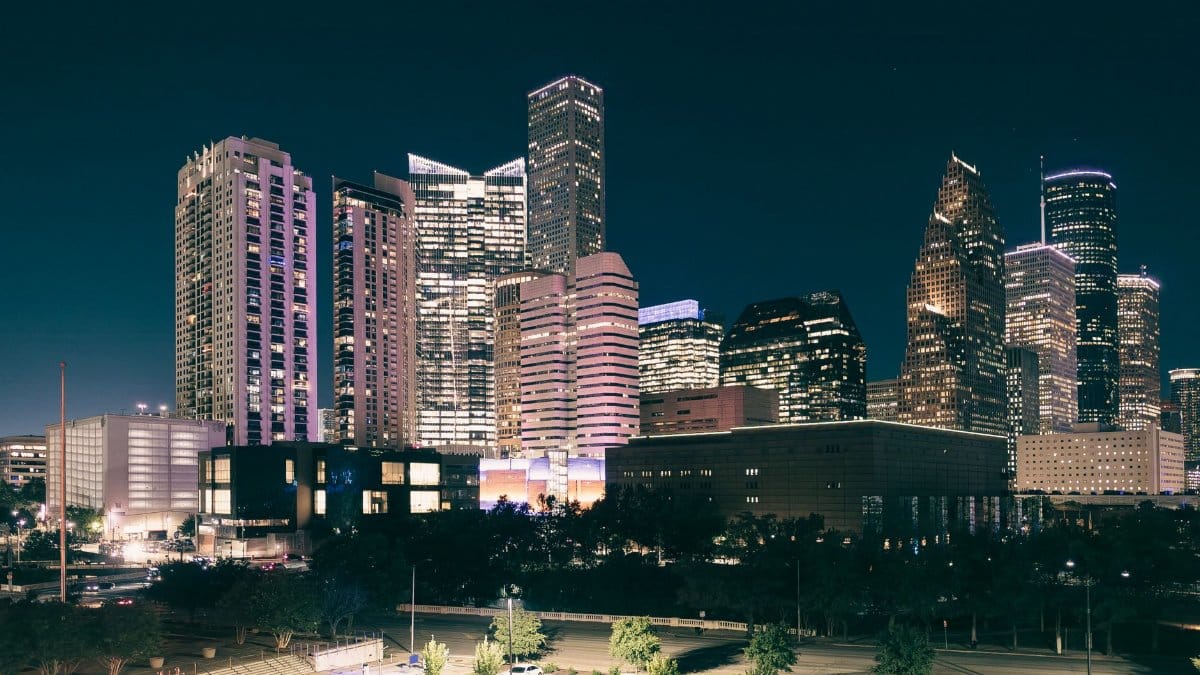
Houston has spent years arguing that it is more than energy companies and freeway miles. The theater district, the museum campus, Third Ward, and a food scene that draws national attention already support large conventions. Hosting the Essence Festival would ask for something more specific: hotels that can absorb a sudden surge, transit that does not strand visitors, and a central footprint where people can move between music and conversation without a long car ride. City leaders appear willing to make that case in public and in private. Whether the calendar, the venues, and the money align is the work that happens away from the cameras, in spreadsheets and site walks that rarely make the evening news.
What Whitmire has put on the table

Public comments from the mayor have been measured, which is the right register for a deal that does not yet exist. He has signaled interest and confirmed that conversations are underway. Interest is not a booking. A booking requires dates, insurance, public safety plans, and a clear split of costs between organizers and the host. Houston has staged Super Bowls, Final Fours, and international conventions. Those events prove that the city can move crowds and stand up temporary operations. They do not prove that this particular audience will feel looked after rather than processed. Readers should treat the current news as an opening bid. A contract, if it comes, will be the document that matters.
Money, rooms, and the July squeeze

Large festivals move money in plain sight and in quieter ways. Restaurants extend hours. Rideshare prices jump after the encore. Churches and alumni clubs host satellite gatherings that never appear on the official poster. Hotels are the clearest ledger. A city that cannot guarantee rooms within a reasonable distance will lose the casual visitor and keep only the most determined fans. Houston hotel stock is one of its stronger arguments, spread across downtown, the Galleria, and the medical center. The question is whether those rooms sit near the stages or across a freeway that turns a night out into a commute. Until a host agreement exists, impact figures are estimates with a publicity department attached.
A gathering with a spiritual current

Part of the Essence Festival pull has always mixed entertainment with a search for meaning. Gospel lineups, wellness sessions, and conversations about purpose sit beside arena shows. That mix is why a possible move belongs in a conversation about spiritual life as well as tourism. People do not travel only for a song list. They travel to be among others who share a history, a style of worship, or a private hope they do not always name out loud. Houston churches, mosques, temples, and quiet rooms already form a dense map of belief. A visiting festival would not replace that life. It might brush against it, in a morning service, in a prayer before a show, in the hush of a hotel room after a long night.
What audiences would have to relearn

Loyalty is a habit built from small pieces of knowledge. Fans know which New Orleans streets hold water, which clubs stay open late, and which cousins can offer a couch when the hotels sell through. A Houston edition would ask them to learn a different city: longer distances, a different table of food, a skyline instead of a river bend. Some will treat that as an adventure and book early. Others will skip a year and wait to see whether the feeling survives the change of zip code. Organizers understand this risk even when they do not say it at a podium. A brand can relocate on a press release. A ritual is harder to pack into a road case and trust to a new loading dock.
The practical tests that decide a host

Before any poster goes up, staff will walk loading docks, count emergency exits, and ask whether summer storms will wash out an outdoor marketplace. Police and fire departments will want a plan that does not drain everyday coverage in neighborhood beats. Artists will want hotels close enough that an early evening call time is realistic. Vendors will want foot traffic, not a satellite lot that feels like exile from the party they paid to join. These details sound dull until one of them fails in public. Festivals are remembered for the headline act and judged, in group chats and family debriefs, on whether a grandmother could find a seat, a fan, and a bathroom without a crisis.
New Orleans after a departure
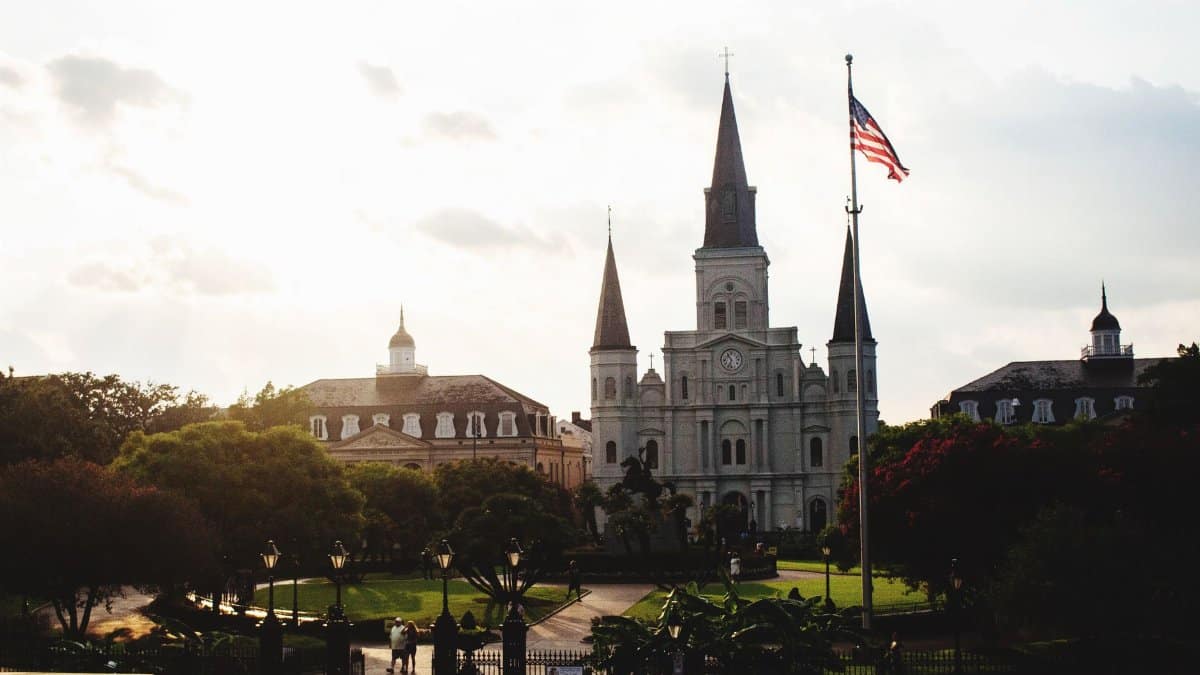
If the Essence Festival leaves, New Orleans does not go quiet. The city still has Jazz Fest, Mardi Gras, and a music economy that does not depend on a single brand or a single weekend. Still, losing a signature July stretch would open a gap in hotel books and in the civic story the city tells about itself. Restaurants, braiders, drivers, and stagehands who geared up for that crowd each year will feel the absence in a specific week, not as an abstract trend on a chart. Some will hope for a later return. Others will look for replacement events. Cities rarely admit how much of their identity is rented from visitors who could, in another summer, rent it somewhere else.
The readers who built the meeting place

The franchise began as a magazine and became a meeting place. Readers who found language for beauty, work, politics, and family in its pages later found one another in person, sometimes for the first time, in a lobby or a panel tent. That origin still matters more than any single booking announcement. A festival detached from that readership can book stars and still feel hollow, a tour that borrowed a trusted name. Houston media, bookstores, colleges, and civic groups could extend the conversation past the main stage, if organizers invite them in rather than parking a traveling production on top of the city. Partnership is slower than a lease. It is also how a visiting event starts to belong to the people who already live there.
What 2027 will actually prove

Two summers is a long time in civic politics and a short time in festival planning. By 2027, contracts will have answered the questions that careful statements leave open. Fans will have decided whether to buy flights or stay home. New Orleans will have tested a July without this particular crowd. Houston will have learned whether desire was the same thing as readiness, and whether welcome can be built as carefully as a stage plot. None of that requires a verdict today. It does require honesty about what is known. Talks are underway. A return to the familiar host is not expected. A great city is asking to be trusted with the Essence Festival, a tradition that was never only a show, and the answer will be written in rooms, streets, and the faces of people who decide to come.