
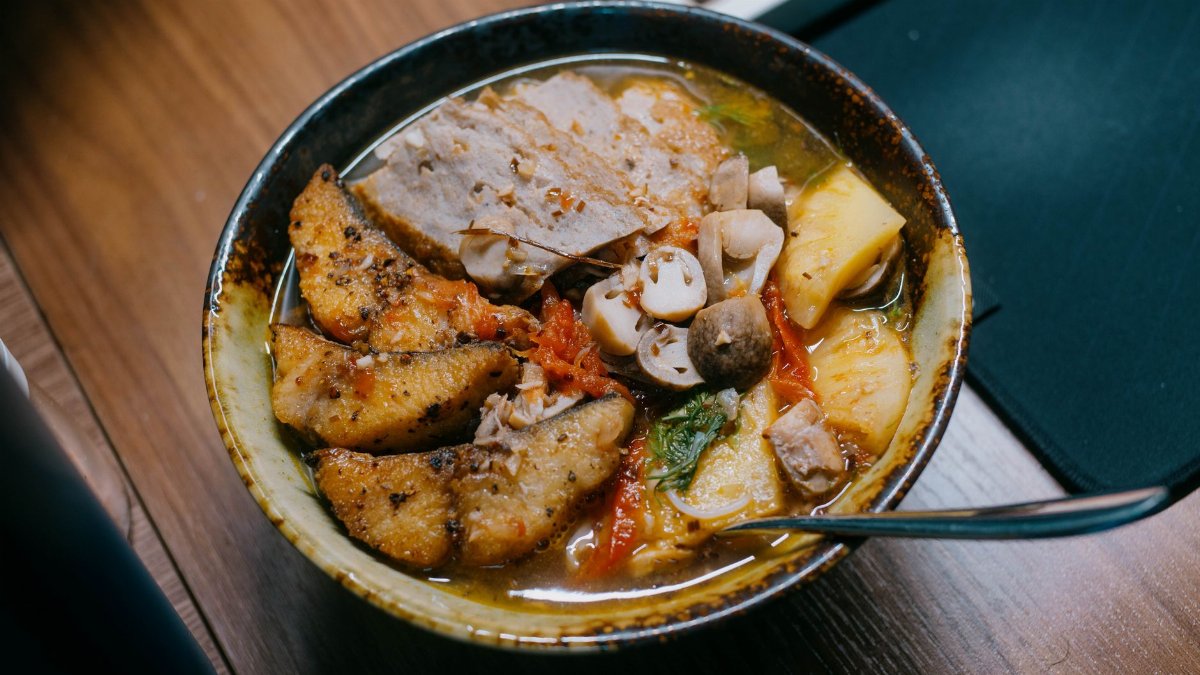
On a weeknight when the parking lot outside a Minnetonka strip still holds the last of the commuter cars, steam from a bowl of noodle soup fogs the window before anyone has taken a seat. Inside, the menu reads like a roll call of dishes people already know from family kitchens and busy counters, except the protein that usually anchors them is gone. Thanh Luong, a Vietnamese vegetarian restaurant in this western suburb, has been winning a quieter kind of loyalty by cooking those classics without meat, and by treating the absence as a craft rather than a compromise. The room does not announce itself with spectacle. It announces itself with broth, herbs, and the small decision to keep eating the food of memory after the meat has left the pot.
A room that feels familiar before the first bite

Suburban dining rooms often try to solve a problem of expectation. Drivers want something recognizable after a long day, and they want it without a lecture. Thanh Luong meets that mood with wood tones, a steady pace of service, and plates that look like the Vietnamese meals many Twin Cities residents already order on weekends. The difference shows up in the fine print and then, more importantly, in the mouth. There is no beef sinking into the noodles. There is no pork piled into the sandwich. What remains is the architecture of the cuisine: aromatic liquid, sharp herbs, pickled vegetables, warm bread, and sauces that carry salt, sweetness, and char.
Kim Nguyen and Dan Thai run the place with the practical confidence of people who know their customers will compare every bowl to a version they loved somewhere else. That comparison is not a threat if the kitchen understands why the old version worked. Texture, temperature, and aroma do more work than any slogan about wellness. A guest can sit down for comfort and leave having eaten a fully vegetarian meal without feeling managed.
Partners who treat classics as a responsibility

Nguyen and Thai did not invent Vietnamese cooking, and they do not pretend to. Their task is narrower and harder: keep the classics legible when a central ingredient is removed. In a cuisine built on broths, grilled meats, and fish sauce, subtraction can flatten a dish unless something else is asked to carry weight. Mushrooms, fried tofu, seasoned wheat gluten, and crisp vegetables are not decorations here. They are structural. They have to brown, drink up sauce, and survive the steam of a closed container on the drive home.
Running a Vietnamese vegetarian restaurant in a suburb also means explaining the menu without turning dinner into a seminar. Some guests arrive already committed to meatless eating. Others arrive because a friend insisted the sandwich was worth the trip. The staff can describe a bowl in plain language. The kitchen then has to prove the description. That sequence, explanation followed by evidence, is how skepticism usually softens.
Pho that stands without the usual bones
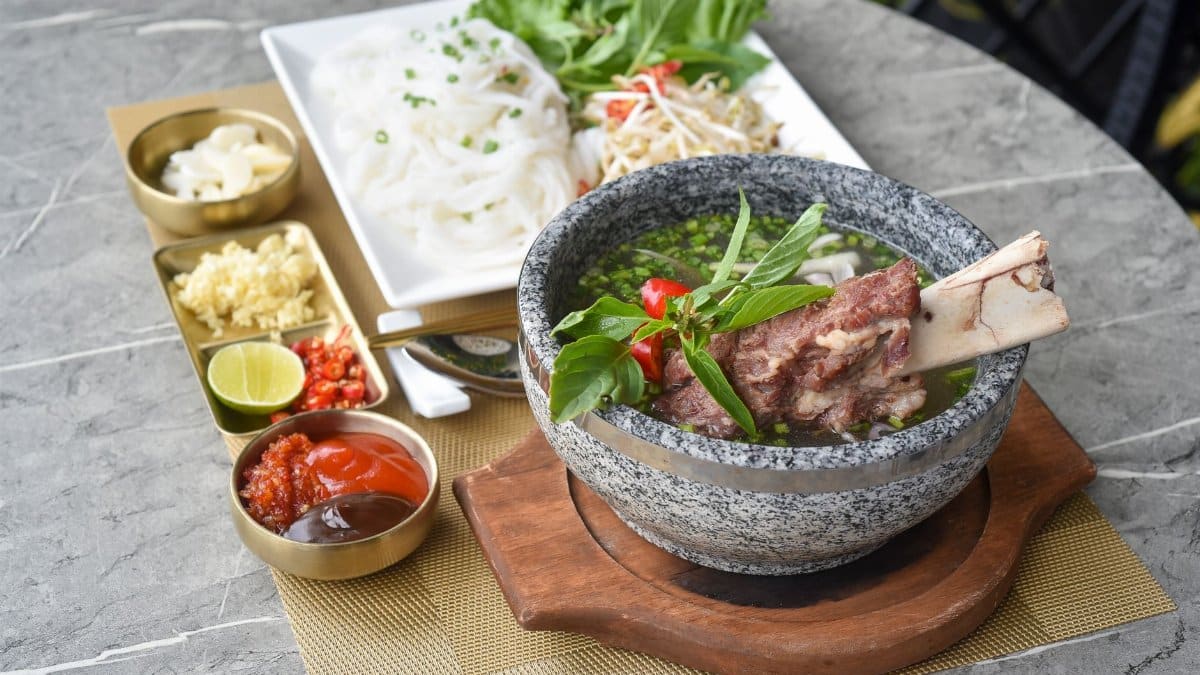
Pho is the test that exposes shortcuts. A meat broth can hide timid spicing because marrow and roasted bone supply depth on their own. A vegetarian broth cannot borrow that depth. It has to be built from onion, ginger, spices, and the savory products of plants and fungi, simmered long enough that the liquid tastes finished rather than assembled. At Thanh Luong the bowl still arrives with the expected ceremony: hot broth, rice noodles, a plate of herbs, lime, and chili so the guest can tune the last notes.
What changes is the center. Instead of slices of beef, there may be tofu, mushrooms, or other savory pieces that take on the broth without turning to mush. The first spoonful tells you whether the kitchen respected the form. If the star anise is loud and the ginger is shy, the bowl feels costume like. If the spices sit in balance and the noodles stay distinct, the absence of meat becomes a fact rather than a loss. Regulars often order it again for that reason. They are not chasing novelty. They are chasing a weeknight bowl that still tastes like pho.
Banh mi with the crunch left intact
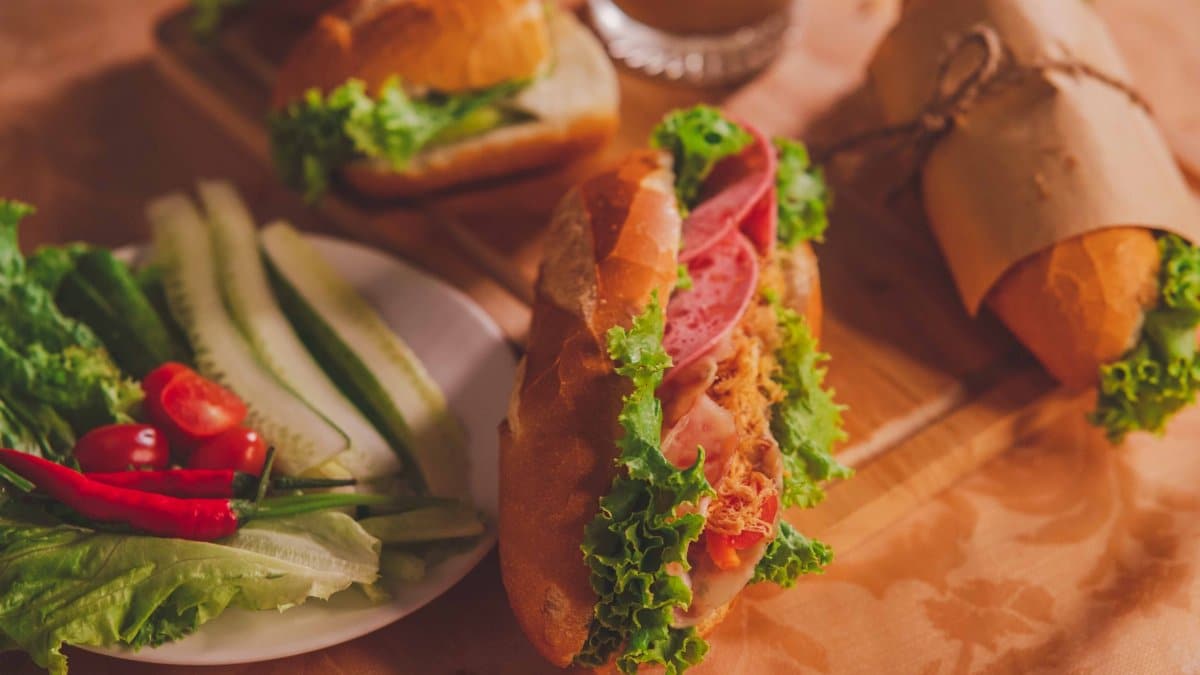
The banh mi is a study in contrast, and contrast survives the removal of meat better than people expect. A crackling roll, a swipe of mayonnaise, pickled carrot and daikon, cucumber, cilantro, and chili already supply much of the pleasure. The filling has to match that brightness with something savory and a little rich. Vegetarian kitchens often turn to grilled tofu, seasoned gluten, or vegetables cooked until they take on color. The mistake is to load the bread with so many soft items that the sandwich collapses into a salad.
A successful version keeps the roll warm, the pickles cold, and the main filling firm enough to bite. Nguyen and Thai appear to understand that a sandwich is an argument about texture as much as taste. Guests who grew up with pork banh mi will notice the missing fattiness. Guests who stay for a second visit often stop measuring the gap and start noticing the chili heat against the sweet pickles. That shift, from comparison to appetite, is the real review.
Jicama standing in for ribs
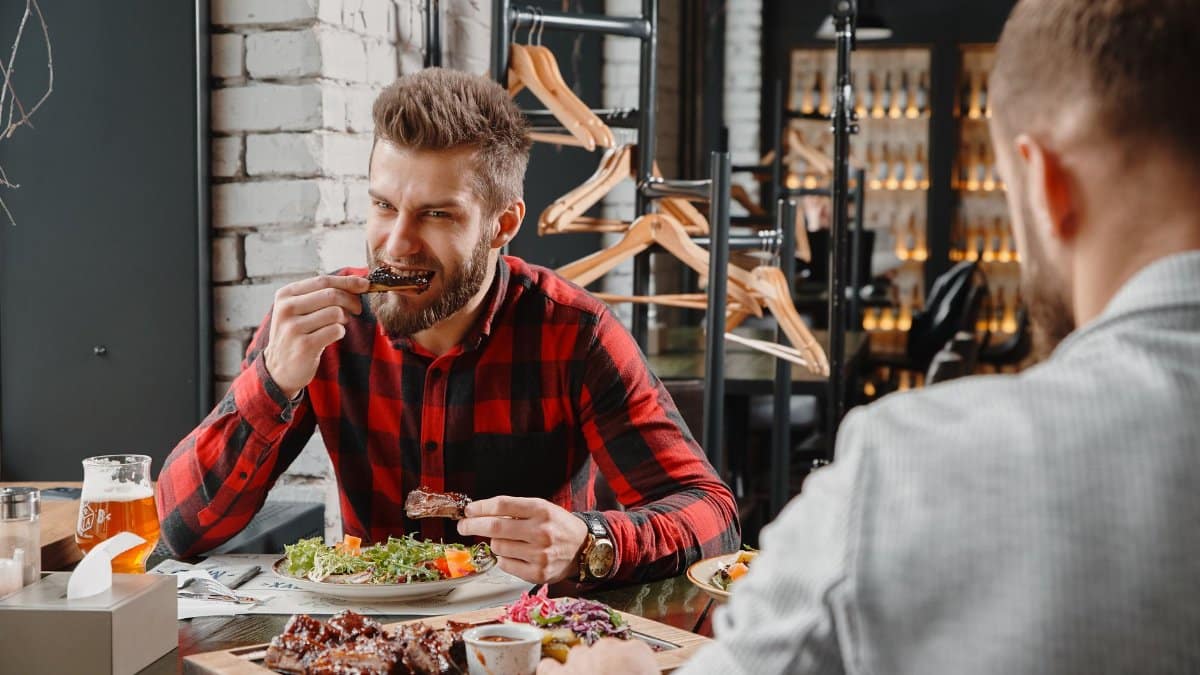
The signature that draws the most curiosity is the jicama ribs. Jicama is a crisp root, closer in raw form to a water chestnut than to any animal cut. Treated with time, heat, and a lacquer of savory sauce, it can mimic the look of a glazed rib and offer a bite that is juicy rather than fibrous. It will not fool a person who wants bone and collagen. It can satisfy a person who wants the sweet, salty, sticky pleasure associated with that plate.
This is where technique matters more than metaphor. If the jicama is undercooked, it tastes like a salad that wandered onto a hot plate. If it is oversauced, it becomes candy. The version that earns repeat orders holds a little resistance, drinks color from the glaze, and pairs with rice the way a grilled dish should. Calling it ribs is a kindness to memory. Cooking it well is a kindness to the guest. In a menu full of familiar names, this plate is the one that asks for a small leap, and then rewards it.
A Buddhist table without a sermon
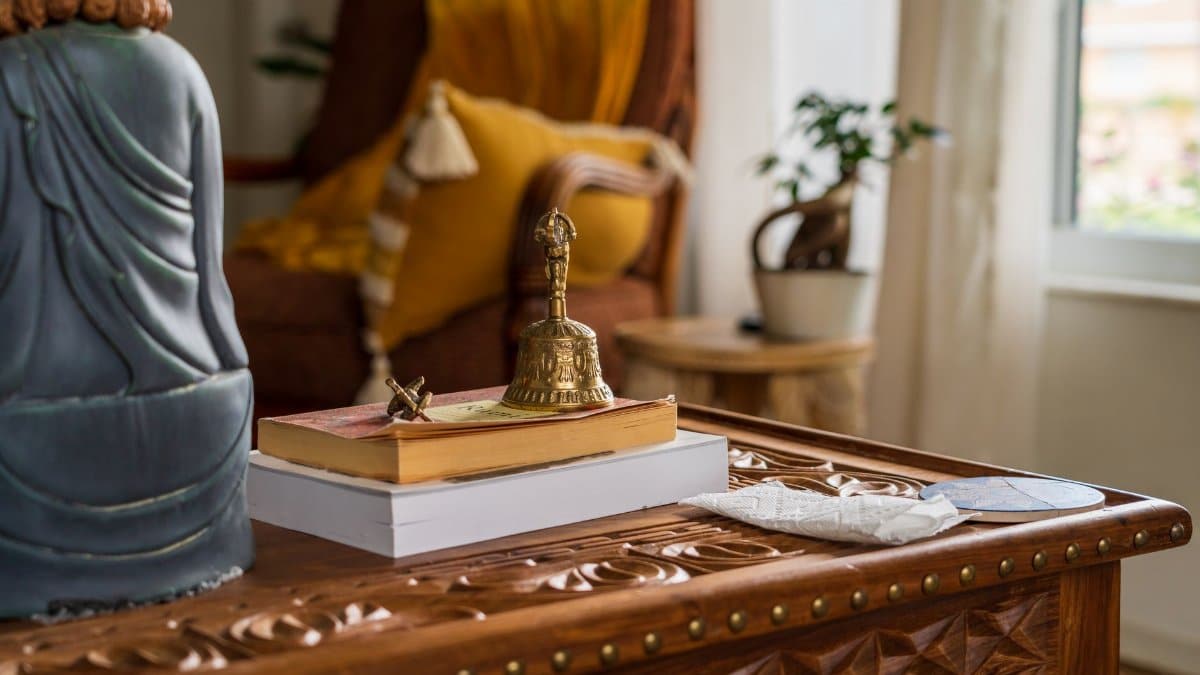
Vietnamese vegetarian cooking has deep roots in Buddhist practice, where avoiding meat is tied to restraint, compassion, and the rhythm of religious days. Many temples and home kitchens have long prepared vegetable feasts that do not taste like deprivation. Thanh Luong sits in a commercial suburb, not a pagoda, yet that older idea still hovers over the menu. The food can be eaten as devotion, as health habit, as curiosity, or simply as dinner. The kitchen does not need to sort the motives.
For readers who come to food through spiritual questions, the interesting point is modesty. A meatless meal does not automatically make a person good, and a restaurant is not a monastery. Still, choosing a bowl that refuses animal flesh can be a small daily alignment between belief and appetite. Nguyen and Thai offer that alignment in a form neighbors can share, including neighbors who do not share the belief. The table stays open. The doctrine, if any, stays quiet.
What repeat guests start to notice

First visits are about proof. Can the pho satisfy. Does the sandwich hold together. Is the jicama a gimmick. Later visits are about range. A guest might move from noodles to a rice plate, then to a salad bright with herbs, then to something fried and sauced for a cold evening. Vietnamese menus are built for this kind of wandering. Fresh rolls, grilled items, soups, and sweets sit side by side so a table can order for several appetites at once.
People who return often talk less about virtue and more about reliability. The herbs taste recently cut. The broth arrives hot. The portions make sense for the price of a suburban night out. Those details sound ordinary, and they are the details that decide whether a restaurant becomes a habit. Thanh Luong seems to be collecting habits rather than headlines. In a region full of excellent Vietnamese rooms that do serve meat, that is a specific achievement.
Why the suburb fits the cooking
Minnetonka is not the first address people picture when they think of Vietnamese dining. The urban corridors have the density, the late hours, and the grocery stores that anchor many immigrant food cultures. A suburban site asks a different question: can a specialized kitchen thrive where most traffic is local and many diners discover a place through a neighbor rather than a pilgrimage. For this Vietnamese vegetarian restaurant, the answer appears to be yes, in part because the cooking does not require the guest to adopt a new identity. It asks only for hunger and a willingness to reorder a familiar cuisine.
Parking is simple. The room suits families and office groups. A meatless menu can also solve the small diplomacy of a shared table, where one person avoids meat and everyone else still wants noodles, bread, and something crisp. Geography, in that sense, is not a compromise. It is a match between a practical room and a practical ethic of feeding mixed company.
Classics kept intact for people who miss the old names
There is a fashion in plant based dining that renames everything and dares the guest to keep up. Thanh Luong takes the other road. Pho remains pho. Banh mi remains banh mi. The ribs keep a name that points at pleasure even when the ingredient is a root. That choice respects the emotional life of food. People do not only eat nutrients. They eat the dishes that marked holidays, late shifts, and first dates. If those names vanish, the restaurant asks for more trust than many weeknight diners have to give.
Keeping the names also sets a higher bar. A dish called pho will be judged as pho. There is no shelter in a vague title. Nguyen and Thai seem willing to accept that judgment. Their menu is an argument that Vietnamese technique is roomy enough to hold a vegetarian practice without becoming a different cuisine. The argument is won or lost one bowl at a time.
A wider appetite, still local in feeling
Across the country, more diners are cutting back on meat for health, climate, faith, or cost. Vietnamese cooking travels well into that shift because herbs, pickles, rice, and noodles already do so much of the flavor work. The risk is a wave of imitations that borrow lime and cilantro and stop there. A serious room, even a modest one, shows the difference. It stocks the right chilies. It balances fish free seasonings so the food is savory rather than merely salty. It knows when a dish needs crunch and when it needs broth.
Thanh Luong belongs to that more careful group. It is local in the practical sense, a place Minnetonka residents can reach without planning a city evening, and local in the cultural sense, tied to cooks who know what the classics are supposed to taste like. The national trend supplies curious guests. The kitchen has to keep them.
What the kitchen will not give away

Every specialized restaurant faces pressure to broaden until the specialty disappears. Add a beef pho for the hesitant table. Add a pork banh mi for the person who says they would come if only. Those additions can fill seats in the short term and empty the idea that made the room distinct. The discipline at Thanh Luong is the refusal. The classics stay. The meat does not return to make anyone more comfortable.
That refusal is not hostility. Guests who want meat have many other excellent addresses. Guests who want these flavors without it have fewer rooms that treat the request as normal rather than as a modification scribbled in the margin. A Vietnamese vegetarian restaurant earns its name when the vegetarian plate is the main text, not an apology attached to someone else’s menu. Nguyen and Thai cook as if that distinction is obvious. For the people who keep coming back, it is.
Leaving with the taste of a decision

Dinner ends the way good suburban dinners often do, with a bag of leftovers and a short debate about traffic. The more lasting impression is smaller. A cuisine associated with celebration and everyday hunger has been cooked, again, without meat, and nobody at the table had to pretend the meal was a substitute for joy. The pho was hot. The bread crackled. The jicama wore its glaze like a dish that expects to be finished.
Spiritual practice, if it is present, does not need to be announced at the register. It can live in the choice to feed people well inside a limit. Thanh Luong makes that limit look like abundance, which is the oldest trick of a good kitchen and the newest reason a Minnetonka parking lot stays full a little longer than the dinner rush should allow.