

On a November afternoon in Austin, while most Texans were thinking about grocery bills and holiday travel, a compensation decision inside the state grid operator reset the political weather. The ERCOT CEO contract for Pablo Vegas, valued at up to $29.5 million across six years, became public at the same moment many households were still absorbing higher electric charges. Lt. Gov. Dan Patrick treated the package as more than a personnel matter. He treated it as proof that the people who run the market had lost touch with the people who pay it.
Why a signature became a statewide argument

Electric Reliability Council of Texas is not a utility in the ordinary sense. It does not own power plants and it does not send monthly bills. It manages the flow of electricity across most of the state, balances supply and demand in real time, and runs the wholesale market that sets prices generators and retailers live by. That technical role rarely draws crowds. Pay does. When the board locked in a multimillion dollar extension for its chief executive, the number traveled faster than any explanation of reserve margins or transmission constraints.
Patrick, who has spent years positioning himself as a watchdog on power costs, said the deal insulted families already squeezed by inflation and by a market design that can spike when demand surges. His criticism was blunt, public, and aimed as much at the ERCOT board as at Vegas himself. In Texas politics, a lieutenant governor with a firm grip on the Senate does not need a formal veto to make a contract feel provisional.
What the package actually contains

Reporting by the Texas Tribune described a six year arrangement that could reach $29.5 million if performance targets are met. Base pay, incentives, and retention elements sit inside that ceiling. Supporters of the structure argue that a grid chief is not a civil servant in the classic mold. They say the job competes with private energy companies that routinely pay executives far more, and that losing a leader mid crisis would cost the state more than any bonus clause.
Critics hear a different sentence in the same numbers. They note that ERCOT is a quasi public institution whose failures land on ordinary people, not on shareholders who chose the risk. A contract that rewards continuity can look, from a kitchen table, like a reward for a system that still feels expensive and fragile. The phrase ERCOT CEO contract now functions in Austin less as a human resources document and more as a symbol of who the market is built to please.
The lieutenant governor and the politics of the bill
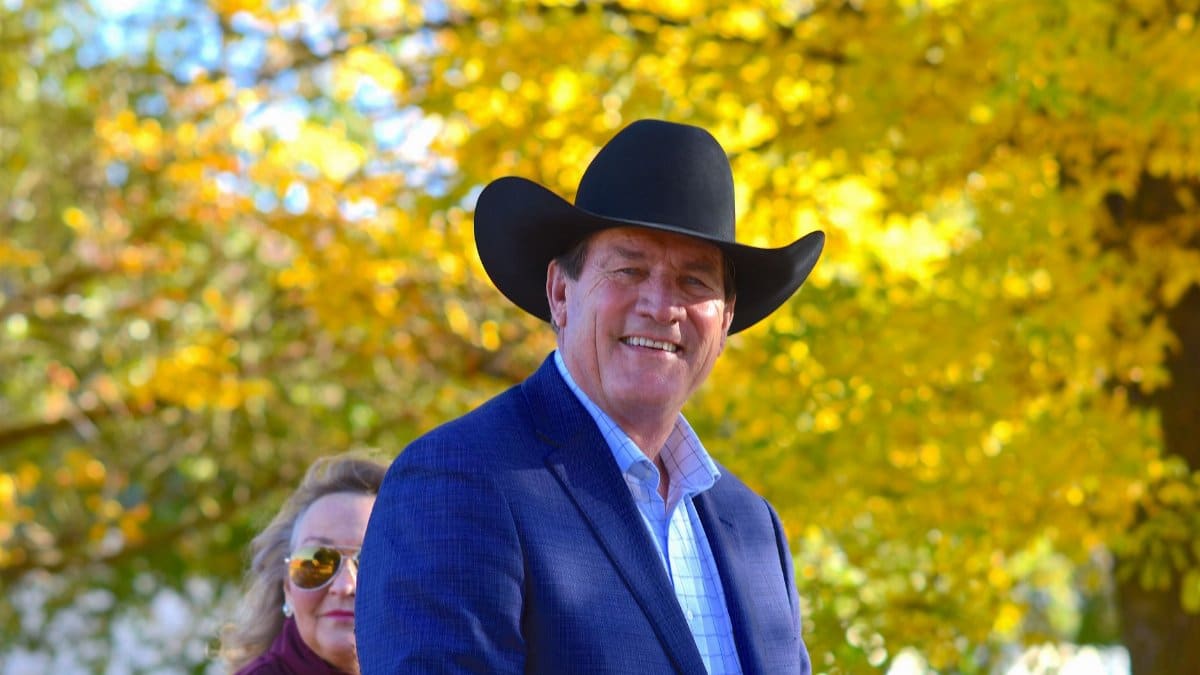
Patrick has long tied his brand to affordability. Property taxes, border spending, and classroom fights dominate his public calendar, but electric costs have become a reliable pressure point since the 2021 winter storm exposed how quickly a Texas only grid can fail its customers. He does not run ERCOT. The organization answers to a board and, in important ways, to the Public Utility Commission. Still, his outrage matters because the Legislature writes the statutes that define that board, funds related agencies, and can reopen market rules whenever a majority decides the politics have shifted.
Anger from the lieutenant governor is therefore not theater alone. It is a signal to appointees, to generators, and to retailers that compensation at the top will be read as a comment on prices at the bottom. Lawmakers who might have treated the extension as routine governance now have a reason to ask for hearings, letters, and a paper trail.
Pablo Vegas and the job he was hired to do

Vegas arrived with a utility industry résumé and a mandate to professionalize an organization still living in the shadow of widespread outages. His public case for staying rests on operational metrics: fewer emergency alerts, clearer communication with the public, tighter coordination with generators, and a planning process that treats extreme heat and extreme cold as normal planning cases rather than surprises. Those are legitimate tests. They are also hard to translate into a dollar figure a homeowner can verify on a bill.
Defenders say judging a grid chief only by retail prices misunderstands the job. Wholesale design, fuel costs, new demand from data centers and industry, and the pace of plant retirements all move bills. A chief executive can influence reliability and market rules. He cannot repeal summer. That distinction is fair and, in the current climate, politically insufficient. Voters experience the grid as a single thing: either the lights stay on at a price they can bear, or they do not.
How Texas built a market that invites this fight
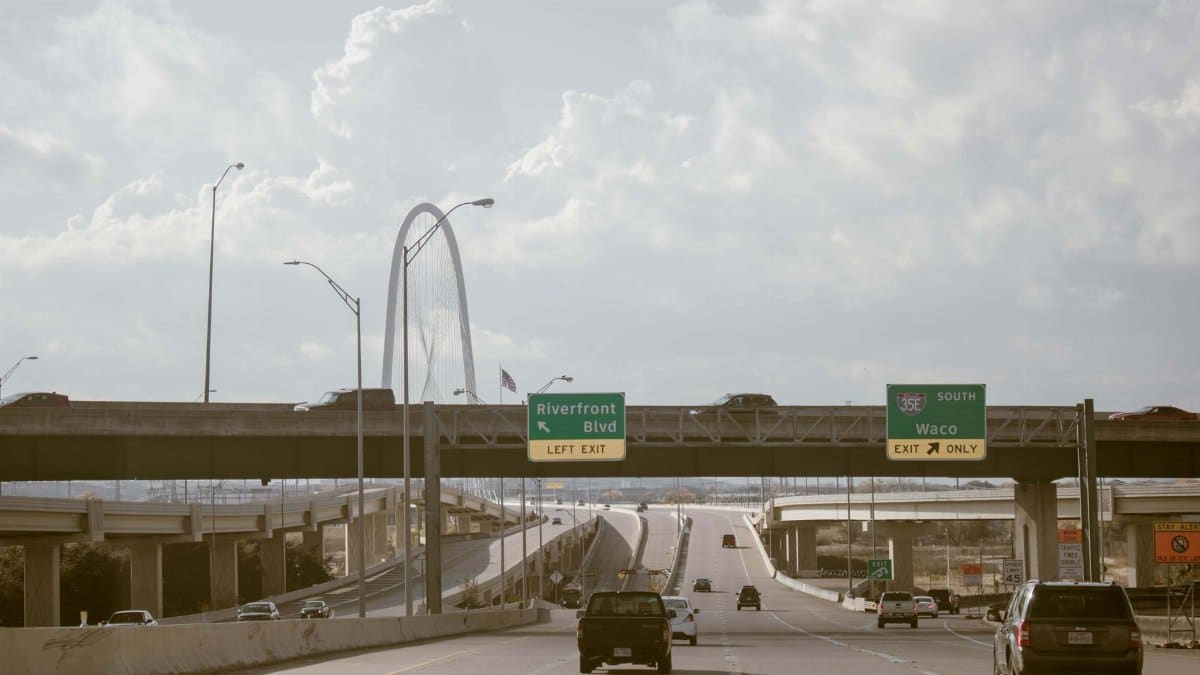
The modern Texas electric market was built on a bet that competition would keep prices low and that energy only payments, rather than separate capacity payments, would be enough to attract generation. For years the bet looked shrewd. Cheap gas, a growing wind fleet, and a light regulatory hand produced rates that other states envied. The same design left little slack when weather, fuel, and demand aligned against it.
After 2021, lawmakers added weatherization requirements, changed governance, and pushed the commission toward tools that pay for reliability as well as for energy. Each reform tried to buy insurance without admitting that insurance costs money. Executive pay sits awkwardly inside that story. If the public is being asked to fund a sturdier system, a lavish leadership deal looks like the insurance premium went to the wrong pocket. If the public is told the market is already fixed, the same deal looks like celebration before the proof is in.
What ratepayers can and cannot see

Most Texans never write a check to ERCOT. They pay a retail provider, a cooperative, or a municipal utility. Those entities buy power in markets ERCOT runs, then pass costs through rates, fees, and contract terms that are easy to miss and hard to compare. When leaders cite a compensation ceiling of $29.5 million, a household cannot trace that sum to a line on a bill. The absence of a line does not mean the absence of a cost. It means the cost is diffused, political, and therefore perfect fuel for a fight.
Transparency would help. A plain account of base salary, bonus triggers, clawback rights if reliability targets are missed, and the benchmark companies used to set pay would not end the argument. It would at least let the argument happen on facts. Boards that hide behind aggregated totals invite the suspicion that the details would not survive daylight.
A board caught between talent and trust

The directors who approved the extension face a classic public institution dilemma. Pay too little and experienced operators leave for investor owned utilities. Pay at private sector scale and you inherit a legitimacy problem you cannot expense away. There is no formula that resolves that tension. There is only judgment, and judgment in Texas energy is now a contact sport.
Some members will say they fulfilled a fiduciary duty to keep leadership stable while demand grows and while large new loads seek interconnection. Others, including Patrick, will say fiduciary duty runs to the public that cannot opt out of the grid. Both claims can be true in part. The ERCOT CEO contract forces a choice about which truth the institution is willing to defend in public, not only in executive session.
Demand is changing faster than politics
Whatever one thinks of the pay package, the operating problem is not imaginary. Texas continues to add people, factories, and computing load. Summer peaks keep climbing. Winter risk has not vanished. Transmission projects take years. Permitting fights slow both gas plants and renewable projects. A chief executive who can keep those pieces moving has a scarce skill, and scarce skills are expensive in every industry that admits it.
The political risk is that scarcity becomes an excuse. If every controversy ends with a reminder that the talent market is national, the public will eventually decide that the talent market is the problem. States have answered that fear before by capping pay, tying bonuses to outage minutes, or moving operators closer to direct public employment. None of those answers is free of tradeoffs. All of them are now easier to imagine because Patrick made the number impossible to ignore.
What other leaders are watching

Generators, retailers, and large industrial customers are reading the episode as a forecast. A Legislature willing to relitigate a chief executive contract may also be willing to relitigate ancillary service design, interconnection queues, and who pays for new transmission. Investors price political volatility the same way they price weather. If Austin looks ready to punish visible wealth inside a public market operator, capital will ask whether the next reform will be aimed at them.
That does not mean Patrick is wrong to object. It means objection has consequences beyond a single employment agreement. The healthiest version of this fight would separate two questions that are currently fused. First, is the pay excessive relative to duties and to public trust. Second, is the market producing reliable power at a tolerable cost. Conflating them makes for a sharp headline and a muddy statute.
A standard the public can actually use

A useful standard would be simple enough to explain without a consultant. Publish the full compensation math. Tie a meaningful share of incentive pay to outcomes households recognize: fewer emergency alerts, faster restoration when equipment fails, and clear warnings before conservation calls. Require the board to compare pay not only with private utilities but with other regional grid operators that also answer to the public. Review the deal on a timetable the Legislature can see, rather than treating an extension as a closed book.
Vegas can still make the case that stability at the top serves reliability at the socket. He will need more than a résumé. He will need a record that survives a hot summer and a hard freeze, explained in language that does not sound like a bonus memo. Patrick can press for accountability without implying that competent leadership should be cheap. The space between those positions is where responsible oversight lives.
The argument is really about consent

Texans accepted a distinctive electric system because it promised independence and low prices. Consent frays when the promise feels one sided. A contract worth up to $29.5 million does not, by itself, prove the system is broken. It does prove that the people who steward it have asked for trust at the exact moment trust is scarce. The ERCOT CEO contract will be remembered less for its clauses than for whether the years it covers are calm.
If outages stay rare and bills stop shocking people, the anger may recede into a footnote about political theater. If the next extreme season exposes thin reserves or confusing prices, the same document will be read as evidence that insiders took care of themselves first. Patrick has already chosen his reading. The grid, as it always does in Texas, will get the last word.