
On a weeknight in early December, the parking lot outside a suburban county building fills before the doors even open. People arrive with printed notices folded into coat pockets, ready to ask why next year’s bill looks heavier than this one. Twin Cities property taxes are climbing again, and the notices landing in mailboxes across the metro have turned a routine local ritual into a sharper argument about what residents can afford and what local government says it must fund.
A familiar notice with a harder number
For many owners, the shock is not that taxes rose. It is that the increase arrived again, after several years of higher grocery bills, insurance premiums, and mortgage resets. County boards across the region have advanced levy proposals in a band of roughly 8 percent to 10 percent. Dakota County is weighing a far steeper jump, about 18.5 percent. Those figures are proposals, not final law, but they set the tone for hearings that will decide how much of the burden lands on houses, apartments, and small commercial strips.
A levy is the total amount a local government intends to collect. It is not the same thing as any single homeowner’s bill. Still, when the levy jumps by that much, most people correctly assume their statement will not stay flat. The political fight is over whether the extra dollars buy necessary services or simply paper over costs that boards have been slow to restrain.
Six counties, one shared pressure

The six core metro counties do not move in lockstep, yet their proposed increases cluster in that 8 to 10 percent range. That clustering matters. It suggests the pressure is regional, not the quirk of one board or one unpopular project. Wage settlements, health coverage for public employees, road maintenance, and public safety contracts have all grown faster than the revenue growth many boards expected a few years ago.
State aid and local fees can soften a levy, but they rarely erase it. When several counties land in the same neighborhood of increase, residents hear a common message: the cost of running local government has outpaced the quieter years that followed the last recession. Whether that message is fully fair depends on the line items, which is why December hearings exist.
Why Dakota County looks different

An 18.5 percent proposal does not read like a routine inflation adjustment. Dakota County officials have pointed to a mix of rising operating costs and capital needs that, in their telling, cannot be deferred without visible cuts. Critics hear something else: a board testing how much increase the public will tolerate before it demands a rewrite.
The gap between Dakota and its neighbors will dominate local coverage because it is easy to grasp. Neighbors compare notes. A homeowner in Apple Valley does not need a spreadsheet to notice that a friend in a nearby county is staring at a smaller proposed jump. That comparison will shape turnout. Boards rarely enjoy explaining why their number sits so far above the regional pack, and they should expect the question in plain language.
How a levy becomes a bill
Minnesota separates the decision to raise a total levy from the math that assigns that total to individual parcels. Counties, cities, school districts, and special districts each set a levy. The county auditor then spreads those amounts across the tax base according to classification and value. A house, a rental building, and a storefront do not carry the same rate even when they sit on the same block.
Market value is the other moving part. If values rise unevenly, some owners absorb more of a levy increase than others. If values fall in one pocket of the county while the levy still rises, the remaining parcels can see an even sharper bill. That is why two neighbors with similar houses can open their notices and feel as if they live in different tax systems. The mechanism is public. The result often feels personal.
Values, rates, and the confusion in between

People often treat a higher assessed value as proof that their tax will rise by the same percentage. It does not work that way. If every home in a jurisdiction rises by a similar share, and the levy stays flat, individual bills can hold steady even as paper wealth climbs. The pain arrives when levies rise at the same time values are being reset, or when one class of property grows faster than another.
Commercial values have been uneven since office use thinned in some districts. When a slice of the tax base weakens, homeowners can inherit a larger share of a levy they did not vote on directly. That shift is technical, but it shows up as a dollar figure on a statement. Explaining it clearly is part of what December hearings are for, and boards that hide behind jargon will lose the room.
What the hearings can and cannot change
Truth in taxation hearings, typically held in late November and December, give residents a formal chance to speak before final levies are certified. They are not empty theater. Boards do trim proposals after a loud night, especially when the proposed jump is far outside recent habit. They also defend line items that staff say cannot be cut without closing a program or delaying a road.
What hearings cannot do is rewrite the whole fiscal year in a single evening. By December, much of the budget has already been shaped by contracts, debt service, and state rules. The useful public questions are specific. Which programs grew fastest? Which capital projects could wait a year? What happens to the bill if the board adopts 6 percent instead of 10, or 10 instead of 18.5? Residents who arrive with those questions tend to get better answers than those who arrive only with anger, though anger is understandable.
Cities and schools share the statement
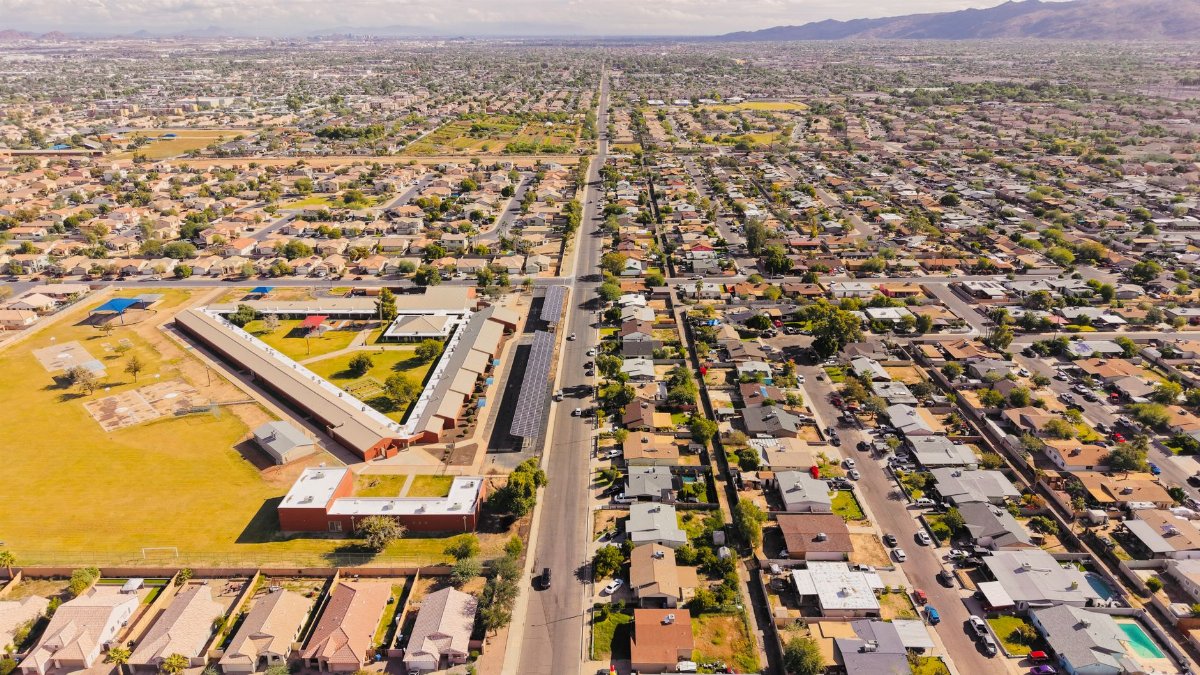
County headlines dominate because county government is the collector and often the most visible line. The statement itself is a stack. City levies, school referendums, and smaller districts sit underneath or beside the county figure. A homeowner who blames only the county board may be missing a school levy approved by voters two years ago, or a city increase tied to police and fire staffing.
That stacked structure makes accountability harder. Each board can say, with some accuracy, that it controls only its own slice. The household pays the sum. A serious public conversation has to hold every layer at once, without pretending that a single vote in one chamber explains the entire envelope.
Renters are not outside the argument

Owners see the bill. Renters often feel it later, when a landlord resets the rent to cover taxes, insurance, and maintenance. In a tight metro housing market, that pass through is rarely theoretical. An apartment building with a sharply higher assessment can translate into higher monthly payments for people who never attend a county hearing and never receive a property tax statement of their own.
That is one reason Twin Cities property taxes are a household story, not only an owner story. Wage earners who rent in Minneapolis, St. Paul, and the inner suburbs have little formal voice at a levy hearing, yet they live with the outcome. Landlords who testify about commercial classification are, in part, speaking for costs that will not stay inside the building ledger.
The household math behind the outrage

A percentage on a government spreadsheet becomes a monthly squeeze at the kitchen table. For a household already stretching to cover a higher insurance premium and a grocery bill that never fully retreated, another few hundred dollars a year is not an abstraction. Retirees on fixed incomes notice it first. So do families who bought at peak prices and now carry both a large mortgage and a rising tax bill on a value that may not feel as solid as it did at closing.
None of that proves every proposed dollar is waste. Plowing, ambulances, classrooms, and jail operations cost real money, and labor markets for those jobs have tightened. The honest tension is between services people expect to continue and a tax path that keeps asking the same households to absorb the growth. Boards that speak only about needs, and residents who speak only about waste, talk past the decision in front of them.
What residents can still do before the vote
The practical steps are unglamorous. Read the proposed budget summary, not only the percentage in the headline. Compare this year’s levy with the last three, not only with last year, so a one time spike is visible against a trend. Check whether your estimated market value looks wrong relative to recent sales on your street, and file an appeal if it does. Show up or submit a comment that names a program, a dollar figure, or a tradeoff.
County and state pages publish levy calendars and appeal rules. The Minnesota Department of Revenue explains classification and homestead rules at revenue.state.mn.us/property tax, and local boards post hearing notices on their own sites. The Star Tribune has tracked the current round of metro proposals, including the spread between the broader 8 to 10 percent cluster and the Dakota figure. Those records are the right starting point. Rumors in a neighborhood group are not.
A regional pattern, not a one winter story

If this winter’s notices feel familiar, that is because they extend a pattern rather than invent one. Twin Cities property taxes have been a recurring pressure point as local budgets expanded and housing values swung. Another round of high single digit levies, with one county far above that, tells residents the pattern has not broken. It also tells boards that patience is thinner than it was when increases looked temporary.
December will not settle the larger argument about how Minnesota funds schools, public safety, and local infrastructure. It will settle a narrower and more immediate one: how large a levy each board is willing to certify, and how clearly it can defend that choice to people who have to write the check. That is enough stakes for a cold weeknight in a county board room.
Homeowners who want a different outcome have a short window. After certification, the statement is no longer a proposal. It is the bill. Twin Cities property taxes will be set in that narrow space between a draft percentage and a final vote, and the people most affected still have time to be heard if they use it.