

On a gray Thursday in Springfield, the Statehouse elevators kept their usual rhythm while the big arguments stayed upstairs in closed offices. Staffers carried folders. Lobbyists checked phones. The public gallery was thin. Halfway through the fall calendar, the Illinois veto session had produced talk, drafts, and waiting, but not the kind of votes that settle a fight. For readers outside the capital, that quiet can look like absence. In a state where stadium dreams, electricity hungry server halls, and school budgets collide with a short legislative window, absence is itself a choice.
A short calendar with a long list

Illinois sets aside a brief stretch each fall so lawmakers can answer the governor, repair mistakes in spring bills, and take up matters that cannot wait until January. The name suggests a narrow job. In practice the list grows, because every unresolved fight from the regular session tries to squeeze through the same door. This fall the pile includes a proposal tied to a new Chicago Bears stadium, clearer rules for data centers, and additional money for Chicago Public Schools. None of those items had drawn a major floor vote by the midpoint. Committee chatter is not the same as a recorded decision. A fall session can feel busy in the hallways and empty on the board that tracks final passage.
That gap matters. Voters hear promises in campaign season and then meet a Capitol that speaks in drafts. The calendar is real: a handful of days, split across weeks, with members traveling in and out. Leaders guard floor time the way a city guards a bridge. If a bill is not ready, or if the votes are not quiet enough, it does not move. Readiness, in this building, often means agreement already struck offstage.
The stadium bill that did not move
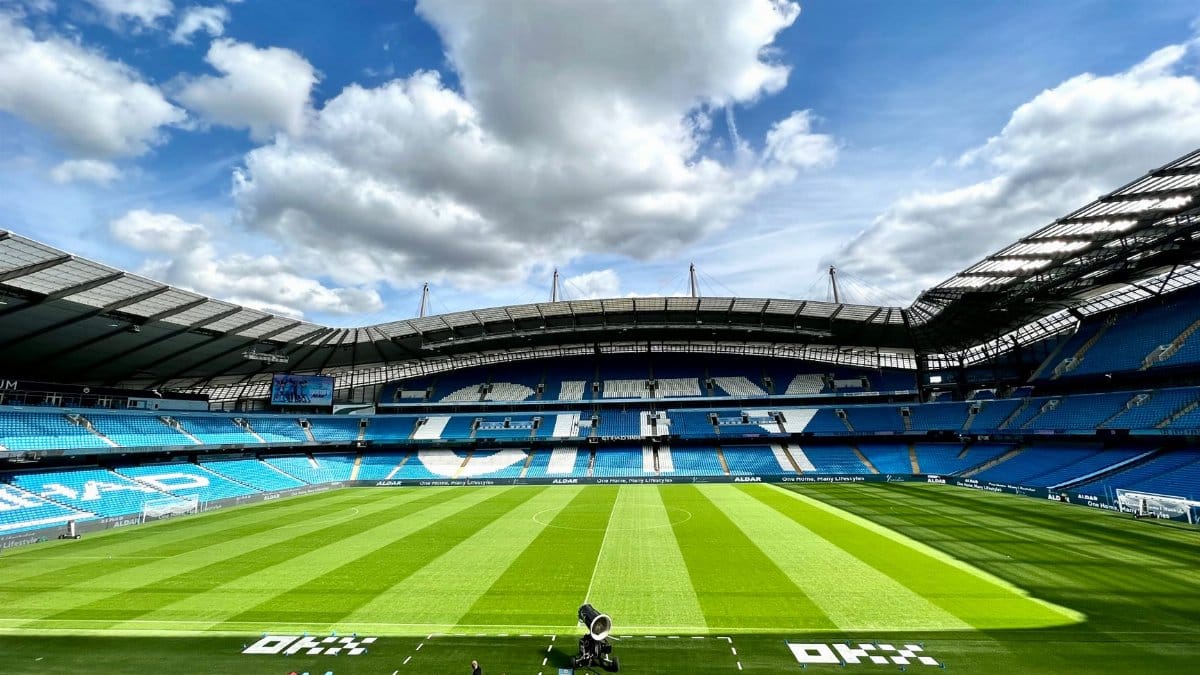
A professional football stadium is never only about football. It is about land, taxes, transit, and who pays when a private franchise asks the public to help build a very large venue. Supporters of a Bears plan tend to talk about jobs, visitors, and a civic symbol on the skyline. Critics talk about opportunity cost, about classrooms and trains that do not receive a public ceremony. At the halfway mark, neither camp had a vote to celebrate or mourn.
The Illinois veto session can be a place where such a bill is tested, amended, or quietly parked. Parking it protects members from a hard choice before they know whether leadership has the numbers. It also leaves neighborhoods and taxpayers in suspense, reading rumors instead of statutory language. Public money for a private team is the sort of question that follows a lawmaker home. Avoiding the question does not shrink it. It only moves the argument from the floor to the next news cycle, where numbers are softer and accountability is thinner.
Data centers and the rules still on paper

Data centers have become a new kind of factory. They do not stamp steel. They consume electricity, water for cooling, and large tracts of land, and they employ fewer people than the old plants they sometimes replace in the economic imagination. Towns want the tax base. Utilities worry about peak demand. Residents worry about monthly bills. A rules bill would try to set expectations before the next wave of construction: where facilities may locate, what they must disclose, and how they share the cost of grid upgrades.
Halfway through, that framework had not become law. Writing energy policy in a few session days is difficult, because every sentence touches a utility, a municipality, and a company with engineers on retainer. Leaving the rules unwritten is also a policy. Projects can proceed under incentives that already exist, and local boards can approve sites without a fresh statewide standard. Later legislation then arrives as a correction, not a design. Corrections are messier. They anger investors who planned under the old terms and residents who feel the state noticed only after the concrete was poured.
Chicago schools and money that did not arrive
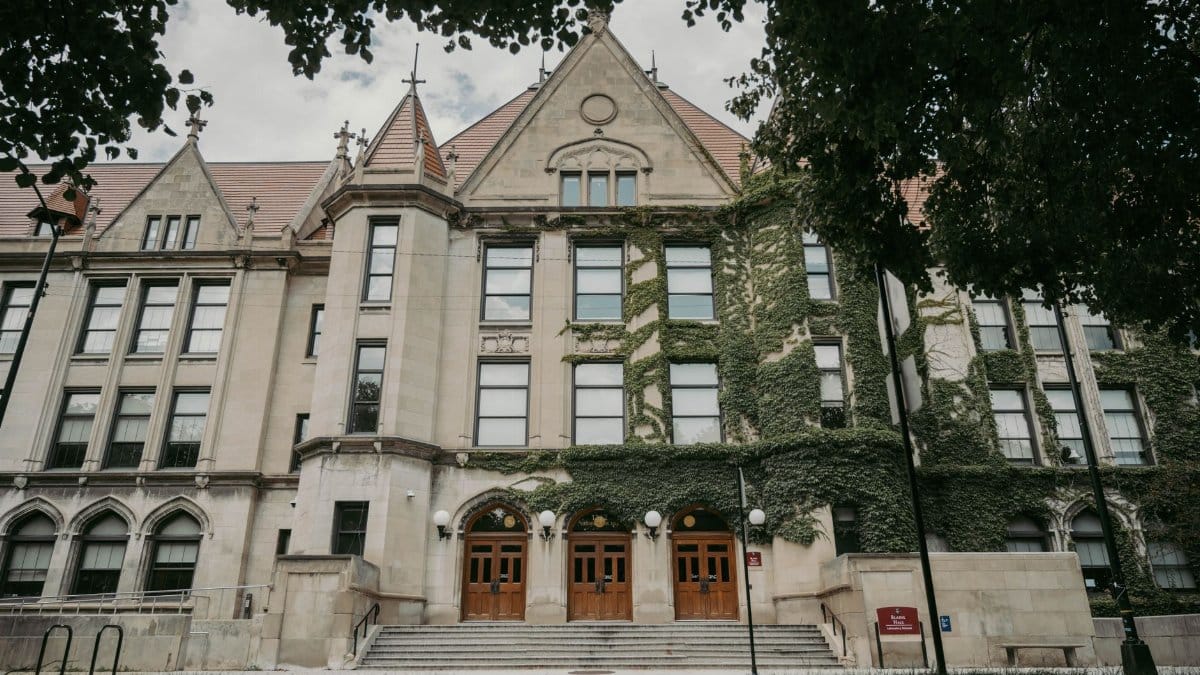
Chicago Public Schools has lived for years with a budget that feels one bad surprise away from cuts. Extra state funding is the request that parents understand without a briefing book. Teachers, bus routes, special education, and building repairs do not pause because the General Assembly is between chambers. By the middle of the Illinois veto session, no major new appropriation for the district had cleared both houses.
That does not mean talks stopped. It means the money, if it comes, will come later, and later is a real date on a school calendar. Districts can shift funds, freeze hiring, or hope. Hope is not a line item. A delayed payment also changes the politics of the request. The longer Springfield waits, the more the debate becomes about crisis management rather than about what a fair formula should fund in an ordinary year. Crisis language raises the temperature and lowers the chance of a durable deal.
How this kind of session is built

The fall meeting is not a second spring session. Attendance can be uneven. The clock is short. Controversial ideas need sponsors, committee time, and a governor who will not simply send the product back. Leaders often prefer a small package of agreed fixes to a floor fight that splits the majority. That preference explains a midpoint with noise but no headline bills. It also explains frustration among advocates who spent summer and early autumn building a case.
A hearing can honor their work without advancing it. Observers who cover the Capitol learn to distinguish movement from motion. Motion is a news conference, a leaked outline, a senator saying the issue is alive. Movement is a committee vote, a fiscal note with a dollar figure, and a path to the governor’s desk that does not collapse on the last afternoon. By that standard, the big three issues were still in the realm of motion.
Why waiting can be the tactic

Delay is sometimes incompetence. Sometimes it is discipline. A stadium subsidy, a data center statute, and a school funding increase each create winners who will be loud and losers who will be louder. Putting all three on the board in the same week invites a pileup. Leaders may be counting votes in private, trading language, or waiting to see whether a mayor, a court, or a corporate announcement changes the math.
From the outside, the Illinois veto session looks stalled. From the inside, stalling can be a way to avoid a loss that would be harder to reverse than a postponed win. Members who just finished a campaign are especially alert to a vote that can be clipped into an ad. The risk is that postponement becomes the whole strategy, and January arrives with the same unresolved text and less public patience. Discipline that never ends is indistinguishable from refusal.
What the quiet costs outside the Capitol

Springfield delay does not stay in Springfield. A suburb weighing a server farm permit needs to know whether state rules will change under its feet. A Chicago family tracking class sizes needs to know whether relief is real. A neighborhood near a possible stadium site needs to know whether public money is in play before land prices and political promises harden. When lawmakers decline to act, local officials inherit the uncertainty.
Some will pause their own decisions. Others will move anyway, and the state may later find that it is regulating a fact already built rather than a proposal on paper. That is a weaker position for a legislature that wants to set terms. Uncertainty also has a class dimension. Well financed applicants can wait out a session. A school district cannot store a missing teacher in a reserve account. The costs of quiet fall first on people who budget in months, not in legislative cycles.
The second half of the calendar

Halfway is not the end. The remaining days can still produce a narrow agreement, especially if leaders decide one item is ripe and the others are not. A technical cleanup, a modest school payment, or a data center disclosure rule with fewer teeth than advocates wanted would all count as action, even if none of them matches the rhetoric of the past month. The Bears question may be too large for a rushed vote, which is an argument for care and also an argument that the real negotiation is happening far from the floor.
Readers should watch for three signs. A committee that actually advances text. A fiscal note that names a dollar figure instead of a range of hopes. A governor who signals he will sign rather than bargain in public. Without those signs, speeches about urgency are atmosphere. With them, the second half can still rewrite the story of a session that, so far, has chosen not to choose.
Reading a session by what it refuses

There is a habit in political coverage to treat inaction as a blank. It is not a blank. At this midpoint, Illinois lawmakers have declined, at least for now, to settle who helps pay for a stadium, who sets the terms for data centers, and whether Chicago Public Schools gets extra help before the year turns. That refusal has authors, even if no roll call lists them. It has effects on budgets, permits, and trust.
The Illinois veto session will be remembered less for speeches than for whether the second half converts private talks into public law. Until then, the honest account is the quiet one: no major action, and no illusion that quiet is neutral. A legislature shows its priorities in the bills it passes and, just as clearly, in the bills it is willing to leave untouched while the elevators keep running.