
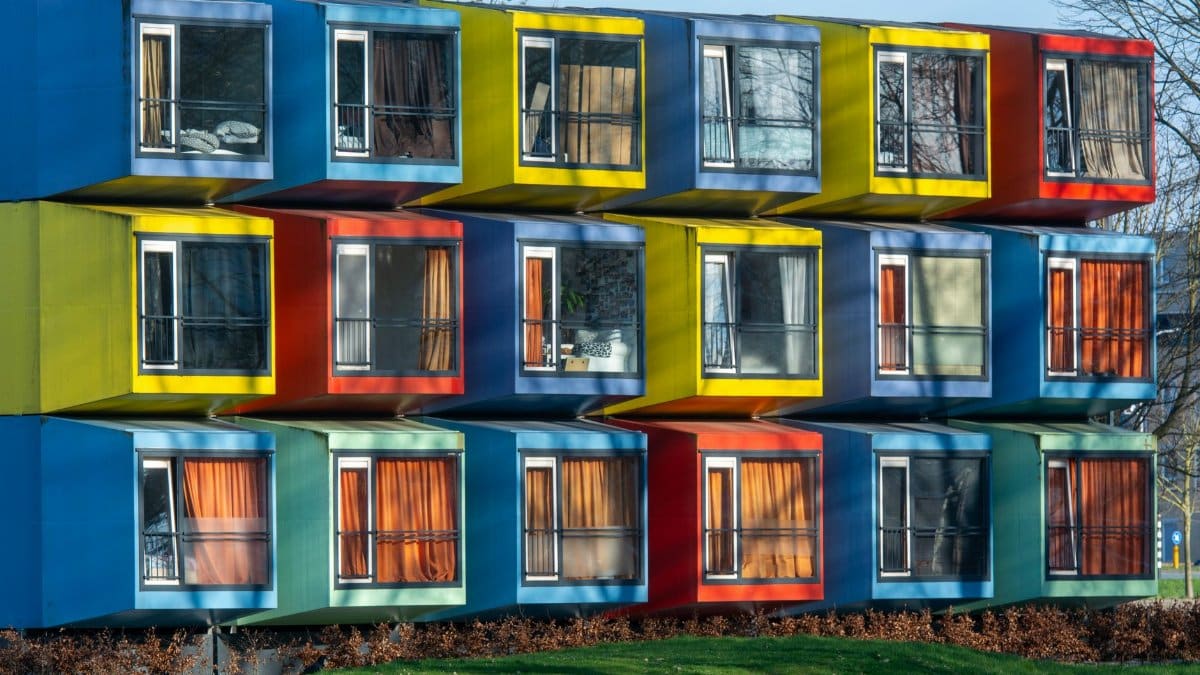
On a gray Tuesday outside Boston, a teacher and a carpenter sat at a kitchen table that was not theirs and compared rents that had outrun their pay. They were not shopping for a weekend. They were trying to stay near the school, the church basement where their daughter rehearsed, and the aunt who watched the baby on Thursdays. That ordinary search is the backdrop for a splashy corporate wager. Airbnb has launched an Airbnb housing prize of one million dollars a year for startups and nonprofits that can make homes faster and cheaper to build. Applications close on Dec. 11. The company that made its name on spare rooms is now putting money behind the harder question of how those rooms come into existence at all.
A travel brand steps into the building trade

The announcement is simple on its face and strange in its setting. Airbnb is not a lumber yard, a city planning office, or a public housing authority. It is a platform that connects guests with hosts. Yet the firm says it will award one million dollars each year to people and organizations working on housing innovation. The deadline is fixed. The field is wide. Startups and nonprofits may apply. The stated aim is speed and cost: homes that can be produced with less delay and less money than the usual path allows.
Readers should hold both facts at once. A million dollars is real money for a small team. It is also a modest sum beside the cost of a single mid rise building in a coastal city, let alone a national shortage measured in millions of units. The prize is a signal as much as a check. It says a company whose business depends on places to stay has decided that the shortage of places to live is now part of its public story.
What the money is meant to buy

Prize language often hides the hard part. Faster and cheaper can mean many different things, and not all of them produce a home a family can keep. A team might design a factory process that cuts months off a build. Another might write software that untangles permits. A nonprofit might train crews, stock a revolving loan fund, or adapt an empty office floor into apartments without pretending the conversion is easy. Judges, whoever they turn out to be, will have to decide which kind of ingenuity counts.
The useful test is not novelty for its own sake. It is whether a method can be repeated by people who do not work for the prizewinner. A clever prototype in one city does little if the next city cannot copy the drawings, the financing, or the political path. Housing fails in the handoff from idea to ordinance to loan to inspection. Any serious entry will have to speak that language, not only the language of a pitch deck.
Why this problem will not wait for a contest
The pressure is already visible in places Airbnb knows well. Resort towns, college cities, and downtowns that draw visitors also draw workers who staff hotels, hospitals, schools, and kitchens. When those workers cannot live near the job, the town frays. Shifts go unfilled. Children change schools. Congregations shrink because the young families moved an hour away. A prize does not cause that strain, and it will not erase it. It arrives in the middle of a long argument about zoning, interest rates, labor, materials, and who is allowed to build what, where.
Households feel the argument as a number on a lease. Builders feel it as a stack of reviews that can add a year before a shovel moves. Lenders feel it as risk. None of those actors is waiting for a technology fair. They are waiting for permission, capital, and a crew. The Airbnb housing prize will matter only if winners can move one of those bottlenecks, not if they produce a handsome rendering.
The company and the criticism it already carries
Any gift from Airbnb will be read through the fights the company has already had with cities. Hosts, neighbors, and regulators have argued for years about short stays, housing stock pulled toward visitors, and rules that differ from block to block. Supporters say the platform lets ordinary people earn income from rooms they already own. Critics say it tightens an already tight market. Both claims can be true in different neighborhoods at the same time. A housing prize does not settle that dispute. It sits beside it.
Skeptics will ask whether the contest is a form of reputation repair. That question is fair, and it is not the only question. A check can still fund a useful project even if the donor has mixed motives. The sharper test is design. Does the award require winners to publish methods, share cost data, and report what failed? Or does it end in a press release and a logo on a website? Transparency is the difference between a prize and an advertisement.
Who might actually apply

The likely field is broader than gadget makers. A rural nonprofit that has spent a decade rehabilitating vacant houses may have more to teach than a startup with a new wall panel and no tenants. A modular firm that has survived two interest rate cycles may know which promises collapse on a job site. A legal clinic that has mapped a state building code might save more months than a robot that lays brick in a lab. The Airbnb housing prize, if judged with humility, could honor that unglamorous competence.
Applicants will also include teams that should not win. Housing attracts schemes that shift cost onto tenants, onto public subsidies, or onto the next owner. Speed that comes from thinner walls, weaker oversight, or displaced neighbors is not a bargain. Readers should watch whether the rules bar projects that reduce habitability or that treat existing residents as an obstacle. Innovation is not a moral free pass.
What a million dollars can and cannot do
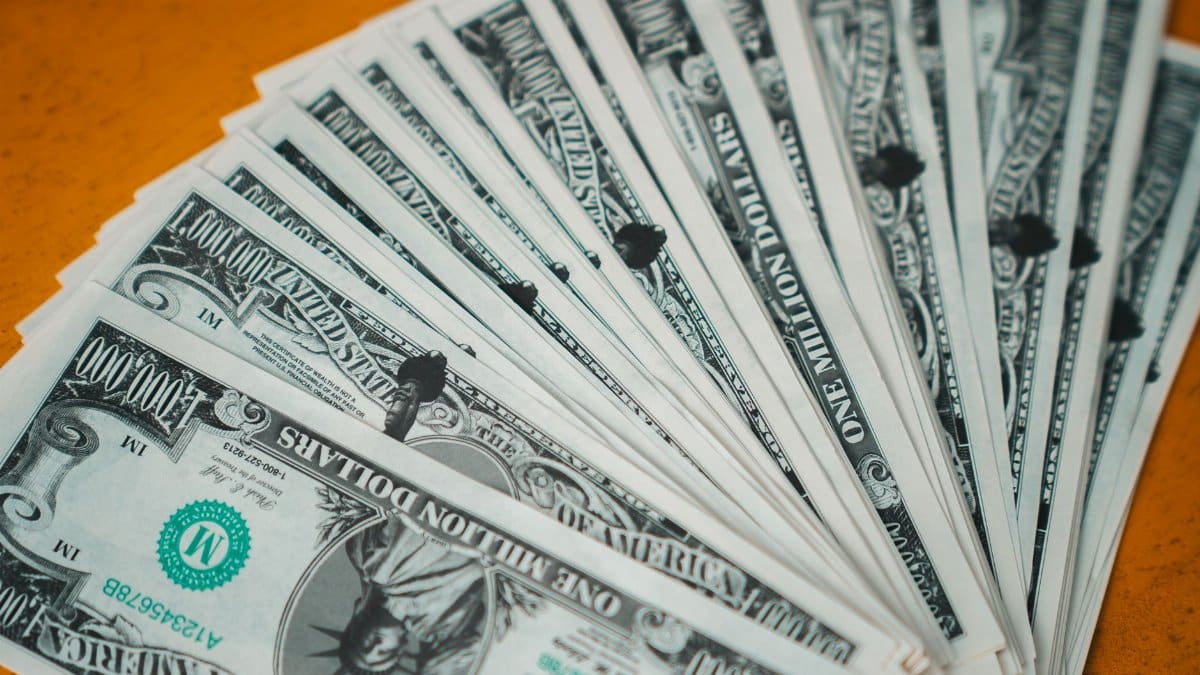
For a two person design shop, a million dollars can buy time: engineers, a pilot site, legal help, and a year without chasing the next grant. For a community land trust, it might retire debt on a small cluster of homes and keep them permanently affordable. For a factory, it might fund one production line adjustment, not the factory itself. Scale still depends on banks, insurers, unions, city councils, and buyers who can qualify for a mortgage or a lease they can renew.
That limit is not an argument against trying. It is an argument against myth. American housing history is full of contests, demonstration projects, and model homes that photographed well and then stalled. The ones that lasted usually paired a technical idea with a patient owner, a clear public rule, and a financing path that did not vanish when the ribbon was cut. Prize juries rarely control those last three. Winners will have to find partners who do.
Home as more than a unit count
There is a reason this story belongs in a conversation about meaning, not only markets. A dwelling is where people pray, argue, recover, and feed one another. When housing slips out of reach, the loss is not only economic. It is the loss of a table that stays in one place. Parishes, mosques, synagogues, and neighborhood halls feel that loss when volunteers can no longer afford the zip codes they serve. A prize framed only as efficiency will miss what communities are actually trying to protect.
None of that requires romance about the past. Old housing was often cramped, unsafe, and closed to people the law did not favor. The task now is to build more without treating shelter as a commodity that appears only when the return is high enough. Spiritual traditions have long words for that duty: hospitality, stewardship, neighbor. They do not replace a building code. They do remind a donor, and a reader, what the code is for.
How cities might respond
Local governments do not have to wait for a winner to be named. They can ask, in public, what a useful prize would measure. Time from application to certificate of occupancy. Cost per square foot that a moderate income household can actually pay. Number of homes kept affordable after the first sale. Displacement of current tenants. Those metrics are dull. They are also the ones that separate a pilot from a habit.
Cities can also refuse to treat a corporate award as a substitute for their own choices. Lot size rules, parking minimums, and slow appeals shape cost more reliably than any app. If a winning method needs a zoning change, the hearing should be ordinary and contested, not waved through because a famous brand attached its name. Respect for the prize means subjecting it to the same scrutiny as any other proposal to alter a street.
What to watch before Dec. 11

Between now and the deadline, the interesting documents will be the application questions, the conflict rules, and the list of reviewers. Do builders, tenant lawyers, and people who have lived in unstable housing sit on the panel, or only investors and brand executives? Will losing proposals be summarized so others can learn, or locked away? Will the company say what happens in year two if the first winner underperforms? A serious program answers those points before the cameras arrive.
Applicants, meanwhile, should write as if a skeptical city council will read the file. Name the site. Name the regulatory barrier. Name the household that could pay the resulting rent or mortgage. Leave out the fog about disrupting shelter. The readers who need this prize are not looking for disruption. They are looking for a key that still works in March.
A modest bet in a large crisis
The Airbnb housing prize will not close the national gap between wages and rents. It may fund one method that other builders copy, or one nonprofit that keeps a dozen families in place, or nothing durable at all. Those are the honest outcomes. What the announcement does immediately is put a well known company on record that housing supply is not someone else’s problem alone. Whether that record becomes a tool or a slogan depends on rules the public has not yet fully seen.
For the teacher and the carpenter at that borrowed table, the contest is background noise until a unit with a stable lease appears within reach of work and kin. Journalism should keep its eye there. Prizes are easy to celebrate. Homes are harder to finish. The Dec. 11 deadline will sort the applicants. The years after will sort the claim that a million dollars, offered again and again, can help make shelter faster, cheaper, and still worthy of the word home.