
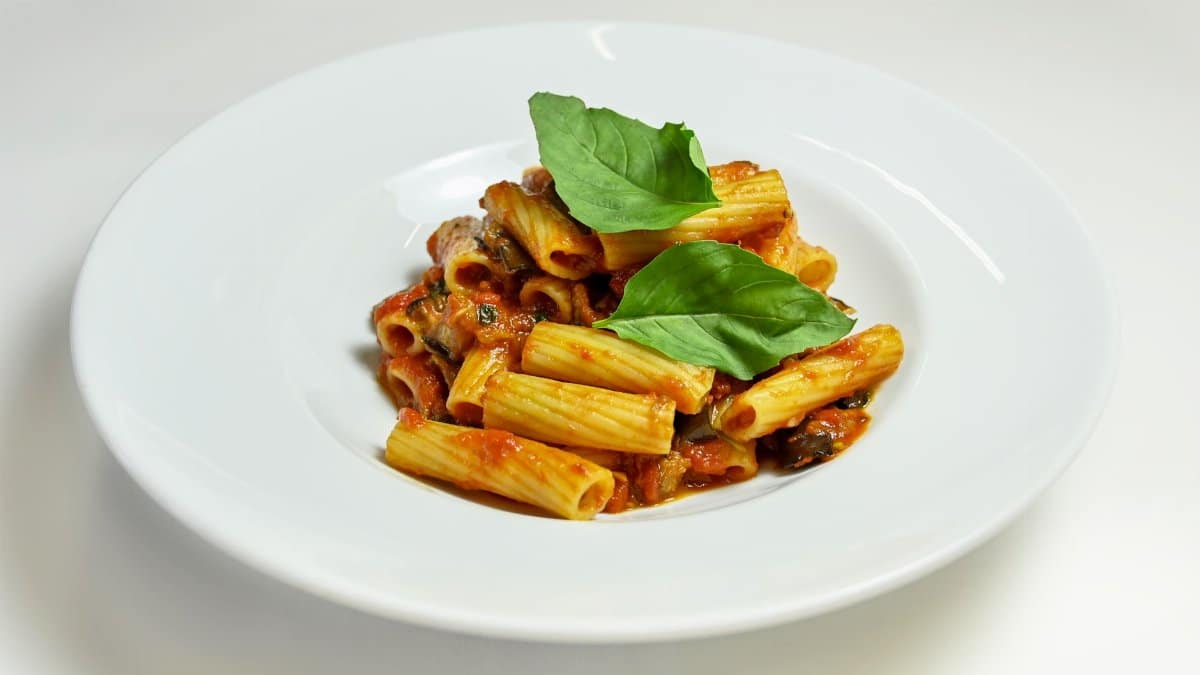
On a weeknight in South Philadelphia, a short line outside a pasta room can say as much as the menu. People wait because the bowls are careful and the tables are few. That tension is what makes the Fiorella Pasta expansion worth a closer look. Marc Vetri’s pasta bar has converted an alley into eight new indoor seats, lifting capacity by more than 50 percent. On a city map the change is small. For anyone who has stood on the sidewalk hoping a table for two would open, it is the difference between a maybe and a meal. The room is still intimate. It is simply less impossible.
A room that was always near its limit

Small restaurants live by a hard arithmetic. Every seat is a promise, and every empty minute is a cost the kitchen cannot ignore. Fiorella built its reputation in a space that felt full even when it was quiet, the kind of room where a server can cross from the pass to the far wall in a few steps and still know who is waiting on a second glass. That tightness was part of the charm. It was also a ceiling. When demand outruns the floor plan, a restaurant does not get to invent time. It gets a longer wait, a shorter turn, or a night when regulars stop trying.
Adding eight indoor seats does not turn a pasta bar into a banquet hall. It does change the math. If the previous dining room held a modest number of covers, a gain of more than half is not a cosmetic refresh. It is a structural shift in how many people can be fed without pushing the kitchen past the point where pasta suffers. Dough, water, and a boiling pot do not scale the way a fryer does. The new seats only work if the line behind them can keep the same pace and the same standard.
What an alley can become
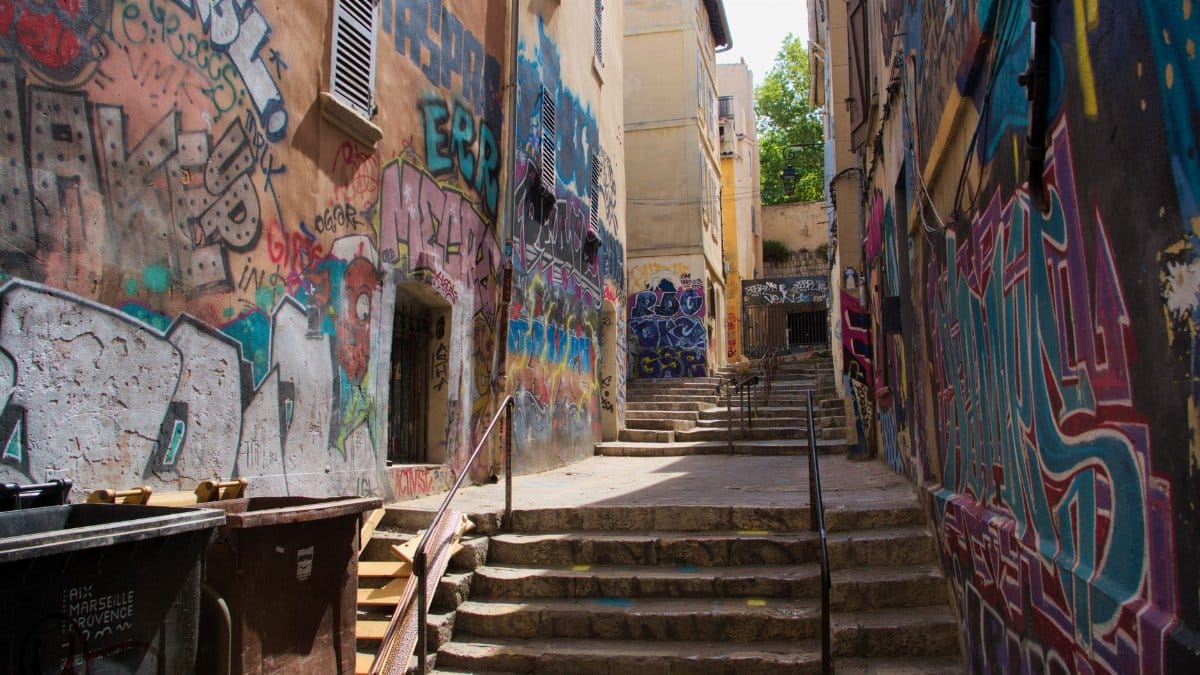
Alleys in South Philadelphia are working spaces. They hold trash bins, delivery crates, a smoker on a slow afternoon, the path a cook takes when the front door is jammed with guests. Turning one of those passages into dining room is a statement about land and about intent. The restaurant did not buy a neighboring storefront or jump to a second address. It claimed space it already touched and brought it inside the life of the meal.
That choice fits a city where restaurant real estate is scarce and awkward. A wider room might have been cleaner on paper. An alley conversion keeps the address, the neighbors, and the walk that regulars already know. Guests who once passed a blank side wall may now sit where a cart used to roll. The romance of that is easy to oversell. The practical gain is clearer. Eight more people are out of the weather, under the same roof as the pasta, close enough to hear the room without standing in it.
Eight seats and a different night
Eight seats can be two tables of four, or four tables of two, or some mix that shifts with the book. In a pasta bar those configurations matter. A couple who wants to talk can sit without feeling parked in a party. A family that would have been turned away on a Friday can now fit. The host stand, if the room even thinks of itself that way, gains a little slack. Walk up guests, the ones who treat a weeknight like a coin flip, have a better chance of landing before the kitchen starts to wind down.
None of this guarantees a calm service. More seats can mean more tickets at once, more water glasses, more requests to split a plate that was never meant to be split. The test of the new layout will not be the first photographed evening. It will be a random Tuesday when three tables turn at the same moment and the pasta still arrives hot, sauced, and unhurried. Capacity is a number. Hospitality is whether that number still feels like care.
Why capacity is a kitchen problem
From the dining room, expansion looks like furniture. From the line, it looks like timing. Fresh pasta wants a short path from water to plate. A sauce that breaks or a noodle that sits is not a detail guests forgive because the room got prettier. When covers rise by more than half, the station that portions, boils, and finishes has to absorb that rise without adding chaos. Sometimes that means another set of hands. Sometimes it means a tighter mise en place and a refusal to let the menu wander.
Vetri’s kitchens have long treated pasta as a craft with rules, not a mood. The public story of this project is about seats. The private story, the one cooks will feel in their shoulders, is about whether the extra covers stay inside the craft. A restaurant can survive a cramped dining room. It cannot survive a reputation for bowls that used to be better. The Fiorella Pasta expansion will be judged less by square footage than by whether the eighth new seat gets the same bowl as the first.
South Philadelphia as the setting, not the backdrop
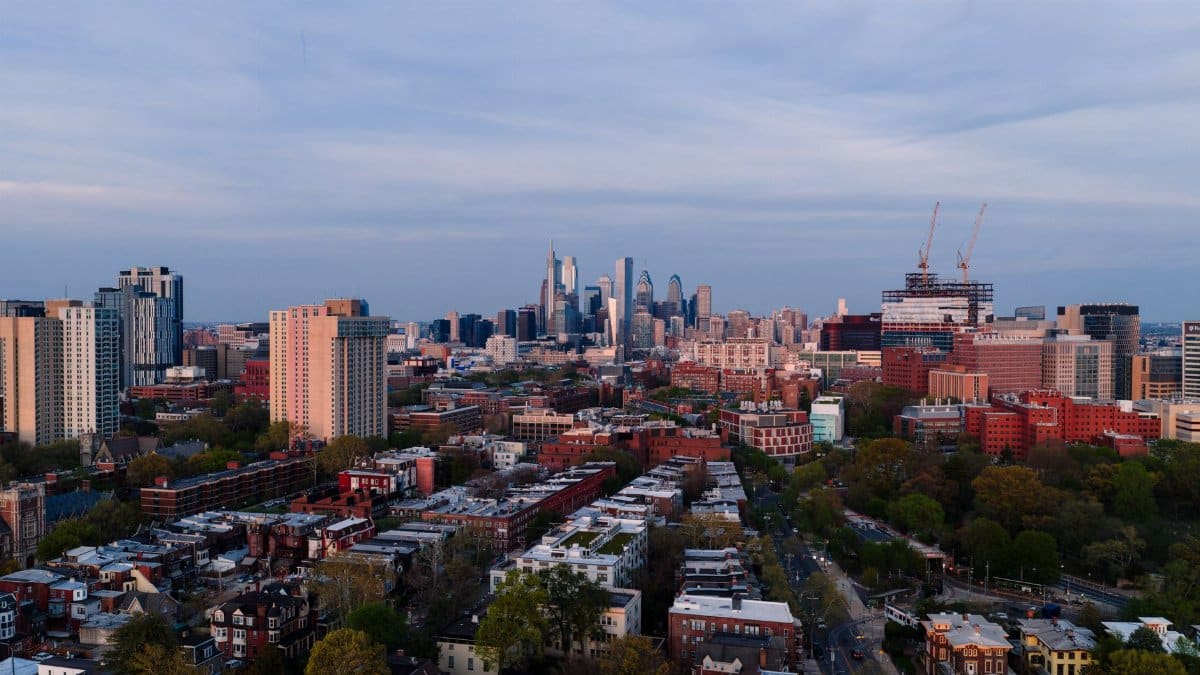
The neighborhood is not a garnish. South Philadelphia has carried Italian American cooking for generations, in red gravy rooms, in bakeries, in shops where a clerk still asks how many you need rather than how you would like it branded. A pasta bar in that landscape is both heir and newcomer. It borrows a food culture people already trust and asks them to sit for a more composed version of a weeknight staple.
An expansion here reads differently than the same eight seats in a downtown tower. Neighbors notice when a side passage becomes a dining room. They notice parking, noise at close, and whether the sidewalk still belongs to the block after the last table leaves. A restaurant that grows in place has a chance to stay a neighbor. A restaurant that grows only as a brand has a chance to feel imported even on its own corner. The alley project, modest as it is, leans toward the first path.
How a guest will actually feel the change
Most diners will not calculate percentages. They will notice whether they got in. They will notice if the new seats feel like the old room or like an annex someone apologized for. Light, noise, and the sightline to the rest of the floor decide that faster than any press note. If the alley seats are colder, louder, or visually cut off, guests will know, and they will say so in the only review that matters at 8 p.m.: whether they want to come back.
There is also the small theater of arrival. A room that used to turn people away can now say yes a little more often. That yes changes the mood of the staff as much as the mood of the guest. Refusal is exhausting, even when it is polite. A few extra tables will not end the wait list on a Saturday. They can end the sense that the restaurant is performing scarcity as a personality. Scarcity made the place feel special. It also made it brittle.
What growth asks of a small identity

Fiorella’s appeal has been focus. Pasta, a short list, a room that does not pretend to be everything. Expansion is where focus gets tested. Owners add seats because the demand is real and the rent is real. The risk is that the room starts to chase the demand instead of the dish. More covers can tempt a longer menu, a louder playlist, a second concept squeezed into the same night. None of that is required by eight seats. All of it becomes easier to justify once the floor is larger.
The better version of growth is almost dull. Same pasta program. Same standard for a bowl that leaves the pass. A few more chairs, a path through what used to be outside, and a service that still knows names or at least knows the pace of the room. Readers who love this kind of restaurant are not asking for a flagship. They are asking not to lose the reason they cared. In that sense the Fiorella Pasta expansion is a conservation project as much as a construction one.
Reservations, walk ups, and the politics of a table
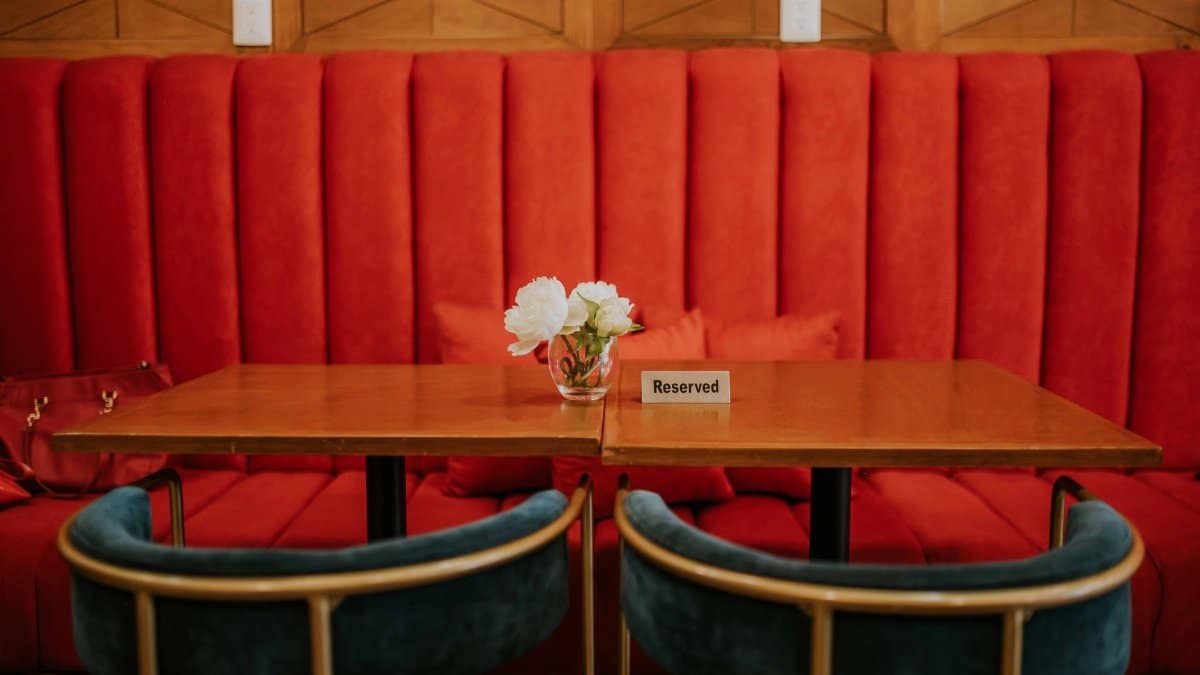
Every added seat rearranges a small social order. Regulars who could once count on a familiar corner may find that corner assigned to a reservation made weeks out. Walk up diners gain hope and also a new kind of uncertainty, because a bigger book can fill just as fast as a small one. Staff have to decide, night after night, who waits and who sits, without turning the door into a contest.
There is no neutral system. A book that favors reservations rewards planning and punishes spontaneity. A book that favors the door rewards people who live nearby and can linger. Philadelphia has both kinds of diners in large numbers. A pasta bar that wants to stay a neighborhood room and also a destination will feel that split at the host desk. Eight seats do not solve it. They give the desk a little more room to be fair.
Money, labor, and the quiet side of more covers

More seats can mean more revenue. They also mean more wages, more dishes, more linen, more of the unglamorous costs that never make the opening caption. A gain of more than 50 percent in capacity is meaningful only if the average check and the turn time hold. If the new seats sit empty on Mondays, the alley is a nicer hallway. If they fill and the kitchen falls behind, the extra sales come with comps, delays, and a staff that burns out before the investment pays back.
Labor is the constraint nobody photographs. Philadelphia restaurants have spent years hiring in a tight market, training people who may leave for a job with better hours, and trying to keep experienced cooks on the line. An expansion that ignores that reality is just furniture. An expansion that budgets for another cook, another server, and a slower ramp will have a chance. Guests rarely see that spreadsheet. They taste it when the third plate of rigatoni arrives as carefully as the first.
Rigatoni, and the case for staying specific
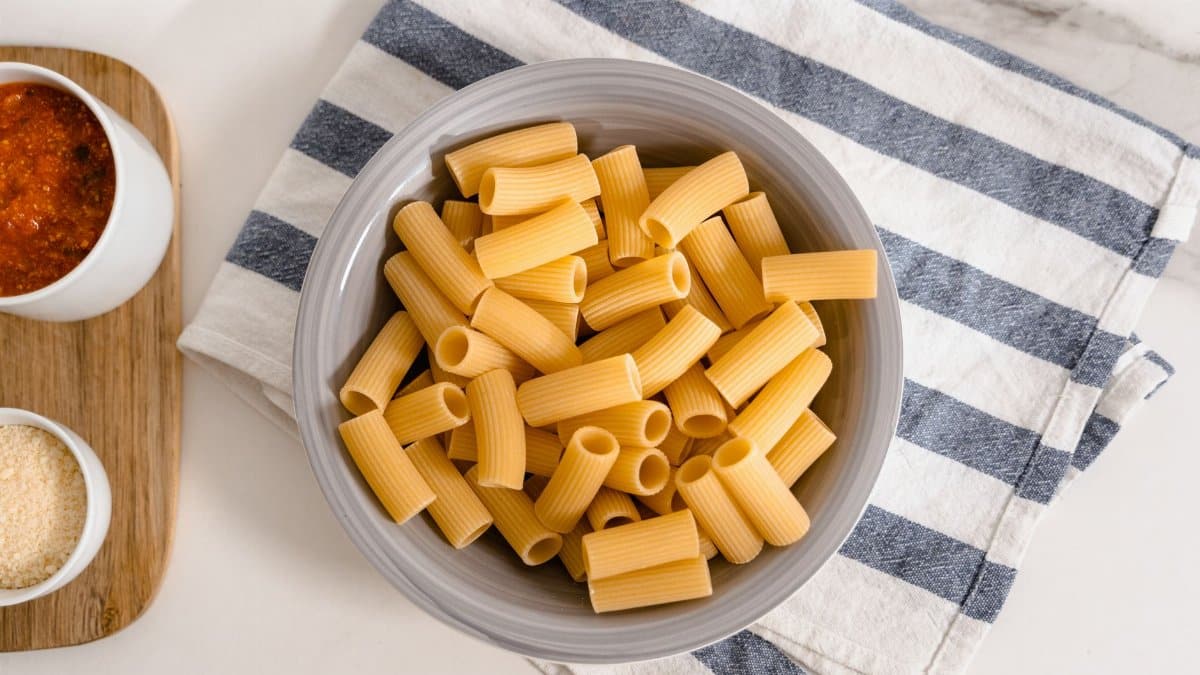
The dish in the headline is not an accident. Rigatoni is a shape people understand, a tube that holds sauce and does not require a lecture. It is also a test. Too soft, and the bowl feels careless. Too stiff, and the restaurant has asked you to work for dinner. A room that makes room for more rigatoni is making room for more of that test, repeated across more tables, on more nights.
Specificity is how a pasta bar stays honest. Not every shape, not every region, not a tour of Italy printed on heavy paper. A few things done until the staff can do them tired. When a restaurant grows, the temptation is to become a general Italian house because general feels safer to a bigger crowd. The tighter bet is braver. Keep the shapes that already earned the wait. Let the new seats meet that menu, rather than asking the menu to swell until it matches the seats.
A city still willing to go out for dinner
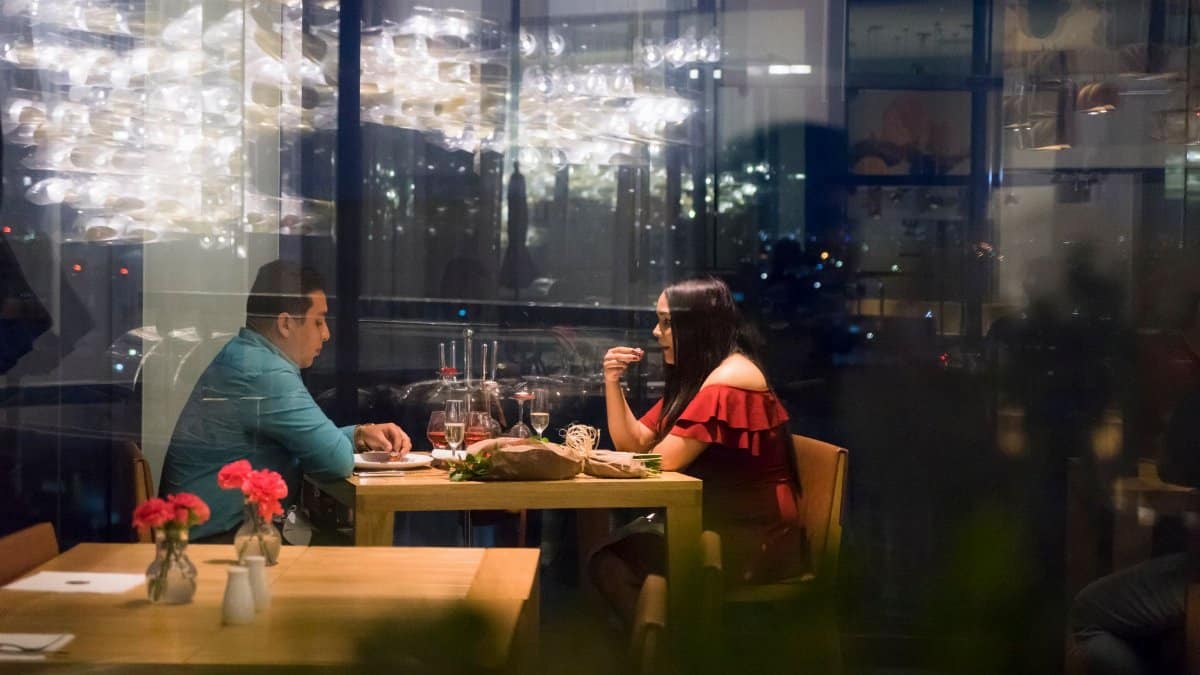
Philadelphia’s dining public has been pulled in several directions at once: higher menu prices, fewer weeknights out, a stubborn appetite for rooms that feel like someone is paying attention. In that climate, a small expansion at a known pasta address is a vote of confidence. It says the owners believe people will keep crossing the city, or crossing the block, for a bowl that is not a compromise. It also says they would rather solve the crush at this address than open a pale copy somewhere easier to park.
That belief is not guaranteed to pay. Dining habits shift. A wet winter can empty a room that looked invincible in October. Still, the signal matters. When a respected kitchen spends money to seat more people in the same neighborhood, it treats demand as something to meet, not something to brand. The Fiorella Pasta expansion sits in that category. It is not a new empire. It is a bet that the existing one, measured in bowls and regulars, still has unused hunger.
What success should look like six months from now

The wrong scoreboard is opening week. A packed alley and a flurry of posts can flatter any floor plan. The better scoreboard is quieter. Do the new seats stay in the reservation mix, or do they become the tables staff apologize for. Does the wait on a Friday shrink enough to matter, or does it simply move ten feet to the left. Do cooks still recognize the food as theirs. Do neighbors still feel the block is livable after close.
If those answers hold, eight seats will have done more than boost a capacity figure. They will have let a small restaurant remain itself while serving more of the people who already wanted in. That is a modest civic good, the kind cities actually feel: another table, another bowl, another night when someone did not have to give up and order in. If the answers slip, the alley will still be indoor, and the percentage will still look impressive, and the room will have grown in the only way that does not count.
Holding the standard while the floor gets larger
I have sat in enough celebrated small rooms to know that charm and crowding get confused. A wait can feel like proof. It can also be a design flaw everyone agreed to romanticize. The useful question, once the alley is a dining room, is whether Fiorella needed the crush to seem important. If the pasta is as good with a little more air between tables, the crush was never the point. The point was the bowl.
Marc Vetri’s South Philadelphia pasta bar now has more room to prove that. The reported gain, eight indoor seats and a capacity increase of more than 50 percent, is large for the footprint and small for the city. That proportion feels right. The Fiorella Pasta expansion does not ask Philadelphia to learn a new address. It asks a familiar kitchen to feed a few more people without losing the reason the line formed in the first place. There is now more room for rigatoni. The harder, better task is to make sure the rigatoni still deserves the room.