

In the remote reaches of Northern California forests a quiet transformation unfolds as native groups move to reclaim territories lost over generations. Amid towering pines and winding rivers the Quartz Valley tribe advances toward ownership of vast holdings that carry deep cultural weight. This step reflects ongoing efforts to address past displacements and restore balance with the earth. Discussions with state officials led to creative financing that makes the transfer possible without immediate full payment. Observers note how such actions ripple through policy circles and inspire similar initiatives elsewhere. The return touches on themes of identity memory and stewardship that resonate far beyond one county. Through this process ancestral land California becomes more than a phrase it turns into tangible reality for descendants who have long held stories of these places in their hearts.
Roots of the Agreement in Siskiyou County
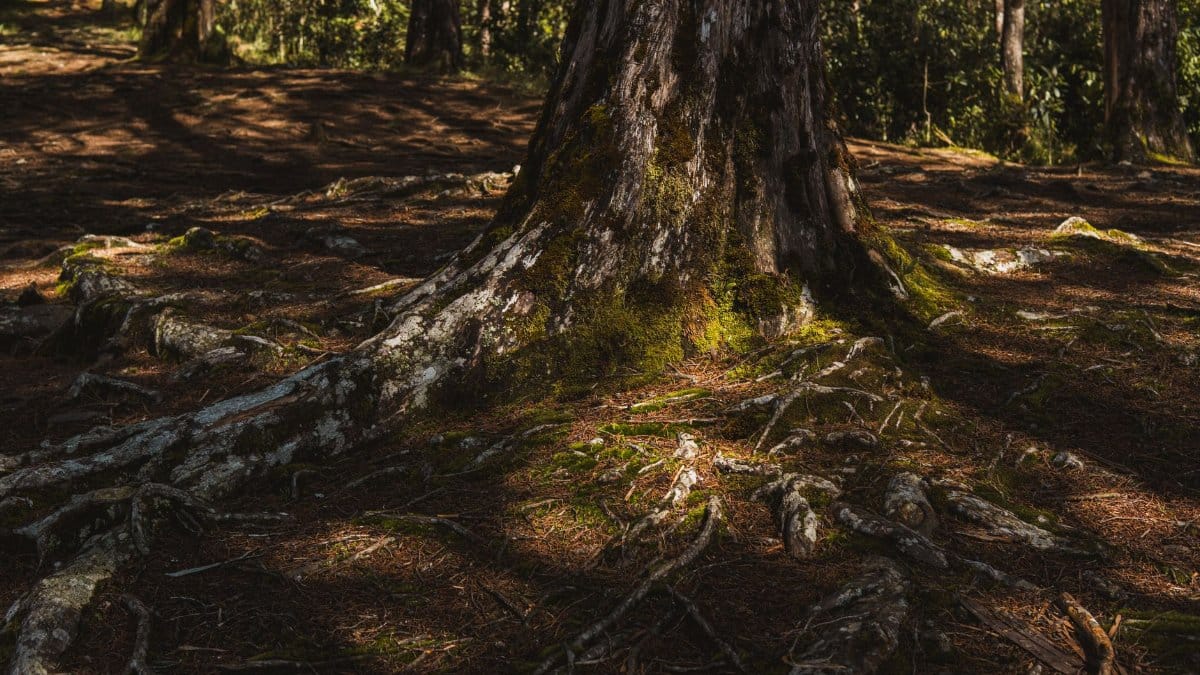
The deal centers on property near the Klamath River where the tribe maintains historic ties. State backed loans provide the bridge to acquisition covering nearly 40000 acres of mixed terrain. Local leaders describe the land as essential for hunting gathering and spiritual practices that predate modern boundaries.
Role of State Support in Tribal Acquisitions

California officials crafted financing tools that lower barriers for native nations seeking to buy back territory. These mechanisms avoid traditional bank hurdles and acknowledge the unique status of sovereign groups. The approach draws from lessons in other western states where similar transfers occurred over the past decade.
Cultural Practices Tied to the Returned Territory

Elders speak of salmon runs and seasonal migrations that defined life along these waterways for centuries. With control restored the community plans controlled burns and habitat work to revive ecosystems strained by outside management. Youth programs will incorporate traditional knowledge to pass skills forward.
Broader Movement Toward Land Restoration Nationwide

Across the country tribes pursue parallel paths through purchases donations and policy changes. This California example stands out for its scale and the collaborative tone between government and native representatives. Analysts track how economic factors and public awareness converge to enable progress.
Challenges in Managing Large Scale Holdings

Once the transfer completes the tribe faces tasks of mapping resources setting access rules and funding upkeep. Partnerships with universities and conservation groups offer expertise while preserving tribal authority over decisions. Early planning emphasizes sustainability over rapid development.
Voices from Within the Quartz Valley Community
Members express quiet satisfaction mixed with resolve to honor ancestors through careful stewardship. Stories shared around firesides connect current events to eras when the land supported thriving populations. The acquisition strengthens resolve to protect water quality and wildlife corridors.
Economic Opportunities Emerging from Ownership

Tourism centered on guided cultural tours and sustainable forestry could generate revenue while aligning with community values. Grants for restoration projects add another layer of support. The focus remains on long term viability rather than short term gains.
Looking Ahead for Ancestral Land California

Future phases may expand holdings as resources allow and relationships with neighbors evolve. Success here could serve as a model for other groups eyeing ancestral land California in different regions. The emphasis stays on healing connections between people and place that time and policy once severed. This path forward blends pragmatism with reverence for what came before and what might yet return.