
On a cold morning in Gary, the first machines arrived before most of the neighborhood had finished coffee. Limestone that had stood since 1926 began to come down in measured bites, and people who had walked past the ruin for decades stopped on the sidewalk to watch. City Methodist Church, long a silhouette against the lake sky and a favorite subject for photographers, is no longer only a question of memory. The city has started demolition, citing danger to children at a nearby elementary school and a structure that engineers have called unstable for years.
A landmark that outlasted its congregation
The church rose in the boom years, when Gary was a company town built around steel and the promise of steady wages. Methodists wanted a sanctuary large enough for a growing city, and they got one: soaring arches, a vast sanctuary, and stonework meant to signal permanence. At its height the building could hold thousands. Choirs filled the nave. Weddings and funerals marked ordinary lives in a place that felt, to many families, like the center of town.
Industry did not stay at that height. As mills cut shifts and families left, the congregation thinned. By the mid 1970s services had ended. The doors closed. What remained was the shell, impressive and increasingly unsafe, a Gothic outline with no weekly bulletin and no ushers at the door.
Why the city says it can wait no longer
Gary officials have argued for years that the ruin is not a romantic postcard. Falling masonry, open floors, and weakened roofs create a hazard in a dense part of the city. The elementary school nearby sharpened the argument. Parents and administrators did not need a lecture on architectural history to worry about stone coming loose on a windy afternoon, or about teenagers treating a condemned building as a dare.
Demolition is expensive, slow, and politically fraught. Leaving the church standing was also expensive, in fencing, emergency responses, and liability. The decision that work would begin reflects a judgment that delay had run out of excuses. Safety, in this telling, outranks sentiment. That does not make the loss smaller. It explains why the cranes are there.
What preservationists tried to save

Advocates did not treat the building as a lost cause from the start. Over decades they proposed partial stabilization, a ruin garden, a performance shell, even a careful mothballing that would buy time for a developer with money and nerve. Grants were discussed. Tours were imagined. Renderings circulated of a nave open to the sky, planted and lit, a civic room rather than a church in the old sense.
Those plans collided with arithmetic. Stabilizing a structure of this scale costs real money, and Gary has many claims on a limited budget: schools, housing, water lines, public safety. A beloved ruin does not generate tuition or tax revenue by itself. Philanthropy arrived in spurts, never in the sustained sum required to make the stone safe and useful. Preservationists can describe the cultural value with precision. They cannot conjure a balance sheet the city does not have.
The school next door and the daily risk

Distance matters when masonry fails. An elementary school is not an abstract neighbor. It is pickup lines, recess, and small bodies on sidewalks. City leaders have pointed to that proximity as the fact that ended the debate. A collapsed wall does not ask whether a photographer loved the tracery. It asks who was standing underneath.
Residents who live on those blocks have lived with both feelings at once. They know the church as a landmark and as a worry. Some locked their curiosity away after a child asked to sneak inside. Others still pause when the light hits the tower. The demolition does not erase that double vision. It forces a choice the block has postponed.
How a church became a national image
Long after the last hymn, City Methodist Church became famous in a different way. Photographers posted the empty sanctuary online. Film crews used the decay as atmosphere. Urban explorers traded directions. For people who never set foot in Gary, the church stood in for a whole story about the industrial Midwest: grandeur, abandonment, and the uneasy beauty of things left behind.
That fame cut both ways. Attention brought sympathy and sometimes donations. It also encouraged trespass, which sped the damage and gave officials another reason to call the site a threat. A building can be a symbol and a crime scene in the same week. The images that made strangers care also made the interior less intact for anyone who hoped to reuse it.
Memory in a city that has already lost a great deal
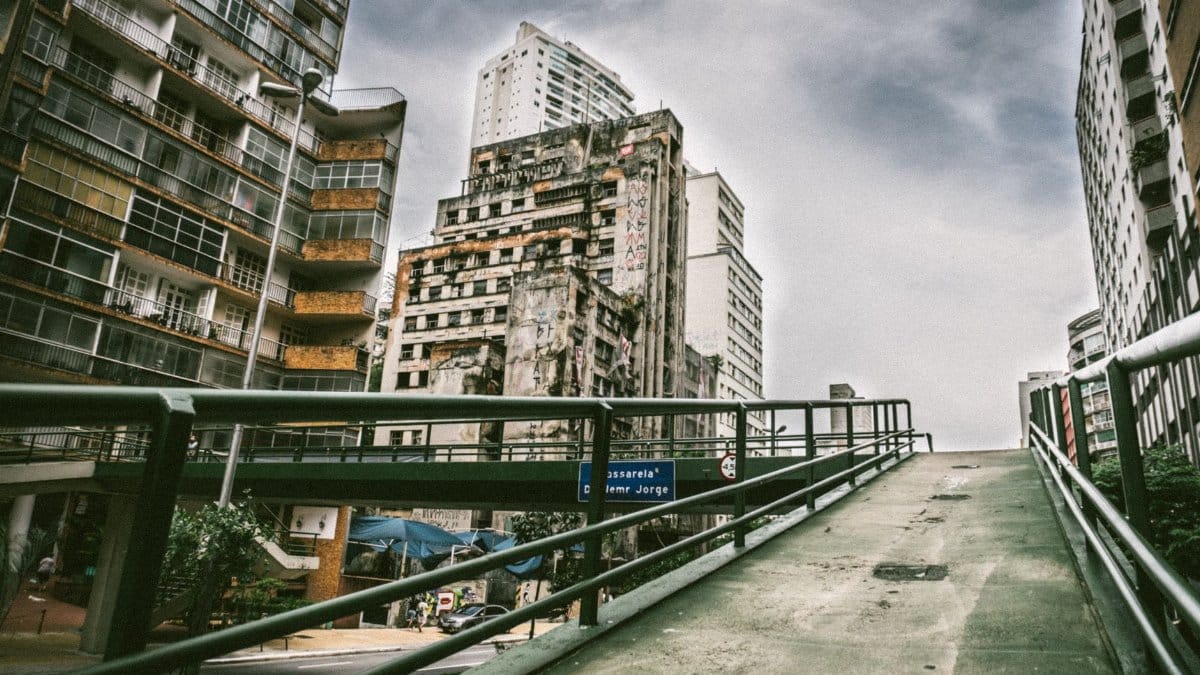
Gary’s story is not only a church story. It is mills, migration, white flight, Black political power, disinvestment, and stubborn civic pride. Residents have watched schools close, storefronts board up, and landmarks vanish or linger as shells. Each loss is specific. Together they produce a feeling that history is being edited by budget memos.
People who say they are losing their history are not only talking about stained glass. They mean the record of who gathered, who sang, who buried parents, who believed the city was on the way up. A sanctuary holds those traces even after the congregation is gone. When the walls come down, the traces have to live somewhere else: in albums, in oral history, in the muscle memory of a street corner that no longer has that shadow.
Faith after the building
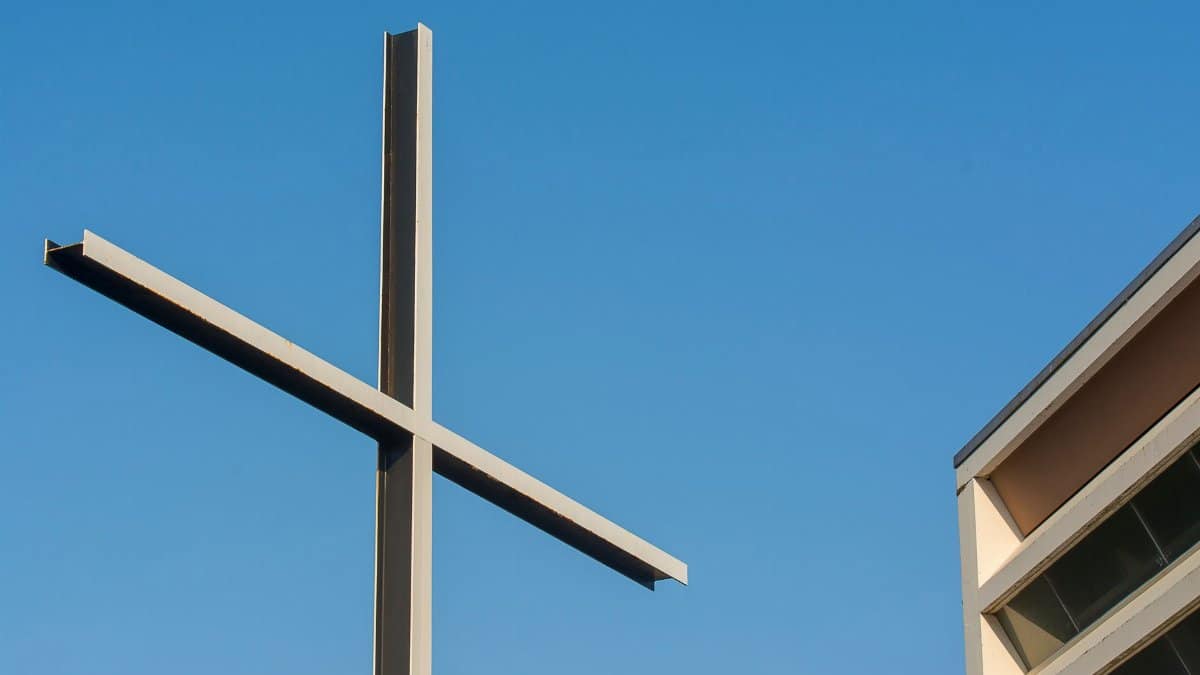
Methodism in Gary did not end when this particular nave went dark. Congregations moved, merged, or shrank. Faith, for people who still claim it, is not identical to limestone. Still, sacred space is not a metaphor only. It is where a community learned the sound of its own voice. To raze that room is to admit that the institution could not carry the container forward.
Some former members describe relief mixed with grief. Relief, because a dangerous ruin is a poor witness. Grief, because the place of their baptism is becoming fill. Spiritual life continues in smaller rooms, in living churches that pay their heat bills and lock their doors at night. The spectacle of demolition can obscure that quieter continuity. It should not.
What demolition actually removes
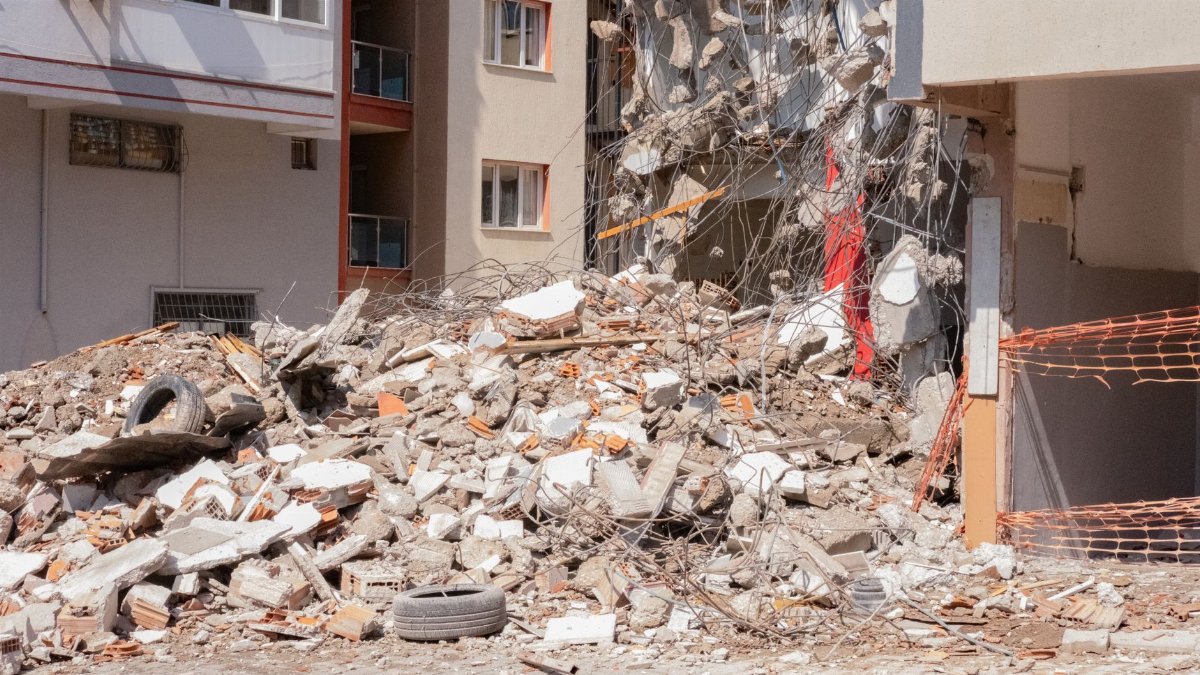
A careful takedown is not a single dramatic collapse for the cameras. Crews work section by section, managing dust, traffic, and debris. Stone, brick, and steel leave the site in trucks. Some materials may be salvaged if the contract allows and if anyone has a use for them. Much of it will not return as architecture. It will return as aggregate, or it will not return at all.
What disappears first is the silhouette. Drivers on nearby streets will notice the absence before they can name it. Then the block lightens. Then weeds and a fence, or a lot awaiting a plan that may take years, occupy the footprint. Absence has its own architecture. Cities learn it whether they want the lesson or not.
Arguments that will outlast the rubble
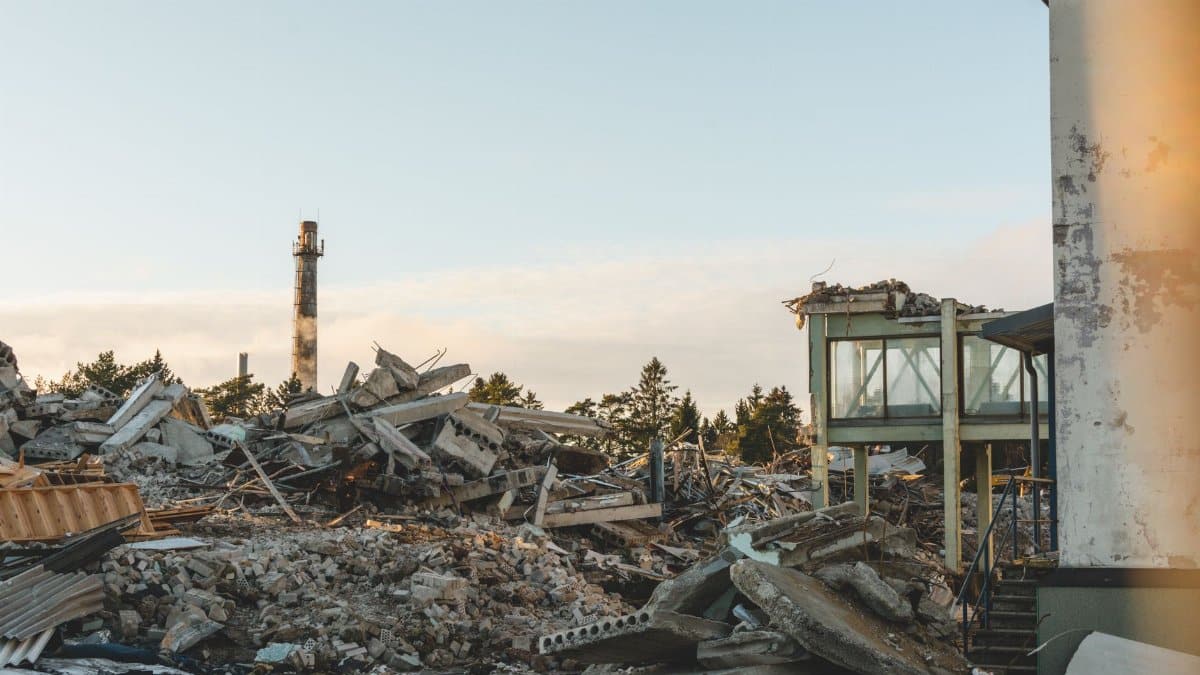
Critics of the demolition say Gary is discarding the one asset that made outsiders look twice. They argue that other cities have turned industrial ruins into parks, museums, and event spaces, and that imagination failed here as much as money did. Supporters answer that comparison is easy from a distance. Those other projects had patrons, safer structures, or both. They say a city cannot be scolded into a multimillion dollar rescue it cannot finance.
Both sides are describing real constraints. Cultural value is not imaginary because it is hard to price. Fiscal limits are not cruelty because they disappoint photographers. The honest account holds both facts without pretending they cancel each other. A landmark can be worth saving and still go unsaveable under the government that actually has to sign the checks.
What the block may become
No one should pretend the lot will bloom into a civic jewel next spring. Gary’s planning capacity is stretched. A cleared site near a school could become green space, parking, housing, or a long wait. The best near term outcome is simpler and less poetic: a place where children are not walking beside a wall that might fail.
Longer term, the city will be judged on whether the clearance was an ending or a start. Demolition without a next use is a familiar pattern in struggling downtowns. Residents have reason to ask, early and often, what replaces the view. A vacant lot can be safer than a ruin and still feel like another subtraction.
How to remember without trespassing
The church’s afterlife in pictures is already large. Archives, libraries, and family albums hold weddings, Easter mornings, and the later images of ivy and broken pews. That record matters. It is also not a substitute for being careful. The site, while work continues, is not a gallery. Curiosity does not license entry. The same danger that justified demolition is present while the walls are coming down.
People who want to honor the place can do quieter things. They can record interviews with former members. They can support congregations that still serve Gary. They can press the city, in public meetings, for a plain account of cost, timeline, and the fate of any salvaged stone. Memory work is not the same as nostalgia that ignores a schoolyard.
A closing note on what remains standing
City Methodist Church will soon be a story told rather than a building entered, even illicitly. That shift is painful for anyone who measured Gary’s ambition by the height of that tower. It is also a reminder that cities are made of people who stay, not only of stone that fails. The demolition is a loss. It is not the whole of Gary, and it is not the end of faith, neighborliness, or the argument over what a former steel capital owes its own past.
Visitors who knew the church from a screen may feel the news as the deletion of an image. Residents will feel it as a change in the weather of their street. Both reactions are legitimate. The work now is to keep the history accurate, the children safe, and the next use of that ground from becoming another decade of nothing. A city that can say, without romance and without shame, what it could not save, still has a chance to say what it will build.