

On a week when many residents are comparing grocery receipts with property notices, Miami Dade commissioners face a smaller decision that will be read as a larger one. The question is whether a celebrated college football game still merits a public contribution once voters have chosen to cut taxes. The figure attached to that question is an Orange Bowl subsidy of as much as $550,000 a year, continuing through 2030. Set beside a county budget, the sum looks modest. Set beside a revenue loss measured in the hundreds of millions, it becomes a test of priorities.
What commissioners are actually weighing

The proposal, as described in local coverage of the commission agenda, would let the county support the Orange Bowl with a yearly payment that could reach $550,000 and would run through 2030. That is not a stadium construction bond. It is a subsidy for an event, renewed across several budget cycles, at a moment when the county expects Amendment 3 to strip away roughly $700 million in revenue. The contrast in scale is the first thing a careful reader notices. A payment capped in the hundreds of thousands cannot close a hole counted in the hundreds of millions. It can, however, reveal which discretionary commitments officials are willing to defend when the easy years are over.
How Amendment 3 rewrites the ledger
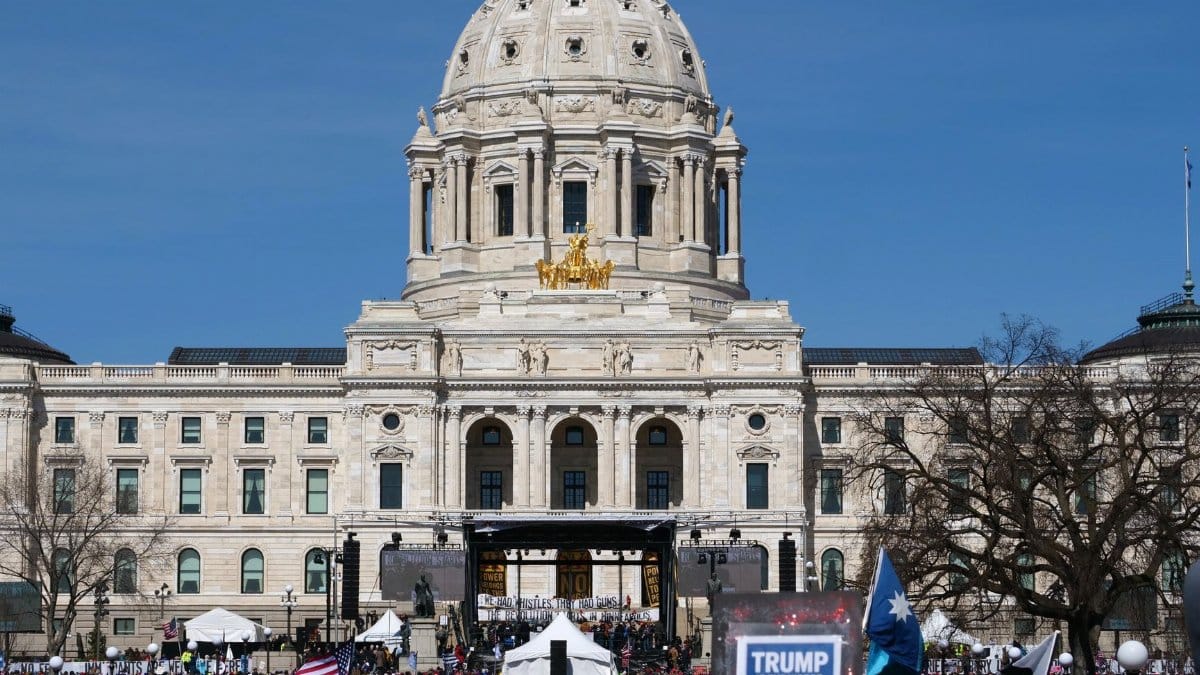
Amendment 3 is arriving in county politics less as an abstract ballot question and more as a missing pile of money. Local reporting has put the threatened revenue at about $700 million. For a government that funds police, courts, parks, housing programs, transit support, and emergency response, a cut of that size is not a rounding error. It forces a ranking of wants. Some obligations are legal. Some are political. Some are habitual. Sports subsidies often live in that third category, inherited from years when tourism promotion felt like a free good and hotel taxes seemed to expand on their own. A tax cut approved by voters does not erase those habits. It does make them visible.
Why the Orange Bowl still has friends in the room

Supporters of an Orange Bowl subsidy rarely argue that the game is a poverty program. They argue that it is a civic asset with a balance sheet attached. A nationally televised game fills hotel rooms, puts the county on a winter sports calendar, and gives officials a photograph that says the region still competes for attention. The bowl has a history longer than most of the people who will vote on the payment. In a place built on visitors, that history is not nothing. Promoters also note that $550,000 is a ceiling, not a guarantee that every dollar will be drawn, and that the annual cost is small next to the revenue shock from Amendment 3. If the county can still pave a road, they ask, why can it not still help stage a game that residents recognize by name?
Why skeptics hear a different question

Critics answer that the comparison is the problem, not the defense. If the revenue loss is about $700 million, then every optional check should be explained in the language of sacrifice, not tradition. A family waiting on housing help, a library cutting evening hours, or a clinic delaying a hire will not be comforted by a Saturday spectacle. Skeptics add a caution that does not require special expertise. Many spectators already live in the region and would have spent money nearby in any case. Visitors who come for the game can crowd out other guests during a busy week. Jobs tied to a single weekend are not the same as jobs that last. I do not need a fresh spreadsheet to see the political risk. Once residents believe that celebrations are funded more readily than services, trust thins quickly.
The difference between a trophy and a contract

There is a further distinction that commission debates sometimes blur. Praising a beloved game is not the same as approving a payment schedule through 2030. An Orange Bowl subsidy that runs for several years binds future boards that did not write the original announcement. If hotel tax collections weaken, or if Amendment 3 bites harder than forecast, the payment remains a promise unless the agreement allows an exit. Residents deserve plain answers. Can the county pause the money in a bad year? What results would justify keeping it? Who checks the claim that public dollars produced a public benefit? Without those terms, a modest payment becomes a precedent. The next festival, the next tournament, the next franchise will arrive with the same plea. We only need a little, and we have always done it this way.
What $550,000 can and cannot prove

It is tempting to treat the Orange Bowl subsidy as a symbol and stop there. Symbols matter in politics, but arithmetic still governs payrolls. $550,000 a year will not repair a revenue loss of about $700 million, and canceling the payment will not repair it either. Honesty requires both sentences. The sharper question is whether this is spending the county would choose if it built the budget from a blank page after the tax cut, rather than defending lines that were easier to justify when money was looser. If the answer is yes, commissioners should say why, in public, with benefits that can be checked later. If the answer is no, affection for a game should not be asked to substitute for a fiscal plan.
Services that will feel the cut first

The strain will not be distributed by press conference. It will show up in waiting lists, delayed repairs, and the quiet withdrawal of programs that never had a national broadcast. Parks, youth services, and housing assistance are often labeled flexible when the tax cut arrives. Public safety is politically harder to trim, which means the flexible column absorbs a disproportionate share of the pain. That is the setting in which a sports payment should be judged. Not as an insult to football fans, and not as a miracle of economic development, but as one choice among many in a county told to live with less. A subsidy can be legitimate. It cannot be legitimate merely because it is familiar.
The explanation residents are owed

Miami Dade has a little time, and very little narrative room, to get this right. Commissioners can approve the payment, reduce it, end it earlier than 2030, or decline it. Any of those choices can be defended. A shrug cannot. Voters who backed a tax cut did not vote for confusion. They voted to limit what government takes, and they will now watch which public claims survive the limit. If the Orange Bowl subsidy remains, it should remain because the county can point to a public purpose that outranks the next item on the cut list. If it does not remain, the game can still be played. The county will have shown that celebration is not automatically a budget priority.
A local vote with a wider echo
Other counties are watching this kind of collision, even if they do not share the same game or the same amendment. Across the country, governments have often treated sports as a special category, insulated from the skepticism applied to ordinary subsidies. Tax limits puncture that insulation. When revenue falls, the special category has to ask again for its exemption. Miami Dade will not settle a national argument. It can settle its own. The standard worth applying is simple enough to say without a consultant. Public money for a private spectacle needs a clearer benefit, a shorter leash, and a plainer exit than it needed in richer years. That standard does not ban joy. It refuses to let joy skip the line.