
On a weekday morning in Adams County, the work of a jail is mostly paperwork. Names go into a booking log. Release times get noted. Phone numbers sit in a file that most residents will never see. That ordinary record is now the subject of a court ruling with reach far beyond one rural lockup. A judge found that the county violated state law by cooperating with federal immigration officers, a decision built around the Keep Washington Working Act. The case is a win for Attorney General Nick Brown. The sheriff has said he plans to appeal.
A small jail, a large legal question
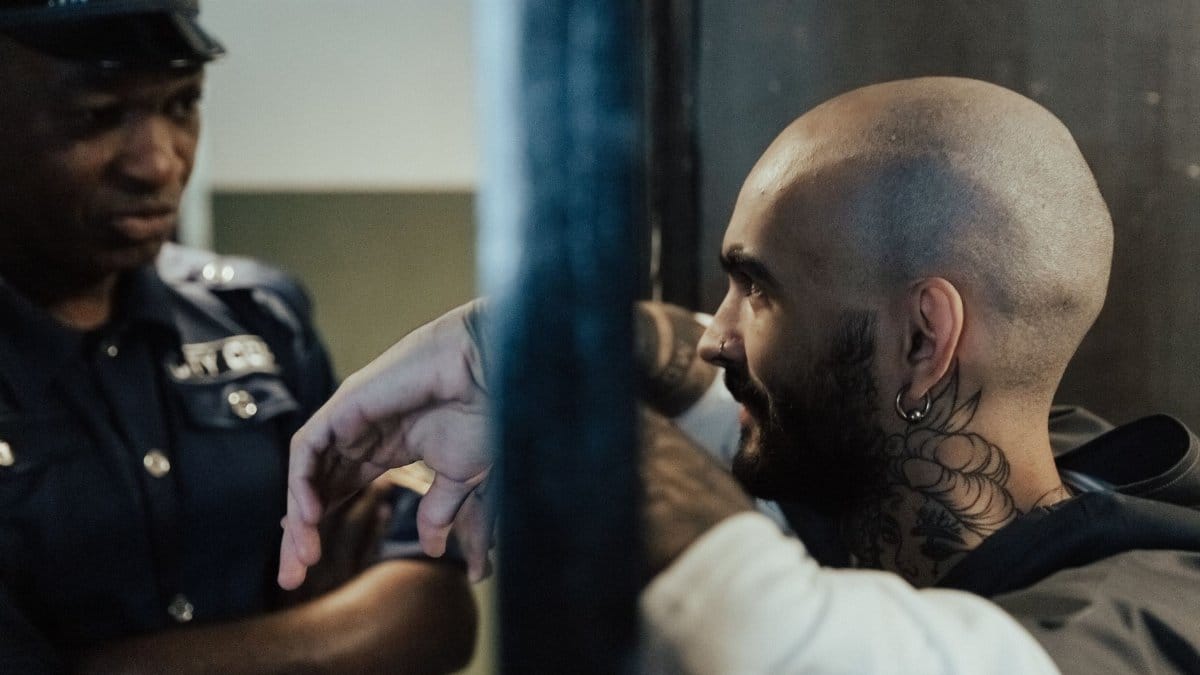
Adams County sits in the farm country of eastern Washington, far from the courtrooms of Seattle. Its jail is small. Its sheriff’s office does not run a large intelligence unit. Yet the question that landed there is the one lawmakers tried to settle in 2019, when they limited the ways local agencies may assist Immigration and Customs Enforcement.
The Seattle Times reported that a judge concluded the county broke state law by sharing jail data with ICE. The ruling is not a criminal conviction. It is a civil finding that local practice crossed a line the Legislature drew. For people booked into the jail, the stakes are plain. A detail that begins as a local booking note can become a tip that leads to detention and removal.
What the judge decided

The court did not invent a new ban on talking to federal agents. It applied an existing statute to a specific habit: the passing of jail information to immigration officers. According to that reporting, Adams County cooperated in ways the law does not allow, including the sharing of data from the jail.
The distinction matters. Washington still lets local police investigate crime, take fingerprints, and hold people on state charges. The prohibited conduct is narrower. Local agencies may not collect or share certain personal information for civil immigration enforcement, outside limited exceptions in the statute. A judge looking at booking data, release timing, and contact with ICE can decide that the purpose was immigration, not a local criminal case.
Readers should treat the finding as a conclusion about institutional compliance, not as a verdict on every deputy who answered a phone. Appeal courts will decide whether that reading of the record holds.
The promise inside Keep Washington Working
Keep Washington Working was presented in Olympia as both a civil rights measure and an economic one. Sponsors argued that farms, warehouses, and small businesses depend on people who will report crime, seek care, and show up for work without fearing that a jail booking will end in deportation. The title is deliberate. The law is not only about the lockup. It is about whether immigrant communities stay visible in the civic and commercial life of the state.
The statute limits what state and local agencies may do with nonpublic personal information when the goal is civil immigration enforcement. It also restricts the use of local resources to help ICE carry out civil arrests. Supporters said the rules would build trust. Critics, including some sheriffs, said the rules would tie their hands. Both claims have been part of the argument since the bill passed. The Adams County case is a clear judicial test of how far those restrictions reach when a jail shares what it already collected.
Why Nick Brown pressed the case

Nick Brown took office as attorney general with immigration cooperation already a live fight. His office treated the Adams County practices as a violation worth suing over, rather than a misunderstanding to be closed with a letter.
A win at the trial level gives the state a judicial statement that sharing jail data can break Keep Washington Working. Other sheriffs who send booking lists, answer questions about detainers, or let immigration officers browse local files will have to ask whether their routines look like the ones a court has rejected. County lawyers, more than activists, may be the first audience for that message.
The sheriff’s appeal

The plan to appeal is not a surprise. Local law enforcement leaders have argued for years that cooperation with ICE is a public safety tool, especially when a person in custody has a serious criminal record. From that view, a state law that limits information sharing looks like politics imposed on a jail that is trying to manage risk.
An appeal will test two things at once. One is factual: what was shared, how often, and for what purpose. The other is legal: how strictly a court should read the statute when a county says it was only answering questions or maintaining a longstanding relationship with federal partners. If an appellate court narrows the ruling, sheriffs elsewhere may treat Adams County as a warning that faded. If the ruling stands, the warning hardens.
A booking list that does quiet work

Jail data rarely looks dramatic on a spreadsheet. A name. A date of birth. A charge. A projected release. None of those fields is a confession. Together they can tell an immigration officer when to be waiting.
That is the heart of the state’s theory. Civil immigration enforcement often depends less on a dramatic raid than on a timely tip. If a local jail supplies the tip as a matter of routine, the jail has become part of the enforcement system even if no deputy drives anyone to a federal facility. Lawmakers tried to cut that pipeline. The judge found that Adams County left it open.
Fields, shifts, and people outside the courthouse
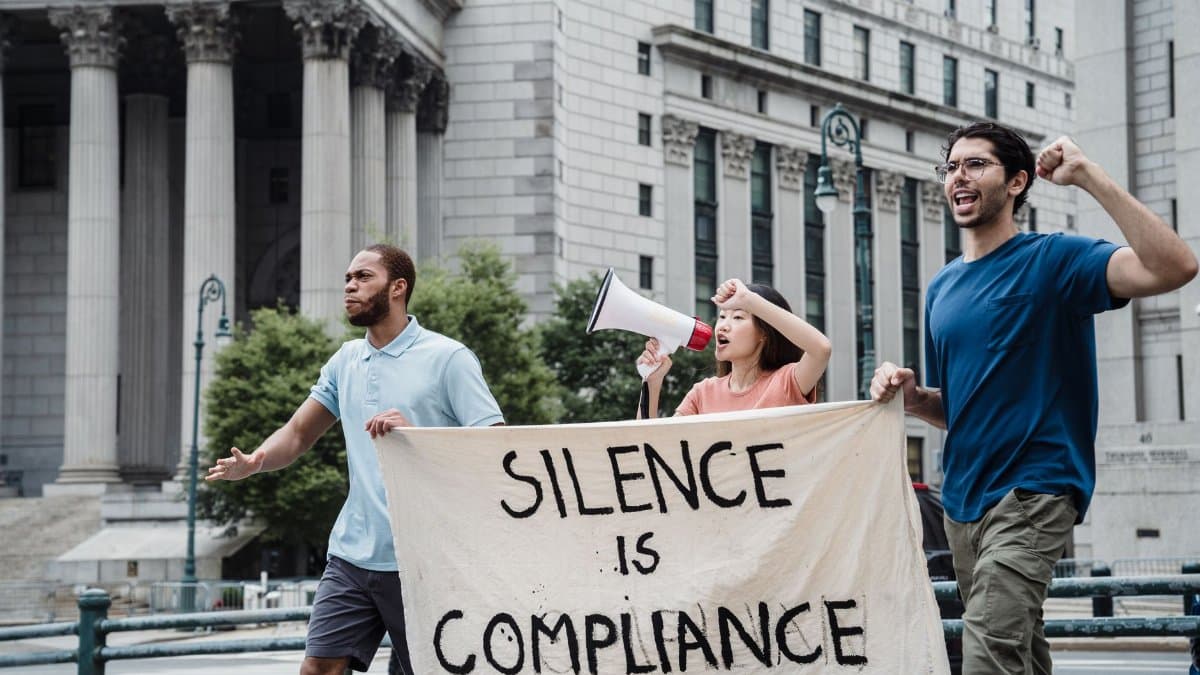
Adams County’s economy runs on agriculture. Packing sheds and fields employ citizens, lawful residents, and people without papers, often in the same crew. When word spreads that a jail shares information with ICE, the effect is not limited to those who are booked. Families skip meetings. Witnesses hesitate. Parents weigh a trip to the courthouse against the chance that a name in a database will travel.
Officials sometimes answer that fear by pointing to people accused of violent crime. The statute does not erase criminal law. A person charged with assault can still be held, tried, and sentenced under state law. What the state says it will not do is hand that file to immigration authorities as a civil courtesy. The line is easy to state and hard to patrol, which is why a lawsuit, not a press release, became the tool.
How other counties will read the opinion

Washington has dozens of jails and a patchwork of local habits. Some agencies rewrote policies after 2019. Others treated the law as vague and kept informal channels open. A single superior court ruling does not automatically bind every county, but it changes the risk calculation. Sheriffs will get briefings. City attorneys will look at police manuals. Risk managers, rarely quoted in immigration debates, will ask whether a practice now labeled unlawful is worth another lawsuit.
The attorney general has reason to treat the decision as a template. If Keep Washington Working is to mean the same thing in a farm town as it does in Seattle, the state needs more than a statute on the books. It needs agencies that believe a court will enforce it. That practical power sits apart from whatever specific remedy the judge ordered, a detail that will matter in the appeal but does not change the headline finding.
Trust, belonging, and the quiet withdrawal

People argue this fight in the language of sovereignty and crime. Underneath, it is also a fight about trust. A legal system works poorly when large groups of residents believe that any contact with it is a trap. Prosecutors need victims to come forward. Detectives need witnesses. Jails need families who will bring medication and post bail. If those people conclude that the county is a partner of ICE, they withdraw.
There is a moral register to that withdrawal that does not require a sermon. Neighbors in a small county see one another at the grocery store and at school games. A policy that sorts those neighbors into people the jail will quietly flag and people it will not is felt as a judgment about belonging. The authors of the statute tried to answer that judgment with a rule. A court has now said Adams County did not follow it.
What the next court can and cannot settle

Appeals are slow. While briefs are written, jails still book people every night. The sheriff can seek a pause in the ruling, or he can change practice while arguing that the judge was wrong. Either choice sends a signal. Continuing the old habit risks further liability. Stopping it may look, to his supporters, like surrender before the last word.
What an appeal cannot do is erase the political fact of the law. Keep Washington Working remains on the books unless the Legislature repeals it or a higher court finds it invalid. Nothing in the early reporting suggests the county won a constitutional strike against the statute itself. The fight, as described, is about compliance. That is a narrower and, for other agencies, a more useful fight. They do not need to admire the law to understand that a court has found one way of cooperating with ICE to be unlawful.
A question that will outlast the news cycle

Immigration enforcement in the United States swings with elections, executive memos, and the capacity of federal agencies. State limits on local help are among the few pieces that do not change with a single signature in Washington, D.C. That durability is why this case matters to people who will never visit Adams County.
If the ruling survives appeal, it will sit in the file that county counsels pull when a sergeant asks whether a booking list can go to a federal inbox. If it falls, the attorney general will have to decide whether to bring a cleaner case or to seek a clearer statute. Either way, the question remains. When a local jail shares what it knows, is it doing ordinary police work, or is it doing immigration work the state has forbidden?
For now the answer in Adams County is the second. A court has said the county broke the law. Nick Brown has a decision he can cite. The sheriff has an appeal he intends to file. And a name that once looked like routine paperwork is the reason a statewide promise is being tested in public.