
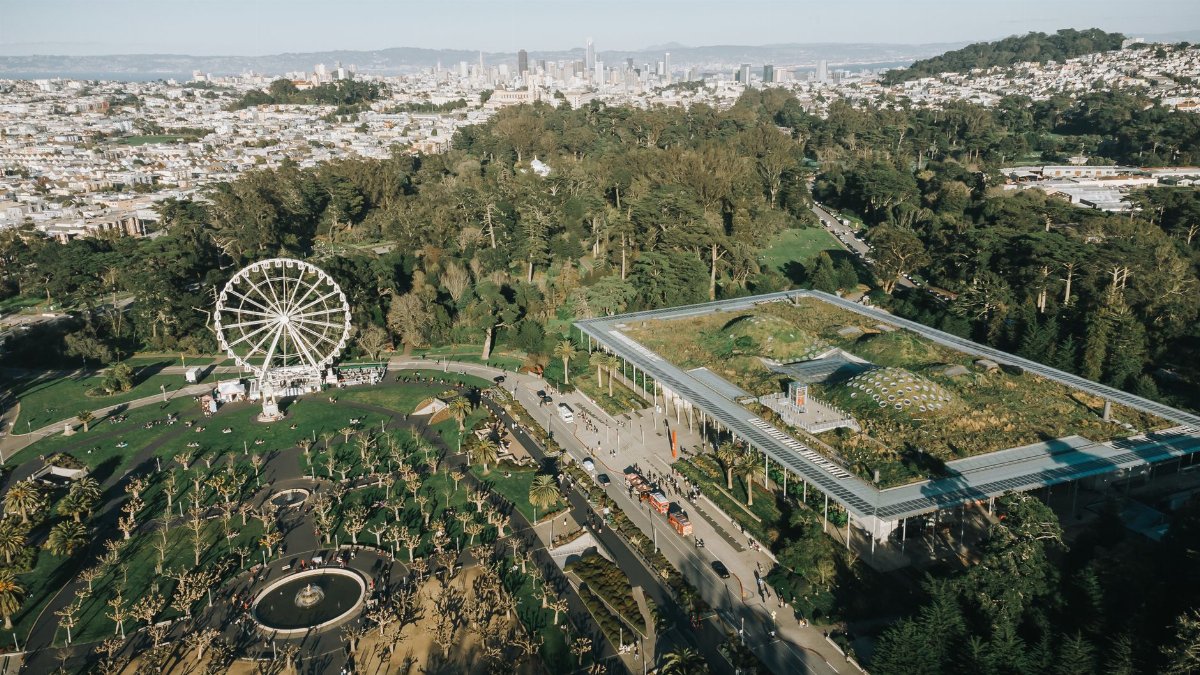
On a bright Sunday morning near the Music Concourse, a line of cars idled while drivers scanned the curbs for a space that would not punish them for staying. Golden Gate Park parking had become a small civic argument, the kind that starts with a meter and ends with a question about who a public park is for. Starting in January, San Francisco will cut the hourly rate to one dollar, down from as much as four, and it will stop charging after 3 p.m. and all day on Sunday. The reversal follows months of complaint from neighbors, garden clubs, museum visitors, and families who said the higher prices turned a shared landscape into a toll.
What the new rates actually change
The practical shift is simple enough to explain at a dinner table. During the hours when a fee still applies, a driver will pay one dollar for each hour rather than a rate that could climb to four. After 3 p.m., the meters go quiet. Sunday is free from morning until night. For a parent who arrives at noon for a picnic and leaves near dusk, the difference is not abstract. It is the price of milk, or a round trip on a bus, or the decision to come at all.
City officials have framed the cut as a correction, not a retreat from every parking policy in the park. Enforcement still exists where signs say it does. Accessible spaces, loading zones, and rules against blocking driveways do not vanish because the hourly number dropped. What changes is the cost of an ordinary visit, the visit that does not require a special permit or a reserved lot behind a museum.
Why the fees produced an outcry
The higher charges landed in a city already raw about the price of daily life. Rent, groceries, and transit fares have trained residents to read every new fee as a test of belonging. When Golden Gate Park parking rose, many people heard a message that the lawns, lakes, and gardens were being managed like a downtown garage. Letters, public comments, and neighborhood meetings filled with the same scene: an older couple who used to walk the rose garden, a youth soccer family, a painter who came for the light and left when the meter felt like a fine.
The anger was not only about dollars. It was about surprise. People who had treated the park as an extension of the sidewalk suddenly faced a schedule of prices that varied by hour and by day. Confusion breeds resentment faster than a clear rule ever does. A visitor who cannot tell whether Sunday is free, or whether 3 p.m. means the end of the charge, will assume the worst and tell friends the park has been priced out of reach.
Who comes, and why the price mattered

Golden Gate Park is not one audience. It is dog walkers from the avenues, tourists with a single afternoon, students between classes, and congregations that spill out after services and head for the meadows. It is also the de Young Museum and the California Academy of Sciences, institutions that draw people who may already have paid for tickets and do not want a second bill at the curb. When parking costs stack on top of admission, a family from the East Bay can decide the day is simply too expensive.
Workers matter in this picture too. Gardeners, cafe staff, security guards, and museum employees do not experience the park as leisure. A steep meter near a shift start is a pay cut. Neighbors who live on the park edge have long complained that spillover parking fills their blocks when the interior lots feel hostile. Lower interior rates may pull some of those cars back inside, which is one reason supervisors and park managers listened when the complaints grew loud.
A budget under pressure, and a public good
None of this erases the other side of the ledger. Recreation and park operations cost money. Lawns need water and mowing. Restrooms need cleaning. Paths crack. A city that has spent years patching deficits does not casually give up revenue. Parking fees were sold, in part, as a way to fund care of the very landscape people love. Critics of the cut will ask what program loses a gardener or a weekend cleanup because the meters bring in less.
That question deserves a straight answer rather than a slogan. If the higher rates were driving people away, the projected revenue was partly fictional. An empty space at four dollars an hour earns nothing. A full space at one dollar, occupied for a real visit, can still contribute while keeping the park in daily use. The political bet in January is that volume and goodwill will matter more than the peak price on a Saturday morning.
Afternoons, Sundays, and the shape of a day
Free hours are a design choice, not a footnote. Ending charges after 3 p.m. favors the after school rush, the worker who cannot arrive before late afternoon, and the person who wants golden light on Stow Lake without calculating a receipt. A free Sunday restores a civic habit older than any meter: the idea that one day of the week belongs to gathering without a transaction.
There is a risk in that design. If everyone learns that Sunday and late day are the bargains, those windows may clog while weekday mornings stay thin. Park staff will watch whether congestion simply moves rather than eases. A good policy can still create a new bottleneck. The test will be whether families spread their visits, or whether the free periods become the only periods anyone trusts.
What a visitor should expect

Anyone planning a trip should still read the signs on the block where they stop. One dollar an hour is not a promise that every curb in the park is open, or that a handicapped placard changes every rule, or that a special event has not reserved a lot. Museums may keep their own arrangements. A road closure for a race or a festival can override a mental map drawn from last year’s visit.
Golden Gate Park parking will remain easier to understand if the city publishes the hours in plain language at entrances, on tickets, and in the places people already check before they leave home. The outcry grew in the gap between a policy on paper and a driver at the curb. Closing that gap is as important as the rate itself. A dollar fee that people can predict will feel fairer than a four dollar fee they discover after the fact.
Equity is not the same as free everything
Some advocates wanted the meters gone entirely. Others wanted income based discounts, resident permits, or free hours only for people who can prove they live in the city. Each idea carries a cost in administration and a risk of excluding the very guests a great park should welcome. San Francisco has never been only a city of residents. Its park is part of a regional commons. A flat, low rate with clear free periods is blunter than a means test, and blunt tools are sometimes the ones people can actually use.
Equity also includes the person who does not drive. Cheaper parking can encourage more cars on streets that the city has tried, in other corridors, to calm. That tension will not be solved by a fee schedule alone. Frequent transit to the park, safe places to lock a bicycle, and paths that do not treat pedestrians as an afterthought remain the deeper answer for visitors who should not need a car to see a buffalo paddock or a fern dell.
How a local fight became a wider story

Parking rarely makes the front page unless it touches identity. This fight did, because Golden Gate Park is where San Francisco performs its idea of itself: open air, shared beauty, a landscape stitched from sand dunes into a public garden. When access starts to look like a luxury good, people who disagree about almost everything can agree that something has slipped. The January rates are a political response to that feeling as much as a spreadsheet adjustment.
Other cities will read the episode as a caution. Demand based pricing can work in a downtown core where the alternative is a private garage. Applied to a park, the same logic can look like a barrier at the gate of a public room. Officials who want both revenue and trust need to show the money returning as cleaner restrooms, safer paths, and programs people can name. Without that visible return, every new charge will be heard as extraction.
The months after the cut

January will not end the argument. It will supply evidence. If lots fill and complaints fall, the city can claim it heard its public. If revenue drops sharply and maintenance slips, the same public will ask what was traded away. If Sunday gridlock worsens on the avenues, neighbors will be back at the microphone. Policy is a season, not a plaque.
For now, the message from City Hall is plainer than it was when the higher rates arrived. Come in the afternoon. Come on Sunday. If you must pay, pay a dollar, not a sum that feels like a penalty for loving a park. Golden Gate Park parking is, at last, being treated again as a means of arrival rather than a lesson in scarcity. Whether that treatment lasts depends on what the city measures next: not only the money in the meter, but the people on the grass.