
The folding chairs were still warm from the afternoon sun when the crowd at Florida Memorial University settled in, and the political task in front of the room could be summed up in four plain words: Jolly Nixon Miami Gardens. David Jolly and Angie Nixon had come to an historically Black campus in a city that has repeatedly told Florida whether a Democratic campaign is alive or merely loud. Students sat beside pastors. Neighborhood organizers compared notes in the aisle. Nobody in the room needed a lecture on why their votes matter. They needed a reason to believe that attention would last longer than a single evening.
A campus built for more than ceremony
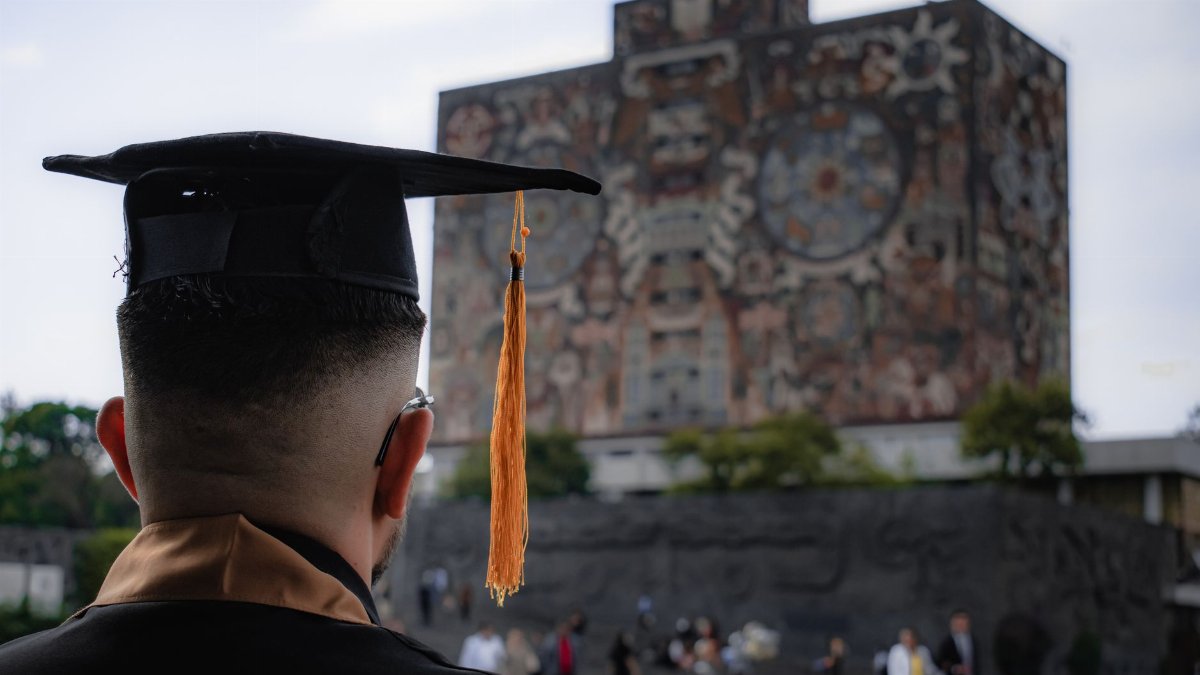
Florida Memorial University is not a backdrop. It is a civic institution in a city where education, church life, and politics have never been separate rooms. The school traces its lineage to Black Baptist educators who built a college when the state offered Black students little else. That history gives a campaign stop a different weight. A candidate who treats the campus as scenery tends to be remembered for it, and not kindly.
Miami Gardens itself carries a similar reputation. It is the largest predominantly Black city in Florida, tucked into the northern edge of Miami Dade, close enough to the glamour economy to feel its pressure and far enough from the waterfront to be ignored when budgets get tight. Residents talk about insurance bills, rent, flooding, youth jobs, and the long wait for ordinary public investment. Those subjects are not abstractions. They decide whether a household can stay.
Two candidates, one difficult room
Jolly arrived with a biography that still surprises people who remember Florida politics from a decade ago. He served in Congress as a Republican from the Pinellas coast, broke with his party during the rise of Donald Trump, and later crossed fully into Democratic politics. Nixon came from another direction. A state representative from Jacksonville, she has built a reputation as a blunt progressive voice, more likely to press her own party than to soothe it.
Put together, the pairing is an argument about addition. Jolly offers a story of conversion and suburban reach. Nixon offers urgency and a record of speaking to voters who feel taken for granted. Whether those stories reinforce each other, or simply share a stage, is the kind of question Miami Gardens is well equipped to ask. The city has heard many promises from candidates who needed its numbers and then vanished until the next filing deadline.
Why this city still sets the statewide tone
Florida Democrats have spent recent cycles explaining losses that once seemed unlikely. The party’s collapse in Miami Dade, the drift of Hispanic voters, and weak turnout in Black communities have been dissected in every campaign memo since 2020. Miami Gardens remains one of the places where that analysis either becomes a plan or stays a memo.
Black voters in South Florida are not a monolith, and they have grown impatient with being described as one. Older churchgoers, young renters, Caribbean families, and public employees do not share a single priority list. What they often share is a memory of being courted late and consulted rarely. A stop in this city is therefore less a rally than an audit. The questions are practical. Who will knock on doors in August. Who will fund local organizers. Who will still take the call after the cameras leave.
The pitch, stripped of spectacle

At Florida Memorial, the appeal from Jolly and Nixon turned on familiar Democratic themes, delivered to an audience that has heard them before and can tell when they are recycled. Affordability came first. Housing costs in north Miami Dade have pushed working families into longer commutes and thinner margins. Property insurance, a statewide crisis with a local face, hangs over homeowners who did everything the old advice recommended and still face premiums that feel like a second mortgage.
Education and public safety sat beside those pocketbook issues. Parents want schools that are funded and not used as stages for cultural fights. They also want neighborhoods where young people can walk home without a calculation. Criminal justice, voting access, and health care completed a list that is less ideological than weary. The candidates did not need to invent a new language. They needed to show they had listened to the old one.
Faith, campus, and the organizing map

In Miami Gardens, the path to a voter still often runs through a sanctuary or a campus office. That is not nostalgia. It is logistics. Churches remain among the few institutions that can gather several hundred adults on a weeknight without a corporate sponsor. Florida Memorial can gather students who will be first time voters and alumni who already know every broken promise in the county.
The spiritual life of the city is not a campaign accessory, even if consultants sometimes treat it that way. Congregations here have housed civil rights meetings, hurricane relief, and voter registration tables in the same halls. A candidate who understands that history speaks differently from one who arrives with a slogan and a bus. Jolly and Nixon were, in that sense, walking into a tradition older than either of their careers. Respect for that tradition is noticeable. So is the absence of it.
What Black voters have been saying for years
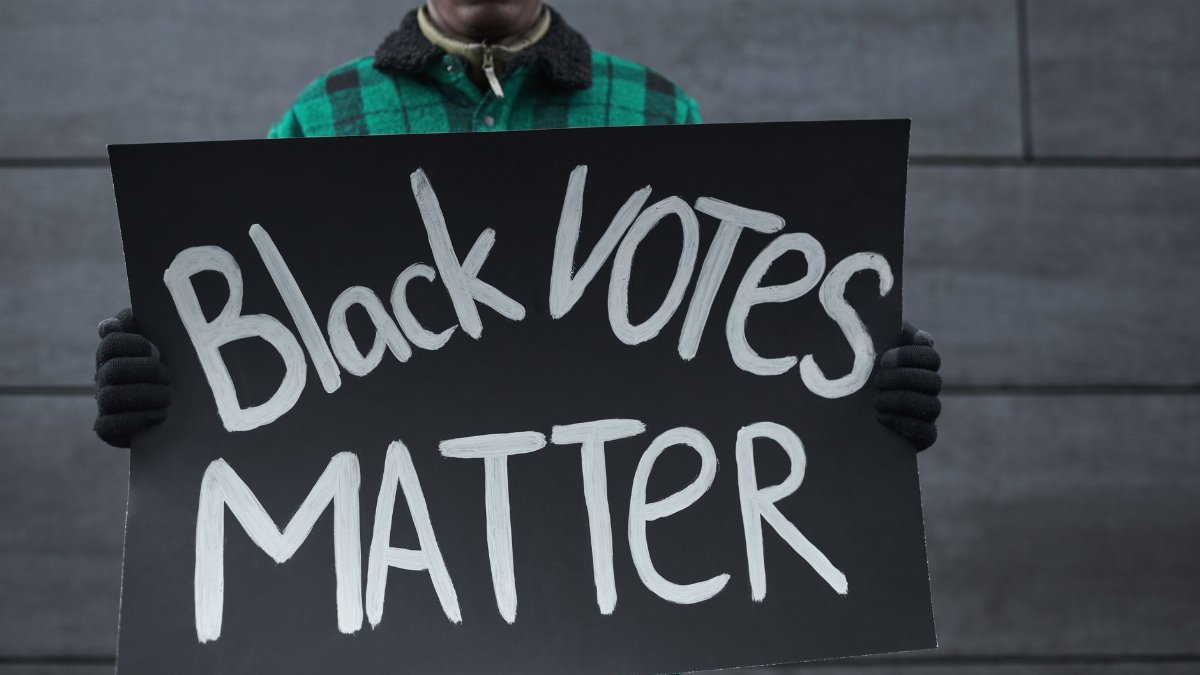
Ask organizers in this part of the county what they want from a statewide campaign and the answers are remarkably consistent. They want money early, not in the final fortnight. They want literature that names local problems rather than national villains. They want candidates who can sit in a fellowship hall and take a hard question without pivoting to a poll tested sentence.
They also want honesty about the math. Florida is expensive to contest. Television in Miami is a fortune. A campaign that cannot say how it will reach Haitian Creole speakers, or how it will staff early vote sites in Black precincts, is asking for faith it has not earned. The Jolly Nixon Miami Gardens appearance mattered because it put two Democrats in front of people who can spot that gap in a minute.
The Republican counter, never far away

Republicans do not ignore Miami Gardens, even if their statewide victories have often been built elsewhere. They argue that Democrats have delivered speeches while crime, school discipline, and the cost of living worsened. They point to gains with Hispanic voters and to a governor’s office that has treated Florida as a model for the national right. Some Black voters, particularly small business owners and church members uneasy with cultural liberalism, have been open to pieces of that argument even when they reject the party as a whole.
Any Democratic pitch that pretends those cross pressures do not exist will fail in rooms like the one at Florida Memorial. Jolly’s own past as a Republican may help him describe why people leave a party, or it may invite suspicion that his conversion is convenient. Nixon’s sharper tone may energize younger voters, or it may worry older ones who prefer coalition to confrontation. The city will sort that out without waiting for a consultant’s memo.
A test of whether attention can become infrastructure

One evening does not rebuild a party. The useful question is what follows the applause. Does the campaign hire people who already know the precincts. Does it return for the unglamorous meetings where no reporter is counting heads. Does it treat Florida Memorial students as future organizers rather than as a photograph.
Local leaders have seen the other version often enough to describe it with weary precision. A candidate lands, praises the heritage of the community, poses with a pastor, and is gone before the chairs are stacked. The votes, if they come, come from habit and from fear of the alternative, not from confidence. Habit is a weak engine in a state where Republicans have built a year round machine.
Generational friction inside the same coalition

The room at an HBCU is never only one generation. Students hear national arguments about policing, climate, and reproductive rights with an immediacy that older voters sometimes find impatient. Homeowners hear insurance and property taxes with an immediacy that students, still renting or living with family, may not yet feel in the same way. A competent campaign does not flatten those differences. It sequences them.
Nixon’s style, direct and often unsparing toward Democratic caution, tracks more easily with the younger side of that divide. Jolly’s style, explanatory and shaped by years inside institutional politics, tracks more easily with voters who want a governing story rather than a protest. The art, if there is any, is to let both registers share a stage without one apologizing for the other. Miami Gardens has enough political sophistication to reward that balance and to punish a fake version of it.
The memory this city keeps

People here remember the Obama coalitions, the high turnout nights, and the years when South Florida felt like the future of the party. They also remember the drop off, the closed precincts, the mail ballot confusion, and the sense that Tallahassee moved on. That memory is not bitterness for its own sake. It is a filing system. Candidates are sorted into those who showed up when it was hard and those who showed up when it was useful.
Jolly Nixon Miami Gardens will be filed in that system whether the candidates intend it or not. The names will be attached to whatever happens next: a field office, a broken follow up, a real investment in local radio, or another evening of warm words. Black voters in this city have always been able to tell the difference. They have simply not always been given candidates who acted as if the difference mattered.
What would count as proof

Proof will not be a viral clip. It will be duller and more convincing. It will look like a canvassing plan that names apartment complexes in Miami Gardens and staffs them before the final month. It will look like partnerships with congregations that go beyond a Sunday shout out. It will look like policy answers on insurance and housing that a homeowner can repeat to a neighbor without embarrassment.
It will also look like respect for disagreement. Some in the audience will not be moved. Some will want a more moderate economic message. Some will want a sharper one. A party that has lost ground cannot afford to treat skepticism as disloyalty. The more honest response is to keep coming back with better answers and with people who live in the zip codes being discussed.
The stakes beyond one campus
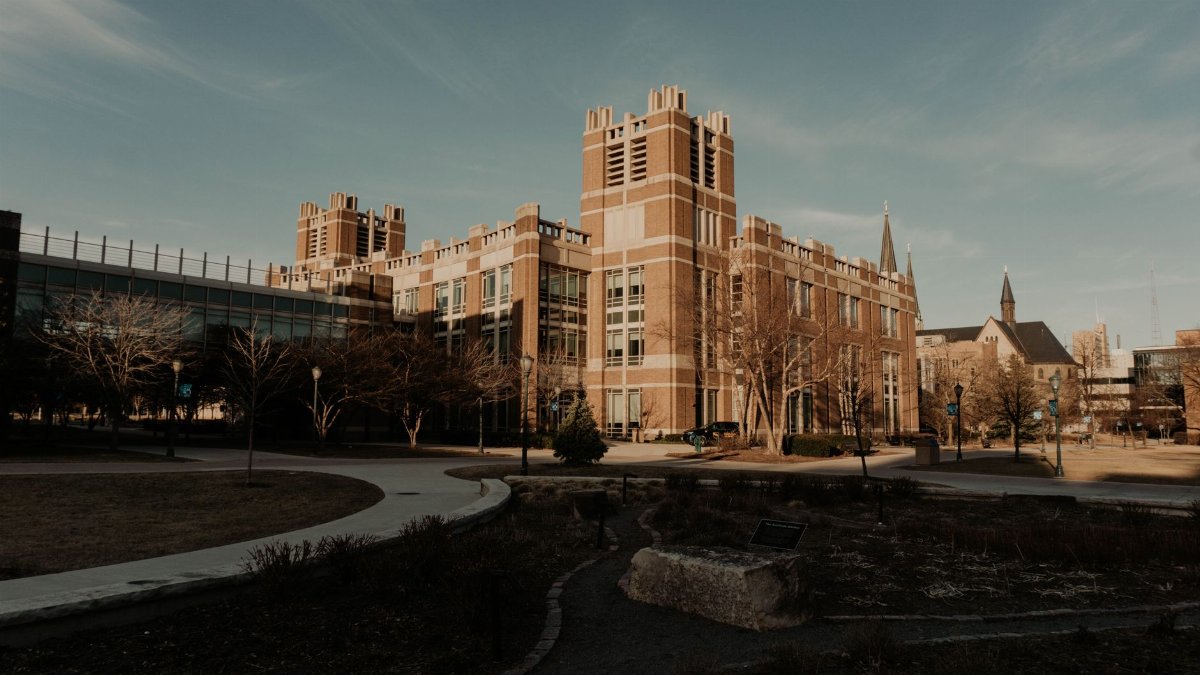
Florida’s political class likes to declare the state settled. Recent election results give that declaration a surface plausibility. Beneath it, cities like Miami Gardens remain large enough to change the texture of a statewide race if they are organized with seriousness. They cannot alone reverse a decade of Republican advantage. They can expose whether Democrats are willing to do the work that speeches only describe.
That is the quiet drama of a night at Florida Memorial. Not a coronation, and not a reunion of a coalition that no longer exists in its old form. A negotiation. Jolly and Nixon asked for time, trust, and eventually votes. The city, as it usually does, asked for evidence.
An evening that will be judged later
Campaigns prefer to grade themselves on atmosphere. The chairs were full. The lines were sharp. The photographs will travel. Voters in Miami Gardens grade on a longer curve. They will watch whether the Jolly Nixon Miami Gardens stop becomes a habit of presence or a single entry on a travel schedule. They will notice who is hired, which churches are revisited, and whether students who asked hard questions receive more than a handshake.
Florida Memorial has hosted enough history to be patient with politics and impatient with performance. The campus will still be there when the election calendar turns. So will the insurance bills, the rent, and the churches that double as civic halls. Candidates can borrow that permanence for an evening. They cannot claim it. The only way to share it is to return, to listen again, and to build something that outlasts the folding chairs.