
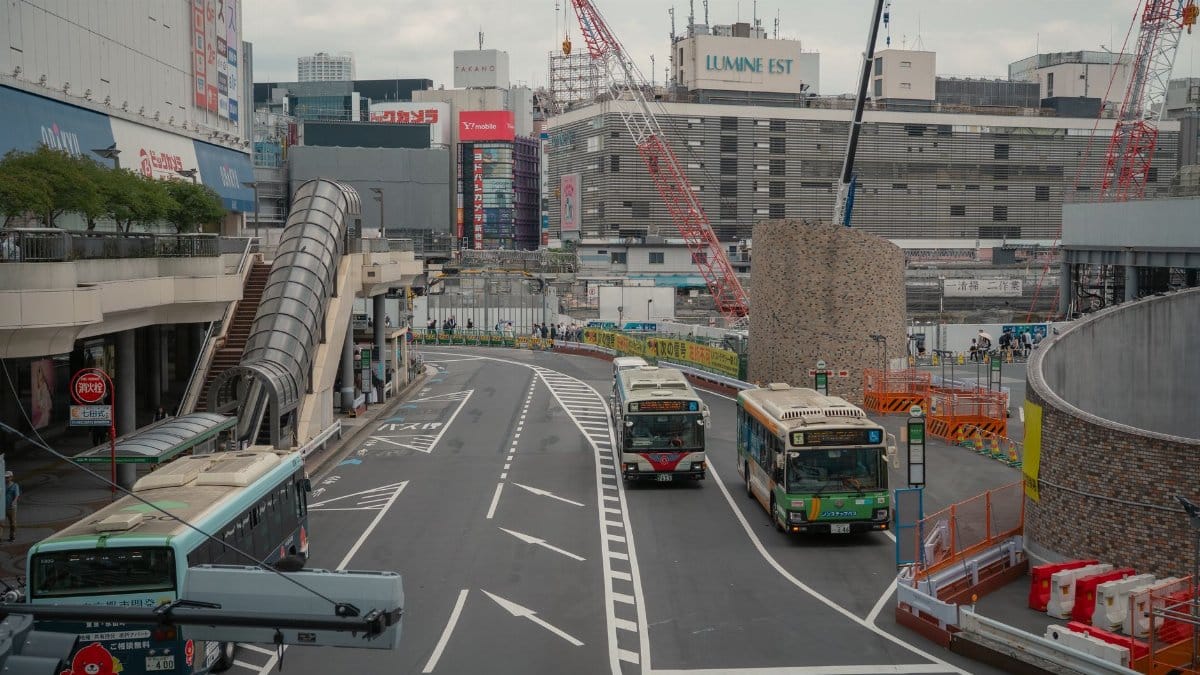
On a gray morning along Damen Avenue, the corner looks the same until you notice the pole is gone. People who used to wait there now walk another block, collars up, checking phones for a bus that may arrive a little sooner than it used to. The change is small on a map and large if your knees hurt or your shift starts at a fixed hour. Chicago is testing whether fewer CTA bus stops can make a slow route feel dependable again, and the answer will be written in minutes saved and blocks added.
A corner that used to mean the bus
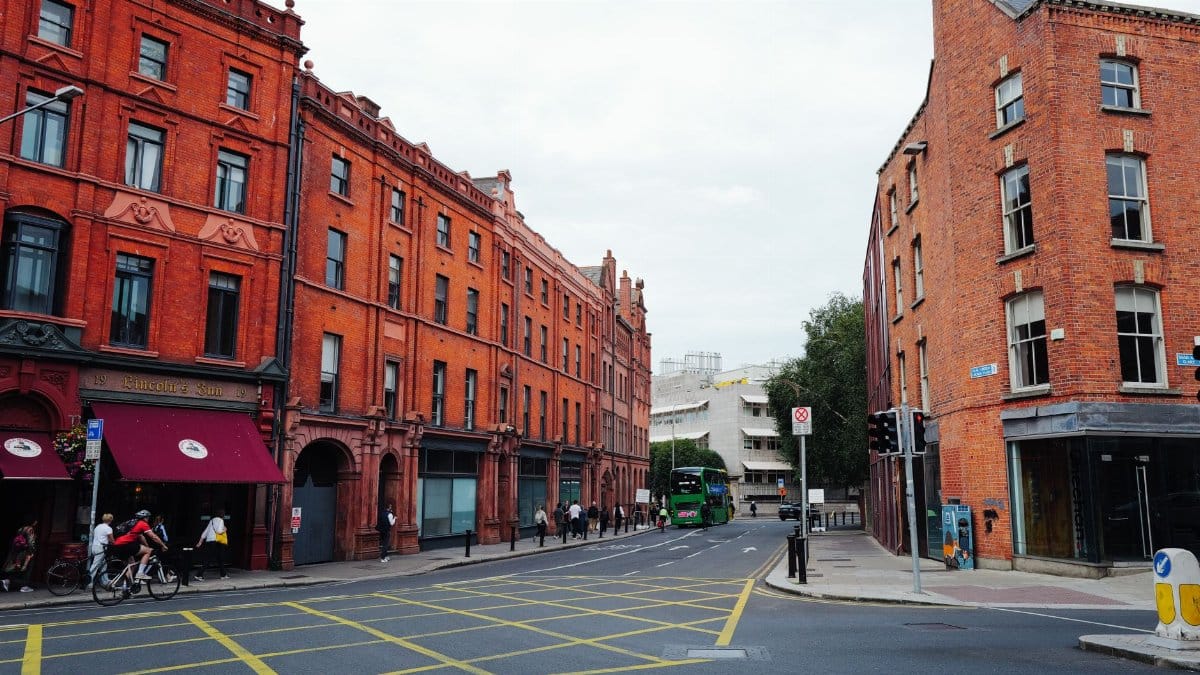
For years a bus stop has been a kind of street furniture people stop seeing. A sign, a bench if you are lucky, a scrap of shelter that leaks in a hard rain. Riders learn the pole the way they learn a bakery or a pharmacy. Take it away and the block feels unfinished. The Chicago Transit Authority has begun removing stops on the number 50 Damen route, thirteen of them, with the stated aim of speeding service and making arrival times less of a guess. Officials have also signaled that other lines could lose stops if the trial holds up. That is a modest sentence in a press note and a real change in how a neighborhood moves.
Damen is not a showcase boulevard in every stretch. It is a working avenue, with shops, schools, clinics, and apartment blocks whose residents do not all own cars. A bus there is not a lifestyle choice. It is how a home health aide gets to a first patient and how a student gets to a class that will not wait. When the agency talks about speed, it is talking about those mornings, not about an abstract diagram.
Why a bus loses time at every curb
Anyone who has ridden a crowded city bus knows the rhythm. The doors open. A few people step down. A few step up, sometimes with a cart, sometimes with a question for the driver. The bus kneels, or it does not. Traffic stacks behind. The light turns red while the doors are still open. Then the whole sequence starts again a short block later. Planners call this dwell and delay. Riders call it the reason they left the house early and still arrived late.
Stops placed close together multiply those pauses. Each one is small. Together they eat the schedule. A route that looks reasonable on paper becomes a crawl once doors, signals, and double parked cars enter the picture. Removing a stop does not invent new buses or new drivers. It tries to give the buses already on the street fewer reasons to halt. The bet is that a slightly longer walk at the start buys a shorter, steadier ride after that.
The promise buried in the timetable
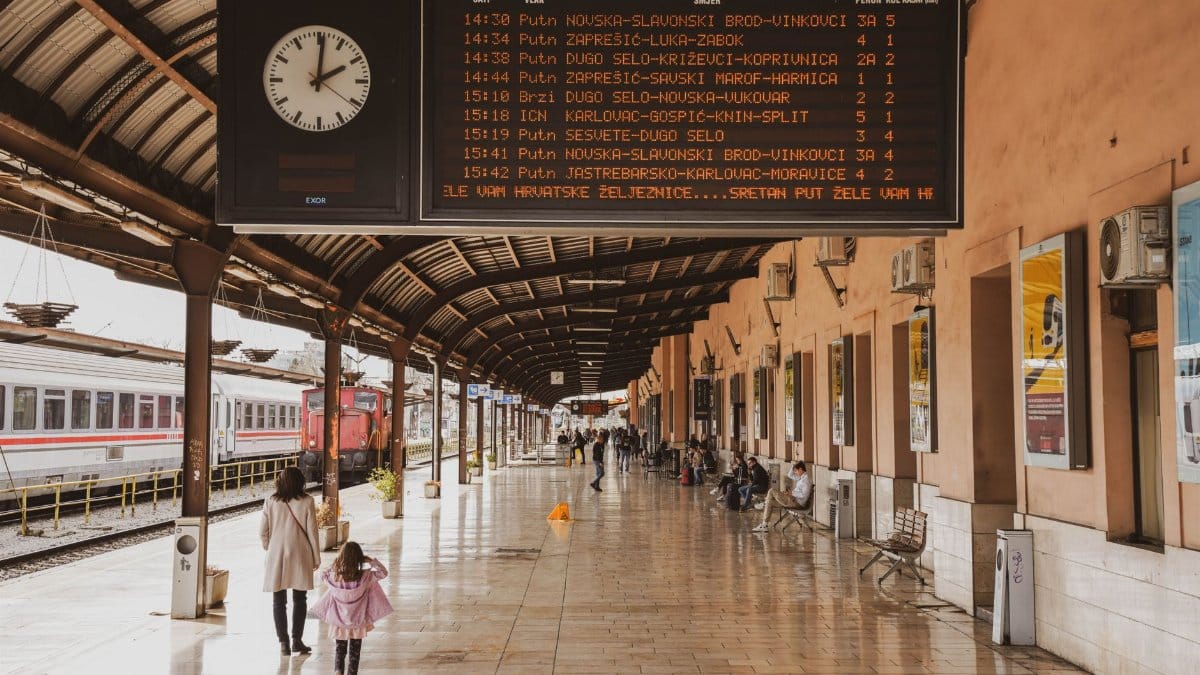
Reliability is the word agencies reach for when speed alone sounds cold. A bus that is fast on Tuesday and missing on Wednesday is not a service people can build a life around. Employers do not grade on a curve. Day care closes at a set hour. A clinic will mark you late. If trimming stops makes the remaining runs land closer to the posted time, the gain is not only minutes. It is trust.
Trust is hard to measure and easy to lose. Riders remember the morning the bus never came more clearly than the morning it came on time. A pilot that removes stops has to show, in public numbers, that buses are bunching less and that gaps are shrinking. If the only visible change is a longer walk to a bus that is still late, the experiment will feel like a cut dressed up as an improvement.
Who walks the extra block

Not every rider pays the same price for a removed stop. A healthy adult in good weather can cover another block without thinking much about it. An older passenger with a walker, a parent pushing a stroller, a person leaving a medical appointment, or someone carrying groceries uphill will feel that block in their body. Winter turns a short walk into a negotiation with ice. Summer heat does its own kind of damage on a shadeless stretch of sidewalk.
This is the moral center of the argument, and it does not resolve itself with a slogan about efficiency. A faster average trip can still be a worse trip for the people who needed the old stop most. Any honest account of the Damen changes has to hold both facts at once. The route may move better. Some riders may move worse. The agency owes those riders more than a general claim that the network will improve.
What thirteen removals can and cannot do

Thirteen stops on one route is a test, not a transformation of the entire system. It will not fix a shortage of operators. It will not clear a lane blocked by a delivery truck. It will not repair a shelter or add service on Sunday evening. Those problems sit beside stop spacing and often matter more. Treating stop removal as the main lever would be a mistake. Treating it as one lever among others is more defensible.
The useful question is narrower. On this line, at these corners, does the bus spend less time stopped, and do riders experience fewer long gaps? If the answer is yes, the method deserves a careful look on other corridors. If the answer is muddled, the city should say so and put the poles back where the harm outweighs the gain. A pilot that cannot be reversed is not a pilot. It is a decision already made.
The view from the operator seat
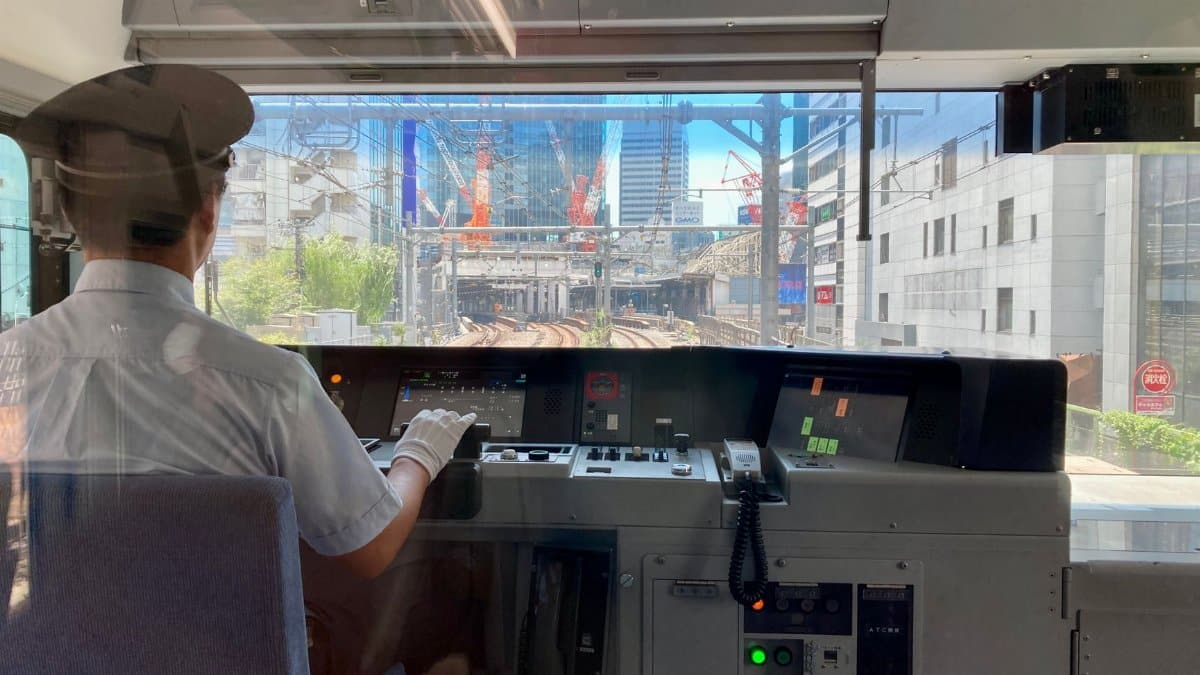
Drivers live inside the schedule in a way most riders never see. They know which corners always run long, which lights always catch them, which stops fill with people who need the ramp. Asking them to skip a familiar stop can feel, at first, like skipping a duty. It can also feel like relief if the old stop was a few yards from the next one and rarely used. Their account should be part of the record, not an afterthought collected once the signs are already down.
A faster route that ignores the person at the wheel will not stay faster. Stress, unclear instructions, and pressure to make up time produce their own delays, including missed pickups and hard merges back into traffic. The removal of a stop is a geometric change. Whether it helps depends on how the humans on the bus are asked to carry it out.
Sidewalks, shelters, and the stop that remains
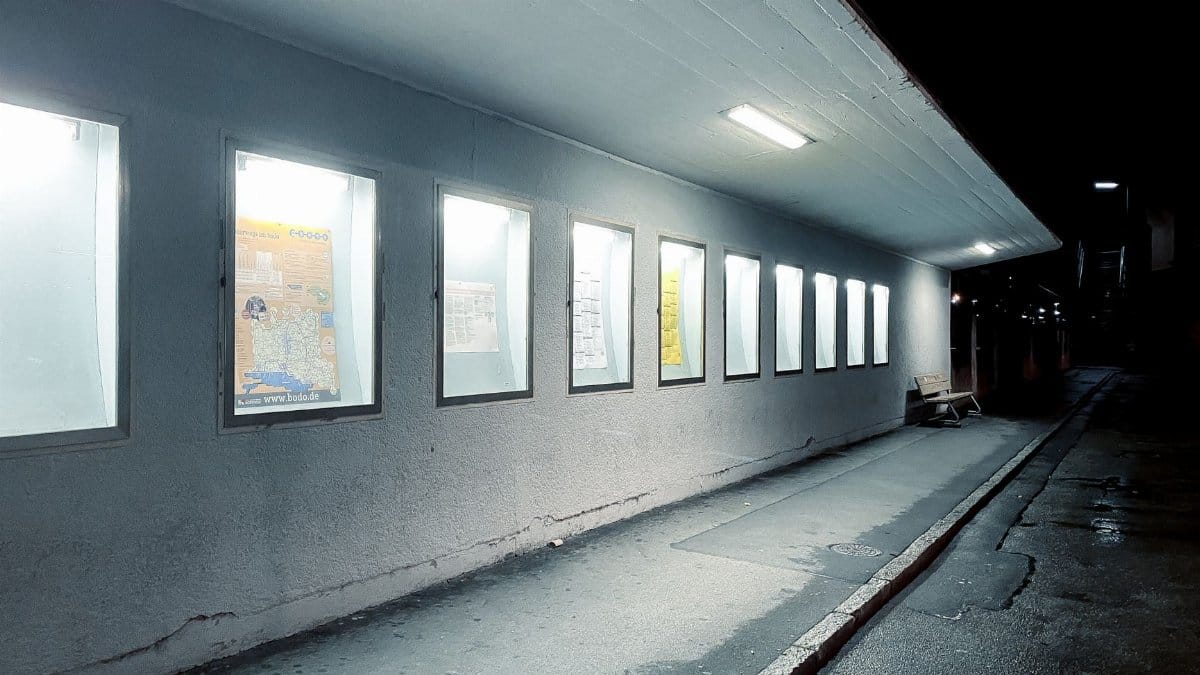
If people must walk farther, the stop they walk to has to be worth reaching. A sign on a pole is not enough when the new wait is longer and more exposed. Lighting, a bench, a clear curb for the ramp, and a sidewalk free of heaved concrete matter more once the nearest option disappears. So does information. Riders need to know, before they leave home, which corners still have service and which do not. A surprise at the old pole is a failure of notice, not a feature of modernization.
Chicago sidewalks are uneven in quality from ward to ward. A plan that assumes every extra block is equally walkable is a plan written from a desk. Field checks, not only maps, should decide which stops stay. A stop in front of a clinic or a senior building is not the same as a stop with another one a short stroll away and little unique demand.
How the rest of the city will read the trial

Other routes are watching, even if they are not on the list yet. Riders on Western, Pulaski, and the smaller crosstown lines have their own folklore about stops that feel too close and waits that feel too long. If Damen posts a clear gain, pressure will build to repeat the cut. If Damen posts a muddle, advocates will treat further removals as a cut to access dressed in the language of speed. Either way, the trial will set a template. Templates harden. That is why the first one should be documented in public, with before and after times, rider counts, and a plain account of complaints.
I have stood at enough Chicago corners to know that people will forgive a longer walk more readily than they will forgive silence. Tell them what changed, why, and how to judge it. Leave the judgment in a closed meeting and the story on the street writes itself, usually in anger.
Speed without a thinner network
There are other ways to buy time that do not ask the most vulnerable riders to walk farther. Signal priority that gives a late bus a green light. Enforcement that keeps the curb clear. All door boarding where the equipment allows it. More frequent service so that a missed bus is not a crisis. None of these is simple or cheap. All of them attack delay without deleting a stop that someone depends on. A serious program would pursue them alongside any talk of wider spacing, not instead of them.
Stop removal is attractive to budgets because a sign costs little to take down. A new bus costs a great deal to buy and staff. The cheaper tool is not always the fairer one. Residents are right to ask whether the agency is choosing the tool that helps riders or the tool that is easiest to execute before the next round of headlines about slow buses.
A standard for keeping or cutting

A fair standard would be public and specific. How close is the next stop. Who lives or seeks care within a short walk of the one proposed for removal. How many people board there on a typical weekday and on a weekend. Is the sidewalk intact. Is there a safe crossing. What happens in snow. If a stop fails that test because almost nobody uses it and another stop sits nearby, removal can be a kindness to everyone else on the bus. If it passes because a clinic, a school, or a cluster of older residents depends on it, the pole should stay even if the average speed suffers a little.
That standard will disappoint people who want a single rule measured only in miles per hour. Transit is not only a speed problem. It is a problem of who gets to participate in the city without a car. Speed matters because time matters. Access matters because dignity matters. A route design that maximizes one and ignores the other will be called efficient by some and exclusionary by others, and both descriptions can be accurate.
What riders should watch for next

The next months on Damen will tell more than any announcement. Watch whether buses arrive in more even gaps. Watch whether the remaining stops become crowded in a way that creates new delays at the door. Watch whether complaints cluster around particular corners, especially near medical sites and housing for older adults. Watch whether the agency publishes numbers a ordinary rider can read without a decoder ring. And watch whether removed stops return if the evidence cuts against the theory.
Expansion to other routes should wait on that record. A citywide sweep of poles, done in the name of consistency, would repeat whatever mistakes Damen makes before anyone has time to learn them. Patience is not the same as drift. It is the discipline of changing a network that people use to earn a living.
The bus as a public promise
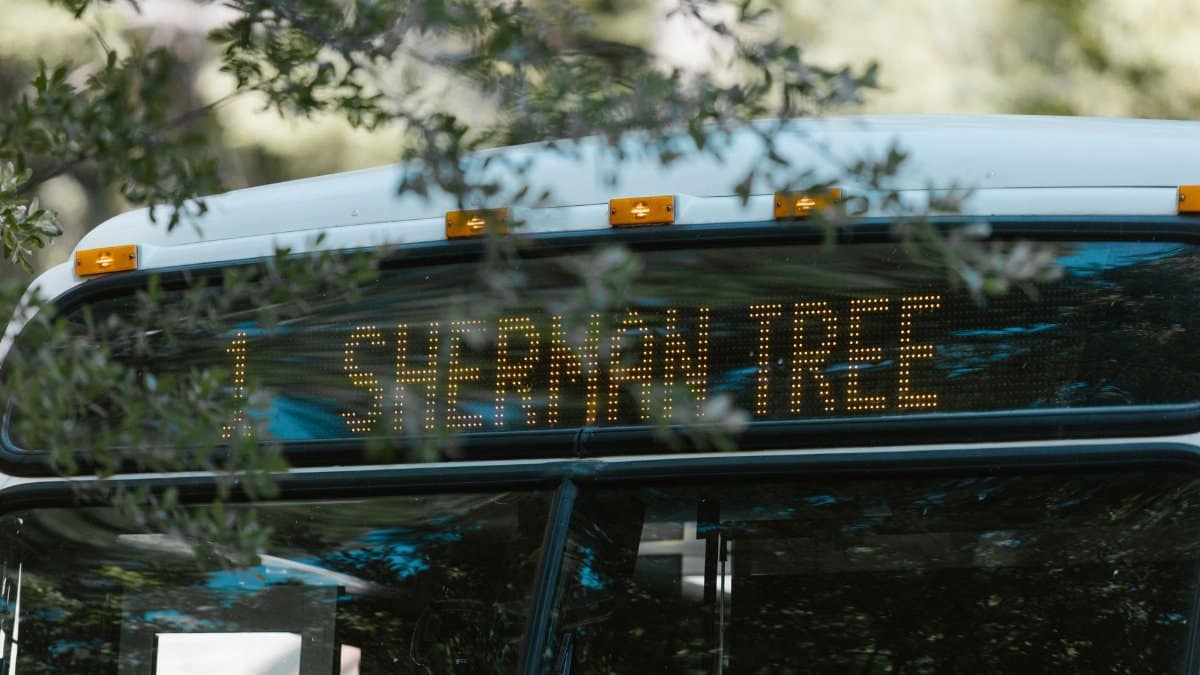
A bus stop is a small promise the city makes to a corner. We will come here. You can plan around that. Taking some of those promises back can be responsible if the ones that remain are kept more faithfully. It is irresponsible if the only result is a faster bus for people who can walk and a longer ordeal for people who cannot. The CTA bus stops now missing from Damen Avenue are the first visible test of which promise Chicago intends to keep.
Riders do not need poetry about mobility. They need a bus that shows up, a stop they can reach, and an agency willing to admit when a tidy idea meets a messy street and loses. Thirteen removals will not decide the future of Chicago transit. They will decide whether this particular idea deserves a wider life. That is enough weight for a row of missing poles, and enough reason to watch them with care rather than with slogans.