

In a county where a traffic stop or a drug investigation can end with a car, a stack of cash, or even a home in government hands, a new civil forfeiture lawsuit asks whether the officials who police Miami Dade should also share the proceeds with private lawyers. The case, aimed at Sheriff Rosie Cordero Stutz, challenges a contract that allegedly lets an outside law firm take a cut of money and property seized under Florida forfeiture law. Supporters of that model say specialized counsel helps difficult cases move through court. Critics say it turns public safety into a revenue arrangement. The dispute is local in its filings. The question it raises is national.
What the sheriff contract is said to do
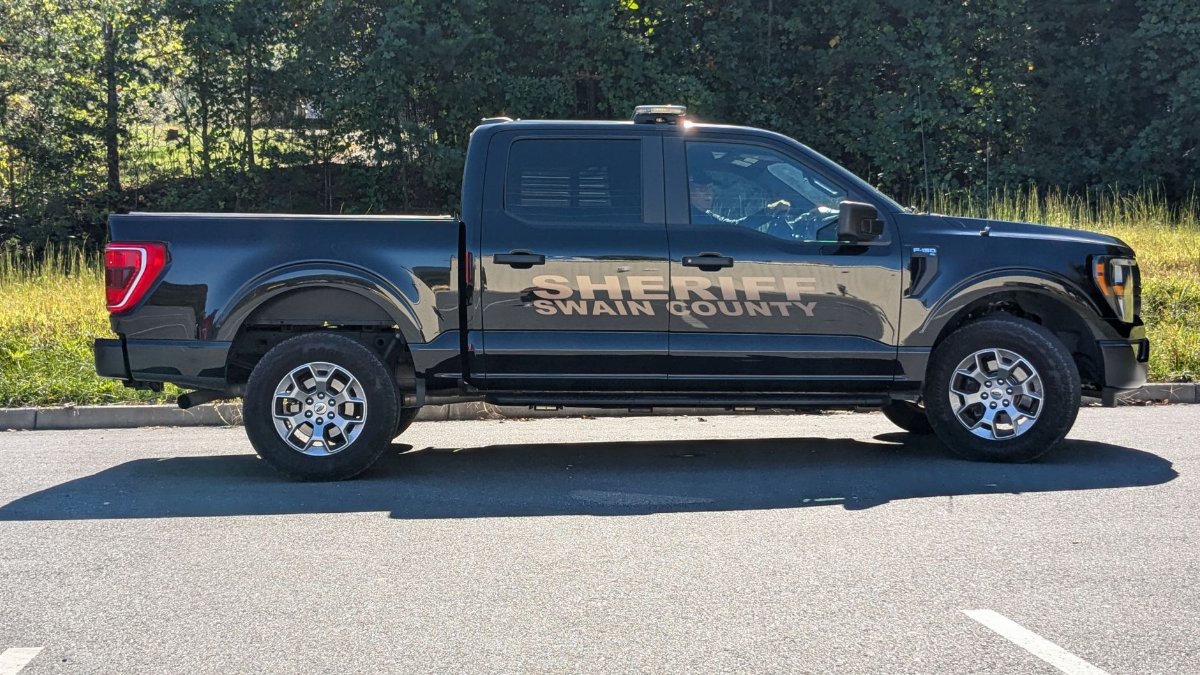
At the center of the allegations is a simple structure with large consequences. When deputies seize property they believe is tied to crime, the county does not always keep the legal work inside the sheriff’s office or the public law department. According to the public description of the dispute, a private firm is positioned to handle forfeiture matters and to receive a portion of what the government ultimately keeps. The sheriff has not, in the framing of the case as it has been reported, been accused of inventing forfeiture. Florida already authorizes it. The sharper claim is that outsourcing the profit creates a partner with a direct financial stake in how aggressively property is pursued.
That distinction matters. A public lawyer paid a salary does not get richer if a seizure succeeds. A firm paid from the proceeds does. Even if every lawyer involved follows the statute, the contract can shape which files look worth the hours. A modest cash seizure may not justify a long fight. A house, a boat, or a business account might. The lawsuit, as described, treats that sorting not as neutral case management but as a policy choice the sheriff made and the public has a right to examine.
How forfeiture turns property into a case

Civil forfeiture is not the same thing as a criminal fine imposed after a conviction. In the civil version, the legal action is often styled against the thing itself: the currency, the vehicle, the real estate. The owner may never be charged. Prosecutors, or in some arrangements the lawyers standing in for the seizing agency, argue that the property is connected to illegal activity and therefore subject to transfer to the government. The owner then has to enter the case, hire counsel, and try to get it back.
Florida’s Contraband Forfeiture Act sets procedures, notice rules, and burdens that are meant to keep the practice inside the law. Agencies must connect the property to criminal conduct. Owners can contest the seizure. Courts can reject weak claims. None of that erases the practical reality that the process begins with the government already holding the asset. For a person living paycheck to paycheck, the cost of a lawyer can exceed the value of what was taken. Silence, in that setting, is not always consent. It is sometimes arithmetic.
Why a private cut changes the incentive

The civil forfeiture lawsuit gains its force from an old worry in American policing: when the people who seize also benefit, enforcement can drift toward revenue. That worry does not require a cartoon of corrupt deputies. It requires only ordinary institutional behavior. Budgets are tight. Forfeiture dollars can fund equipment, overtime, and training that general revenue might not cover. Add a private firm whose compensation rises with successful forfeitures, and a second set of incentives enters the room.
Contingent payment is common in personal injury work, where a client chooses a lawyer and shares the recovery. Forfeiture is different. The “client” is a public office using sovereign power. The people on the other side did not hire the firm and may not have been convicted of anything. If the firm is paid only when property is forfeited, acquittals, dismissals, and returns of property are, in a narrow business sense, lost fees. A healthy system can survive that tension. A healthy system should also be willing to explain it in public, with the contract, the fee rate, and the annual totals on the table.
The owner who must prove the property is clean
People who have never touched the system often assume that innocence is the starting point and that the government must clear a criminal standard before it keeps a dollar. In many forfeiture contests the posture is less comforting. The owner may need to show a legitimate source for cash found in a car, or a lack of knowledge that a relative used a vehicle in a crime, or that a joint bank account was not a hiding place. Those showings take documents, witnesses, and time. They also take a lawyer who understands a technical statute.
Language barriers, immigration fear, and distrust of police keep some owners from appearing at all. When they default, the property can be forfeited with little public attention. A contract that rewards the firm for completed forfeitures does not create those barriers. It does mean someone with a financial interest may have little reason to slow down and ask whether a missing owner is absent by choice or by circumstance. That is the kind of question a sheriff’s office ought to want asked before the check is cut.
Florida rules and the gaps that remain
Florida has tightened parts of this field over the years, after news reports of small seizures and after legislators heard from constituents who lost cars over minor drug allegations. The statute requires a connection to criminal activity and sets out hearings. Local policies can go further than the floor the legislature built. None of those reforms automatically answers whether a sheriff may hand the work, and a share of the winnings, to a private firm.
Procurement rules, ethics opinions, and public records law are the less dramatic parts of the story, and they may decide it. Was the contract bid in the open? Does it cap fees? Does it forbid the firm from steering strategy toward higher value assets? Are annual reports specific enough that a resident can see how much was seized, how much was returned, and how much went to outside counsel? A lawsuit can force those papers into a record even if it never reaches a sweeping constitutional holding. Sometimes the civic gain is the spreadsheet, not the slogan.
What the Supreme Court has and has not settled

National doctrine offers boundaries, not a blueprint. In Timbs v. Indiana, the Supreme Court held that the Eighth Amendment’s protection against excessive fines applies to the states, a ruling with obvious implications for forfeitures that dwarf the underlying offense. In other cases the Court has been more cautious, declining to require every extra procedural step that property owners and their advocates have sought. The result is a legal map with firm edges and a wide interior. States still design their own statutes. Sheriffs still write their own contracts.
A civil forfeiture lawsuit in Miami Dade is unlikely to rewrite that map by itself. It can still test a proposition the high court has not neatly resolved: whether a profit share for private counsel, layered on top of an already lucrative public power, crosses from aggressive enforcement into an arrangement the public treasury and the courts should not bless. Trial judges decide records. Appellate judges decide principles. Voters decide whether they want the practice at all.
The case for keeping outside counsel

Fairness requires the other side of the ledger. Forfeiture litigation is specialized. Title searches, innocent owner claims, federal adoption questions, and parallel criminal cases can overwhelm a small legal staff. A sheriff can argue that a firm with a deep docket moves faster, loses fewer cases on technical errors, and returns more money to public use than a generalist grinding through unfamiliar motions. If criminals use sophisticated financial tools, the response may need lawyers who see those tools every week.
There is also a public safety claim that should not be waved away. Cash couriers, stash houses, and vehicles used to move drugs are not abstractions. Taking the tools of a trafficking operation can matter even when a conviction is slow or a defendant is in another jurisdiction. The legitimate debate is not whether crime has costs. It is whether the method of paying the lawyers distorts which costs get pursued, and whether residents can see the books. A flat public contract, an hourly rate, or work kept inside government would preserve expertise without tying the fee to the forfeiture. Those options are the quiet rebuttal to the idea that the current deal is the only way to be serious.
Money, trust, and the sheriff’s office

Sheriffs in Florida are elected. That fact gives this fight a democratic texture that a municipal police contract sometimes lacks. Rosie Cordero Stutz answers to voters who also answer to the same courts when their property is taken. Trust is the currency that cannot be forfeited and deposited. If residents come to believe that stops and searches are audited for revenue, cooperation in homicides, domestic violence cases, and missing person work gets harder. The damage would not show up as a line item beside the firm’s percentage.
Transparency is the cheapest repair available before any judge rules. Publish the contract. Publish the fee formula. Publish, in plain totals, seizures, returns, court wins, court losses, and payments to outside lawyers. Invite the inspector general, the county commission, and the local bar to read the same pages. If the arrangement is as clean as its defenders say, sunlight is an ally. If it is not, sunlight is the point of the lawsuit.
What a ruling could mean beyond Miami Dade

Other agencies are watching, even if they will not say so. Private counsel in forfeiture is not unique to one sheriff. Cities and counties across the country have experimented with firms that handle civil recovery, code enforcement, and, in some eras, red light or nuisance litigation on contingent terms. Courts that scrutinize the Miami Dade deal will be writing in a dialect other lawyers understand. A narrow ruling on bidding or on fee caps would still travel. A broader ruling on conflict of interest would travel farther.
Property owners would feel a different kind of consequence. If the suit succeeds in unwinding the contract, pending cases might be reassigned, delayed, or reviewed. Delay is not always justice, especially for someone waiting on a work truck. If the suit fails, the model gains a local precedent and may spread. Either result should come with a practical plan for people already in the system, so that a fight about incentives does not become another reason a rightful owner waits another year.
Questions the public should keep asking

Readers do not need to pick a team before the evidence is public. They do need a list. Who signed the contract, and for how long? What percentage does the firm receive, and of which funds? Are payments calculated before or after innocent owners are reimbursed? Does the firm have any role in deciding what deputies seize in the field, or only in litigating what has already been taken? How many owners last year had no lawyer? How many cases ended because nobody appeared?
Those questions are the adult version of the civil forfeiture lawsuit. They do not assume bad faith. They assume power. A sheriff’s star and a law firm’s retainer can serve the public at the same time, but only if the money path is visible and the people who lose property have a real chance to be heard. Miami Dade can model that standard or be forced toward it. The quieter outcome, a contract that continues because nobody asked, is the one a serious county should refuse.