

On a cool evening in the city that has long treated politics as a contact sport, voters handed a familiar state lawmaker a new job in Washington. Scott Wiener Congress is no longer a campaign slogan or a line on a mailer. It is the result of a contest that asked San Francisco to decide who should follow Nancy Pelosi into the House. State Sen. Scott Wiener defeated Supervisor Connie Chan and, in doing so, became the city’s first openly gay member of Congress. The victory closes one chapter of local ambition and opens another, with a lawmaker known for blunt fights over housing, public health, and civil rights now preparing to legislate on a national stage.
A familiar name steps onto a larger stage

San Francisco does not send strangers to Washington. The people who win here usually arrive with a paper trail of hearings, neighborhood meetings, and bills that have already angered someone. Wiener fits that pattern. He built his name as a city supervisor and then as a state senator who treated the legislature as a place to push, not merely to observe. Voters who chose him were not inventing a political identity. They were promoting one they already knew, with all the loyalty and irritation that familiarity brings.
That familiarity matters in a city where national office can feel both distant and intensely local. Residents argue about tents on sidewalks, rents that swallow paychecks, buses that do not come, and a downtown that has not fully recovered its old foot traffic. They also argue about who belongs in the story the city tells about itself. Wiener’s win sits inside both arguments. It is a personnel decision and a statement about which version of San Francisco should speak in the Capitol.
The contest with Connie Chan

Connie Chan entered the race as a serious alternative, not a symbolic one. As a supervisor she had spoken for neighborhoods that often feel priced out of decisions made downtown, and she carried the trust of voters who want City Hall to protect tenants before it courts developers. Her campaign offered a different theory of the city’s pain. Where Wiener has argued that scarcity is the engine of the housing crisis, Chan’s politics have emphasized who gets displaced when growth is managed badly, and who is left out when government trusts the market to do the work of justice.
The choice was therefore sharper than party labels. Both candidates are Democrats in a district that does not seriously entertain a Republican path to victory. The argument was about temperament, allies, and the meaning of progress. Chan asked voters to see caution as care. Wiener asked them to see speed as a moral response to shortage, overdose deaths, and a climate clock that does not pause for perfect consensus. The result does not erase her critique. It does decide, for now, whose critique will be carried into committee rooms in Washington.
What the city just said about housing

Housing has been the argument underneath almost every recent San Francisco election, even when the ballot did not say so. Wiener’s record in Sacramento is inseparable from that argument. He has pressed for more apartments near transit, for fewer procedural vetoes, and for a state role when cities treat new homes as a neighborhood insult. Supporters call that courage. Opponents call it a gift to builders and a slight to local control. Both descriptions contain a piece of the truth, which is why the fight never stays polite for long.
His arrival in Congress will not let him rewrite zoning from a House office. Federal power over local land use is limited, indirect, and often clumsy. What changes is the microphone. A member from San Francisco can shape housing appropriations, tax credits, transit funding, and the national story about why coastal cities became so expensive. If Wiener uses that microphone the way he used the Senate floor, he will keep telling a story in which building more is not a betrayal of progressive values but a test of them. Many of his new constituents will keep telling a different story. The election settled the messenger. It did not settle the sermon.
Public health, drugs, and the limits of a speech

Wiener has also been a persistent voice on mental illness, addiction, and the deadly drug supply that has marked too many San Francisco blocks. He has backed policies that expand treatment and that make it easier, in defined cases, to compel care for people who are gravely disabled. Those choices won him praise from families who felt abandoned by a system of voluntary services that never quite arrived. They also drew warnings from civil libertarians who remember how coercion can fall hardest on people who are poor, Black, or already distrusted by institutions.
Congress cannot clean a single corner of the Tenderloin by press release. It can fund treatment beds, research, and enforcement against traffickers. It can also fail, loudly, while local officials absorb the blame. Voters who elevated Wiener may hope he will translate local agony into federal money and attention. They should also expect the gap between a hearing and a sidewalk to remain wide. I keep returning to that gap because it is where San Francisco politics usually breaks the promises made on election night.
A first for the city, not for the country
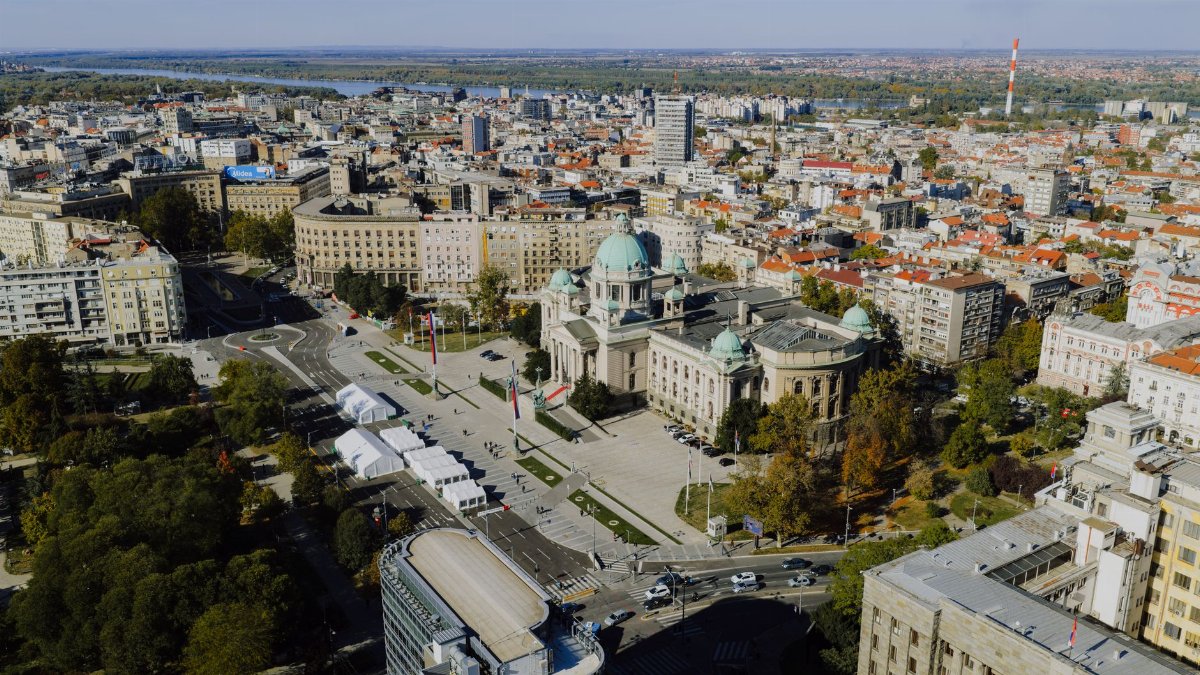
The milestone attached to this win deserves plain language. Wiener is San Francisco’s first openly gay member of Congress. He is not the first openly gay person to serve in the House, and the city has long been a center of LGBTQ political power even without that particular title. Harvey Milk’s election to the Board of Supervisors, the losses of the AIDS years, and decades of local organizing made this result possible long before this campaign began. Representation is not a trophy that one person carries alone.
Still, titles matter because children and newcomers read them as maps. A city that taught the nation something about pride has now placed an openly gay lawmaker in the seat associated with its most powerful modern politician. That fact will be celebrated, and it should be. It will also be tested. Wiener’s LGBTQ advocacy in Sacramento, including work connected to health care, youth, and the safety of transgender people, will meet a House where those issues are no longer local consensus. They are national conflict. The celebration and the conflict can be true at the same time.
Following Nancy Pelosi without becoming her
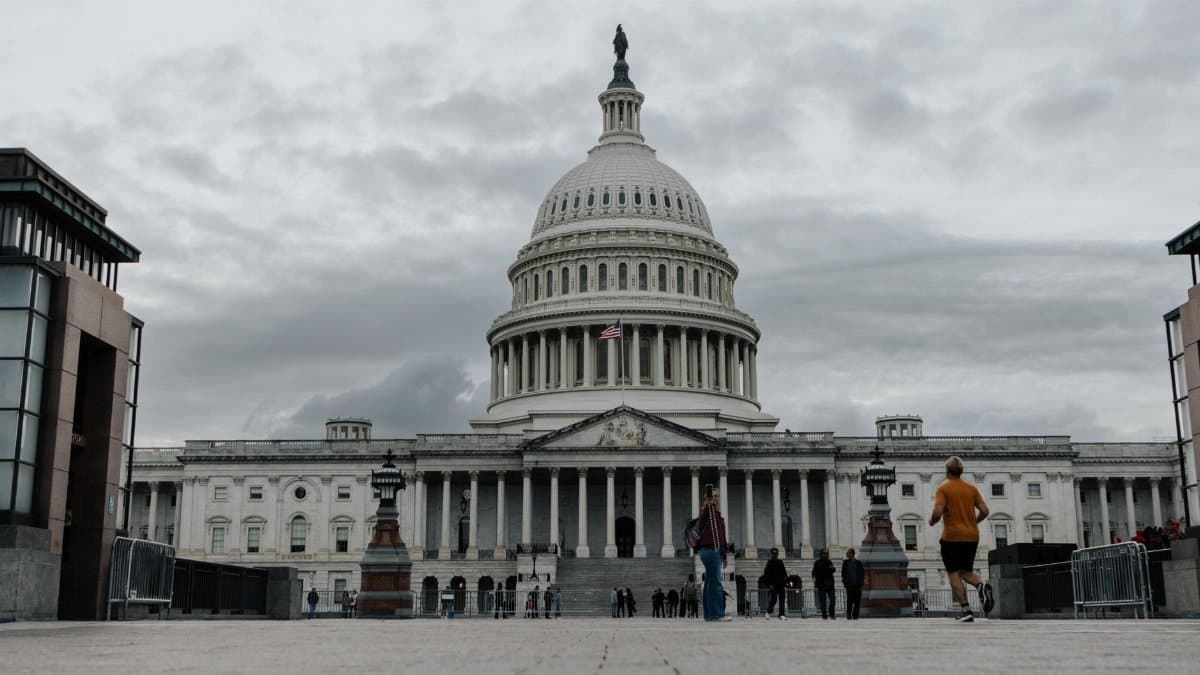
Nancy Pelosi did not merely represent San Francisco. She ran the House, raised astonishing sums, and made the city’s name a synonym for Democratic power in Washington. No successor inherits that machinery on day one. Wiener succeeds her in the geographic and symbolic sense. He does not succeed her in seniority, in whip counts, or in the muscle memory of a caucus that spent years treating her office as a command post.
The comparison will follow him anyway, because voters and donors love a lineage. Pelosi’s politics mixed liberal commitments with a ruthless sense of what could pass. Wiener’s reputation is more ideological on housing and more willing to pick fights inside his own coalition. Learning the House will require a different skill from the one that wins a San Francisco campaign. It will require patience with colleagues who do not share the city’s vocabulary, and with a calendar that moves by continuing resolutions rather than by neighborhood outrage. Ambition helps. Humility about the institution helps more.
Scott Wiener Congress as a local argument gone national
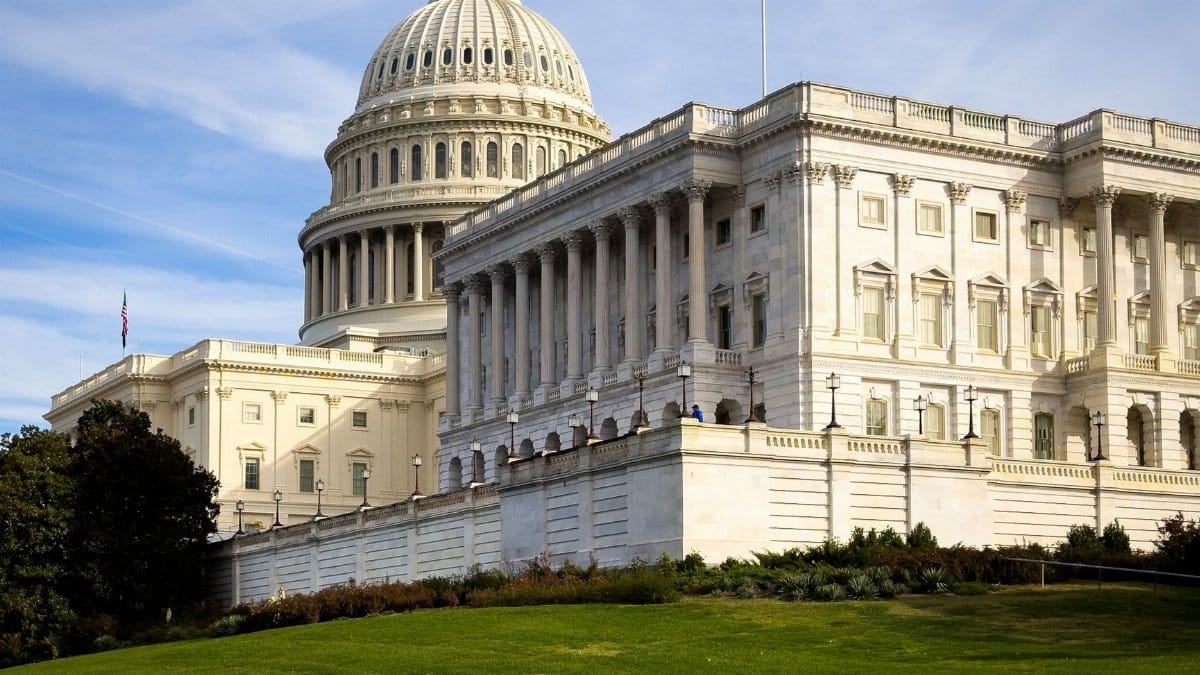
Scott Wiener Congress will be read outside the city as a data point in a larger Democratic argument. Is the party’s urban future closer to the politics of builders, transit, and abundance, or closer to the politics of protection, tenants, and suspicion of growth? Chan’s defeat does not end that argument in Oakland, Los Angeles, or New York. It does give one side a prominent advocate with a safe enough platform to keep talking.
National observers should resist the lazy version of this story, the one that sorts every San Francisco Democrat into a cartoon of tech booster or neighborhood nostalgic. Wiener has spent years on criminal justice questions, on health, and on the ordinary labor of constituent service. Chan’s politics are not a refusal of change. They are a claim about who pays for it. If Washington hears only a slogan, it will misunderstand why this race felt so personal to people who will never visit the Capitol.
Money, organization, and the quiet mechanics of winning

Elections at this level are not won by argument alone. They are won by lists, by volunteers who knock on the same doors twice, by endorsements that signal safety to anxious voters, and by money that buys time on screens people actually watch. Wiener entered with a statewide donor network and a reputation that traveled beyond his senate district. Chan entered with local relationships and the credibility of someone who has sat through the unglamorous work of district politics.
Neither asset is impure by itself. Money can amplify a real record. Neighborhood trust can also harden into a veto on anything unfamiliar. The useful question after a result like this is not whether politics is pristine. It is whether the winner remembers the voters who were organized against him. A member who treats the losing coalition as a nuisance will govern a caricature of San Francisco. A member who treats it as a constituency he still has to face may govern the actual city.
What a safe seat still demands

California’s 11th Congressional District is not a tossup in the national sense. Democrats dominate it, and the general election threat from the right is modest compared with seats in the Central Valley or the suburbs of swing states. Safety can be a gift. It can free a member to work on unfashionable details, to vote with conscience, and to spend political capital on people who do not write large checks. Safety can also curdle into performance, a habit of speaking mainly to the already convinced.
Wiener’s career suggests he prefers combat to comfort. The House may reward a different balance. Committee work is slow. Amendment fights are often symbolic. A freshman, even a famous one, waits. The test of this victory will not be the speech he gives on swearing in day. It will be whether, two years from now, a tenant in the Richmond, a nurse at San Francisco General, or a small builder stuck in permitting can point to something federal that changed because he was there. If they cannot, the title will still be real. The justification will be thinner.
The moral language of a political city

San Francisco likes to describe its politics in moral terms, sometimes honestly and sometimes as costume. Care for the stranger, pride in difference, anger at cruelty, impatience with waste: these are not empty words here, even when practice falls short. Wiener’s win will be folded into that language. Allies will say the city chose competence and scale. Critics will say it chose a politics that listens first to those who already have access. A fair account leaves room for both readings until governing begins.
Faith communities, neighborhood temples, churches, and secular gatherings that function like congregations will all try to interpret the result. Some will hear a call to welcome. Some will hear a warning about who gets counted as a neighbor. Politics cannot settle those theological arguments, and it should not pretend to. It can only decide who holds the pen when the next federal bill touches housing vouchers, hospital funding, immigration, or the safety of LGBTQ people. That is a smaller task than salvation and a larger task than a victory party.
The work that starts after the headline

Headlines prefer firsts, and this one has a real first. They are less interested in the Tuesday morning after, when staff lists must be built, district offices opened, and a voting record started from zero. Wiener will be asked immediately to comment on whatever crisis the House is staging that week. He will be tempted to answer every ask, because silence reads as absence in a city that watches politics the way other cities watch sports.
A wiser use of the early months is narrower. Learn the district he now represents in full, including the precincts that preferred Chan. Learn which federal levers actually touch street conditions. Decline the invitation to become a national symbol before becoming a competent member. San Francisco has had symbols. It is about to find out whether it has a legislator who can carry a complicated city without sanding it down into a talking point.
An ending that is only a beginning

Scott Wiener Congress begins as a fact of election arithmetic and will continue as a test of judgment. The voters chose a prolific state senator over a supervisor with a strong claim on the city’s protective tradition. They chose a man who will enter the House as San Francisco’s first openly gay member, in a seat long defined by Nancy Pelosi’s power. They did not choose an end to argument.
The city will keep arguing about homes, drugs, downtown, and dignity. Washington will keep arguing about whether cities like this one are models or warnings. Between those arguments sits a new member with a record that is admired, resented, and impossible to summarize in a single adjective. That is probably the right level of complexity for the job. The campaign asked for a winner. Governing will ask for something harder, which is a representative who can disappoint his fans without forgetting why the other side showed up to vote.