
San Francisco has spent years describing the Mission District as both a cultural heart and a civic emergency. This week the description came with a number. Mayor Daniel Lurie, alongside Supervisor Jackie Fielder, directed attention and resources toward the blocks where open drug use, untreated illness, and street disorder have become part of the daily scenery. The new Mission District funding totals 12 million dollars, assembled from philanthropic gifts and state support rather than a single new city tax. Officials say the money will improve street conditions. Residents will judge it by whether the walk to the bus feels safer next month than it did last month, and by whether help arrives as something more than a slogan.
A promise aimed at visible disorder

The announcement is pitched less as a grand redesign than as an intervention in the conditions people can see. Trash that sits too long. Doorways used as bedrooms. Corners where dealing and distress overlap until passersby stop distinguishing one from the other. City leaders have argued that quality of life is not a cosmetic concern. It shapes whether a pharmacy stays open, whether parents let children walk to school, and whether a person in crisis is met by help or by indifference. The sum is meant to buy coordination: cleaning, outreach, and a faster path from the sidewalk into care. That is a modest ambition on paper and a difficult one on a crowded commercial street.
Who is putting up the money

A notable feature of the plan is its mix of private generosity and public dollars. Philanthropic funds can move with fewer procedural delays than a standard budget line, which is part of their appeal to a mayor who came to office promising urgency. State support signals that Sacramento views the Mission as more than a local nuisance. Together they create a pool that does not depend entirely on fights over the city’s general fund. That structure also creates a political story. When wealthy donors help pay for street response, supporters call it partnership. Critics ask whether charity is being asked to cover failures of government that should have been faced in public, with public rules, years ago.
Why the Mission keeps returning to the center

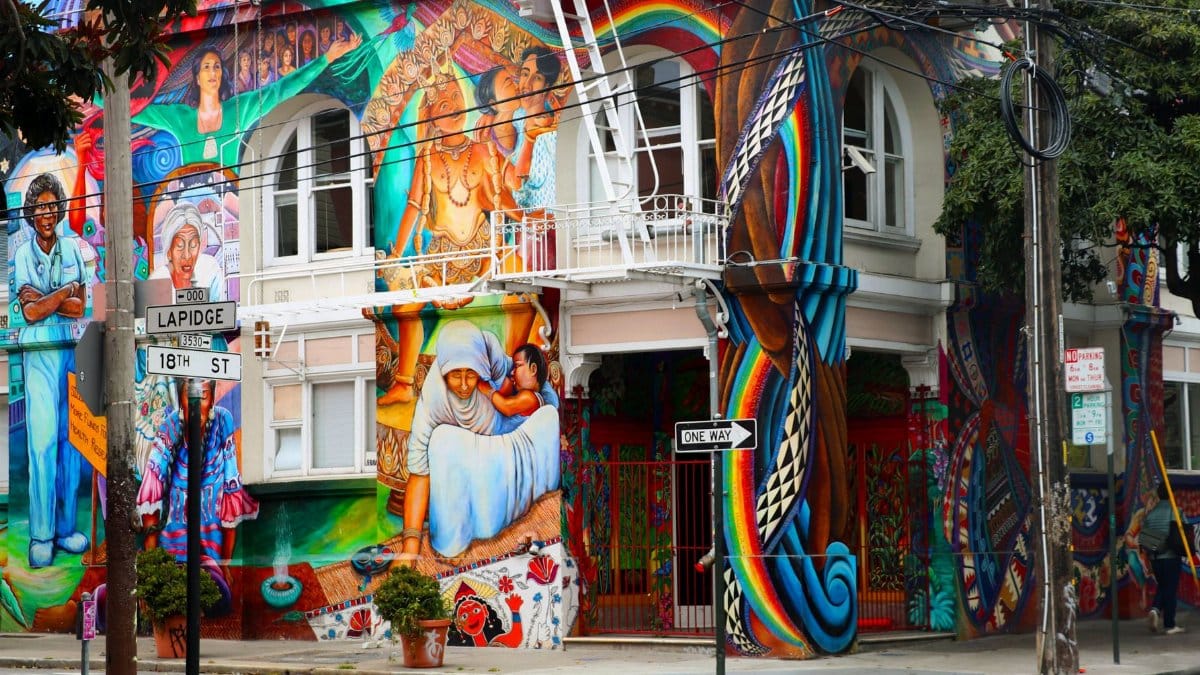
The neighborhood has long been a place where San Francisco’s contradictions stand on the same block. Murals celebrate immigrant labor beside vacant storefronts. Taquerias draw weekend lines while nearby encampments show how thin the safety net has become. The Mission is not the only district struggling with homelessness, a poisoned drug supply, and retail theft, but it is unusually visible, walked, and loved. That visibility raises the stakes. Problems are harder to ignore, and promises are harder to forget. Any new Mission District funding arrives in a place with a memory, including memories of programs that sounded urgent and then dissolved into rotating pilots, new logos, and the same corners.
Homelessness and the demand for more than a sweep
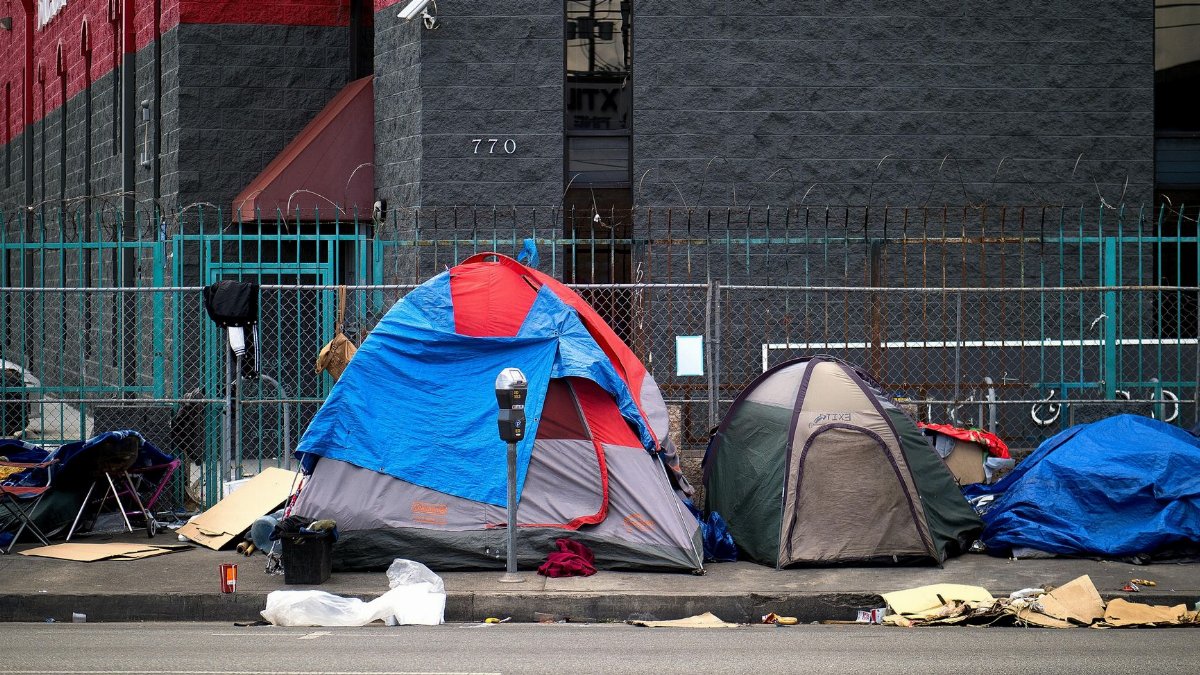
People living outside are not a single population, and policy that pretends otherwise wastes both money and mercy. Some are cycling through shelters that do not fit their health, their partners, or their pets. Some are deep in addiction. Some lost housing after a job ended, a hospitalization, or a family rupture. Treating all of them as debris will fail morally and practically. Offering only a pamphlet will fail the merchant who has replaced a window three times. The harder task is to pair immediate street management with beds, treatment, and case management that last longer than a news cycle. Money can hire outreach workers. It cannot, by itself, create the trust those workers need.
Merchants counting the cost of chaos

For small businesses, disorder is not an abstraction debated at a hearing. It is a customer who turns around at the door, a worker who refuses the closing shift, an insurance bill that rises after another break in. Owners in the Mission have described years of adapting: earlier closing times, hired security, group chats that function as informal alarms. Some have left. Others remain because the neighborhood is not just a market. It is a community they helped build, often across generations and languages. They tend to welcome resources, then ask a blunt question. Will this round of spending change Tuesday morning, or will it mostly change the wording of a press release?
Residents who want dignity on both sides of the sidewalk
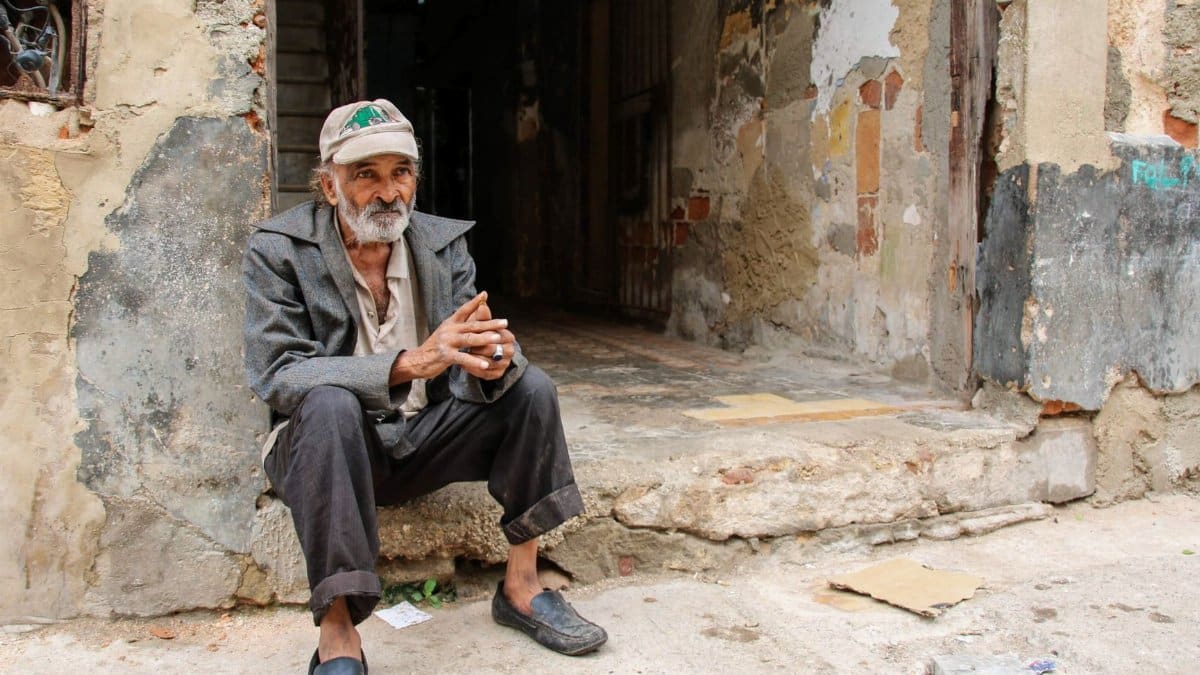
Conversations in the district often get flattened into camps: compassion versus order, housing versus enforcement, newcomer versus old timer. On the actual blocks, people hold more than one view at once. A renter can want more treatment beds and also want the plaza usable at dusk. A congregation can serve meals and still ask the city to stop looking away from open dealing. That mix is not hypocrisy. It is the ordinary moral life of a dense neighborhood where private kindness and public neglect have shared the same intersection for too long. Mission District funding will be stronger if it respects that complexity instead of recruiting residents into a single slogan.
What city leaders say the dollars can buy

Public descriptions of the package emphasize street conditions: cleanliness, safety, and services that meet people outdoors rather than waiting for them to navigate a maze of appointments. Faster cleaning matters because neglect invites more neglect. A corner that looks abandoned becomes a place where harm concentrates. Outreach teams matter because a person in psychosis or withdrawal is not going to be restored by a citation alone. The bet, familiar in urban politics, is that visible improvement builds permission for harder work. If people see a difference, they may tolerate the time it takes to house and treat those who need more than a broom and a warning.
Philanthropy and the uneasy gift

Private money in public space always carries a question of control. Donors may prefer projects they can measure: crews, pilot teams, equipment, a defined corridor with a start date and an end date. Those preferences can be useful when a city is stuck in process. They can also narrow the work toward what photographs well and what can be reported to a board. The city should be clear about who sets priorities when a check comes with expectations. Residents did not elect a foundation. They did elect a mayor and a supervisor, and those officials remain accountable for results even when the dollars originate elsewhere. Gratitude and scrutiny can coexist.
The politics of a shared announcement

Lurie and Fielder do not arrive at this moment with identical political biographies, which is part of why a joint announcement matters. A mayor associated with private sector networks and a supervisor rooted in district politics are telling the same neighborhood that they can share a plan. Voters in San Francisco have grown impatient with factional standoffs that produce hearings instead of cleaner blocks. Cooperation is not automatically wisdom. It does, however, reduce the chance that a program dies in a fight over credit. The test will be whether that cooperation survives the first disappointing month, because there will be one, and someone will be tempted to walk away from the microphone.
Measuring success without applause for its own sake

Cities often announce recovery and then measure it with anecdotes chosen for a friendly room. A better standard is plainer and less comforting. Are complaints falling on targeted blocks, and are they falling because problems shrank rather than because people stopped calling? Are outreach contacts leading to placements, not just conversations logged for a dashboard? Are storefronts reopening, or are leases still going dark? Are people leaving the street for care they accept, not merely being moved to the next corner before a count? Publishing those numbers, even when they are unflattering, would distinguish this effort from the familiar cycle of unveiling and forgetting.
The risk of a spotlight that fades

Twelve million dollars is significant for a set of blocks. It is not infinite, and it is not a housing plan for a region. Street crises are fed by rents, a lethal drug supply, shortages in mental health care, and too few treatment beds that people can actually enter. A district strategy can concentrate effort where pain is most visible. It cannot repeal those larger forces. If leaders treat the Mission as a showcase, pressure may simply shift to adjacent streets that were never in the photograph. If they treat it as a model, the city will need to name what worked and keep funding the unglamorous parts after the cameras leave.
A moral claim hidden inside a budget

There is a reason a story about street money belongs in a conversation about conscience as well as governance. How a city treats people who are both vulnerable and, at times, frightening says something about what it believes a neighbor is worth. Ignoring suffering is a failure. Romanticizing chaos is another, especially when the people who live with it every day are not the ones writing the romance. The more adult posture is to insist that every person has worth and that worth does not require a neighborhood to surrender its public spaces. Mission District funding, used well, is a practical expression of that posture. Used poorly, it is motion without mercy or order.
What to watch in the months ahead

Neighbors do not need another slogan. They need a calendar and a person who will answer the phone. Which corridors are first? Which teams are hired, and who supervises them when a shift goes badly? How will conflicts between cleaning schedules and service hours be resolved? Will Spanish speaking outreach match the district’s daily language, not as a courtesy but as a basic condition of trust? Will small businesses get a direct line when a corner deteriorates overnight? These are operational questions, and they are also questions of respect. A plan that cannot be explained on a Saturday morning at a bakery counter is not yet a plan the Mission can use.
If the money produces even a modest, durable change, it will matter beyond the blocks it touches. San Francisco has been arguing with itself about compassion and control for so long that many residents have stopped expecting either. A credible outcome would be quieter than a ribbon cutting: a sidewalk that stays clear, a person who finds a bed and keeps it, a shop that unlocks its door without bracing for the day. That is the standard Mission District funding should be held to, not the warmth of the announcement but the ordinary safety of the week that follows.