
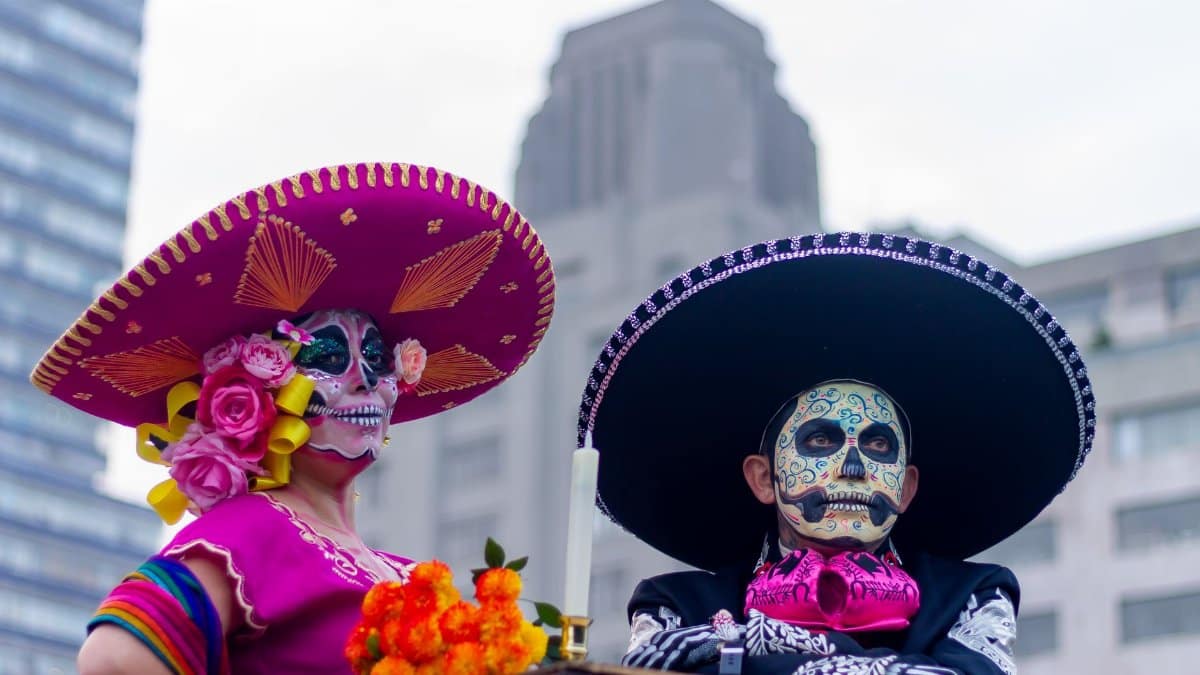
The marigolds arrived before the speeches. On the stone steps of Dallas City Hall, volunteers set out photographs, bread, and small cups of water while a brass line tuned up in the shade. Children in painted faces practiced a slow walk they had learned at school. For a city that measures weekends by traffic and ticket lines, Dallas Halloween events can look like costume parties and haunted houses. This stretch of late October asked for something steadier: a public act of memory set beside the usual sugar rush, with the dead named out loud in a plaza built for the living.
A plaza arranged for remembrance
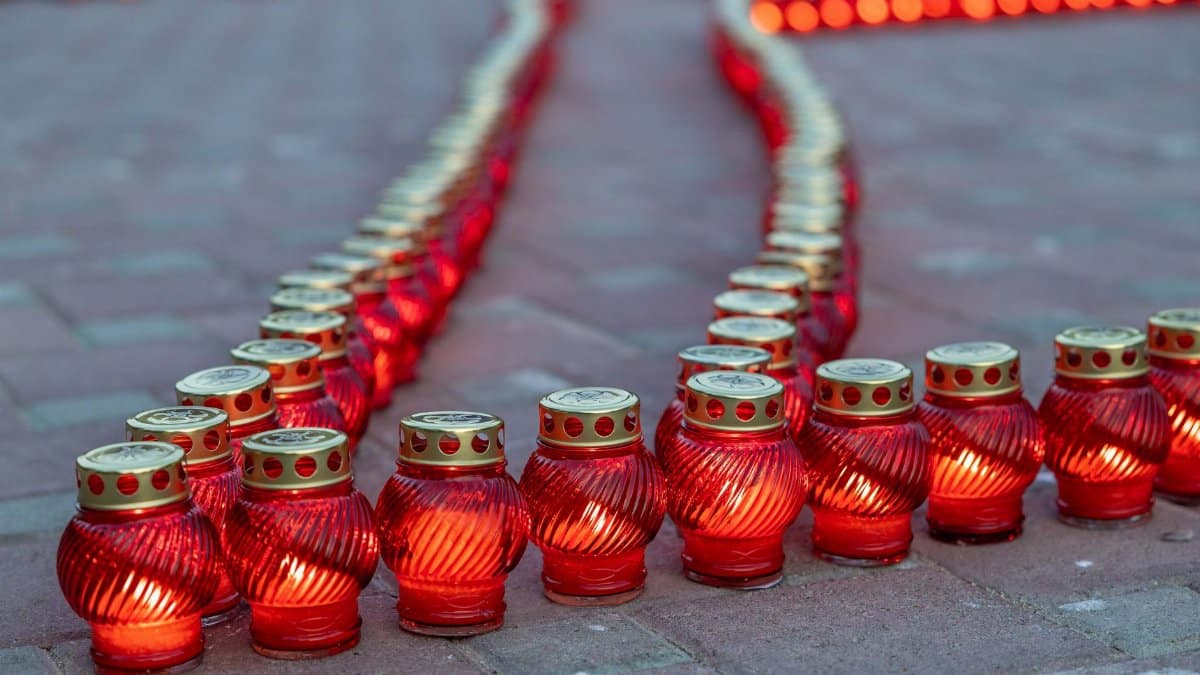
The Dia de los Muertos Parade and Festival at Dallas City Hall Plaza anchored the weekend of October 30 through November 1, 2026. Tables faced the building the way household altars face a doorway. Families brought framed pictures, favorite foods, and flowers the color of late sun. The arrangement was not decoration in the mall sense. It was a claim that grief belongs outdoors, where strangers can pause without an invitation card.
City Hall is an odd sanctuary. Wind cuts across the plaza. Office workers cross it at lunch with paper bags and phones. On this weekend the same concrete held drums, school banners, and quiet clusters of people who had come to find a name. The festival did not pretend the building had become a church. It simply borrowed the most public floor the city owns and laid memory on it.
What the parade asks people to carry
A parade is easy to describe and hard to inhabit. Marchers move. Spectators clap. Children wave. Under that surface, the Dallas procession asked participants to carry photographs and stories at a walking pace, which is slower than a feed and faster than a funeral. Names were spoken. Some were recent. Some belonged to grandparents who never saw this skyline.
That pace matters. Halloween crowds often sprint from porch to porch. Here the body had to match the claim being made: that the dead are not an abstraction, and that a city can make room for them without turning the afternoon into a lecture. Organizers and neighborhood groups have treated the route as both celebration and instruction. Newcomers learn the gestures by standing next to people who already know them.
Altars that teach without a sermon
An ofrenda is a table with a theology you can smell. Water for thirst. Salt for preservation. Bread for the labor of living. Marigolds to mark a path. A photograph so the eye has somewhere honest to rest. In Dallas the altars at the plaza and in nearby cultural spaces did this work in public, which changes the temperature of the lesson. No one had to agree on doctrine to understand that someone was missed.
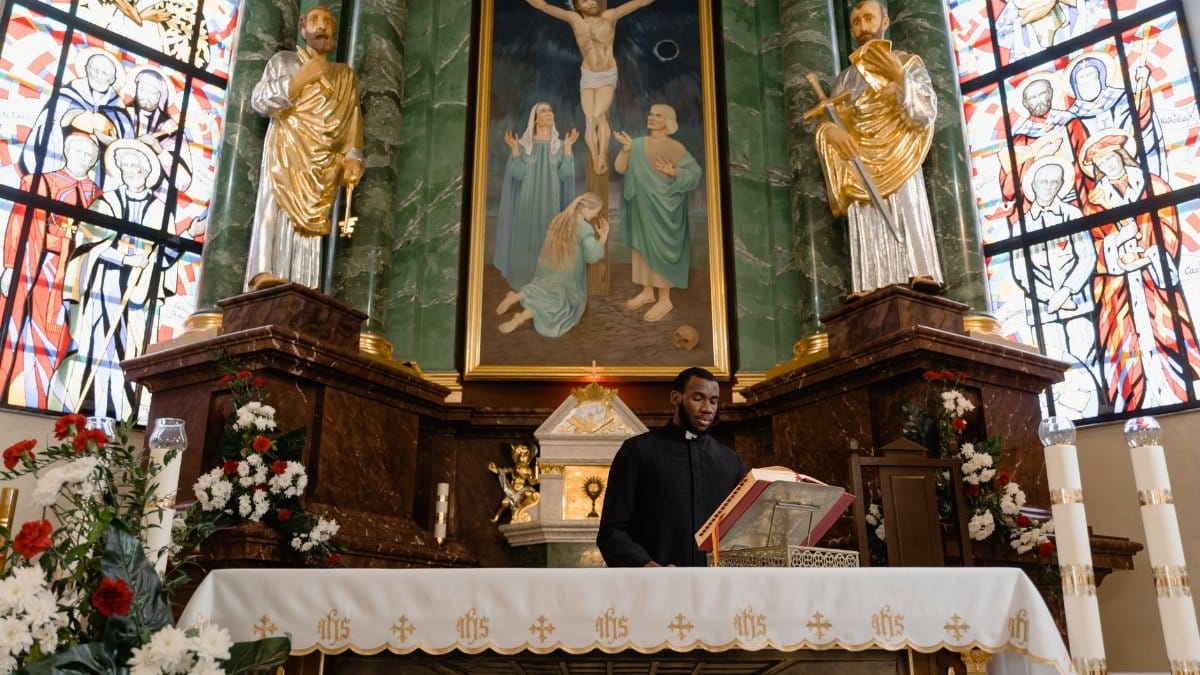
Spiritual practice in a plural city rarely arrives as a single creed. Catholic parishes recognize All Saints and All Souls on the first days of November. Indigenous and Mexican traditions of visiting the dead run older and alongside those feasts. Protestant congregations, which once kept a careful distance from both, now host memorial tables of their own. The plaza did not settle those histories. It let them stand in the same weather.
Halloween in a different register
None of this canceled Halloween. Candy still moved. Costumes still glittered under streetlights. What shifted was the company those habits kept. The same calendar that sells plastic skeletons also holds a serious account of mortality, and Dallas Halloween events this weekend made that overlap visible rather than embarrassing. A child in a cape could watch a grandmother set out pan de muerto and not be told that one ritual canceled the other.
The better haunted houses in the region still trade in fright, and fright has its own honesty. It admits that darkness is interesting. The Day of the Dead observance admits something else: that love outlasts the body, and that communities are responsible for saying so. Putting both impulses in one news cycle is not confusion. It is an accurate picture of how Americans actually keep October.
Faith groups and the public calendar
Congregations used the weekend as a bridge rather than a bunker. Some offered prayers for the departed before members walked down to the festival. Others explained the difference between honoring ancestors and pretending to summon them, a distinction that still matters in pulpits wary of folklore. Interfaith tables appeared where they often do in this city, beside food and folding chairs, with less argument than outsiders expect.
Spiritual news is not only what clergy announce. It is also what ordinary people practice when the city gives them a square of pavement. A veteran placing a photo of a friend, a teenager learning a relative’s full name, a neighbor who came for the music and stayed for the altar: these are small liturgies. They do not require a headline, but they explain why the headline exists.
Families, costumes, and shared ground
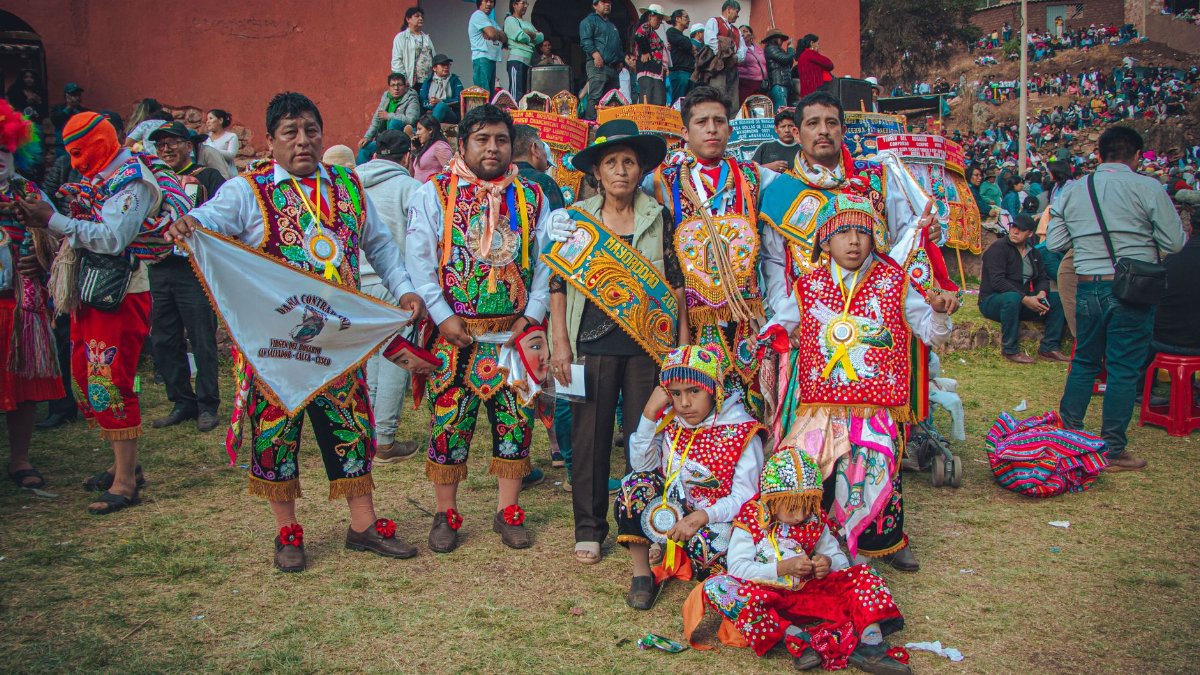
Parents navigating Dallas Halloween events tend to sort options by age, noise, and whether a stroller will survive the curb. The City Hall festival rewarded that practical mind. There was room to stand back. There was room to step forward. Face paint and paper flowers gave children a job that was not only receiving candy. They were helping build a scene older relatives could recognize.
Costume culture still did its democratic work. A homemade cape counts as much as a store costume. In a region where household budgets vary sharply from block to block, that matters. Public festivals lower the price of belonging. You do not need a ticketed maze or a themed subdivision to be present for the weekend. You need shoes and a willingness to share the sidewalk.
Neighborhoods beyond the plaza
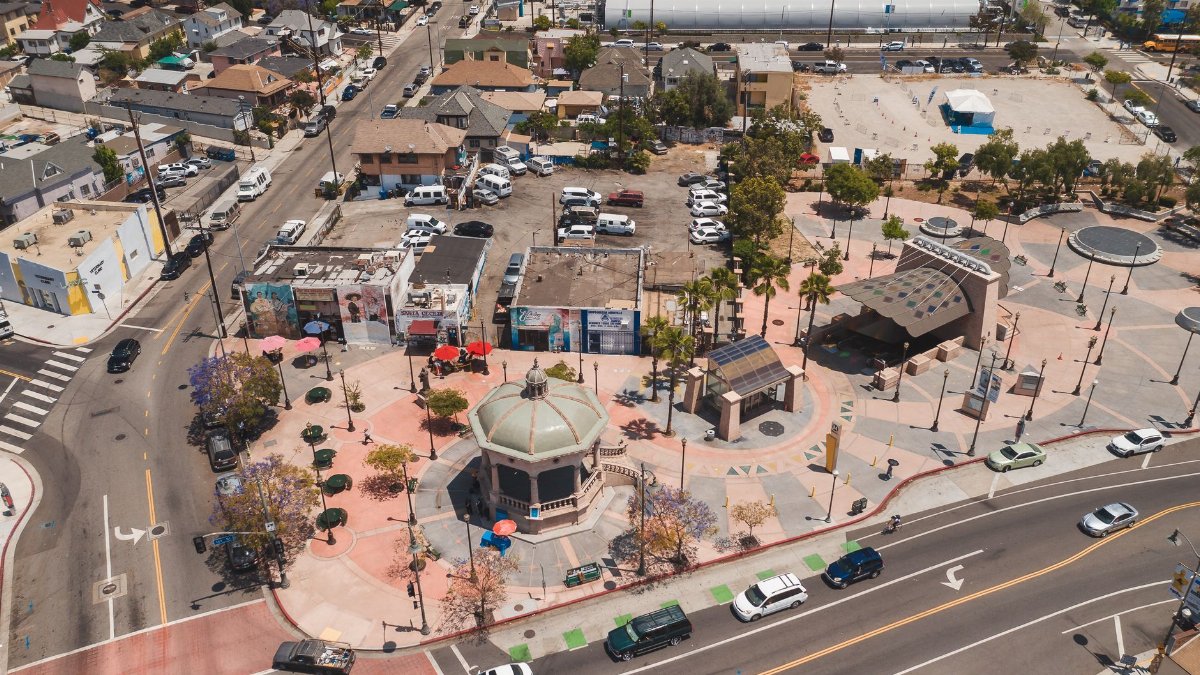
Downtown was the ceremonial center, not the whole map. Churches, community centers, and school yards across the Dallas area kept their own hours: trunk or treat lines in parking lots, evening services, small parades on side streets, porch lights left on for strangers. The spiritual trend is not a single downtown production. It is a scatter of local decisions to mark the dead and delight the living in the same forty eight hours.
That scatter is how tradition actually survives. A plaza can host the largest ofrenda. A parish hall can host the most fluent Spanish, or the most careful English explanation for guests who are new to the custom. Neither replaces the other. Readers looking for Dallas Halloween events found a weekend that rewarded leaving the house more than once, and for more than one reason.
How to walk through it
Practical advice is part of the story, because reverence fails if nobody can park. Arrive with water, a light layer, and patience for crowds near the plaza steps. If you bring a photograph, bring it in a frame that can tolerate wind. If you bring children, tell them what the altar is for before they reach it, so curiosity does not turn into grabbing. Phones are fine. Narrating every table as content is not.
Read the room the way you would read a sanctuary you do not attend. Some clusters want conversation. Some want quiet. Food shared from a family table is a gift, not a sample station, unless a sign says otherwise. The festival’s generosity depends on that distinction holding. A city can stage remembrance and still ask guests to behave like guests.
What the weekend measures
It is tempting to treat a large cultural festival as proof that a city has settled its arguments about immigration, faith, and public space. Dallas has not settled those arguments. What the weekend measured was narrower and more useful: whether people would show up for one another in daylight, with names attached. On that score the plaza, the parishes, and the neighborhood lots offered evidence you could see without a poll.
Journalists sometimes flatten Dia de los Muertos into a colorful contrast with Halloween, as if one were authentic and the other were commerce. Both can be either. A plastic skeleton on a lawn is commerce. A careful altar can also be performed for cameras. The difference is whether the living leave with a sharper sense of who they owe. That test does not require a theological degree. It requires attention.
After the music stops
When the brass packed up and the marigolds began to wilt, the plaza returned to its weekday job. The photographs went home. That return is not a failure of the ritual. Household practice is where the public festival either takes root or fades into a poster. People who stood at City Hall can keep a small table through November 2, light a candle, and say a name without a crowd to approve the gesture.
Dallas Halloween events will keep evolving as the region does: more languages on the banners, more congregations willing to share a weekend with customs they once kept at arm’s length, more families treating a civic plaza as a legitimate place to grieve. The dead do not need our festivals. The living do. For a few days in 2026, the city acted as if that were obvious, which is as close as public life gets to a prayer.