
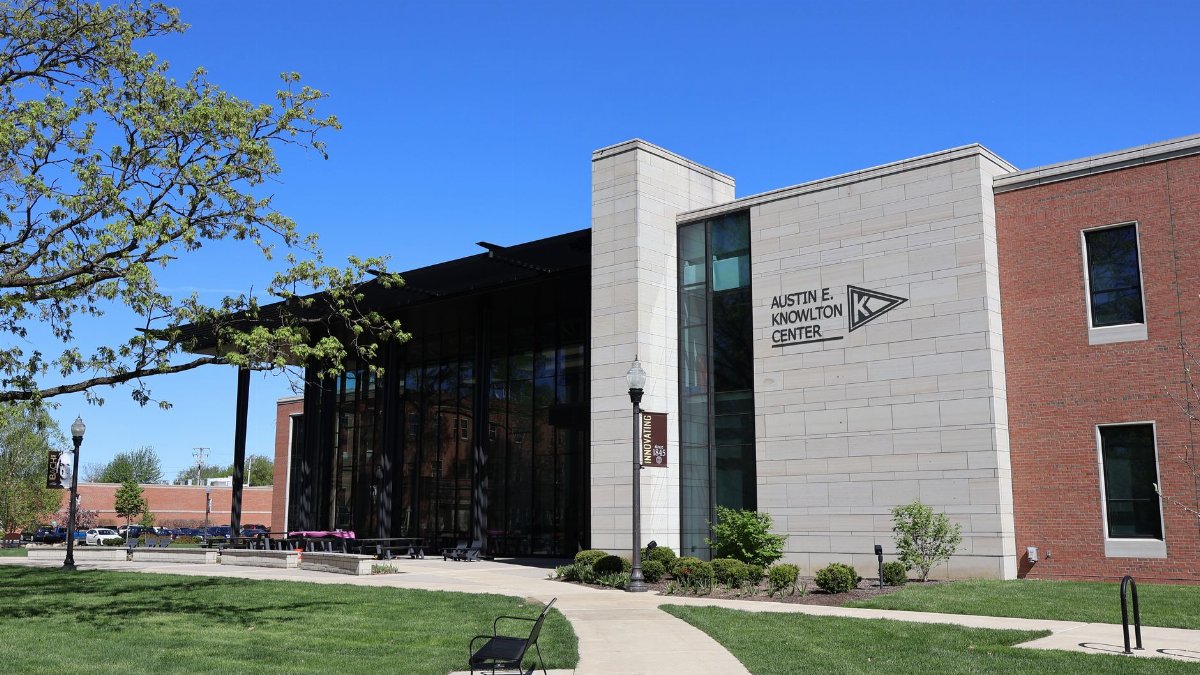
On a bright morning along Independence Mall, school groups still move past the brick and glass home of the National Constitution Center, a place built to turn an old text into a living public argument. The institution has chosen a new leader for that work. Its board named Hiram E. Chodosh as Constitution Center president and chief executive, asking a longtime college leader to guide a museum, a forum, and a civic classroom at the same time, succeeding interim leader Vince Stango.
A presidency with a public charge
The title sounds administrative. The job is not. Whoever holds it sets the tone for how millions of visitors, students, and online viewers meet the founding document and the fights that still gather around it. In a city that sells history as destination, the center has tried to be something sterner than a souvenir stop. It stages exhibits, hosts debates, and treats constitutional literacy as a civic habit rather than a semester requirement.
That mission gives the Constitution Center president unusual visibility. Donors, teachers, judges, and elected officials all have a stake in whether the place feels open, serious, and fair. A misstep reads as partisanship. Silence reads as timidity. The appointment of Chodosh signals that the board wants an executive who has already managed a complex institution under public scrutiny.
From a college campus to Independence Mall
Chodosh comes from Claremont McKenna College, where he served as president, and from a career in legal education that includes a deanship and scholarship in comparative law and dispute resolution. Campus leadership is not museum leadership, yet the overlap is real. Both roles require raising money, protecting academic or curatorial independence, and explaining hard ideas to people who did not come looking for a lecture.
College presidents spend years negotiating with faculty, students, alumni, and trustees. A civic museum adds another constituency: the general public, including visitors who arrive with strong views and little patience for nuance. The transition will test whether skills honed in higher education travel well to a nonprofit that must entertain as well as instruct.
What the center actually does
The National Constitution Center sits in Philadelphia as a nonprofit dedicated to increasing understanding of the United States Constitution. Its galleries tell a story that does not end in 1787. Amendments, court fights, protest movements, and ordinary acts of citizenship all belong in the frame. Programs reach classrooms far from Pennsylvania. Public conversations put opposing advocates in the same room, or at least on the same stage.
That mix of exhibit, school, and town hall is the operating reality a new chief executive inherits. Success is not a single blockbuster show. It is repeat attendance, teacher trust, and a reputation for letting arguments breathe without turning the building into a campaign office.
The interim chapter under Vince Stango
Stango stepped in as interim leader after a period of transition at the top. Interim service is often thankless. Budgets still close. Exhibitions still open. Staff still need direction while a search committee does its slow work. Boards praise steadiness in those months and then ask a permanent leader to supply a longer horizon.
Handing the role from an interim executive to a recruited president is a normal nonprofit rhythm, but it is also a cultural moment. People who kept the lights on deserve a clean acknowledgment. People who arrive next deserve a clear brief. The public announcement frames Chodosh as the successor to that interim stretch, which puts continuity and change on the same page.
Why the search mattered now

Civic institutions are under strain. Trust in courts, schools, and newsrooms has thinned. Visitors arrive already sorted into camps. A constitution center cannot pretend that sorting does not exist, and it cannot become a mirror of it. The board’s choice of a Constitution Center president is therefore a statement about temperament as much as résumé.
Legal training helps. So does experience with young adults who argue for a living. The harder skill is hospitality: making room for people who disagree without flattening the historical record to keep everyone comfortable. Philadelphia, with its tourist economy and its neighborhood politics, is an unforgiving classroom for that skill.
Education as the quiet core
Glamour attaches to openings and televised forums. The durable work is educational. Teachers need materials they can use on a Tuesday morning. Students need encounters with primary sources that do not insult their intelligence. Adults who last studied the document in high school need a reason to look again.
A president who has lived inside a college understands credit hours, faculty governance, and the politics of speech on campus. The center’s audience is wider and less captive. No one is required to stay for the second gallery. Programming has to earn the next hour. That pressure can sharpen scholarship rather than dilute it, if leadership treats clarity as a form of respect.
Money, boards, and the city

None of this runs on idealism alone. Ticket revenue, philanthropy, and public partnerships keep a large cultural building alive. A new chief executive will spend real time with donors who care about civic education and with a board that hired him to carry a strategic plan, not merely to preside over ceremonies.
Philadelphia expects its landmark institutions to belong to the city, not only to visitors from elsewhere. Neighborhood partnerships, school access, and a workforce that reflects the region are part of legitimacy. A national mission and a local address have to be reconciled in hiring, pricing, and the stories the galleries choose to tell.
Speech, fairness, and the risk of capture
Every forum on rights, elections, or executive power will be read for bias. That is the tax on relevance. The safeguard is not blandness. It is method: accurate history, disclosed viewpoints, and a habit of inviting the strongest version of an opposing case. Audiences can tell when a stage is rigged. They can also tell when conflict is manufactured for attention.
Chodosh’s background in dispute resolution may matter here. Processes that let parties be heard without pretending every claim has equal evidence are the daily craft of law. A museum can borrow that craft. It should not borrow the theater of cable news.
What the staff will notice first
Visitors meet the president in speeches. Employees meet him in calendars, budgets, and the questions he asks in meetings. Curators will want protection for research time. Educators will want programs that survive beyond a news cycle. Development officers will want a leader who can tell the story without sanding off its difficulty.
Early months usually reveal whether a recruit intends to listen before reorganizing. Institutions that have just finished an interim period are often tired of uncertainty and hungry for decisions. Moving too fast breaks trust. Moving too slowly lets drift set in. The useful pace is specific: name priorities, fund them, and leave room to learn what the building already knows.
A public standard for the new leader

Readers outside Philadelphia may never tour the galleries. They will still live with the consequences of how constitutional ideas are taught, debated, and sometimes distorted. A strong Constitution Center president will not settle those arguments. He can raise the quality of the room in which they happen.
That is a modest claim and a demanding one. It asks for exhibits that survive fact checking, conversations that survive disagreement, and an institutional voice that does not chase every headline. It also asks the public to show up, not only as consumers of controversy but as students of a framework that still organizes their rights and their limits.
Measuring the years ahead

Boards like metrics: attendance, membership, gifts, digital reach. Those numbers matter. They do not capture whether a teenager leaves understanding what an amendment does, or whether a skeptic leaves willing to return. The better measures are slower. Do teachers reorder the field trip. Do serious people across political lines still accept the invitation. Does the scholarship on the walls keep its nerve.
Chodosh enters with the advantage of a defined successor story and the burden of high expectations. Stango’s interim tenure kept the institution moving. The permanent appointment now asks for a direction that can be explained in plain language to a donor, a docent, and a student on the same afternoon.
An argument that has to stay open
The Constitution is not a relic under glass, even when the glass is excellent. It is a set of rules people use, stretch, and sometimes betray. A center devoted to it fails if it becomes a shrine, and it fails if it becomes a rally. The space between those failures is where this presidency will be judged.
Philadelphia has hosted that argument since the document was drafted. The National Constitution Center exists to keep the argument intelligible to people who were not in the room then and are very much in the country now. With Hiram E. Chodosh as Constitution Center president, the institution bets that a leader formed in classrooms and faculty debates can keep that argument honest, crowded, and worth the trip.