
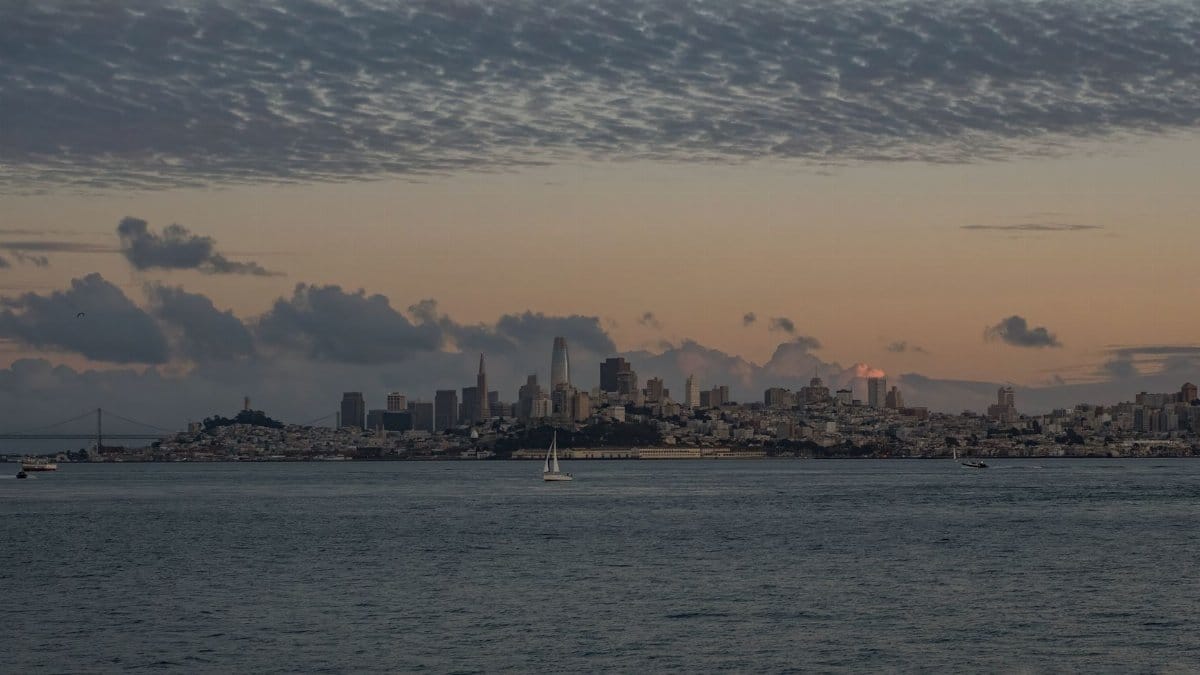
On a gray evening in the Richmond District, the lights failed without warning, and the block settled into a familiar hush. Refrigerators clicked off. A streetcar sat dark at the corner. In apartments above the shops, people reached for phone flashlights the way earlier generations reached for matches. City officials now want a formal answer to why this keeps happening. Their request, built around the record of PG&E outages SF, asks state regulators to examine at least 40 large unplanned outages since January 2026 and to decide whether the utility has met the standard the public is entitled to expect.
A request that is really a test of patience

San Francisco has asked the California Public Utilities Commission to open an investigation. The ask is procedural on its face and political in its force. A city does not lightly invite a state agency into the wiring of its daily life. Officials are arguing that the volume of failures is no longer a string of bad days but a pattern that deserves scrutiny, remedies, and a public record anyone can read.
When a local government turns to the commission, it is saying that customer complaints and neighborhood meetings have not been enough. The commission can demand data, compare performance with standards, and in serious cases shape penalties or required investments. None of that restores a dinner that went cold. It can, over months, change what the company is required to fix, and how openly it must explain the fixing.
The Chronicle has reported the city’s push, and the filing sits with a regulator whose website, at cpuc.ca.gov, shows how slowly these matters usually move. Slowness is not the same as indifference. It is the pace of a process that tries to separate weather, accident, and neglect. Residents living through the year may not have the luxury of that patience, which is precisely why the city is trying to borrow the state’s.
Counting the dark since January
The figure that anchors the city’s case is stark: at least 40 large unplanned outages since January 2026. Large, in utility language, is not a flicker in one flat. It is an event that hits many customers at once, sometimes a neighborhood, sometimes a swath of the city that shares a circuit or a substation. Unplanned means the lights did not go out because the company scheduled work and warned people in advance. They went out because something failed.
Forty is a number that sounds manageable until you place it against a calendar. Spread across winter, spring, and the warmer months, that pace suggests a major event every few days on average, though outages cluster. Storms bunch them. Heat can bunch them. Equipment that is already tired fails in groups. Residents do not experience an average. They experience the night their building went dark while the building across the street stayed bright, and the morning they learned there was still no firm time for restoration.
A count also hides duration. One outage that lasts twenty minutes is not the same event as one that lasts most of a night, spoils food, and strands people in lobbies. If regulators take the city’s request seriously, they will have to look past the headline number to hours, customers, and repeat locations. A city can survive isolated failures. It struggles when the same blocks keep appearing on the list.
What an outage does to a city that runs on schedules

San Francisco is dense, vertical, and dependent on electricity in ways that a rural county is not, even when that county faces longer shutoffs tied to wildfire risk. Elevators stop. Medical devices at home need backup. Corner stores lose refrigeration. Traffic signals blink or go dark, and the patience of drivers thins. Restaurants throw out food. Office workers lose the assumption that a laptop and a router will carry the day.
The harm is uneven. A household with a charged battery and the ability to leave town absorbs a blackout as inconvenience. A household on a fixed income, in a high rise, or caring for someone who cannot easily relocate absorbs it as risk. The stories repeat in different doorways: the insulin in a warming fridge, the sleep machine, the child who needs a nebulizer, the elder who cannot manage stairs when the elevator is dead. Those details are not color. They are the reason reliability is a public obligation rather than a luxury feature.
Small businesses feel a second cut. A cafe can lose a morning of sales and a refrigerator of milk in the same hour. There is no simple refund for that. Insurance is patchy, deductibles are real, and the utility’s claims process, even when it works, arrives long after payroll is due. An investigation that ignores the cash register will miss part of what these outages cost.
The utility and the longer argument over the grid
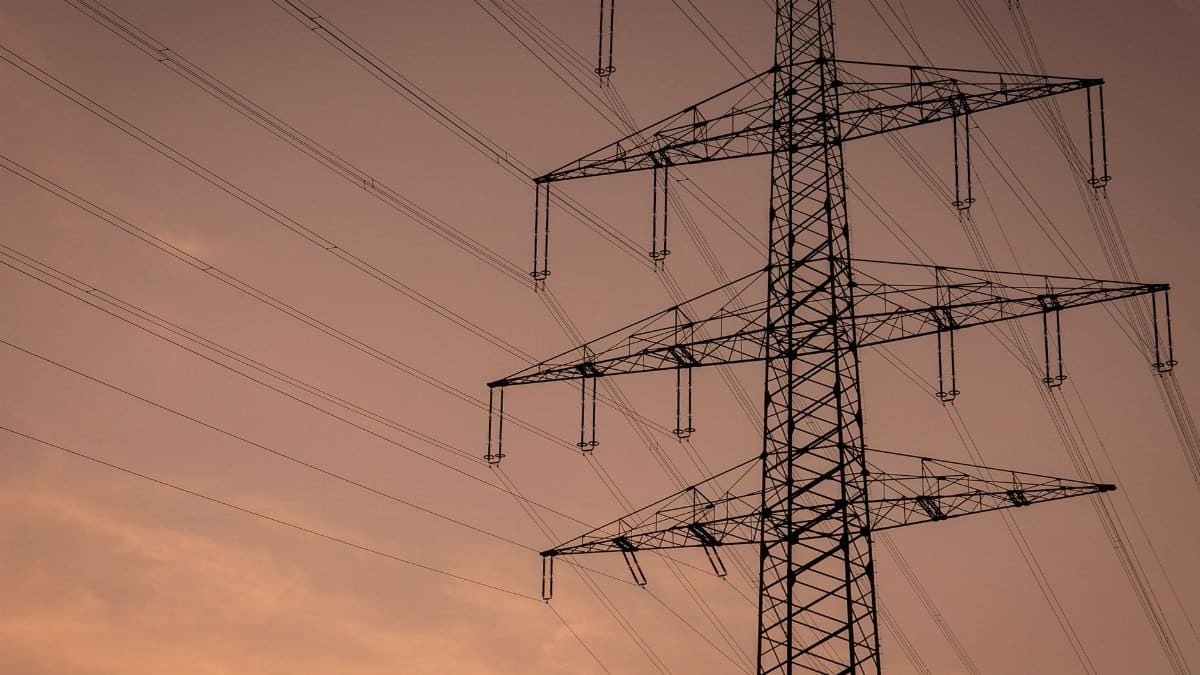
PG&E serves a vast territory, from mountain towns to this peninsula city, and its recent history is heavy. Wildfire liability, bankruptcy, and a public fight over whether the company can be trusted with ignition risk have shaped California energy politics for years. San Francisco’s complaint is related but not identical. Urban outages are often about equipment age, maintenance, loading, animals, cars hitting poles, underground cable, and the plain failure of parts that should have been replaced sooner. They are also about communication: how fast the company tells people what broke and when the lights return.
I have stood on sidewalks after smaller outages and watched neighbors compare outage maps on their phones, each map a little late, each estimate a little soft. That small scene captures a larger distrust. People can forgive weather. They struggle to forgive vagueness. A company that has asked the state for extraordinary sums to harden its system should expect extraordinary questions when the lights fail in the city that already pays some of the highest rates in the country.
None of this requires a cartoon villain. Grid work is hard, skilled, and sometimes dangerous. Crews who climb poles in the rain are not the authors of deferred maintenance decided years earlier. The public can hold both thoughts at once: respect for the people doing the repair, and insistence that the institution directing them be measured against results.
What regulators can actually examine

The California Public Utilities Commission is not a fire department. It does not restore a circuit at 9 p.m. Its power is slower and, if used well, deeper. An investigation can ask whether outage frequency and duration in San Francisco meet the metrics the state already uses to judge utilities. It can ask whether particular substations, feeder lines, or underground districts account for a disproportionate share of PG&E outages SF. It can ask what the company spent, what it deferred, and whether deferred work shows up later as darkness.
Those questions matter because a utility is a monopoly in the wires even when customers can choose some of their energy supply. If you cannot take your business elsewhere for the pole and the cable, the regulator is the substitute for competition. A weak review is a gift to inertia. A serious review is one of the few tools a city has when the franchise is exclusive and the failures are shared.
There is a limit to what a filing can prove on day one. Causes differ. A car, a bird, a failed splice, a overloaded circuit, a mistake in switching: each has its own physics. The city’s argument is not that every event was negligence. It is that the pile of events is now large enough to justify a structured look, with documents, not just apologies.
Neighborhoods, circuits, and the myth of a single city
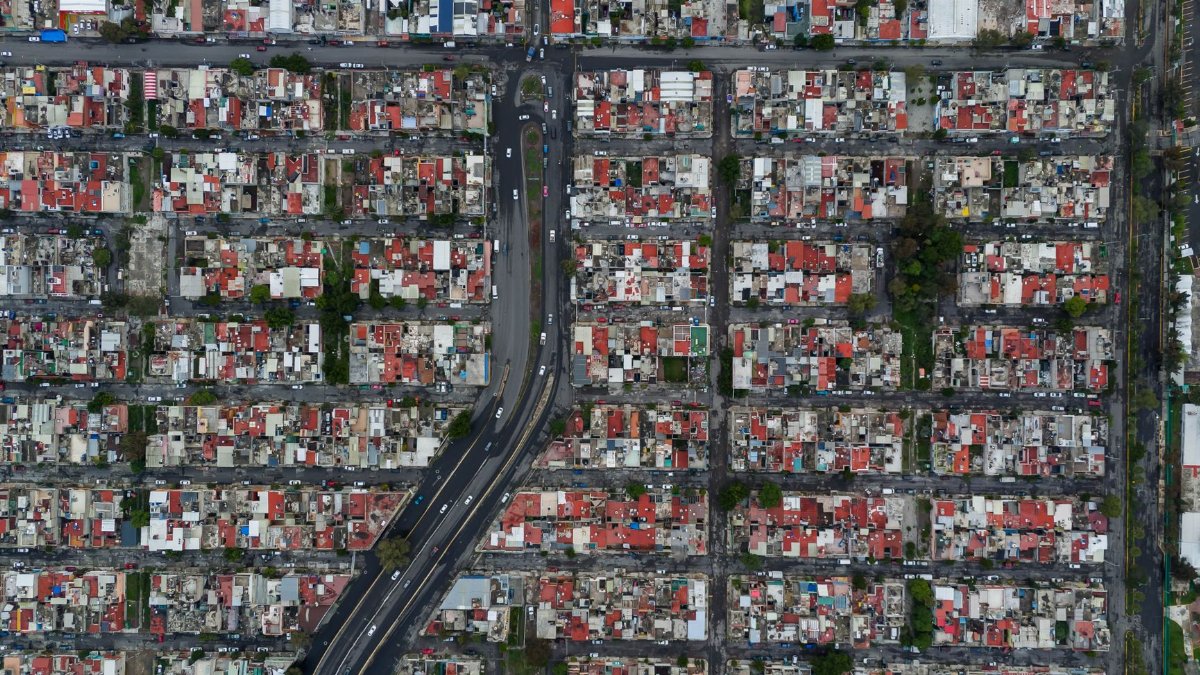
San Francisco is one city and many electrical neighborhoods. A failure in the Sunset does not feel like a failure downtown, except when it does, when a shared system pulls a wider area down. Officials pressing the state are, in effect, asking for a map of weakness. Which circuits fail repeatedly? Which repairs are temporary patches? Where does underground cable, prized because it keeps wires off the wind, become its own problem because faults are harder to find and slower to mend?
Residents already keep informal maps. They know the corner that blinks in winter rain. They know the block that loses power when the rest of the street does not. Formal investigation turns folklore into evidence. Evidence is what a commission can act on. Anecdote starts the argument. Data finishes it, or should.
Geography also shapes fairness. Hills, old housing stock, and a mix of overhead and underground plant mean that two neighbors a few blocks apart can live in different electrical countries. If the record shows that some districts absorb far more of the forty events than others, the remedy should follow the map, not a citywide average that flatters the system by hiding the worst feeders.
Money, maintenance, and the bill that arrives anyway

Every discussion of reliability collides with the bill. PG&E customers already pay rates that feel punishing, and they are asked to fund a grid that must withstand fire, flood, heat, and the ordinary decay of metal and insulation. The political tension is simple to state and hard to govern. People will support investment if they believe the money buys fewer nights in the dark. They revolt if the bill rises and the outages continue.
That is the trap of PG&E outages SF as a civic issue. The phrase names inconvenience, but it also names a bargain. The company holds an exclusive franchise over the wires. In return, the lights are supposed to stay on within a band of acceptable failure. When the band is breached often enough, the bargain looks broken even if no single outage proves negligence by itself.
Rate cases and reliability cases are often argued in different rooms. They should be read together. Spending that does not reduce large unplanned events in a dense city is not a technical detail. It is the heart of whether the public is buying a safer grid or merely financing a larger organization. Commissioners who separate the bill from the blackout will miss the question residents are actually asking.
Communication as its own kind of failure

Engineers will say, correctly, that some outages are unavoidable. A car hits a pole. A cable faults. A protective device opens to prevent a worse fire or a dangerous backfeed. The public argument often begins after that technical fact. How soon did the company acknowledge the scope? Did the estimated restoration time move all evening? Did small businesses learn about the outage from customers rather than from the utility? Did medically vulnerable customers get useful notice, or only a general alert after the fact?
Good communication does not splice a cable. It does tell a city whether it is being treated as a partner or as an audience. In a year of repeated events, tone and timing become part of reliability. A precise, humble update is not a repair. It is evidence that someone is accountable while the repair is underway. Vague estimates, repeated for hours, teach people to stop believing the next one.
There is also the question of what gets counted in public. If large events are defined narrowly, a city can suffer many painful failures that never enter the number officials are citing. Transparency means showing the method. How many customers, for how long, on which circuit, with what cause code? Without that, forty can be both alarming and incomplete.
What the city is really asking for
Read narrowly, San Francisco wants an investigation of outages. Read more broadly, it wants a finding that can force change: more aggressive replacement of weak equipment, clearer reporting, perhaps penalties if standards were missed, and a public explanation that residents can trust more than a social media post. State regulators will decide whether the record justifies that step. PG&E will have the chance to show causes, investments, and improvements. That adversarial structure is healthy if it stays tied to facts.
The risk is theater. A letter, a hearing, a headline, and then the same flicker six weeks later. Residents have seen processes that move slower than equipment fails. The test of this request will not be the eloquence of the filing. It will be whether, a year from now, the count of large unplanned outages is meaningfully lower, and whether the people who lived through PG&E outages SF can point to a repair they can see.
Officials should also say what they will do if the commission moves slowly or finds a mixed record. A city can press for local reporting, coordinate backup power at critical sites, and keep its own tally so the public is not dependent on a single corporate map. Investigation is a tool. It is not a substitute for the unglamorous work of knowing which facilities cannot go dark.
Small preparations and a standard that should outlast the headline

Households adapt in ways that should not be necessary and yet are rational. Batteries, coolers, a list of neighbors who need a check, a plan for the stairs if the elevator stops. Those adaptations are a kind of civic muscle. They are also a quiet indictment. A modern city should not require its residents to live as if the grid were a guest that might leave without notice.
I do not pretend that any commission order will make electricity perfectly constant. Weather and physics will not sign such a pledge. What people can ask for is fewer large failures, faster truth telling, and a utility that treats San Francisco’s circuits with the urgency the outage count implies. The phrase PG&E outages SF should go back to being a search, not a season.
After the filings and the quotes fade, a plain standard remains. A regulated monopoly owes safe, reasonably reliable service and an honest account when service fails. San Francisco has put that standard in front of the state and asked someone with authority to measure the year against it. The lights, in the end, are the only witness that cannot spin. If they stay on more often, the investigation will have been worth the paper. If they do not, the city will have learned that asking was only the first step, not the repair.