
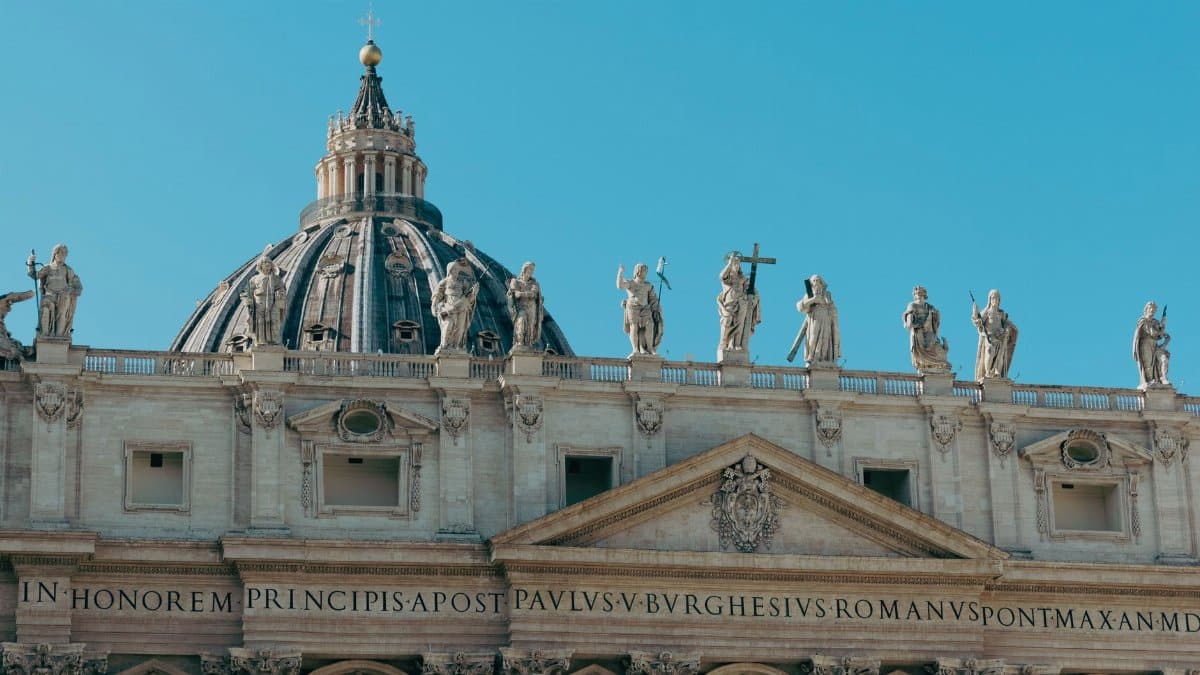
In a Vatican hall filled with researchers, engineers, and ethicists, Pope Leo XIV did not dwell on gadgets or growth curves. He named the contest itself. The phrase Pope AI institutions is a blunt way of putting the point he pressed: the race to build powerful systems will not be settled by clever code alone. What matters, he said, is whether nations can stand up an ethical framework with enough authority to bind the people who design, sell, and deploy those systems. The meeting was not a technology fair. It was a plea for rules that arrive before the damage does.
A warning aimed at the speed of the race
The pope called the need for that framework the most urgent challenge facing the artificial intelligence race. Urgency, in his telling, is not a mood. It is a calendar problem. Models improve in months. Treaties, statutes, and inspection regimes take years. By the time a legislature finishes a hearing cycle, a lab may have shipped a tool that reshapes hiring, lending, medicine, or war planning. Rome is not trying to freeze invention. It is trying to say that invention without a shared moral floor is a public risk, not a private triumph.
What Pope AI institutions actually names
Pope AI institutions is less a slogan than a diagnosis. The diagnosis is that ethics written on a company website will not hold when profit, prestige, and national rivalry pull in the other direction. Institutions are the boring machinery of restraint: courts, standards bodies, licensing rules, cross border agreements, and watchdogs with the power to ask for records. Without them, principles stay optional. With them, a developer in one capital and a buyer in another at least share a vocabulary for harm, consent, and accountability.
Inside the Vatican gathering
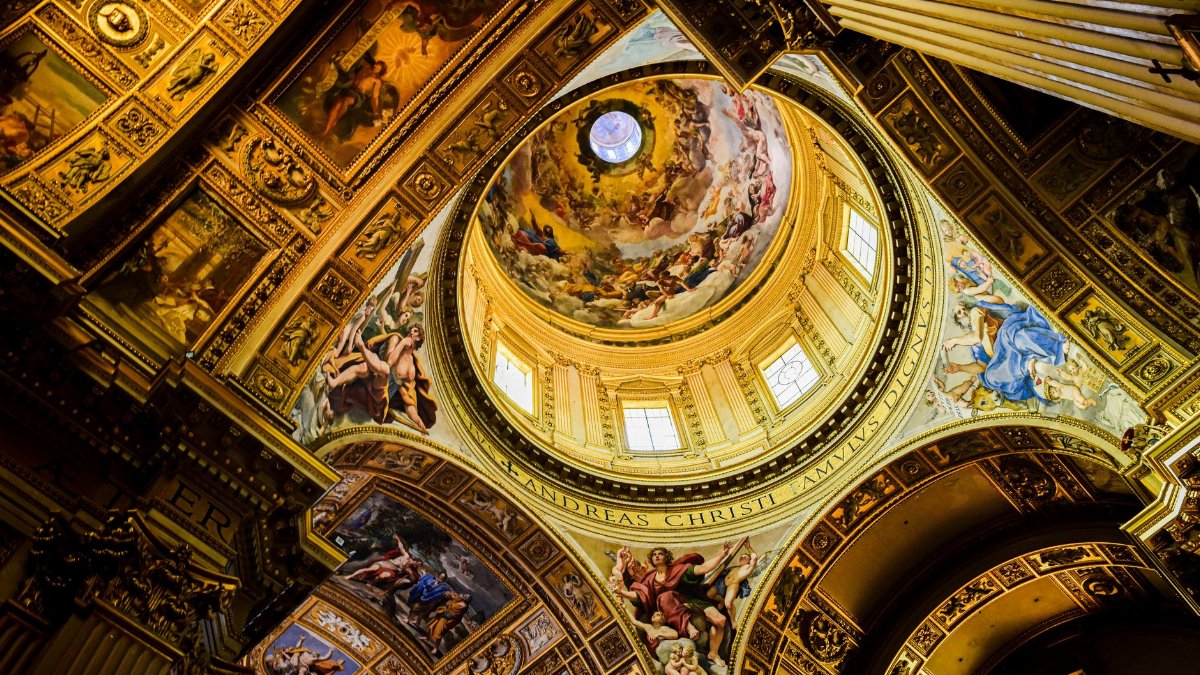
The session brought researchers and experts to the Vatican to talk about how moral language might become enforceable practice. Participants were not asked to bless a single product. They were asked to confront a harder question: who gets to say no. A church can teach. It cannot audit a data center. That gap is the whole story. Religious authority can clarify what dignity requires. Only public institutions can attach consequences when dignity is treated as a cost to be minimized. The Seattle Times account of the remarks is a useful starting point for readers who want the news frame rather than the homily: Pope says the most urgent challenge is an institutional ethical framework.
Why voluntary codes keep failing the test

Companies already publish principles. Many of them are sincere. Few of them survive a quarter in which a rival ships first. Voluntary codes fail for a structural reason, not a moral one. The firm that slows down to check bias, labor conditions, or military end use can lose the contract to the firm that does not. A framework that lives only inside corporate policy therefore rewards the least cautious actor. That is why the pope keeps returning to institutions rather than to individual virtue. Virtue matters. It does not scale against a market that prices caution as delay.
The international piece of the argument
Artificial intelligence does not respect borders, and neither do its failures. A model trained in one country can screen job applicants in another, generate political propaganda in a third, and guide a weapon in a fourth. National laws still matter, but a patchwork invites forum shopping. Pope AI institutions, read in that light, points toward cooperation that is wider than any single parliament. Shared definitions of prohibited uses, mutual recognition of safety tests, and some means of penalty when a firm evades the strictest jurisdiction are the unglamorous contents of an ethical framework. Speeches do not supply those contents. Diplomats and regulators do.
Dignity as a design constraint

Catholic social teaching has a long habit of talking about the person before the tool. Applied here, that habit rejects two temptations. One temptation treats workers, patients, students, and soldiers as data exhaust. The other treats every limit as an attack on progress. A serious framework would ask, before deployment, who bears the error, who can appeal, and who profits if the system is wrong. Those are not technical afterthoughts. They are the difference between a tool that serves a community and a tool that administers it. The Vatican is not uniquely qualified to write the code. It is qualified to insist that the person is not a rounding error.
What enforcement would have to include

An ethical framework that cannot be enforced is a press release. Enforcement, if it is to match the pope’s urgency, would need a few plain features. Independent testing before high risk systems reach the public. A duty to disclose when a person is dealing with a machine in matters that affect liberty, livelihood, or health. Liability that reaches the firms that profit, not only the intern who clicked deploy. And a ban, narrowly drawn, on uses that treat human beings as targets rather than as agents, especially in lethal systems and in mass surveillance of the innocent. None of that requires a world government. It requires governments that are willing to disappoint their national champions.
Firms, states, and the church in the same room
The awkward truth is that the three powers in this story want different things. Firms want room to ship. States want advantage, sometimes security, sometimes industrial policy dressed as safety. The church wants a moral limit that does not depend on market share. Pope AI institutions only works if those powers are forced into the same conversation with the public present. Left alone, each will define ethics as whatever does not slow its own project. Together, they can at least be asked to name the harms they are willing to forbid even when forbidding them costs money or status.
The skeptics have a fair point

Critics will say Rome is late, vague, and unequipped. They are not entirely wrong. A papal address does not inspect training data. It does not settle whether a copyright suit should succeed, or how a hospital should validate a diagnostic model. Skeptics also note that moral language can be captured. A government can invoke ethics to protect a domestic industry, or to suppress speech it dislikes, and call the move a framework. The answer is not to abandon institutions. The answer is to build them with public records, appeal rights, and limits on what the state itself may do with the same tools. Ethics that binds only the weak is not ethics.
Readers who live with the tools already

For a middle aged reader, this is no longer a future beat. A bank may score a loan with a model no loan officer can explain. A school may flag a student essay as machine written. A clinic may suggest a treatment path that a tired physician rubber stamps. The institutional question shows up as a practical one: whom do you call when the system is wrong, and does that person have power. If the answer is nobody, the race has already been decided in favor of opacity. Pope AI institutions is a reminder that opacity is a political choice, not a law of nature.
Speed is not the same thing as wisdom

There is a cultural habit, especially in the United States, of treating the fastest builder as the rightful winner. That habit built real prosperity. It also built messes that later generations paid to clean up, from unsafe drugs to polluted rivers to financial products nobody could price. Artificial intelligence is closer to those histories than to a harmless consumer gadget. The systems touch judgment itself: who is hired, who is believed, who is targeted. A country can celebrate inventors and still refuse to let them write the only rules. That refusal is what an institutional framework looks like in ordinary civic language.
A test that will not wait for another encyclical

The next chapters will not be written only in Rome. They will be written in procurement offices, standards committees, courtrooms, and the contracts that governments sign with vendors. If those chapters merely repeat the language of dignity while the contracts remain silent on audit, appeal, and prohibited use, the Vatican meeting will have been theater. If they translate the most urgent challenge into duties that a firm can violate and a regulator can prove, the meeting will have done its job. Pope AI institutions, used as a test rather than a headline, asks a single question of every new system: who is accountable when it fails, and is that accountability real.
Leo XIV has put the burden where it belongs, on the public structures that can outlast a product cycle. The race will continue. The open question is whether anyone with authority is willing to slow a lane, close a gate, or fine a winner. Without that willingness, ethical principles remain decoration. With it, the institutions he is asking for might still arrive in time to matter.