
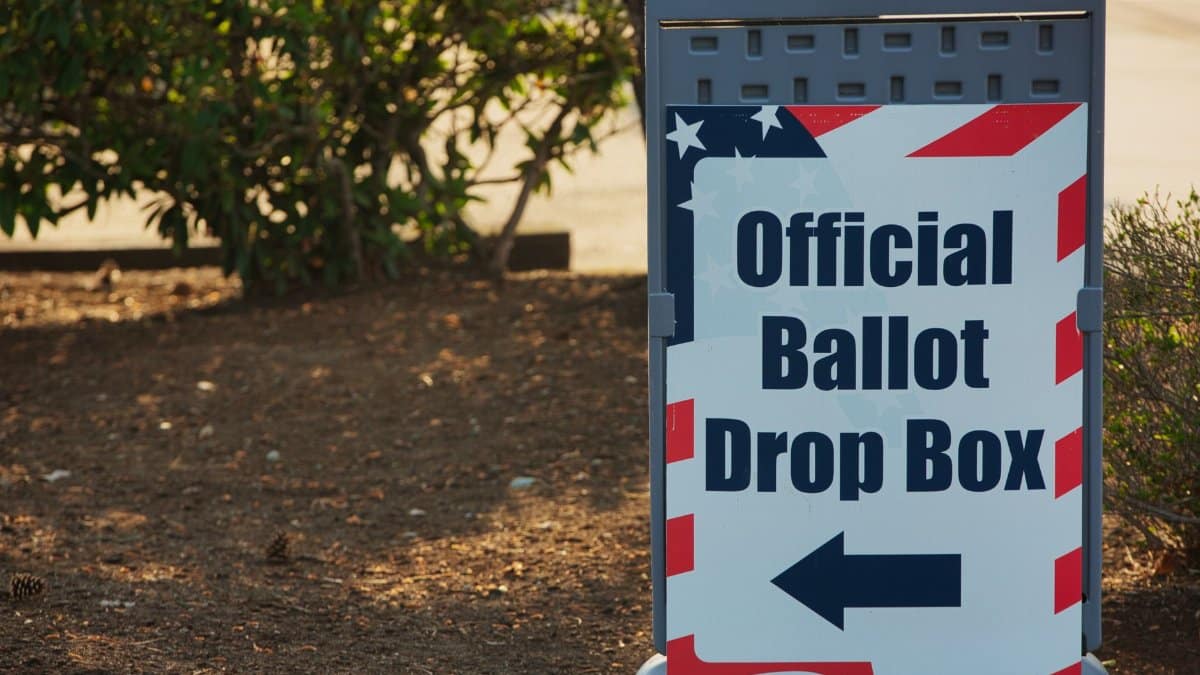
On a quiet morning in a county elections office, the mail cart arrived with the usual stack of vendor invoices, voter letters, and precinct supply orders. Tucked among them was a federal demand that changed the temperature of the room. Staff who spend most of their year on ballot design and poll worker training were suddenly reading legal language about records, chain of custody, and deadlines measured in days rather than election cycles. The phrase DOJ California subpoenas now sits at the center of a fight over who gets to inspect the machinery of a state vote, and how far Washington may reach into work that California law assigns to local officials.
A demand that feels larger than paper

A subpoena is not a verdict. It is a compulsory request for documents or testimony, backed by the authority of a court or a grand jury process, and it can arrive long before anyone is charged with anything. In election administration, that distinction matters. County registrars, city clerks, and state elections lawyers are accustomed to public records requests, audits, and lawsuits from campaigns. A Justice Department demand carries a different weight. It signals that federal prosecutors or civil rights lawyers believe they need material that voluntary cooperation has not produced, or that they want the formality of a legal order so the record is clean.
For readers outside California, the practical picture is simple. Ballots are printed, mailed, returned, scanned, and stored under rules written in Sacramento and carried out in fifty eight counties. When federal investigators ask for logs, envelopes, voter files, or internal emails, they are stepping into a workplace that is already under a microscope. The latest escalation, described by officials and in public accounts of the inquiry, suggests the department is no longer content with press statements and voluntary briefings. It wants the files.
Why California draws this kind of attention
California runs one of the largest and most mail heavy elections in the country. Universal vote by mail, same day registration in many circumstances, long cure periods for signature problems, and a patchwork of county vendors create a system that is resilient and also hard to summarize in a single chart. Supporters say those features expand access. Critics say they multiply opportunities for error, delay, and dispute. Both claims can be true in different counties on different nights.
That complexity is catnip for national politics. Close races elsewhere have trained a generation of activists to treat every procedural choice as a potential scandal. California is not a swing state in presidential math, yet it is a symbol. If federal lawyers can establish a pattern of sloppy record keeping, unequal treatment of voters, or resistance to oversight here, the finding will travel. If they cannot, the inquiry itself may still shape how clerks behave in the next cycle. Either outcome changes the job.
What investigators typically want to see

People who have answered election related subpoenas in other states describe a familiar list. Chain of custody forms for ballot batches. Scanner logs and adjudication notes, the digital breadcrumbs that show when a human reviewed a mark a machine could not read. Signature verification policies and the training materials given to temporary staff. Communications between county counsel and the secretary of state. Contracts with printing and mailing firms. Sometimes, lists of voters whose ballots were challenged and later counted or rejected.
None of that material is exotic. Much of it is already subject to state public records law, with exemptions for voter privacy and for security details that could help someone tamper with a system. The friction starts when a federal demand asks for fields that state law treats as confidential, or when the deadline collides with the ordinary work of an elections calendar. A clerk cannot pause a special election because a prosecutor in Washington wants a spreadsheet by Friday. Courts exist to sort those collisions. Until a judge speaks, the county lawyer is the person who sleeps badly.
The constitutional line under the paperwork
The Constitution gives states the leading role in the time, place, and manner of congressional elections, subject to congressional override. Presidential electors are chosen under state law. Criminal law, civil rights statutes, and the power to investigate fraud or discrimination give the Justice Department real tools. Those tools are not a blank check to run a county elections office by remote control.
That is the argument California lawyers are likely to make if any demand looks like an attempt to rewrite procedure rather than to gather evidence of a past violation. Federal authority is strongest when it tracks a statute: intimidation of voters, conspiracy to cast illegal ballots, deprivation of rights under color of law, or a pattern of discrimination that the Voting Rights Act still reaches. It is weaker when the theory is simply that a state chose a method Washington dislikes. Judges have been skeptical of efforts to turn policy disagreement into a federal case. They have also been willing to enforce subpoenas that are narrow, relevant, and tied to a plausible legal theory.
County offices are not built like law firms
A large county may have in house counsel and a records unit that can pull email archives without shutting down the front counter. A smaller county may have a registrar, two deputies, and a shared county attorney who also handles land use and personnel grievances. The same federal form letter lands differently in those two buildings. Compliance costs are not abstract. Overtime, outside counsel, and the risk of missing a redaction can consume a budget line that was meant for ballot drop boxes or poll worker stipends.
There is also a human fact that national coverage often skips. Many of the people opening these envelopes have spent years absorbing accusations that they are either naive or corrupt. Some are elected. Some are civil servants who cannot campaign. A subpoena does not distinguish. It asks for files, and it implies that someone with a badge thinks the files matter. Even a clean production can feel like an accusation. Managers who care about retention worry that good staff will leave for quieter public jobs.
Privacy sits beside integrity
Voters have a stake that is easy to lose in the legal theater. Ballot secrecy is not a courtesy. It is a condition of a free election. So is the accuracy of the roll, and so is the public’s ability to see that rejected ballots were rejected for reasons that the law actually allows. A responsible response to federal scrutiny protects all three. That means producing what the law requires, resisting what the law forbids, and explaining the difference in plain language.
California already publishes a great deal: statewide results files, county statements of vote, and post election audits that sample ballots against machine counts. Critics say publication is not the same as independent inspection, and they are not entirely wrong. Audits designed by the same offices that ran the election will never satisfy every skeptic. Outside review, including federal review when a statute is in play, can strengthen confidence if it is competent and bounded. Fishing expeditions do the opposite. They teach the public that process is a weapon, and they teach administrators to write fewer notes.
Politics will try to finish the sentence

Neither party has a clean recent record on election rhetoric. One side has spent years describing routine mail voting as suspect. The other has sometimes treated any question about procedure as an attack on democracy itself. Both habits make sober oversight harder. When DOJ California subpoenas become a cable news chyron, the incentive is to declare victory before a single document is read. Campaign committees will fundraise off the headline. County officials will be asked to comment on an investigation they are not allowed to narrate.
A better habit is slower. Ask what statute is cited. Ask whether the demand is criminal, civil, or administrative. Ask which counties, and whether the selection tracks a documented complaint or a political map. Ask what happens to voter data after it leaves the building. Those questions do not require loyalty to a candidate. They require literacy about institutions. Middle aged voters who have watched several contested counts already know that confidence is a public good. It is rebuilt with methods, not with slogans.
How a careful county answers
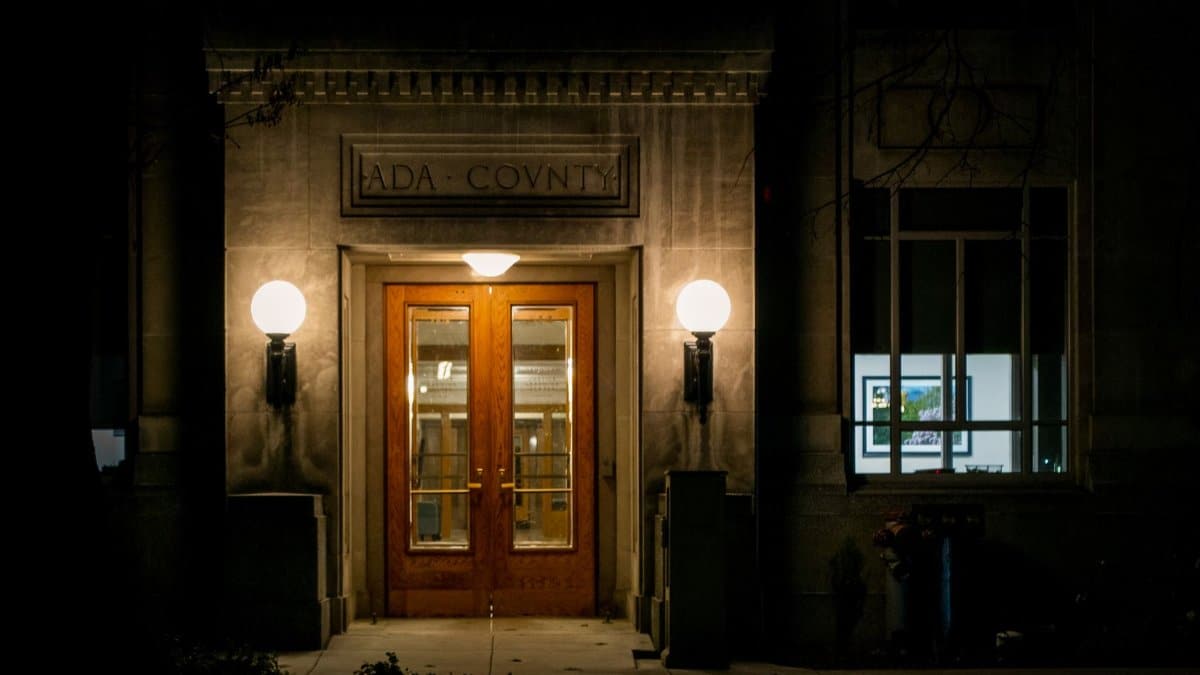
The professional response, described by election lawyers who have lived through prior inquiries, follows a sequence. Counsel reviews the demand for scope, date range, and privilege. The office preserves relevant records so nothing is altered while lawyers argue. Negotiators seek narrowing where a request would sweep in unrelated personal data or security sensitive configurations. If agreement fails, a court decides. Throughout, the county keeps running the election in front of it. Ballots do not pause for litigation.
Transparency with the public can coexist with silence about investigative detail. A registrar can say that a federal demand arrived, that counsel is responding, and that voter privacy rules still apply, without previewing a legal theory or dumping raw files online. That balance is unsatisfying to activists who want every scan posted by nightfall. It is also how adult institutions avoid turning an inquiry into a second campaign.
What this does to the next ballot
Even if no charges follow, behavior changes. Vendors tighten contract language about data sharing. Counties document adjudication decisions with more care, which is good, and they may also hesitate to adopt useful new tools if every innovation looks like a future exhibit, which is a cost. Poll worker training will include a few more lines about what not to put in a text message. State officials will revisit guidance on how long to keep envelopes and how to log a cured signature.
Voters may notice longer lines at the information desk, not because the law changed overnight, but because staff are split between the election and the archive. Patience helps. So does showing up with the documents a county actually needs, rather than with a speech. The administration of elections is a service industry with constitutional stakes. It fails when either fact is forgotten.
Limits of what Washington can prove from a file room
Documents can show sloppiness. They can show a policy applied unevenly. They can, in rare cases, show intent to break the law. They rarely show the cartoon version of fraud that dominates social media, a secret switch flipped after midnight by a faceless vendor. Most election failures are banal: a printer jam, a misunderstood signature rule, a temporary worker who sorted a tray into the wrong bin and then fixed it without a complete note. Federal power is poorly suited to managing banality. It is well suited to punishing real crimes and to enforcing civil rights when a protected class of voters is shoved aside.
That mismatch is the risk inside the current escalation. If investigators chase a theory the files cannot support, they will spend public money and political capital to confirm what auditors already knew, that large elections contain error. If they ignore a real violation because the politics are inconvenient, they will teach a worse lesson. The standard is neither trust nor suspicion as a mood. It is evidence matched to a statute.
A public that can read the process

California voters do not need to become lawyers to follow this story well. They can track whether any court narrows or enforces the demands. They can read county statements without treating them as gospel or as cover. They can separate a fight over mail ballot timelines, which is a policy debate for legislators, from a fight over destroyed records or coerced votes, which is a job for prosecutors. Conflating those fights is how democracies talk themselves into panic.
Religious communities and civic clubs, the rooms where many readers actually discuss public life, have a role that is quieter than a rally. They can host clerks. They can ask how a ballot moves from kitchen table to certified count. They can refuse rumors that arrive without a document. Faith in institutions is not the same as faith in every official. It is a decision to test claims against procedure. That decision is available to anyone, regardless of party.
What to watch without losing the week

The coming weeks will produce motions, possible leaks, and confident television. Some of it will be useful. Much of it will be noise. The signals worth keeping are narrow. Did a judge find the demands relevant and properly bounded? Did any county admit a failure to preserve records? Did the department identify a victim class or a criminal act, or did the theory remain a dislike of California’s voting rules? Did voter information stay protected once it left local servers?
Until those answers exist, the honest summary is limited. Federal lawyers have raised the stakes of local election scrutiny by compelling records rather than requesting them. California officials will test the reach of that compulsion. The public interest lies in a result that is lawful, specific, and explained. Anything louder is commentary. The DOJ California subpoenas are a stress test of that standard, not a substitute for it.
The quieter work that still counts

Meanwhile the ordinary calendar continues. Registration deadlines approach. High school gyms get reserved for polling places. Printers proof sample ballots for ballot measures that will not trend on social media and will still shape taxes, housing, and schools. That work is the election. The investigation is about whether the work was done lawfully. Both deserve attention. Neither deserves myth.
Readers who want confidence can do something more concrete than refresh a headline. Check registration. Read the county’s explanation of how signatures are reviewed. Volunteer as a poll worker and see the intake table from the inside. Support funding for election offices so compliance with lawful oversight does not come out of the training budget. Those steps will not resolve a federal fight. They will make the next count harder to distort, which is the only integrity project that scales.
When the legal papers are finally public in whatever form a court allows, they should be read against that ground level reality. Files without context accuse everyone and convict no one. Context without files is just a speech. California’s counties are now being asked to supply the files. The rest of us can insist that the questions stay tied to law, that privacy survives the copying, and that the DOJ California subpoenas remain a tool of evidence rather than a season of theater. That is a modest hope. It is also the one that keeps a democracy recognizable after the cameras leave.