
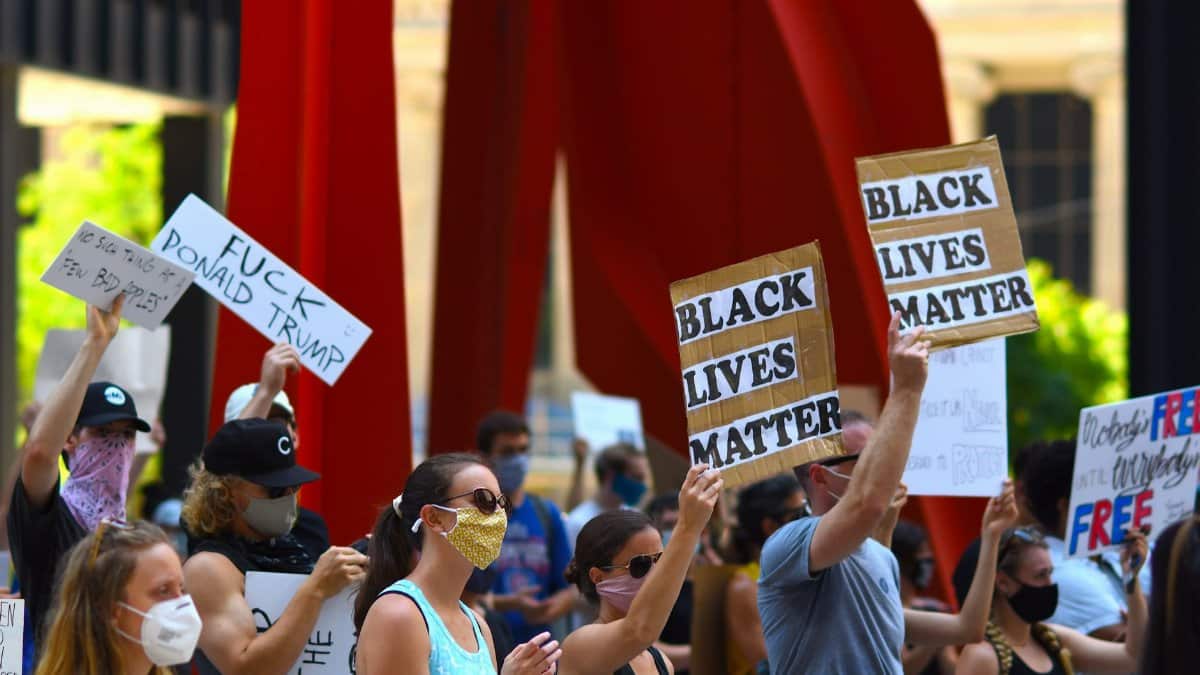
On a gray morning a few blocks from the National Mall, lawyers argued over grass, drainage, and the height of stone while campaigns far from the courtroom counted the days until voters choose the next Congress. The disputes, often bundled in political shorthand as Trump DC projects, ask a plain question with an ornate setting. How much of the capital can one political figure redesign, and who gets to say no, when the calendar is already leaning toward the midterms.
Two plans, one political season

The cases concern two ambitions associated with Donald Trump and his allies. One would reconfigure a historic public golf course in the District, changing fairways, clubhouse uses, and the terms of public access. The other would raise a tall memorial arch, a vertical claim on the skyline tied to a story of national victory that critics call incomplete. Either plan could have stayed a local design quarrel. Placed on the same political stage, they look like a bid to stamp a personal aesthetic on ground that belongs to a much wider public. Sponsors call that renewal. Challengers call it capture.
Why these hearings arrived before ballots

Judges do not run for office, yet their calendars sit beside campaign calendars this fall. Lawyers for preservation groups and for the project sponsors have urged the courts to move before early voting spreads. Delay can serve a candidate who would rather not see construction fencing in October advertisements. A quick defeat can serve another candidate who wants to argue that institutions are blocking a remaking of the capital. That tactical fog does not erase the legal merits. It does explain why motions about standing, notice, and environmental review suddenly read like literature for the stump. The midterms have a way of turning procedure into plot.
A public course is more than a game

Golf in Washington has always mixed sport with status. A public course is also a park, a floodplain, a habitat edge, and a workplace for people who keep turf alive in brutal summers. Reconfiguration sounds like a neutral noun. On the ground it can mean new fences, fewer casual walking paths, altered tree lines, and a clubhouse that behaves more like a private reception hall than a park building. Supporters speak of pride, restoration, and a course worthy of the capital. Opponents speak of a shrinking commons dressed up as improvement. News coverage of the hearings suggests the fight turns on whether stewards of public land followed required review, not on whether a famous name prefers the new layout.
An arch that tries to edit memory
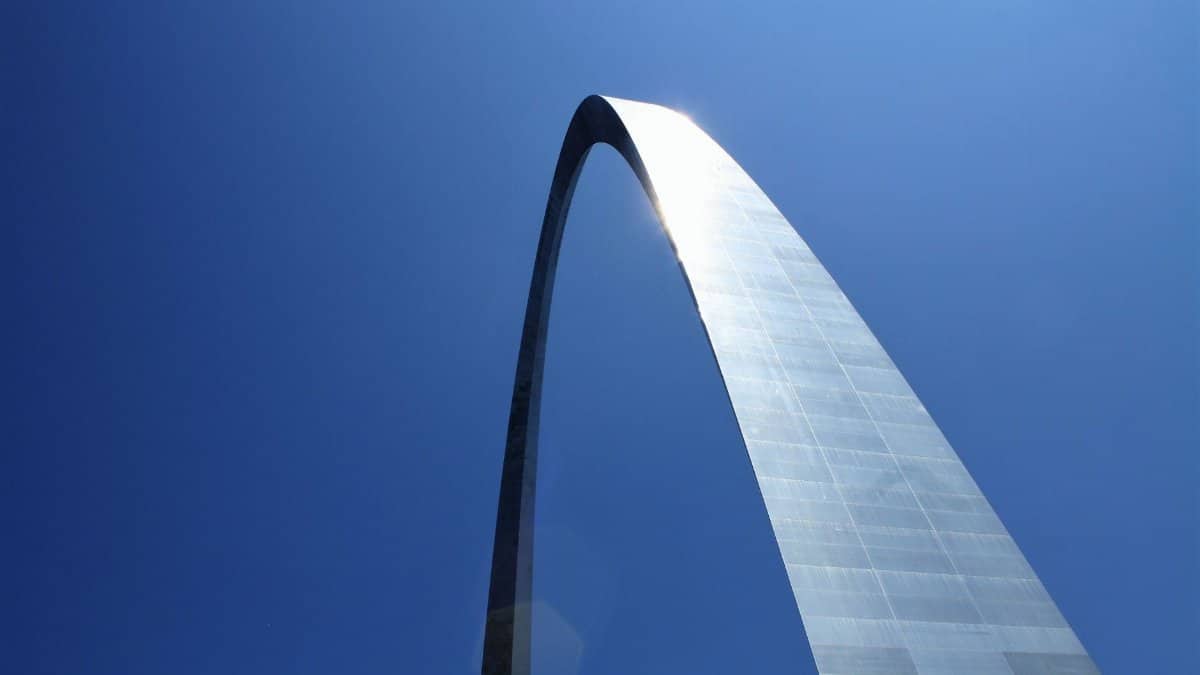
An arch teaches before it decorates. It tells a passerby which victories deserve height. The city already carries that lesson in marble and in the quiet names cut into dark stone. A new arch advanced by Trump allies would add another sentence to the outdoor text of the nation. The argument is not whether memory is allowed. The argument is who writes the caption, and whether dissenters get a line. Historians who submitted comments have warned that monumental scale can sand down complication until only triumph remains. Sponsors reply that scale is the correction, a visible answer to what they regard as a timid official story.
Ritual, reverence, and a shared hush
I have walked the Mall at dusk when tour groups grow quiet without a signal. That hush is a civic ritual, closer to shared attention than to any single creed. Faith traditions have long known that arches, thresholds, and processions teach belief before a word is spoken. A memorial does similar work for a republic. Reverence is not the problem. Reverence drafted by one faction and installed as the voice of everyone is the problem. Readers who meet public life through a spiritual habit may recognize the warning. A sacred clearing that refuses argument stops being sacred and becomes a set. Washington can honor sacrifice without pretending that one patron owns the grammar of honor.
What judges can and cannot decide
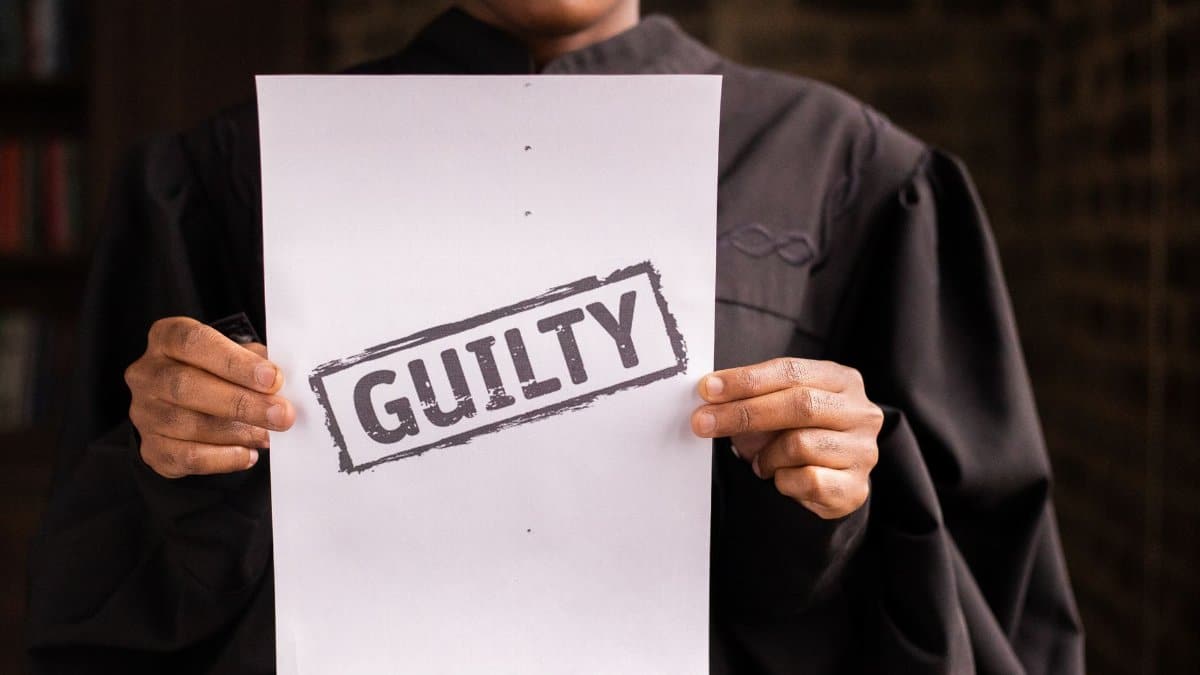
American courts are better at procedure than at taste. A judge can ask whether an agency skipped review, whether an easement was brushed aside, whether private money created a public duty, and whether neighbors received a real chance to object. A judge is a poor critic of beauty, and that limit is healthy. Aesthetic combat belongs in politics. Politics still has to obey statutes, maps, and notice. In the Trump DC projects litigation, the live questions will sound familiar to anyone who has watched a highway widening or a museum expansion. Who was consulted. Which alternatives were studied. What becomes of the land if the sponsor moves on after the cameras leave.
Pictures that travel farther than rulings
Campaigns understand pictures. A rendering of a bright arch beside a flag looks like restoration to one audience and like vanity in stone to another. A golf course sold as a return to greatness looks, to other voters, like leisure for the connected while rent, transit, and grocery bills dominate the week. Strategists do not need a final order to cut an advertisement. They need a picture and a villain. That is why a District hearing acquires a national echo. Candidates in states that will never see the arch still talk about who controls the look of the capital, because the capital stands in for government itself.
A city that cannot vote on its own backdrop
Residents of the District do not elect voting members of Congress, which gives the moment a sharp irony. The people who will live with dust, detours, and security lines have the least direct leverage over national politicians treating their streets as scenery. Neighborhood commissions, the mayor, and the courts become the practical brakes. National candidates, meanwhile, treat the same streets as symbols in a story about strength or excess. The midterms will not pour concrete or cancel a fairway. They may change the appetite. A hostile Congress can slow money and oversight. A friendly one can open doors that a lawsuit only delayed.
After the gavel, the slow work of stone
A clean legal victory would not finish either plan. Stone takes years. Turf takes seasons. A legal defeat would not erase the wish to try again under a friendlier agency. The lasting question is whether the landscape of the capital is a shared manuscript or a trophy case. Trump DC projects, as a phrase, presses two different proposals into one brand. The branding is efficient politics and costly civics. It invites people to cheer or boo a name instead of reading a plan. A better habit is slower. Stand on the site. Ask what the place is for when the motorcade is gone.
A test smaller than the slogans

Remove the rallies and the Trump DC projects label still covers ordinary governance. Environmental review, historic preservation, rules for gifts, and security perimeters are not glamorous. They decide whether a sketch becomes a hole in the ground. Voters walking toward the midterms can treat the hearings as a sample of how power acts when it wants a skyline. Does it publish alternatives. Does it hear people who will not stand in the dedication photograph. Does it accept a no. Those habits will outlast any single arch and any single green. They are the habits that separate a republic from a showcase.
The sidewalk standard

None of this requires love of the status quo. The capital has neglected corners, confusing memorials, and parks that fail the people who use them daily. Renewal is not a scandal. Capture is. If the Trump DC projects proceed only because procedure was waved aside, the scar will outlast this season of headlines. If they proceed because the public case was made in daylight, even firm opponents will have received a hearing worthy of the ground. Between those outcomes sit the judges this season, and the voters who will soon decide which vision of government they are willing to fund.