

On a clear late October afternoon, the walk from the train station to Essex Street can take longer than the ride itself. Shoulder to shoulder, visitors pause for photos in front of wooden facades, then funnel toward the pedestrian core where music leaks from open doors. Salem Halloween is the name people use for this annual surge, though residents experience it as weeks of detours, extra shifts, and a downtown transformed into an open air stage. Anyone hoping to enjoy the day rather than merely endure it needs a plan that respects both the spectacle and the limits of a small city.
A small downtown asked to hold a national crowd
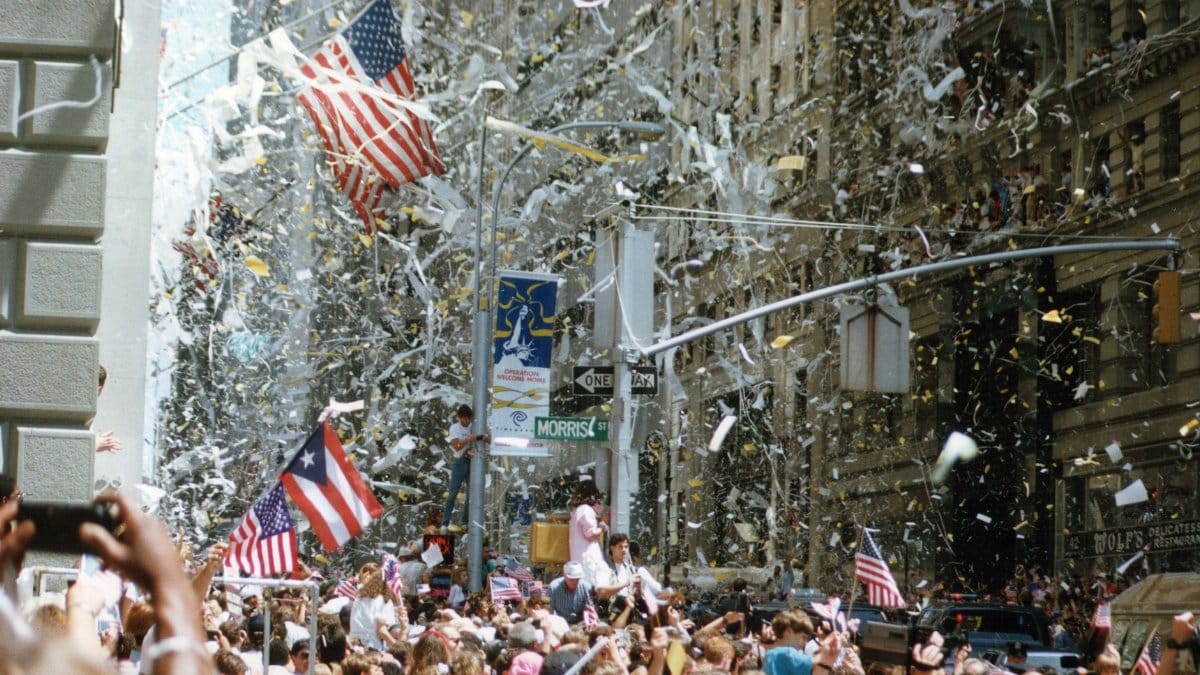
Salem is not a theme park with unlimited gates. It is a compact coastal city whose historic center was laid out for carts and churchgoers, not for tens of thousands of costumed visitors arriving in the same few hours. That mismatch explains nearly every frustration people report: full parking lots by late morning, sidewalks that stop moving, restaurants with waits that swallow the afternoon, and the odd feeling that the place you came to see is mostly other people looking for the same place.
The reward is real if you accept the scale. Within a few blocks you can move from a quiet burial ground to a packed market, from a museum gallery to a street performer, from a harbor breeze to a room where someone is selling tarot readings. The city compresses history, commerce, and performance into a walkable loop. Enjoyment depends less on seeing everything than on choosing a loop you can actually finish.
What the last day of October usually offers
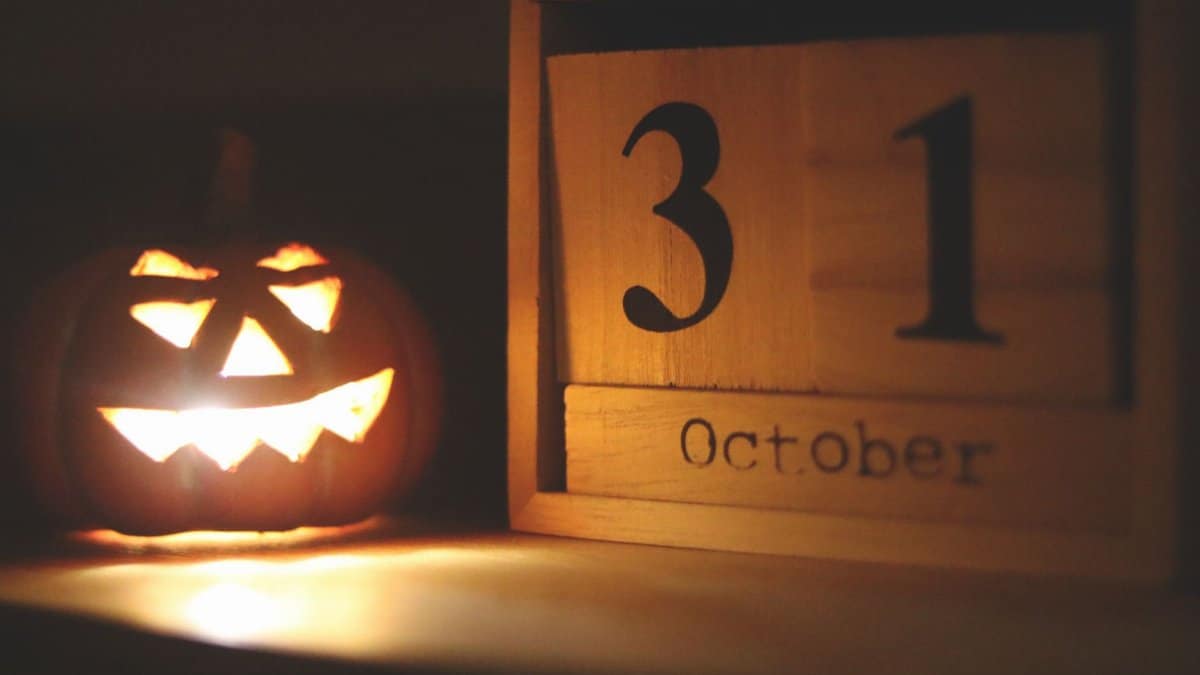
City calendars for the holiday itself tend to stack public spectacle on top of private business. Music spills from stages and storefronts. Seasonal markets line streets that are already narrow. After dark, a drone show has become one of the set pieces people plan around, a sky event that pulls eyes upward and, for a few minutes, slows the shuffle below. None of this replaces the ordinary Halloween texture of costumes, candy, and porch lights in residential streets farther from the core.
Treat October 31 as a peak inside a longer season, not as the only day worth attending. Many of the same streets are lively on the weekends before, with shorter lines and a better chance of hearing the person next to you. If the holiday date is nonnegotiable, build the day backward from the thing you most want to see, whether that is the evening sky, a timed museum entry, or a reservation you already hold.
Getting there without spending the holiday in a car
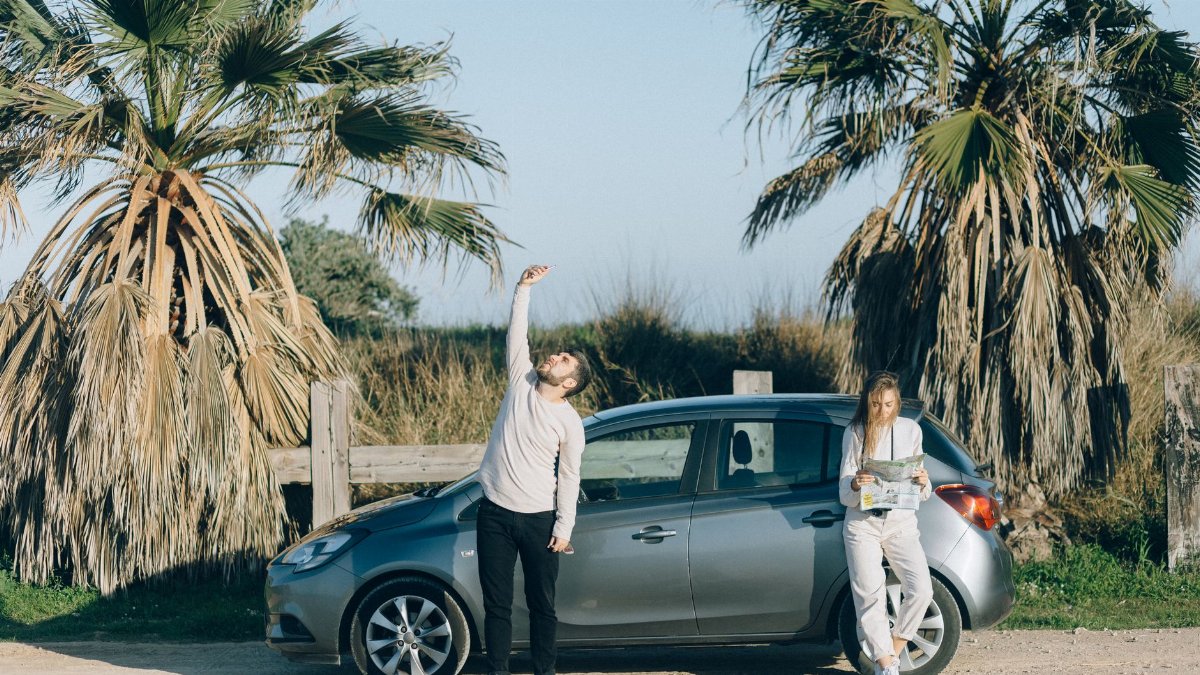
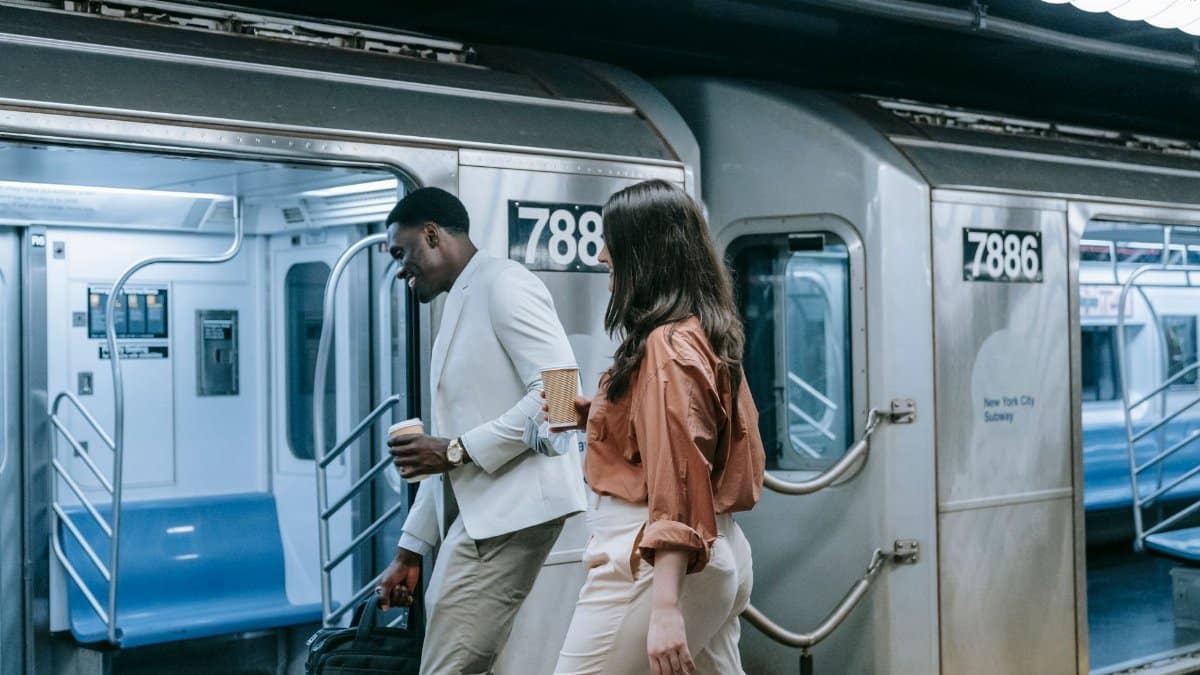
Driving into downtown Salem on the holiday is an act of optimism that the curb rarely rewards. Lots fill, residential streets post restrictions, and the last mile can take longer than the highway. Visitors who leave the car at home, or who park well outside the core and walk or ride in, usually keep more of the day. The commuter rail from Boston is the classic workaround: you trade a seat and a schedule for the relief of not circling blocks.
If a car is unavoidable, decide on a fallback before you leave. A full preferred lot is not a puzzle to solve at the curb while traffic stacks behind you. Rides into the edge of downtown, then a walk, often beat a perfect space that does not exist. Check current alerts the morning you travel. Construction, street closures, and event perimeters change, and a route that worked in September may be blocked when the crowds arrive.
Walking as the real transit system
Once you are in the historic center, feet outperform wheels. Distances that look short on a map take longer because of stops, photos, and human traffic. Comfortable shoes matter more than a costume that photographs well and punishes you by dusk. Cobblestones, brick, and crowded crossings are hard on thin soles and on anyone pushing a stroller or using a mobility device. If your group includes someone who tires easily, pick a single anchor, a museum, a restaurant, a viewing spot for the evening show, and let everything else be optional.
Crosswalks and closed streets can reroute you without warning. Follow posted directions rather than cutting through a barrier because a map app insists on a straight line. Those barriers exist so emergency vehicles, vendors, and scheduled performances can function. A detour of two blocks is cheaper than an argument with a police officer who has heard the same shortcut pitch all day.
History that is not a backdrop
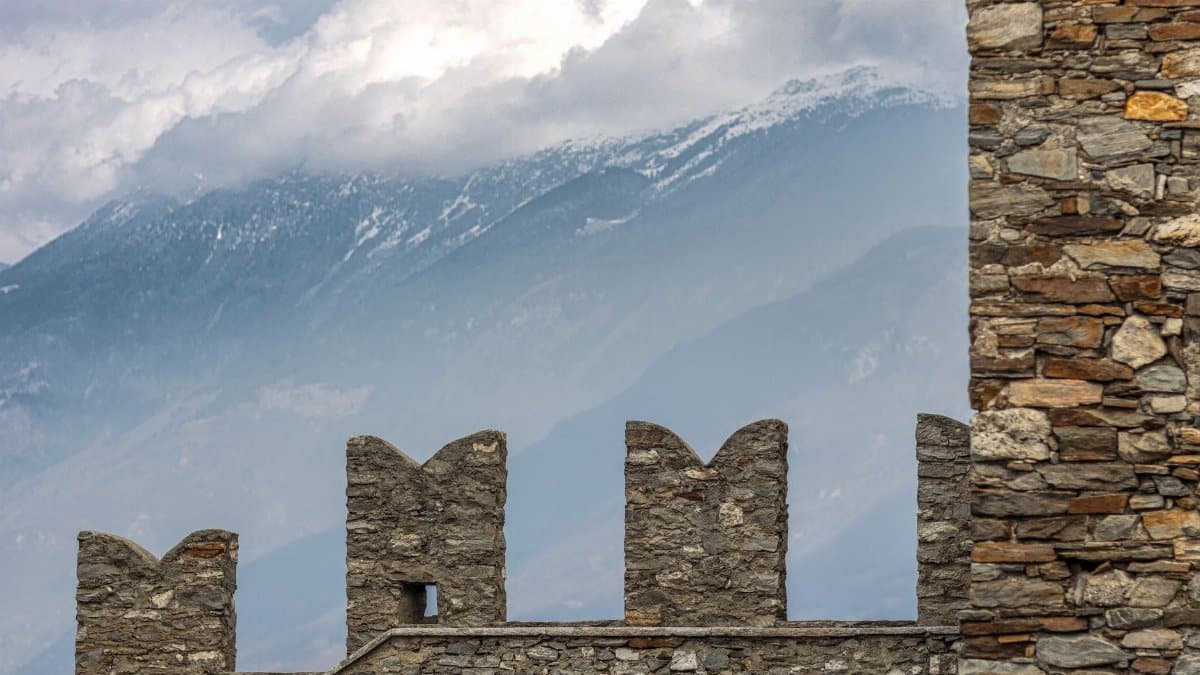
The 1692 witchcraft crisis is why many people come, and it is easy to treat as scenery. It was a legal and communal catastrophe in which neighbors accused neighbors and the colony hanged people on the strength of spectral evidence and fear. Memorials, archives, and careful museum interpretation exist because that story is not a costume. A visit that only collects witch hats and puns misses the reason the name Salem still carries weight.
Set aside at least one hour for a place that slows you down. The witchcraft trials are documented; the myths layered on top of them are not all equal. Guides and plaques vary in rigor. If a tour promises secret curses and guaranteed ghosts, you are buying theater. Theater can be fun. It should not be confused with the court records, the names of the dead, or the families who still live with that inheritance.
Spiritual seeking beside the souvenir trade
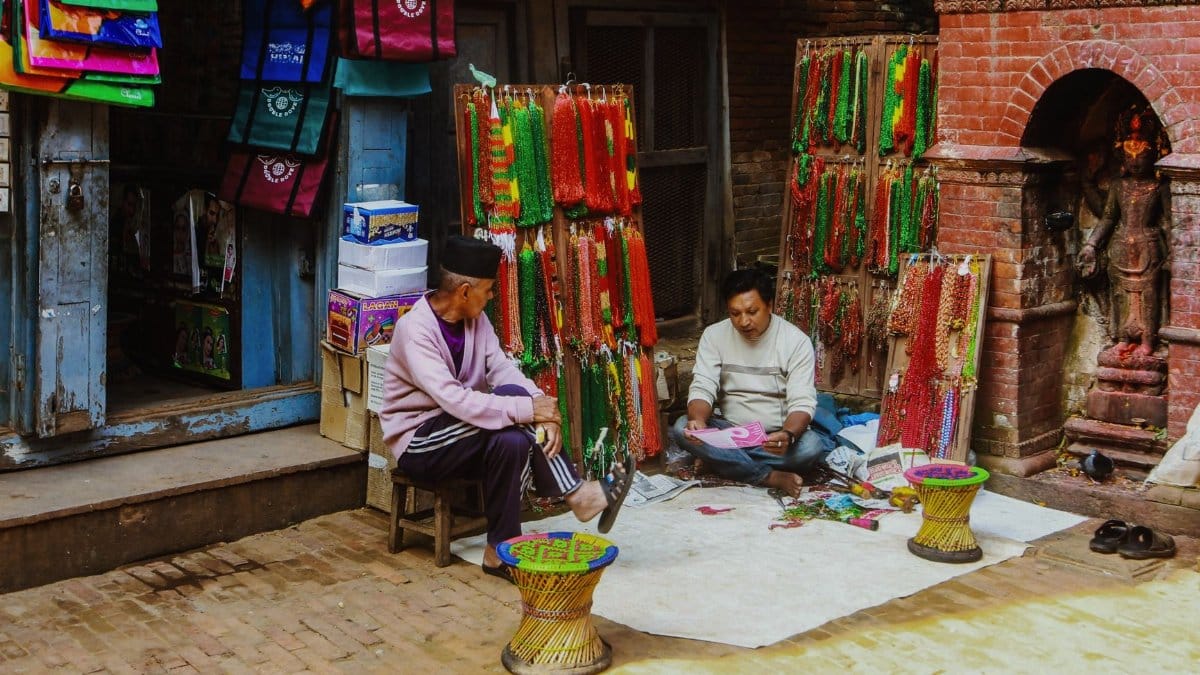
Alongside the history sits a living spiritual economy. Shops sell crystals, oils, books on folk practice, and appointments with readers. Some practitioners treat the season as sacred time. Others treat it as their busiest retail month. Both can occupy the same block, and visitors are not always skilled at telling them apart. A respectful approach is simple: ask before you photograph a ritual, pay for a reading if you want one, and do not assume every person in a cloak is performing for you.
For people who come with a genuine practice, the noise can feel like trespass. For people who come curious, the density of offerings can feel like a menu with no labels. Neither reaction requires cynicism. Spend money where the person in front of you can explain what they are selling in plain language. Leave the rest. The holiday does not oblige you to collect an experience from every doorway.
Food, tickets, and the art of not waiting twice

Kitchens in the core run at capacity. A walk in group of six at noon on the holiday is asking a small room to invent a table. Reservations, earlier meals, or food carried from outside the densest streets keep the day from collapsing into a line. Coffee and a pastry at the start, a real meal in the late afternoon, and something small before the evening show is a rhythm that works better than hunting for dinner at the exact hour everyone else is hungry.
The same logic applies to attractions. Popular houses, museums, and tours sell out or switch to long standby queues. Buy what you care about before you travel, and treat extra stops as bonuses. A day with two confirmed entries and a long unscheduled walk is usually happier than a day spent refreshing a phone in a doorway, hoping a cancellation appears.
Cold air, costumes, and staying out after dark

Late October on the North Shore is not a studio set. Wind off the water cuts through capes and thin leggings. Layers you can add or remove beat a single dramatic outfit that fails at 5 p.m. A coat that closes over the costume, a hat, and shoes you have already walked in will matter more than a photo taken at arrival. Rain turns brick slick. A compact umbrella is more useful than a costume piece you cannot hold.
Night changes the mood and the risks. Lighting is theatrical in some blocks and ordinary in others. Stay with your group, agree on a meeting point with cellular backup in case service slows, and keep bags zipped. Crowds attract petty theft more often than anything cinematic. Alcohol makes the bricks less forgiving. If you drink, do it where you can sit, and leave time to get back to a train or a prearranged ride before the last options thin out.
Children, neighbors, and the difference between festive and careless

Families do come, and parts of the day can suit them, especially earlier hours, markets, and museums with clear age guidance. Other corners are loud, occult flavored in a commercial way, or simply too packed for small children who need space. Read descriptions before you promise a scare. A child who wanted pumpkins may not want a hallway built to startle adults.
Residents live on the streets visitors treat as a set. Porches, driveways, and side streets are not public props. Do not cut through yards for a photo, do not block a doorway for a group shot, and do not assume every house with a decoration is inviting a crowd onto the steps. The people who make the season possible are often the ones trying to get home, park once, and sleep before a workday. Courtesy is not a side note. It is how a small city keeps agreeing to host this.
A workable shape for the day

A calm Salem Halloween day has a boring skeleton. Arrive earlier than your instinct suggests. Lock in transit before you lock in photos. See one serious historical site before the streets peak. Eat on a schedule you chose, not one the crowd imposes. Claim a viewing area for music or the drone show with time to spare, then leave before the full exodus if your train or ride allows it. The last hour looks glamorous and feels like a funnel.
You will miss things. That is the correct outcome. The city cannot be collected in a single circuit, and the attempt produces the short tempers people later describe as the holiday itself. What you can collect is a few sharp memories: a name on a memorial stone, a song you did not expect, cold air on a crowded square, a sky briefly organized into light. Those hold up better than a checklist completed in a hurry.
What to leave at home
Leave the fantasy that a historic downtown will flex like a festival ground with endless staff and endless space. Leave fragile shoes, rigid plans, and the idea that every witch themed doorway owes you a revelation. Bring patience, a charged phone, a layer you can actually wear, and enough cash or card access for food that may not match the app you trusted at breakfast.
Salem Halloween rewards people who arrive curious and slightly under scheduled. The history is heavier than the marketing, the sidewalks are fuller than the photos, and the evening can still be lovely if you have already decided what you are willing to skip. The city will be there, doing what it does each October: remembering a grim chapter, selling a brighter one, and asking visitors to move through both without pretending the streets are infinite.