
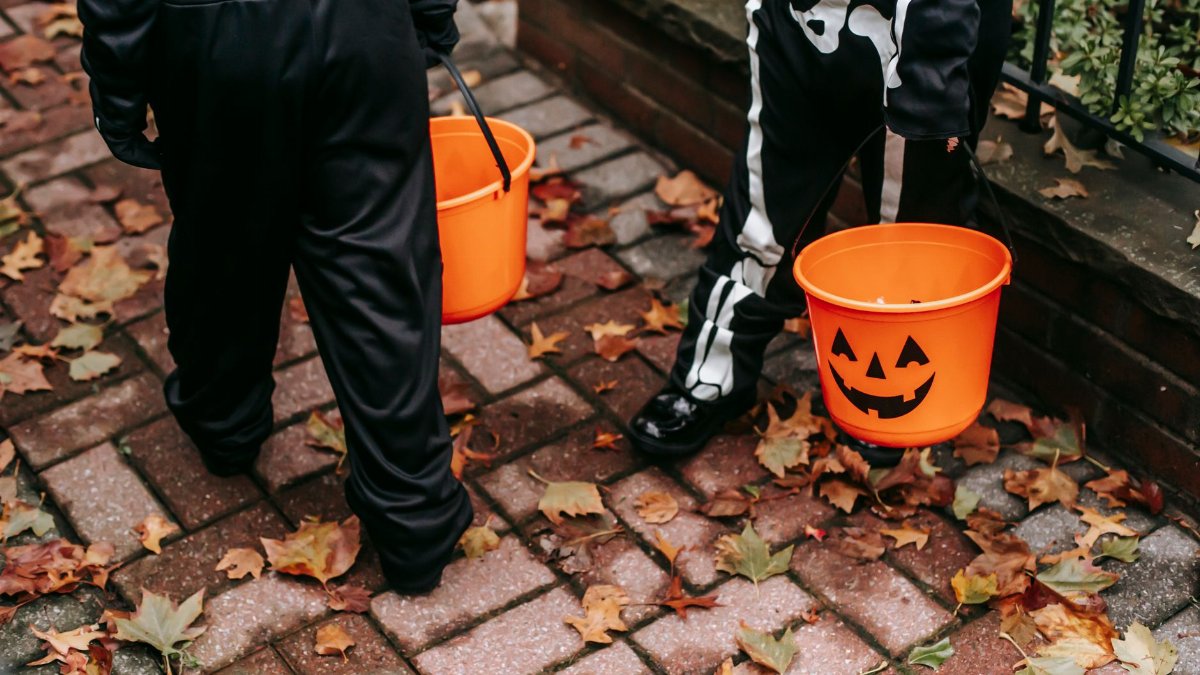
On a side street in Logan Square, a parent stood with a plastic pumpkin and watched the sky the way people watch a late train. The air felt soft for the end of October, closer to a mild September evening than to the sharp cold many Chicagoans pack into costume plans. Porch lights were already on. Capes were being tested without coats. The holiday forecast pointed to rain and unusual warmth, which is exactly what neighbors mean this year when they talk about Chicago Halloween weather.
A city that dresses for two seasons at once
Chicago has always asked people to negotiate with the lake. A clear morning can turn raw by supper. Halloween sits inside that bargain. Families lay out face paint, candy bowls, and spare socks, then check the sky one more time before the first doorbell. This year the negotiation is less about ice and more about water and warmth. Sidewalks may stay wet. Jackets may stay in the hallway. The mood is not panic. It is the smaller irritation of plans that no longer match the closet.
Retail windows still sell fake cobwebs and orange lights. Church basements still sort donated costumes. Block clubs still tape arrows to porch rails so small children know which houses are open. Weather does not cancel those habits. It edits them. A warm rain changes the sound of a street more than a cold clear night does. Voices carry. Candy bags get damp at the corners. Someone always forgets a towel for the dog.
What forecasters are actually signaling
The picture for October 31, 2026, as described in local reporting, is wet and warm rather than frozen and bright. That is the news peg, not a promise of a single hour of drama. Rain can arrive in bands. A lull at four in the afternoon does not guarantee a dry hour at seven. Warmth, in this city, can mean air that feels pleasant on a bare arm and still leaves pavement slick enough to worry a parent with a toddler in a cardboard robot suit.
People who follow Chicago Halloween weather learn to read the boring parts of a forecast. Wind direction matters because the lake can cool one neighborhood and spare another. Timing matters more than a daily high. A shower that ends before dusk is a nuisance. A shower that begins as the first wave of children leaves the house becomes the story of the night. Meteorologists speak in ranges for a reason. Streets do not experience averages. They experience the hour they happen to be outside.
The Chicago Tribune has framed this holiday around that warm and wet setup and the longer climate conversation attached to it. Readers should treat any single evening as weather, and the repeating pattern of milder late Octobers as the larger question. One rainy holiday does not prove a trend. A string of them starts to feel like a new normal even when scientists are careful with the word normal.
Why warmth feels stranger than cold
Cold is the costume Chicago expects. People complain, then adapt. Warmth on this date unsettles a different memory. Grandparents recall breath you could see. Parents recall gloves stuffed into pumpkin pails. Children now may recall sticky face paint and a hoodie tied around a waist. The holiday still functions. The sensory script has slipped.
There is also a practical unease. Warm rain invites lighter clothes, and lighter clothes get soaked faster. A child who would have been buffered by a coat now feels every drop on a thin costume sleeve. Adults linger on porches longer because the air is pleasant, which can make candy lines slower and stoops more crowded. None of this is catastrophe. It is friction, and friction is what local news is often for.
Parents, costumes, and the small treaties of the sidewalk
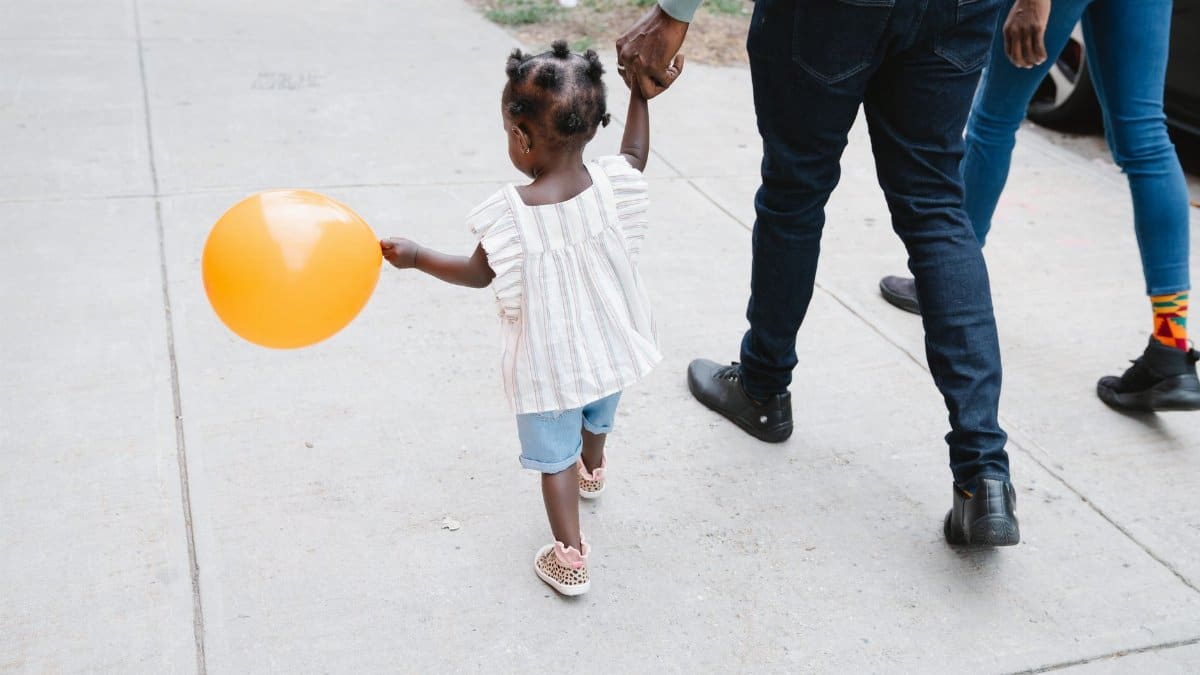
Ask around a school pickup line and you hear the same negotiations. Can the fairy wings go under a clear poncho? Will the dinosaur tail survive a puddle? Is glow tape enough if the streetlight on the corner has been out since September? These are not trivial questions to a seven year old who has planned a character for weeks. Adults who dismiss them miss the point of the night, which is permission to be someone else for an hour while a trusted person holds the map.
Rain pushes that trust into logistics. Extra bags inside bags. Shoes that can get dirty. A route that stays on streets with good drainage and known neighbors. Some families shorten the loop and spend the saved time on a living room movie. Others accept damp hems as the price of the full block. Both choices are reasonable. The city is large enough to hold both without a verdict.
I walked a similar loop years ago with a nephew whose mask fogged every time he breathed hard. We quit early, not because of danger, but because joy had turned into endurance. That is a useful test on a wet night. If the costume is fighting the child, the candy can wait until the next porch that still has lights on tomorrow.
Rain and the old ritual of knocking
Halloween in this country is a stitched together ritual. It borrows from harvest festivals, from All Hallows customs, and from a very American talent for turning fear into a neighborhood errand. The knock still matters. A door opening still matters. Weather tests whether the ritual is about the costume or about the exchange.
In a warm rain, the exchange gets quicker and somehow more intimate. People do not linger to admire sewing. They pass a handful of candy, share a look that says we are both a little wet, and move on. That glance is civic life in miniature. It does not require agreement about politics or theology. It requires a bowl, a light, and a willingness to answer.
Some households will go dark, as they do every year, for reasons that have nothing to do with clouds. Faith practices vary. A few families treat the date as a time for prayer rather than costumes. Others host both, with a saint card tucked beside the chocolate. A wet forecast does not settle those differences. It only decides whether the prayer happens beside a window streaked with rain.
All Hallows, memory, and a damp church step
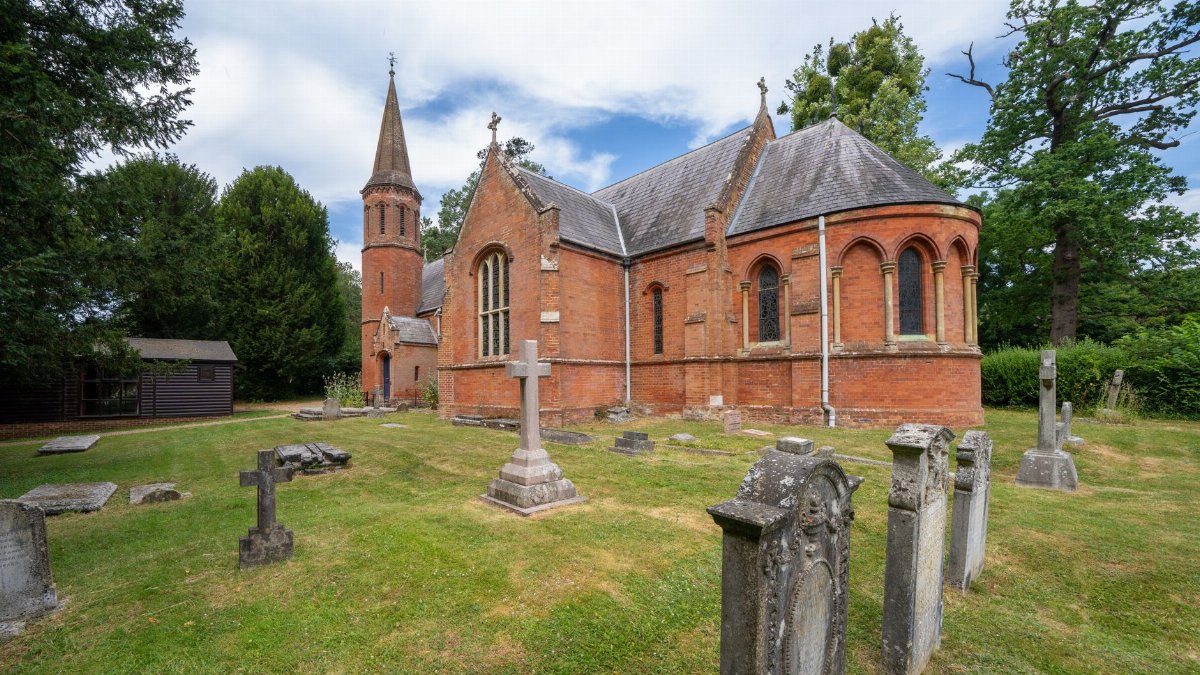
The day after Halloween, many Christian communities mark All Saints and All Souls. In Latino neighborhoods, ofrendas for Día de los Muertos may already be up, marigolds bright against apartment walls. Weather brushes these practices without owning them. A cemetery visit planned for the weekend may shift if paths are muddy. A candle vigil on a parish step may move inside so flames survive.
Spiritual news is often written as if belief floats above the forecast. It does not. Bodies carry belief into weather. Knees meet wet stone. Paper decorations curl. A choir that expected a crisp procession may instead file through a side door, shaking umbrellas into a plastic bin. The meaning of remembrance does not thin because the air is mild. If anything, a season that refuses its old costume forces people to notice what they are actually doing when they light a candle for someone gone.
Clergy and lay leaders who plan outdoor blessings this weekend are already doing what parents are doing: building a second version of the night. Inside if the sky opens. Outside if it only spits. Reverence, like trick or treating, is adaptable. It has had to be, in every climate humans have prayed in.
Neighborhoods do not share one sky
A forecast for Chicago is a headline stretched over many microclimates. The lakefront can feel cooler than a street ten blocks west. A viaduct in Pilsen holds water differently than a new sidewalk in Lincoln Park. Far South Side blocks with fewer street trees offer less shelter and, in some places, fewer porch lights. Warm rain does not land with equal inconvenience.
That inequity is easy to skip in a holiday story and wrong to skip. Families without a car cannot simply drive to a drier suburb event. Renters cannot always control a leaky entryway where costumes wait. A city that wants this night to feel shared has to notice which corners flood first and which blocks go dark earliest. Chicago Halloween weather is not only a temperature story. It is a map of who can improvise and who cannot.
Mutual aid already exists in small forms. A neighbor texts that the candy bowl has moved to the lobby. A church leaves a basket of dry socks by the door. A bar with a tolerant owner lets a soaked superhero warm up for five minutes without a purchase. These gestures will not appear in a forecast discussion. They are how a wet holiday stays humane.
Climate context without a sermon
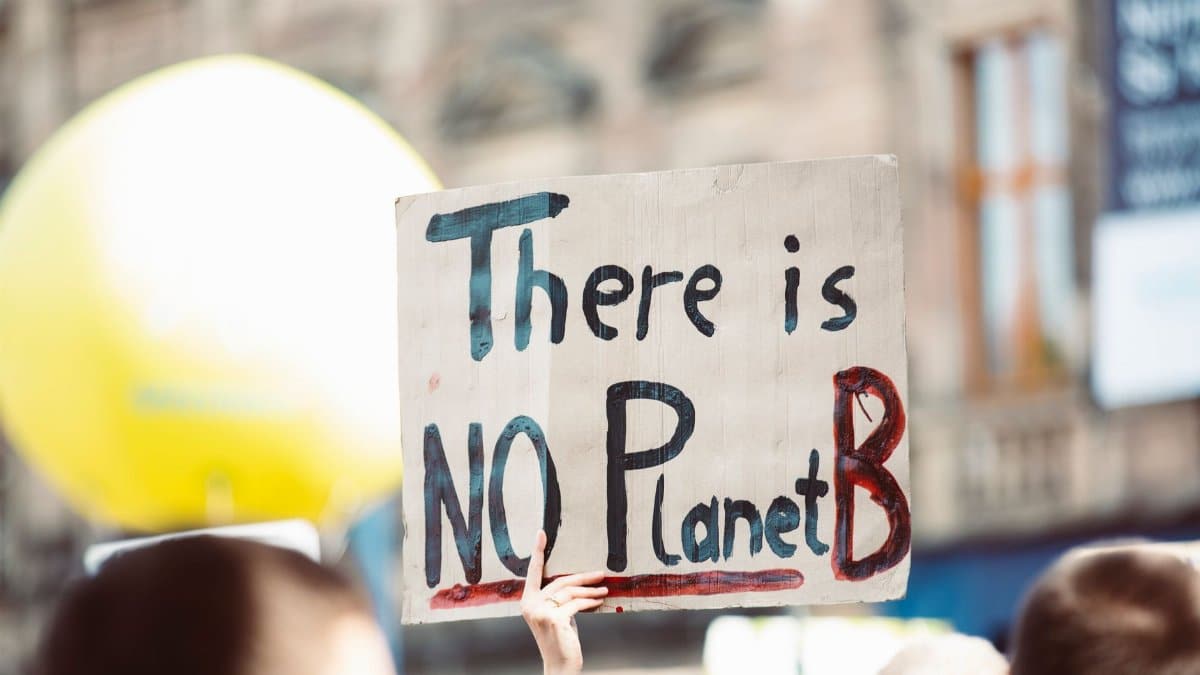
Scientists have documented warming autumns across much of the Midwest, and local journalists have connected milder Halloween conditions to that broader shift. The honest sentence is also the limited one. A single warm, wet October 31 does not indict or acquit a climate model. It does invite readers to notice a pattern they can feel without a chart: later first freezes, longer stretches of rain instead of early snow, holidays that no longer match the songs written for them.
Readers who want the reporting trail can start with the Chicago Tribune account of this warm holiday setup at its Halloween weather and climate piece. Federal climate explainers at climate.gov lay out how seasonal averages move even when any one evening stays noisy and local. The useful habit is to hold both scales at once. Tonight is a costume problem. The decade is a planning problem for streets, parks, and school calendars.
Alarm is a poor teacher on a night when children are trying to have fun. So is denial. A city can hand out candy in the rain and still ask why the rain arrives differently than it used to. Those are not competing virtues. They are sequential ones.
How the evening tends to unfold
If the pattern holds, late afternoon will look deceptively manageable. Adults will decide the radar looks kind. Children will insist on leaving at the first legal minute. Then a band of rain will thread through one part of the city and miss another, and group texts will fill with contradictory reports. That contradiction is the forecast becoming biography.
Porch conversations will shorten. Someone will joke that the ghost costume is finally working, because the sheet is clinging. A teenager assigned to escort siblings will look at a phone more than at the sky and still, somehow, keep the group together. Dogs will refuse the block or demand it. By eight, many bowls will be low, and the streets will thin to older kids who treat rain as a dare.
Bars and bakeries that planned outdoor seating may pull chairs in and gain a different crowd, parents waiting out a shower with coffee they did not intend to buy. The economy of the holiday is small and real. A canceled outdoor trunk or treat event moves spending, and also moves disappointment. Organizers who post a clear indoor backup by noon save everyone a round of magical thinking.
What is worth doing before the first knock

Practical advice can stay plain. Check the hour, not only the day. Put a flashlight in the bag even if the costume glows. Choose a route you could walk in a steady rain without crossing a busy arterial in the dark. Tell children the plan can shrink without the night being ruined. Leave a light on if you are home and willing, and turn it off if you are not, so no one waits on a stair that will not open.
For households marking the religious days that follow, the same plainness helps. Move paper and flame away from open windows. If a grave visit matters, pick a time when paths are less slick, or bring the photograph to the kitchen table and let memory happen there. Weather is not a verdict on devotion.
Cities can help at the edges. Crews that clear clogged drains before a holiday rain do more for children than a mayoral costume contest. Libraries and park field houses that stay open as warming stops give families a place that is not a store. Those are governance choices, not atmosphere.
The morning the decorations face the sun
By Saturday, if the rain has passed, Chicago will look briefly ashamed of its plastic skeletons. Wet leaves will paste themselves to steps. A forgotten pail will sit under a bush. Someone will post a photo of a collapsed inflatable ghost and collect more affection than the ghost deserved. The city is good at this kind of aftermath. It laughs, then bags the trash.
What lingers is the mismatch. People will say the night felt off, then struggle to name why, because nothing dramatic failed. Candy was given. Doors opened. A few prayers were said under roofs instead of stars. The off feeling is the season refusing an old cue. That is worth naming without exaggeration.
Chicago Halloween weather will be discussed again next October, in group chats and in forecast offices, because this city narrates its sky as a form of belonging. Warm and wet is a less heroic story than a blizzard. It is still a true one for this holiday, and truth is a decent lantern to carry up a damp front stair.