
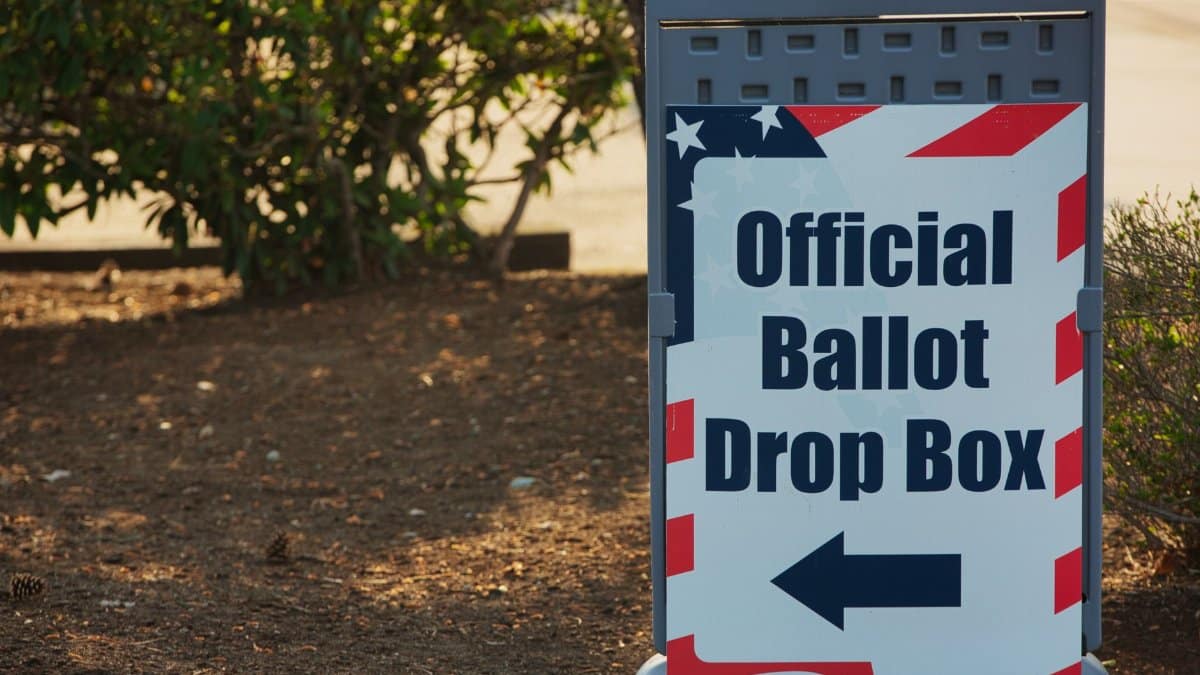
On a gray November morning in Dallas, the question at the bus stop is not only who will win. It is whether the sky will hold. Forecasters say Election Day weather across North Texas could include thunderstorms tied to a potentially strong storm system, even if rain chances stay modest. For people who still vote in person, that forecast is not background noise. It is part of the plan for getting to a polling place and getting home again.
A system that refuses a simple forecast

The worry is not a guaranteed washout from Fort Worth to the eastern counties. Public reporting, including accounts in The Dallas Morning News, has described a potentially strong storm system that could bring thunderstorms to North Texas, with rain chances framed as modest rather than overwhelming. That distinction is easy to miss in a headline. A modest chance still means some neighborhoods may see brief heavy rain, lightning, or gusty wind while others remain dry. Placement is the hard part. Storms in this part of the state often arrive in pieces, lighting up one county and sparing the next.
Residents who want the latest official wording should follow the National Weather Service Fort Worth office rather than a single morning snapshot. Timing can slide by several hours between a Sunday discussion and a Tuesday afternoon update. What looks like a quiet morning commute can still leave an evening line of voters standing under a metal awning while thunder moves in from the west.
What modest rain chances actually imply
Modest is not the same as minor in every practical sense. A thirty percent chance, or something in that neighborhood, tells a careful reader that dry weather is still the more likely outcome at a given spot. It does not promise a dry ballot box, a dry parking lot, or a dry walk from the curb. Thunderstorms concentrate their impact. Ten minutes of heavy rain can flood a low intersection that was passable at lunch. Lightning can halt outdoor lines even when the total rainfall for the day looks small on a map.
North Texas voters have lived through enough spring and fall storms to know the difference between a steady gray rain and a cell that builds fast. Election Day compresses that knowledge into a schedule. Polls open early and close on a clock that does not pause for a warning polygon. People who work a full shift and vote afterward have the least flexibility if the active weather arrives late.
Why November storms still command respect

Severe weather is more famous here in spring, when supercells and hail dominate the regional memory. Autumn systems can still organize strong wind, frequent lightning, and pockets of heavy rain. Cooler air does not cancel those hazards. It can even complicate the drive, because wet roads after a dry stretch are slick, and darkness comes earlier than it did in October.
Urban counties add their own friction. Construction zones, highway merges, and crowded school zones do not become safer because the chance of rain is described as modest. Rural stretches between smaller towns can lose a usable route if a low water crossing rises. None of that requires a historic outbreak to matter on a day when thousands of people are trying to arrive inside a narrow window.
How weather has nudged turnout before
Political scientists have spent years measuring whether rain changes who shows up. A widely cited study, The Republicans Should Pray for Rain, found that bad weather has been associated with small declines in turnout in presidential elections, with effects that are measurable in the data even if they are not dramatic at a single precinct. Later work has argued over size, party tilt, and whether early voting blunts the old pattern. The honest summary is narrow. Rain can discourage some marginal voters. It does not mechanically decide a race, and it does not excuse officials from running an accessible election.
That research is national, not a verdict on this Tuesday in North Texas. Early voting, mail ballots where allowed, and strong partisan habits all change the picture. Still, Election Day weather remains one of the few variables that can touch people who have not yet cast a ballot and who are sensitive to hassle, health, or a long walk from the car. Campaigns know this. So do county clerks. Voters should know it without treating the sky as a conspiracy.
The unglamorous logistics inside a polling place

A storm does not only affect the drive. It changes the building. Wet shoes turn tile floors into a slip risk. Voters shake out umbrellas in doorways and slow the line. Election workers, many of them older volunteers, may be asked to move signs, manage a sudden crowd that waited out a downpour, or decide when lightning makes an outdoor queue unsafe. Those tasks are ordinary until they stack up in the last hour before polls close.
Power is the quieter threat. Thunderstorms can knock out lights at a school gym or a community hall. Counties generally plan for backup procedures, but a voter standing in a dark lobby does not experience a plan. They experience delay. Checking a county election page the night before, and again in the morning, is a small habit that prevents a wasted trip if a site is moved or access is altered. Local radio and official county channels still beat a rumor in a group text.
Houses of worship as civic rooms
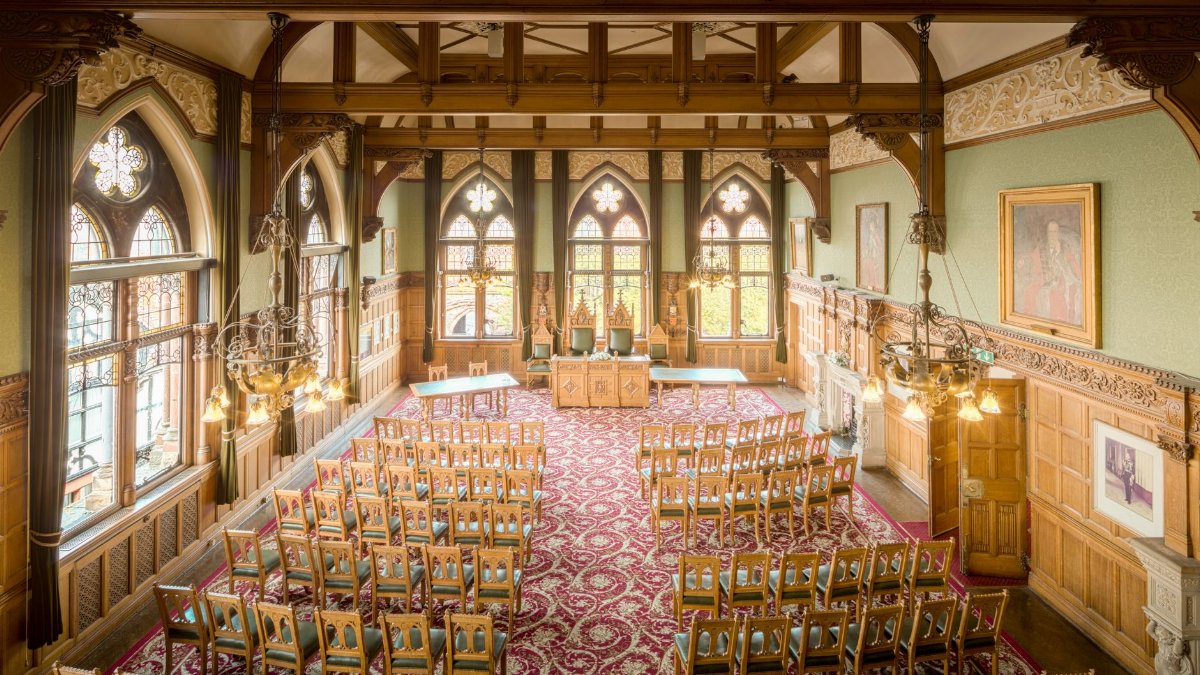
A large share of polling places in North Texas are churches, fellowship halls, and other houses of worship lent to the county for a day. That fact sits at an odd intersection of spiritual life and public administration. The theology stays outside the booth. The building does not. Congregations that host voting already know the drill of folding chairs, handicapped entrances, and parking lots that fill faster than a Sunday service. Weather adds a pastoral kind of logistics that has nothing to do with endorsing a candidate.
Volunteers sometimes organize rides for older members who will not drive in heavy rain. Neighbors text to ask whether the side door is open. A greeter with a towel by the entrance is not a campaign. It is the ordinary mercy of a community that already gathers in that room. In a season when civic talk is sharp, the sight of people holding a door against the wind is a reminder that elections are also physical events, hosted by institutions that exist for other reasons the rest of the year.
What officials can promise, and what they cannot

Election administrators can promise rules, hours, and a paper trail. They cannot promise a clear sky. Their useful message on a day like this is concrete. Where to look for site changes. How curbside voting works if a voter cannot easily leave the car. What to do if a line is still moving when severe weather interrupts the approach to the door. Those answers differ by county, which is why a regional weather story should not pretend to be a universal instruction sheet.
Forecasters, for their part, should resist false precision. Saying that Election Day weather may include thunderstorms with modest rain chances is more trustworthy than a viral map that paints the whole Metroplex in one color. Trust erodes when a morning post declares a washout and the afternoon stays dry in Arlington while Denton gets a storm. The public can handle uncertainty if the language stays plain.
Preparing without treating the sky as destiny
Preparation is mostly dull, which is why it works. Leave earlier than the drive usually requires. Charge a phone. Bring a light jacket and shoes that can survive a puddle. If lightning is active, wait in the car rather than under a lone tree or a metal canopy that offers little real shelter. People with medical needs should not assume that a short walk from handicapped parking will stay short if the closest door is congested.
Parents voting after school pickup face a tighter clock. So do shift workers. A modest chance of storms is a reason to identify a backup hour, not a reason to skip a right that was hard won and is easy to postpone until it is too late. Campaigns will flood phones with reminders. The better reminder is personal. Know the site. Know the hours. Know that a storm cell is local, and that a delay of forty minutes can be the difference between voting and watching the deadline pass from a parking lot.
The myth that weather only matters at the margins of drama
Commentators like weather as a plot device because it is visible and seemingly neutral. Rain photographs well. It lets a story imply momentum without quoting a poll. That habit overstates the case. Most registered voters who intend to participate will do so in drizzle. The people most affected are often those already closest to not voting: the recently moved, the newly eligible, the caregiver with one free hour, the worker whose bus route slows when streets flood.
North Texas adds scale. The region is large enough that one storm complex can touch hundreds of precincts and miss hundreds more. Any claim that the weather helped one party across the whole map should be treated as a guess until the returns and the rainfall records are actually compared. Journalism can describe the hazard without auditioning as a strategist.
After the last voter leaves the hallway

When polls close, the storm may already be east of the region or still rebuilding to the south. Election workers will pack machines, wipe floors, and return a sanctuary or a gym to its weekday purpose. The forecast will fade from the political conversation faster than the results. That speed is a loss if it teaches nothing. A day when thunderstorms and ballots share the calendar is a stress test of ordinary systems: roads, power, volunteer staffing, and the willingness of neighbors to make a wet walk possible for someone else.
None of this requires panic, and none of it requires indifference. Election Day weather in North Texas, as currently described by forecasters, is a live possibility of storms rather than a settled disaster. Modest rain chances still deserve a serious plan. The civic act is small and physical. You check the sky, you check the county notice, and you go while the door is open.