
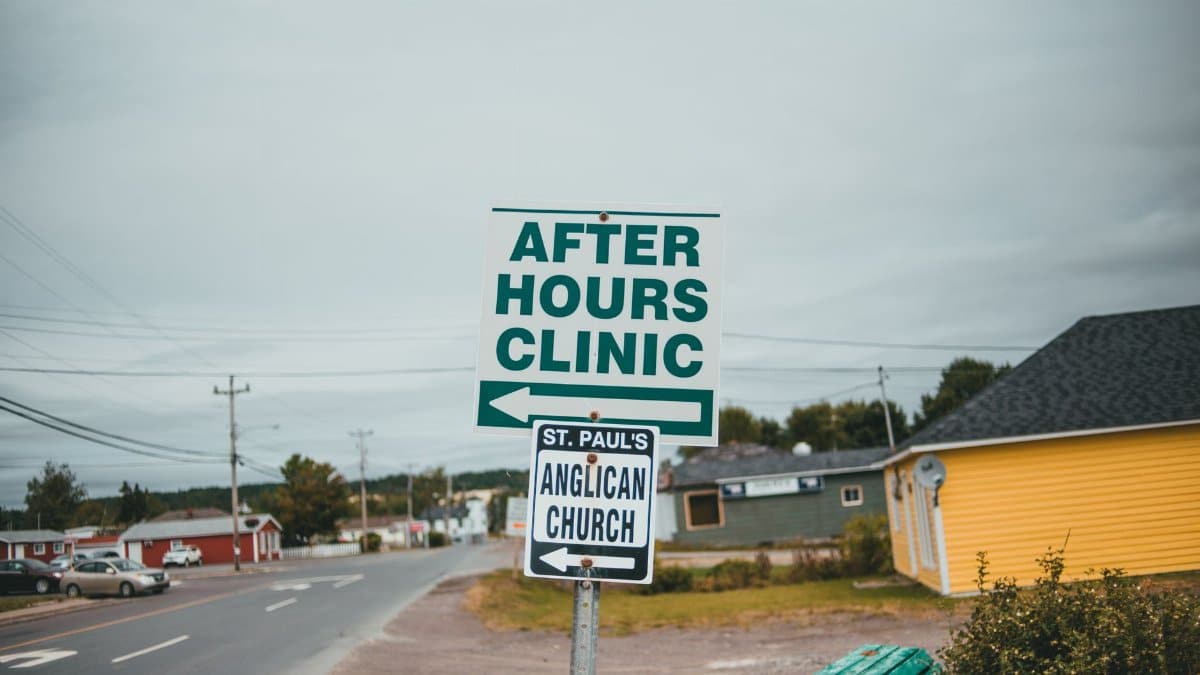
On a gray morning in the capital city, the cars that usually waited at curbs were simply gone, and the people who counted on them had to invent another way to get to work, a clinic, or a Sunday service. The sudden halt of a familiar car sharing network turned a local transportation story into a test of whether public money can hold a private habit together. In the days that followed, Hourcar St. Paul funding became the phrase that city staff, riders, and neighborhood advocates kept returning to, not as a slogan but as a practical question about who pays when a service people have folded into daily life stops without much warning.
A quiet fleet and a loud absence

Hourcar grew up in the Twin Cities as a nonprofit car sharing option for people who did not want, or could not afford, a vehicle sitting idle most of the week. Over time the brand became tangled with Evie, the electric car sharing effort that put small battery cars on streets in Minneapolis and St. Paul. Members booked by phone, walked a few blocks, and drove to a grocery run or a job interview. The model promised fewer privately owned cars, cleaner trips, and a little more freedom for households that live between bus lines.
When operations stopped on short notice, the absence was not abstract. A reserved car that does not appear is a missed shift, a canceled appointment, a parent standing on a corner with a child and a bag of library books. Transit still ran. Ride hailing still existed for those who could pay surge prices. What vanished was the middle option: a car you do not own, at a price closer to an occasional tool than a luxury.
Why the closure felt abrupt

Members described learning of the shutdown through app notices, emails, and word of mouth rather than a long public countdown. That speed matters in a service built on trust. People plan errands around the idea that a vehicle will be where the map says it will be. An abrupt end leaves deposits, memberships, and half finished trips in a kind of administrative fog. It also leaves city officials explaining a gap they did not schedule.
Financial strain in car sharing is not a mystery. Vehicles cost money to buy, insure, charge, clean, and repair. Utilization has to stay high enough to cover those costs, yet the cars also have to be available enough that members do not give up. Electric fleets add charging equipment and the politics of curb space. When revenue falls short, a nonprofit cannot simply raise prices without losing the riders it was built to serve. The result, in this case, was a stop that felt sudden even if the red ink had been accumulating for months.
How St. Paul moved to keep the lights on
City leaders treated the shutdown as an emergency of access rather than a routine budget line. Staff looked for dollars that could be redirected without waiting for a full new appropriation cycle. Council members heard from residents who use shared cars to reach jobs that start before buses run frequently, and from others who had sold a second vehicle because the shared fleet seemed reliable. The political case was straightforward: letting the network die would push costs onto households least able to absorb a car payment, and it would undercut years of talk about climate and equity.
Hourcar St. Paul funding, as officials framed it, was a bridge, not a permanent endowment. The point was to restore operations long enough to renegotiate contracts, review ridership, and decide whether the city, a partner utility, a nonprofit board, or some mix of them should carry the service forward. That distinction is easy to lose in a headline. Rescue money can restart cars. It cannot, by itself, invent a business model that balances public purpose with the hard arithmetic of maintenance and insurance.
What riders actually needed
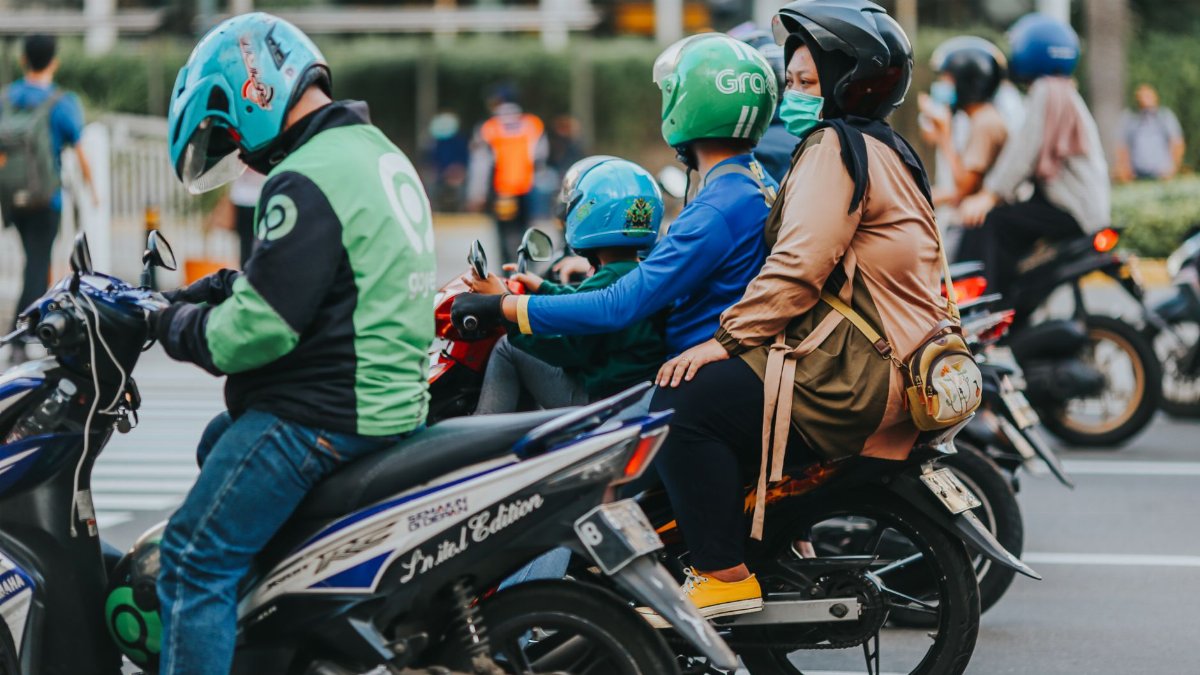
Talk to people who used the fleet and the reasons multiply. A nurse on the East Side needed a car for a shift that ended after the last convenient bus. A retiree in a walkable neighborhood still needed wheels for a specialist across the river. Students split the cost of membership the way an earlier generation split a beater parked behind a duplex. None of these stories require a manifesto. They require a vehicle that starts, a price that does not jump without warning, and a reservation system that tells the truth.
There is also a spiritual and civic texture to the gap, if one is willing to see it. Congregations, mutual aid groups, and neighborhood associations depend on people who can show up. A shared car is not a sanctuary, but it is often the unremarkable machine that gets a volunteer to a food shelf or a choir practice. When that machine disappears, the loss is counted in missed presence as much as in missed miles.
The climate ledger and the city books

St. Paul has spent years telling residents that fewer tailpipes and more shared trips are part of a serious climate strategy. Electric car sharing was supposed to make that promise visible on ordinary blocks, not only in planning documents. A shutdown embarrasses that story. It suggests that the clean option was more fragile than the gasoline status quo, which at least has dealerships, banks, and a culture of ownership behind it.
Funding a restart answers the immediate embarrassment. It does not settle the deeper accounting. Public dollars spent on a small fleet must be compared with dollars spent on bus frequency, sidewalks, and safer crossings. Advocates for shared cars argue that the services complement transit rather than compete with it, especially for trips that are too long to walk and too awkward for a bus transfer. Skeptics answer that a subsidized car, even an electric one, still occupies curb space and still carries the risk of becoming a boutique amenity for people who already have options. Both arguments can be true in different neighborhoods on the same day.
Neighborhoods that felt the gap first

Downtown and the neighborhoods closest to universities had the densest placement of vehicles, which is how car sharing usually works. Density of members keeps cars busy. The political pain of a shutdown, though, often lands farther out, where a single vehicle on a block was the only shared option for miles. Losing that one car does not show up as a large number in a regional ridership chart. It shows up as one household returning to an unreliable ride from a coworker, or to a car loan they had hoped to avoid.
Equity language can become vague if it is not tied to placement. A fair network is not only a low membership fee. It is a map that does not abandon the blocks where incomes are lower and parking is already tight. Any plan attached to Hourcar St. Paul funding will be judged, fairly, by whether cars return to those blocks or cluster again where utilization looks best on a spreadsheet.
What a rescue can and cannot promise

Restarting service means keys, insurance, charging access, and a staffed support line. It also means telling former members that the app is worth trusting again. Trust is slower than a council vote. People who were stranded once will test the system with a short trip before they sell a car or cancel a bus pass. If vehicles sit dirty, if chargers fail, or if reservations vanish, the second departure will be harder to reverse than the first.
City funding can buy time for that test. It cannot force a regional market to behave. Minneapolis and St. Paul share members, roads, and in many cases the same fleet logic. A rescue on one side of the river that is not matched by a plan on the other will produce a lopsided map and a fresh round of confusion. Regional cooperation is unglamorous and essential. So is honesty about how long the bridge is. Riders deserve a calendar, not a vague assurance that someone is working on it.
The public argument over who should pay
Some residents hear any subsidy for car sharing as a gift to people who could take the bus. Others hear the refusal to subsidize as a quiet decision that only households with capital get flexible mobility. The argument is old, and it is not settled by calling one side anti transit and the other anti climate. A useful debate asks narrower questions. How many trips does the fleet replace that would otherwise be driven alone in a privately owned car? How many trips does it make possible that would otherwise not happen? What is the cost per trip compared with adding a bus run on the same corridor?
Those questions require data the city should publish as a condition of support. Ridership by neighborhood, vehicle downtime, the share of trips that connect to transit, and a plain account of where the money went would let residents judge the program without relying on marketing. Hourcar St. Paul funding will be easier to defend, and easier to end if it fails, if the books are public.
Lessons from a service that blinked

Other cities watching the Twin Cities will see a familiar pattern. Car sharing blooms when fuel prices rise or when parking is scarce, then thins when insurance hardens or when a technology partner changes terms. Electric fleets raise the stakes because the charging network is a second piece of infrastructure that someone must own. A city that wants the climate benefit has to decide whether it is a customer, a regulator, or a part owner. Pretending to be none of those, while still celebrating the cars in press releases, is how abrupt closures happen.
There is a smaller lesson for members. A convenient app can feel like a utility. It is not one, unless a government says so and pays accordingly. People who built routines around Hourcar were not naive. They were responding to an offer the region made. When the offer was withdrawn overnight, the obligation to explain did not belong only to a nonprofit board. It belonged to every public office that had pointed to the fleet as proof of progress.
A narrower kind of hope

Hope, in this story, is not a vision of streets emptied of private cars by the end of the decade. It is more modest. It is a car at the curb on a Tuesday, charged, insured, and booked by someone who does not have another way to cross town before dark. It is a city willing to say how long it will pay, and a public willing to read the numbers when they come out. It is also the recognition that mobility is part of how a community stays intact: work, worship, caregiving, and the ordinary errands that do not make speeches.
St. Paul has found a way, at least for now, to keep the service from staying dark. That is a real accomplishment in a season when many local programs are told to do more with less. The accomplishment will age well only if the next chapter is less sudden than the last. Residents can accept a hard budget. They should not have to accept another morning when the map goes blank.
What to watch as the cars return

Watch the placement, not only the announcement. A restored logo on a website means little if the vehicles cluster in a handful of high demand nodes. Watch the price. A rescue that survives by pricing out the households it claimed to serve is a different program wearing an old name. Watch the charging spots, because an electric fleet that cannot plug in becomes a row of expensive sculptures. And watch whether Minneapolis and St. Paul describe one network or two competing stories.
Hourcar St. Paul funding is the immediate answer to an abrupt closure. The longer answer is a choice about what kind of city treats a shared car as a public good worth the trouble. That choice will show up in council minutes, in curb regulations, and in whether a nurse, a retiree, or a volunteer can count on a vehicle next month. The cars can come back. The trust will have to be earned in small, uneventful trips, which is exactly how a transportation system is supposed to feel when it is working.