
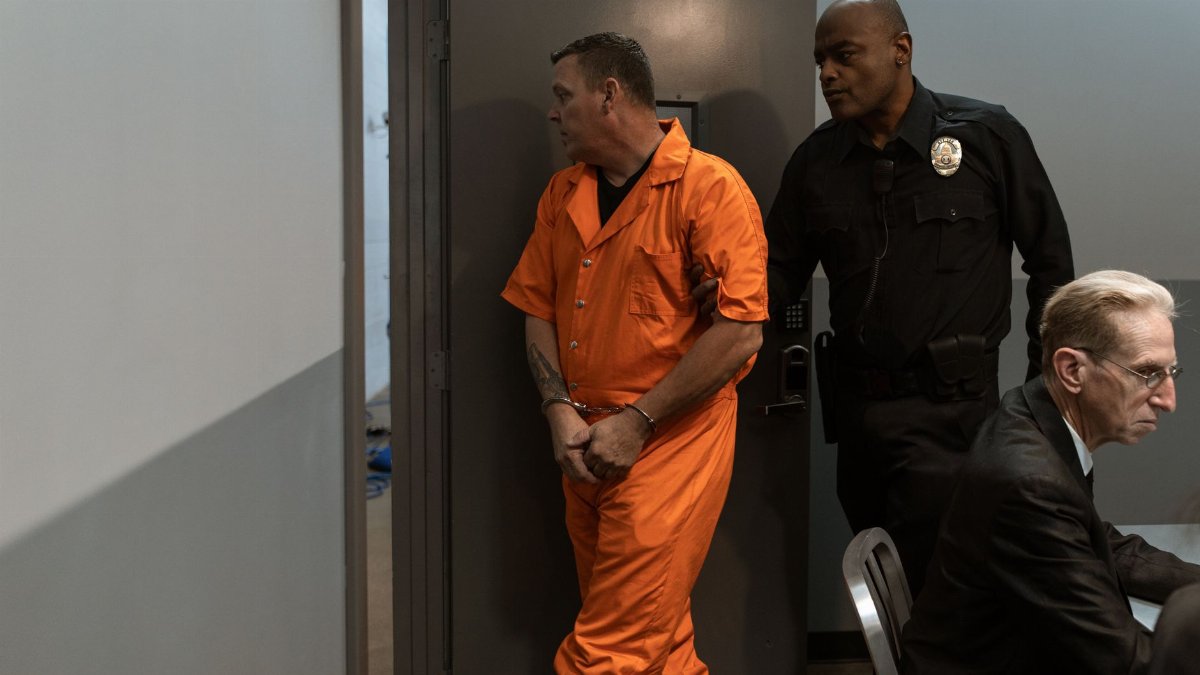
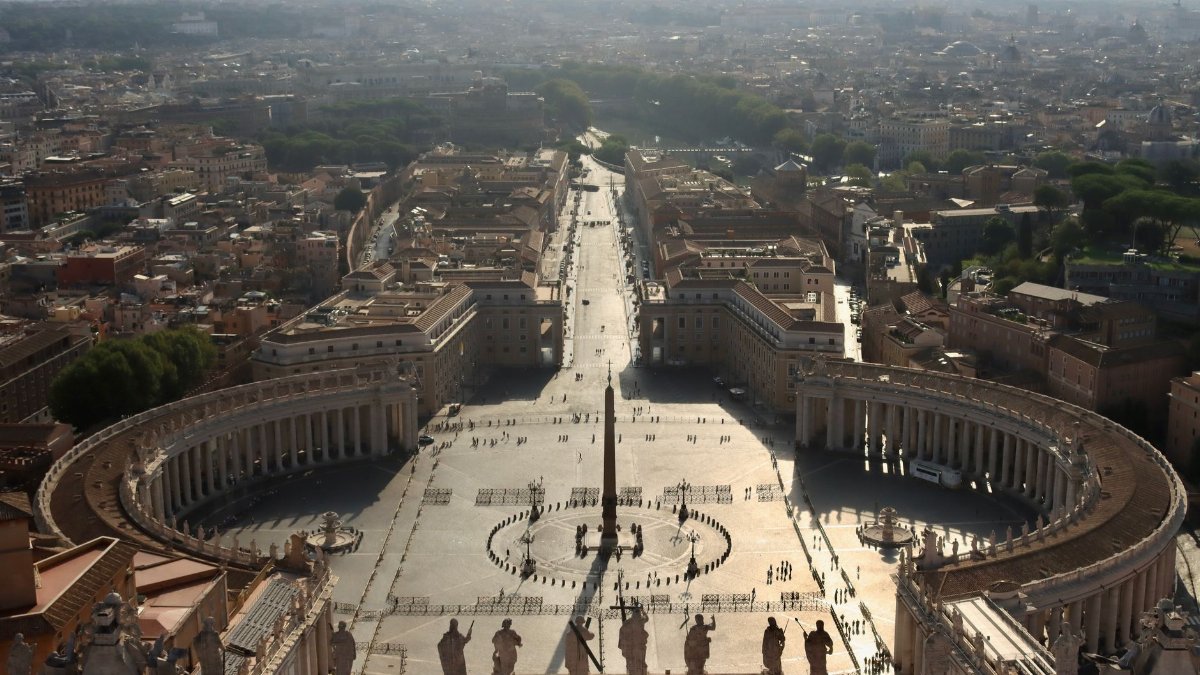
On a gray October morning in Rome, a small group of pastors, priests, and sisters from the Chicago area walked out of an audience with Pope Leo XIV carrying the names of people held at a suburban processing site most Americans have never seen. The Pope Leo Chicago clergy visit was brief by Vatican standards, yet the message they delivered was specific: immigrants detained at the Broadview ICE facility deserve pastoral access, humane conditions, and a hearing of their cases that is not swallowed by delay. They did not come as diplomats. They came as people who have sat with families in church basements and hospital waiting rooms while a parent remained behind a fence a short drive from downtown.
Why a suburban processing site reached the Vatican
Broadview sits in Cook County, close enough to the city that volunteers can reach it between Mass and a school pickup, and far enough from national headlines that its routines rarely break through. Clergy who minister nearby describe a place where people are held while immigration authorities sort cases, transfers, and removals. For parish leaders, the facility is not an abstraction. It is the reason a confirmation sponsor misses a rehearsal, the reason a child asks whether a father will be home for a birthday, the reason a food pantry list grows longer on a Tuesday night.
The delegation argued that distance from Washington does not make the site less urgent. If anything, its ordinary appearance has allowed suffering to stay local and quiet. Bringing those names to Rome was a way of saying that quiet is not the same as resolved.
Who made the trip and what they carried
The travelers included Catholic priests, Protestant pastors, and women religious who already share jail ministry, hospital chaplaincy, and immigrant accompaniment in Chicago. They were not a single denomination speaking with one script. They were colleagues who have learned, over years of joint prayer services and legal clinics in parish halls, that families do not sort their fear by church affiliation.
In their folders were letters from spouses, drawings from children, and short accounts of medical worries, language barriers, and visits that were canceled or cut short. Several clergy said they refused to turn those papers into spectacle. The point, they told companions before the audience, was to put human detail in front of a pope who still thinks of Chicago as home ground, not as a dateline.
A pontiff who still knows the city
Pope Leo XIV, born Robert Prevost and raised in the Chicago area, is the first American to hold the office. That biography does not make him a local politician, and the clergy did not treat him as one. It does mean that street names, parish boundaries, and the texture of Midwestern Catholic life are not foreign to him. People who have followed his early months as pope note a habit of speaking about migrants in the language of dignity rather than in the language of party platforms.
For the visitors, that familiarity mattered. They could describe Broadview without translating the whole map of Chicagoland. They could talk about parishes on the Southwest Side and in the suburbs, about Spanish and English and Polish in the same pews, and trust that the setting would not feel invented.
What families say life looks like during detention
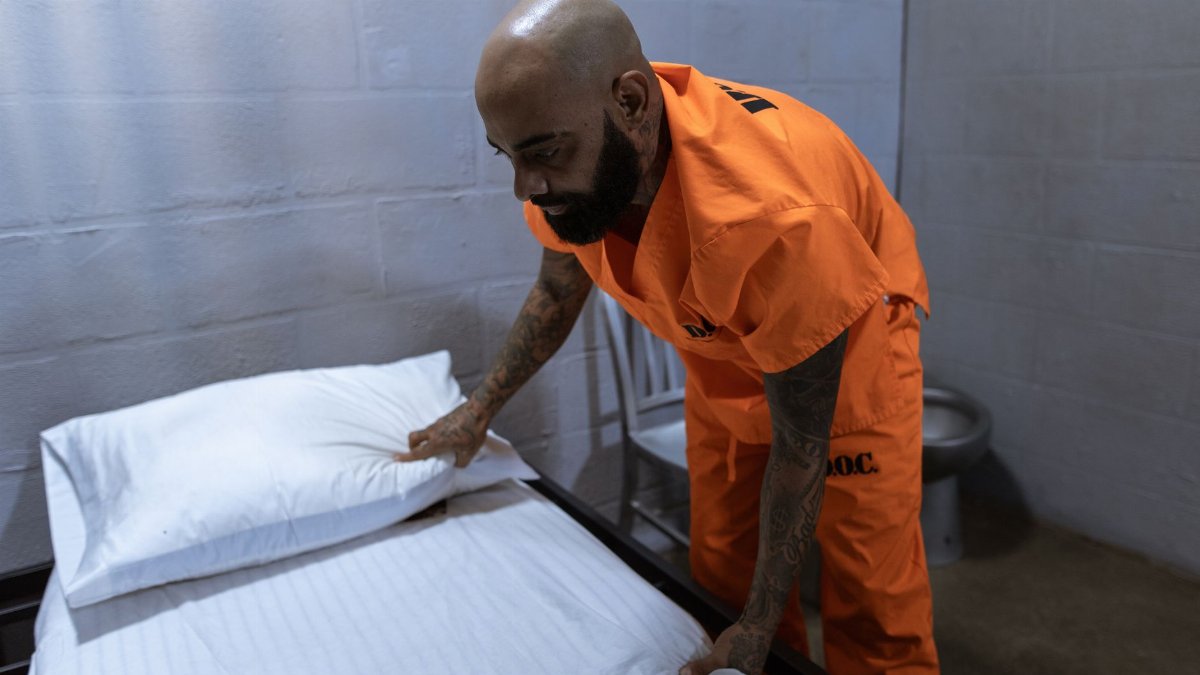
Accounts gathered by accompanying congregations are consistent even when the legal details differ. A person is picked up. A phone goes unanswered. Rent comes due. A spouse tries to find out which facility holds a loved one and whether a lawyer has been allowed in. Children absorb the absence as confusion first and then as a kind of weather that does not lift.
Clergy who visit or wait outside Broadview speak of cold rooms, long processing, and the particular loneliness of people who do not know how long they will stay. They also speak of staff who are doing a difficult public job under rules they did not write. The moral claim the delegation carried was not that every officer is cruel. It was that a system can grind people down without any single person intending cruelty, and that churches have a duty to notice when that happens in their own county.
The case they put before Pope Leo XIV
Inside the audience, the clergy asked for three things that sound modest until one tries to secure them. They wanted a clear papal word on the right of detained people to see a minister. They wanted Rome to encourage American bishops to press for medical care, translation, and timely access to counsel. And they wanted the pope to remember Broadview by name, so that a suburban site could not be folded into a vague national argument and then forgotten.
They also asked him to pray for the officers and the families of officers. Several pastors said that omission would have made their witness smaller. A church that speaks only to one side of a locked door, they argued, has not yet told the whole truth about a community.
How an audience like this actually works
Vatican meetings of this kind are short. There is a greeting, a presentation of papers, a few minutes of conversation, and a blessing. No treaty is signed. No facility changes its schedule because a pope nods. What changes, if anything, is the moral weather around a local fight. A sentence in a later address, a note to a bishops conference, a photograph that parish bulletins can print: these are the tools a pontiff has, and they are slower than a court order.
The Pope Leo Chicago clergy group understood that limit and went anyway. In their telling, the value of the room was attention. A pope who has already spoken often about migrants was asked to attach that teaching to a gate in Cook County, not only to the Mediterranean or the southern border in general.
Law, mercy, and the argument over enforcement
Immigration enforcement is law, and law is not optional for a country that claims to govern itself. The clergy did not ask the pope to pretend otherwise. What they challenged was the idea that legality and mercy are enemies. A person can be subject to removal proceedings and still be entitled to food, medicine, a translator, a lawyer, and a priest. A child can still be entitled to know where a parent is.
Critics of these church delegations often say clergy are naive about borders or selective about which laws they honor. The travelers expected that charge. Their answer, repeated in conversations before the trip, was that naivete runs in more than one direction. It is also naive to believe that a processing site can operate for years in a major metro area without leaving a moral residue in the parishes around it.
Parishes already living with the consequences
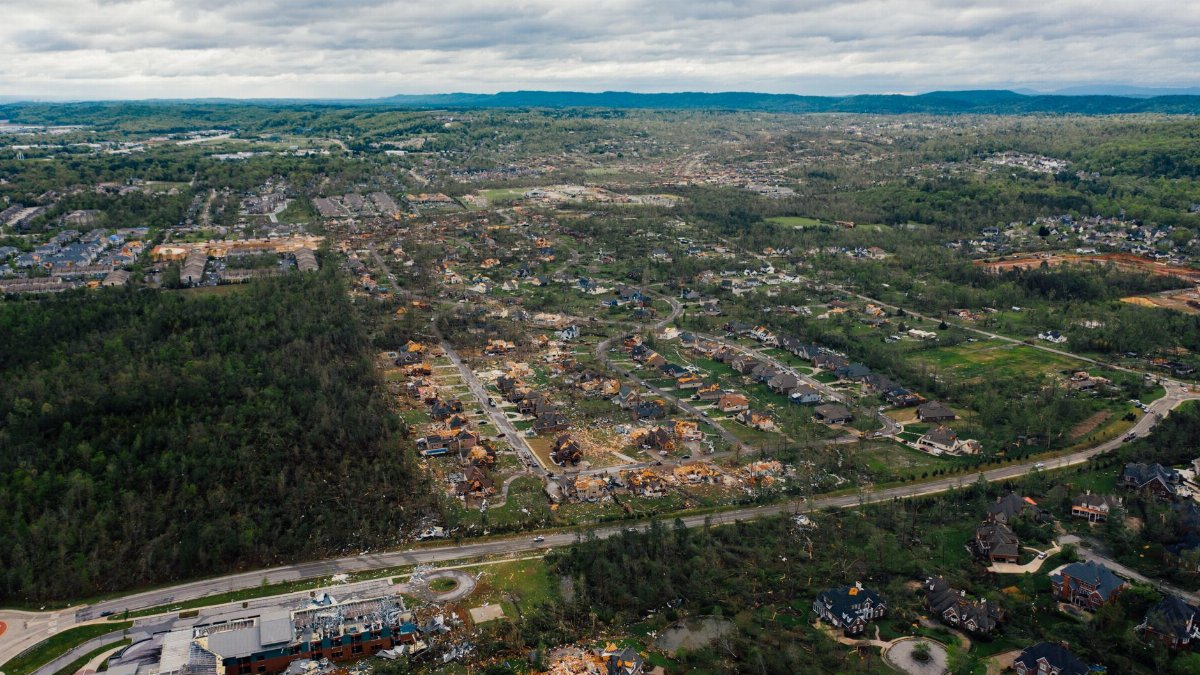
In Chicago, the practical work did not pause for the flight to Rome. Volunteer drivers still take relatives to Broadview when visits are allowed. Lawyers still hold evening clinics under fluorescent lights in church halls. Teachers still notice when a student stops turning in work. Funeral homes still get calls that do not fit any familiar script, when a death occurs far from the family that would have kept vigil.
That ordinary labor is why the trip did not feel, to the people who stayed behind, like a publicity tour. It felt like an extension of work already underway. The Pope Leo Chicago clergy delegation was asking Rome to see what those parishes see every week, not to replace the lawyers, the caseworkers, or the families themselves.
What a papal word can change and what it cannot
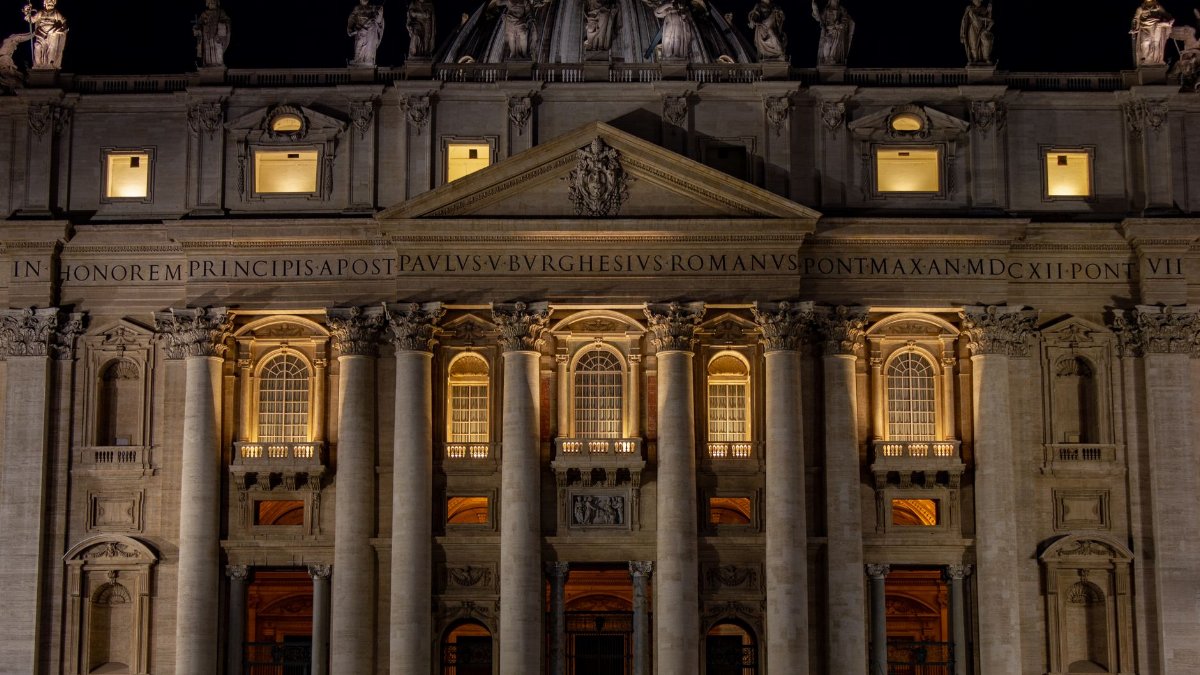
A statement from Pope Leo XIV will not empty a facility, rewrite a statute, or guarantee a bond hearing. Courts, Congress, and the executive branch hold those levers. Church leaders who forget that distinction end up promising more than they can deliver, and families pay the price of the disappointment.
What a papal word can do is make it harder for comfortable people to treat Broadview as someone else’s problem. It can give local bishops cover to ask awkward questions of officials they also need for other civic work. It can tell a detained person, if the message reaches them, that their name was spoken in a room most of the world considers important. That is not freedom. It is not nothing.
The tension inside American Catholic life
American Catholics are not of one mind on immigration, and Chicago is not an exception. Some parishioners want stricter enforcement and resent any hint that the church is taking sides against the law. Others see detention as a moral emergency and want sharper language than most bishops are willing to use. The clergy who traveled knew they would return to both groups.
Their wager was that a focus on conditions, access, and family notification could hold a wider congregation than a slogan. One can support orderly borders and still insist that a suburban processing site meet basic standards of care. One can distrust political campaigns that use migrants as scenery and still sit with a mother who has not heard her husband’s voice in twelve days. The Pope Leo Chicago clergy message was built on that narrower ground, which is also the ground where pastoral work usually happens.
Other faiths at the same gate
Catholic leadership drew much of the attention because of who occupies the chair of Peter, but the concern around Broadview has never been only Catholic. Protestant congregations, Muslim community leaders, and Jewish groups in the region have organized accompaniment, meals, and legal referrals for years. Several of those partners helped gather letters even if they did not board the plane.
That cooperation matters for readers who do not share the pope’s creed. The claim being made is not that Rome governs American immigration policy. The claim is that religious communities closest to a detention site have information the rest of the country lacks, and that they used a rare audience to pass that information upward.
After the audience, the same streets
The clergy flew home to the same expressways, the same parish calendars, the same phone calls from relatives who still cannot get a clear answer. Rome can feel, on the return, both larger and smaller than it did on the way in. Larger, because a pope listened. Smaller, because Broadview did not move.
People who work this issue learn to measure progress in unglamorous units: a visit that happens, a prescription that is filled, a child who is told the truth in language they can hold. If the Pope Leo Chicago clergy meeting is remembered, it will be remembered for whether those units improved, not for the photographs. The travelers said as much before they left the Vatican walls. Attention is a start. It is not a substitute for the slow work waiting on the other side of the ocean, a few miles from the churches that sent them.