
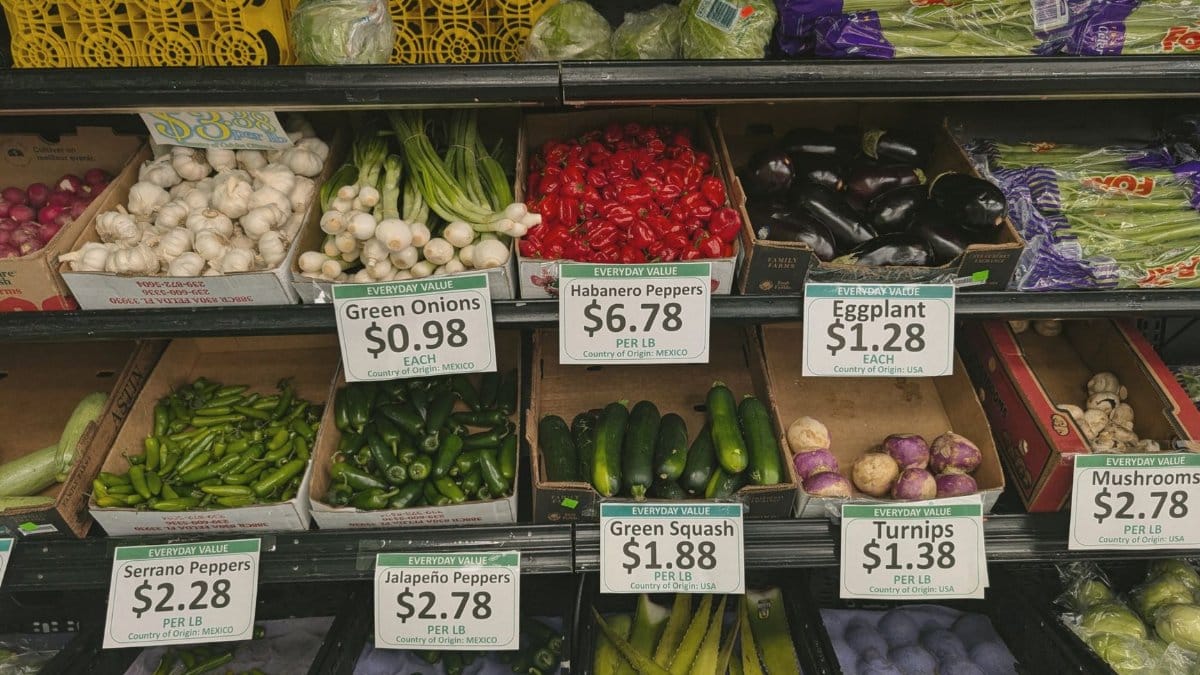
On a Tuesday morning in the Tenderloin, a shopper paused in front of a crate of oranges and did the math out loud. The fruit looked fine. The price did not. That small calculation, repeated in corner markets from the Excelsior to the Bayview, is the quiet pressure behind the SF grocery pilot program now taking shape under Supervisor Bilal Mahmood. The idea is simple enough to explain at a checkout counter and hard enough to matter: help neighborhood grocers pool their produce orders so wholesale costs fall, and pass a meaningful share of that savings to people who buy food close to home.
A receipt that has been telling the same story

San Francisco has never been an easy city in which to sell fresh food at a modest margin. Rent is high. Delivery windows are tight. A single store may not move enough lettuce, citrus, or tomatoes in a week to earn the price a large chain can demand from a wholesaler. Shoppers feel that gap as a few dollars here and a few dollars there. Over a month, those dollars decide whether a household cooks with greens or reaches for something cheaper and less nourishing.
Mahmood has framed the pilot as a practical response to that gap, not as a grand redesign of the food system. The stated aim is to cut produce prices by as much as 25 percent for participating stores and, by extension, for their customers. Whether that ceiling is reached will depend on volume, vendor terms, and whether grocers trust one another enough to buy together. Still, the number is specific enough to be tested, which is more than many food proposals can say.
What pooling actually means at the loading dock
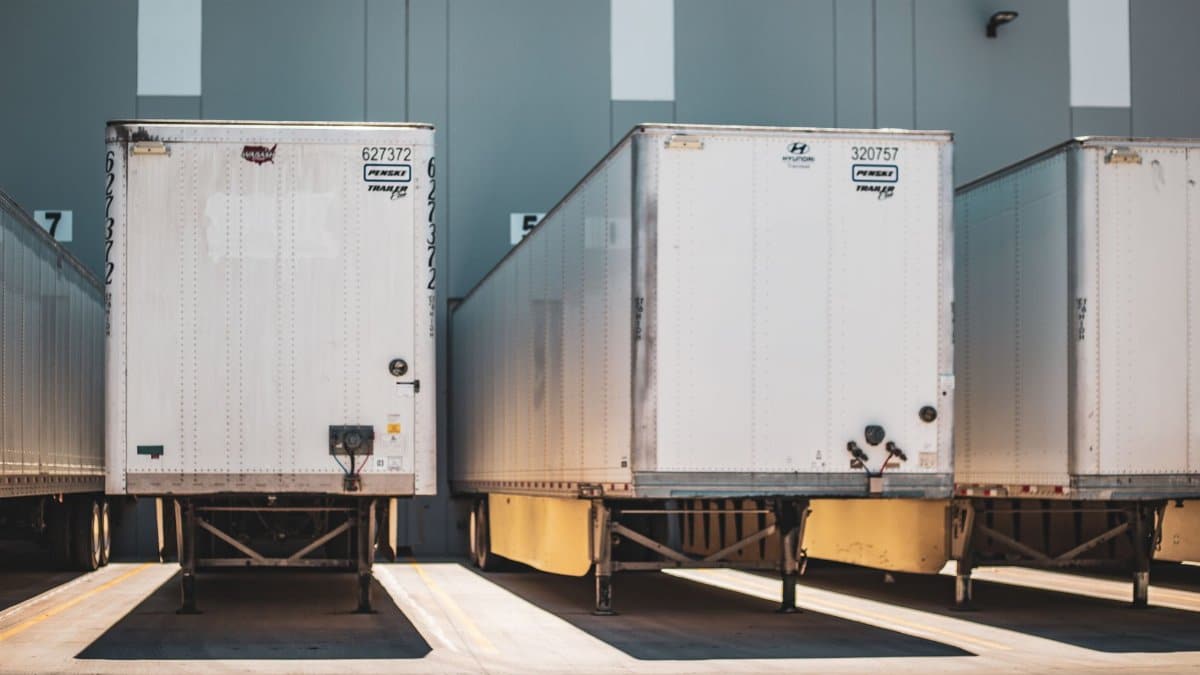
Pooling is not a slogan. It is a change in how orders are written. Instead of five small markets each calling a distributor for a modest case count, those markets would combine demand and negotiate as one buyer. A distributor likes predictable volume. A grocer likes a lower unit price. The customer likes a tag that does not require a second thought.
The SF grocery pilot program, as described by the supervisor’s office and reported locally, would sit between those parties. It would not turn the city into a grocer. It would help independent stores coordinate orders, especially for produce, where spoilage punishes anyone who overbuys and high wholesale prices punish anyone who buys small. The administrative work is unglamorous: shared forecasts, agreed delivery points, clear rules for who pays if a pallet arrives damaged. That work is also where pilots succeed or stall.
Why produce, and why now

Produce is the right first target because it is both essential and volatile. A box of cereal can sit. A flat of berries cannot. When wholesale prices jump, small stores have little room to absorb the hit. They either raise the shelf price or stop carrying the item. Either choice pushes shoppers toward larger chains or toward food that travels better and nourishes less.
City leaders have spent years talking about food access in neighborhoods that lost full service markets or never had them. Talk has produced maps, hearings, and occasional grants. A pooled purchasing pilot is narrower. It accepts that many residents will keep shopping at the store on their block, and it tries to make that store’s produce case less punishing. Narrow can be a virtue if the measurement is honest.
The supervisor’s bet on neighborhood scale
Mahmood represents a district where the distance between a policy memo and a kitchen table is short. His bet is that city government can be useful without owning the supply chain. Neighborhood grocers already know their customers. They know which peppers sell and which sit. What they often lack is bargaining power. A pilot that lends them that power, even for a season, tests whether public coordination can do what individual stores cannot do alone.
I have stood in enough small markets in this city to recognize the look of a owner doing three jobs at once. They are not waiting for a lecture on nutrition. They are waiting for a price they can live with. If the pilot respects that reality, it has a chance. If it buries them in paperwork, it will join a long list of well meant efforts that never reached the shelf.
Who might feel the difference first

The people most likely to notice are not the ones who can drive to a warehouse club. They are renters without cars, older residents who shop in short trips, and families stretching a weekly food budget across several small purchases. A 10 percent drop would be welcome. A drop closer to the promised ceiling would change what goes in the bag.
Grocers in lower income corridors have said for years that they are not refusing to sell good food. They are refusing to sell it at a loss. A shared order could widen the set of items they can stock without gambling the week’s cash. That is a quieter form of food access than a new supermarket, and in some blocks it is the only form available.
The hard part is trust, not tomatoes

Any group buy fails if one member free rides. A store that enjoys the wholesale price and then undercuts partners on the sidewalk will sour the arrangement fast. So will a city office that treats grocers as grant recipients rather than business partners. The pilot will need plain rules: who may join, how volume is counted, how savings are shown on receipts, and what happens when a store drops out mid season.
Distributors have their own incentives. They may welcome larger orders and still resist terms that squeeze margins they have held for years. Negotiations will be less about speeches and more about case minimums, credit, and delivery routes through streets that already punish late trucks. Success here will look boring. That is a good sign.
What a fair test would measure

A pilot that only announces an intention is not a pilot. A fair test would publish, in ordinary language, the wholesale price before and after pooling, the shelf price in participating stores, and a comparison with similar stores that did not join. It would track waste, because cheaper produce that rots in the back room is not a victory. It would ask shoppers whether they bought more fruit and vegetables, not merely whether they noticed a sign.
It would also watch for displacement. If a lower price in one store pulls customers from another independent market two blocks away, the city may have shifted pain rather than reduced it. The SF grocery pilot program should be judged on the shopping basket and on the health of the small retail fabric around it. Those are different questions, and both belong in the report.
Lessons from other cities, without copying their posters

Other cities have tried buying clubs, shared commissaries, and public wholesale markets. Some lowered costs for a while and then faded when a grant ended or a champion left office. Others lasted because grocers, not agencies, owned the habit of ordering together. San Francisco can borrow the caution without borrowing the branding. The useful lesson is that coordination costs money and attention after the press conference, and that produce margins are too thin to survive a clumsy middleman.
There is no need to pretend this city invented cooperative purchasing. There is a need to fit it to local streets, local distributors, and local stores that may stock twenty kinds of greens and still struggle to make rent. Scale should follow proof, not the other way around.
Price is not the only barrier in the aisle
Even a successful cut in wholesale cost will not erase every obstacle. Some shoppers lack time to cook. Some kitchens are shared or barely equipped. Some neighborhoods still have too few stores with reliable hours. Language, transit, and safety shape whether a person reaches the produce case at all. A pilot aimed at price should not be sold as a cure for all of that.
Honesty about limits will protect the effort. If residents hear that produce will fall by as much as 25 percent and then see a smaller change, trust erodes. Better to say what the first season can and cannot do, and to show the numbers when they exist. People in this city have heard enough food promises to recognize a hedge. They will also recognize a real discount.
The politics of a modest idea

Food prices sit at the intersection of housing costs, wages, and the simple fact of feeding a family in an expensive region. A grocery pilot will not reset those larger forces. It can still be worth doing. Local policy often fails by swinging between spectacle and neglect. A bounded experiment, with a clear price target and a clear end date for the first phase, is a more adult use of public attention.
Critics will ask whether the city should be in the business of organizing private orders. Supporters will ask why it has taken this long. Both questions are fair. The answer, if the pilot is run well, will not be rhetorical. It will be a comparison of invoices and a conversation with the person who buys oranges on Tuesday morning.
What grocers need before they say yes
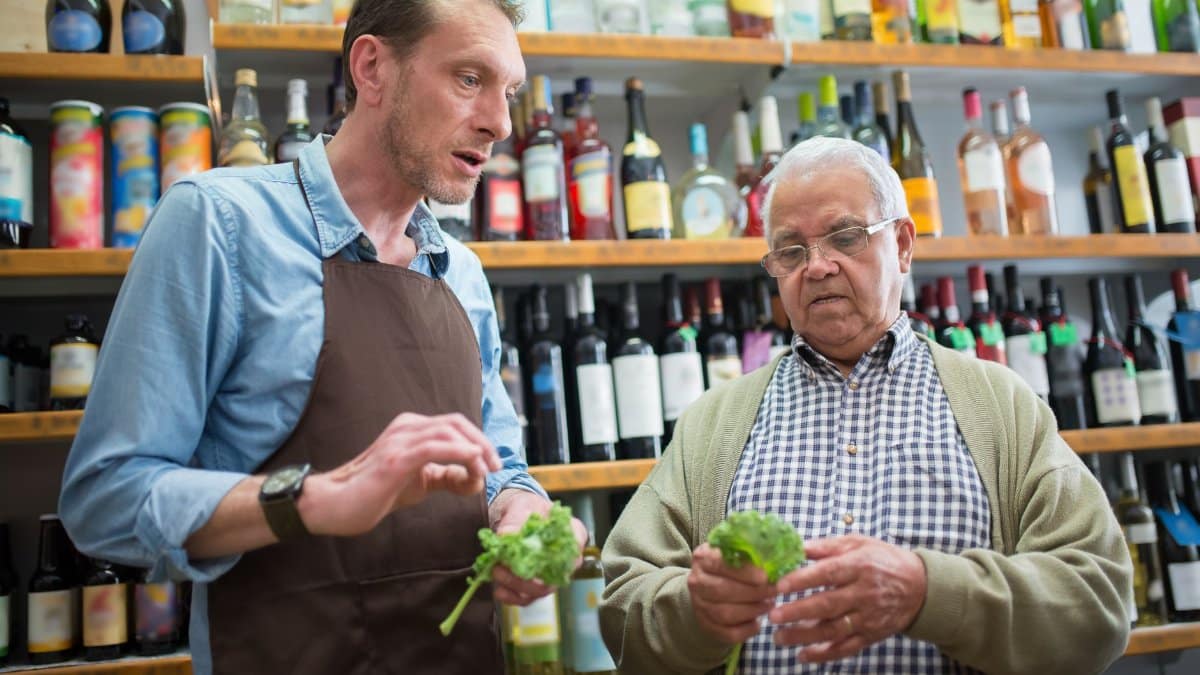
Before a store commits its produce order to a shared pool, the owner will want to know the downside. Is there a penalty for a short week? Can the store still buy specialty items outside the pool? Who holds the relationship with the wholesaler if a dispute arises? Will the city publish participating prices in a way that invites larger chains to undercut and then walk away?
These are not hostile questions. They are the questions of people who cannot afford a failed experiment. A supervisor who wants grocers in the room should answer them in writing, in plain sentences, before the first combined order goes out. Goodwill is not a contract.
How residents can follow the money

Shoppers do not need a briefing book. They need to know which stores are in, which items are covered, and whether the lower wholesale price shows up on the tag. A simple window sign and a short public update would do more than a glossy report. If savings stall at the distributor or at the store, residents should be able to see that too. Transparency is not a punishment. It is the only way a pilot earns a second season.
Community groups that already help people find affordable food can serve as witnesses rather than as operators. Their role might be to ask whether the items people actually cook are the items getting cheaper. Cilantro, onions, bananas, leafy greens, and staple fruit matter more than a ceremonial display of exotic produce that photographs well and sells poorly.
A season of proof, not a permanent agency

The wisest version of this effort stays small until it works. One cluster of stores. One set of produce categories. One wholesaler relationship sturdy enough to audit. If the SF grocery pilot program cuts costs and keeps waste in check, expansion can follow the evidence. If it does not, the city should say so and stop, rather than rename the effort and continue.
That discipline is rare in local government, where programs acquire staff and constituencies faster than they acquire results. Mahmood’s proposal will be stronger if it includes an exit as clearly as it includes a launch. Neighborhoods do not need another permanent office. They need cheaper oranges, and a reason to believe the next crate will be cheaper too.
What I will be watching at the register

I will not judge this by the quality of the announcement. I will judge it by whether a regular customer can name the difference without being handed a press release. Did the greens stay on the shelf all week? Did the price hold after the first flush of attention? Did the grocer still want to be in the pool when the second month’s invoice arrived?
San Francisco is full of people who already know how to feed a household on less than the city’s image suggests. They do not need to be inspired. They need the arithmetic at the crate to come out differently. If this pilot can do that, even in a handful of stores, it will have earned its keep. If it cannot, the city should learn that in public, quickly, and try a better tool. The shopper in front of the oranges is not waiting for a theory. The shopper is waiting for a fair price.