
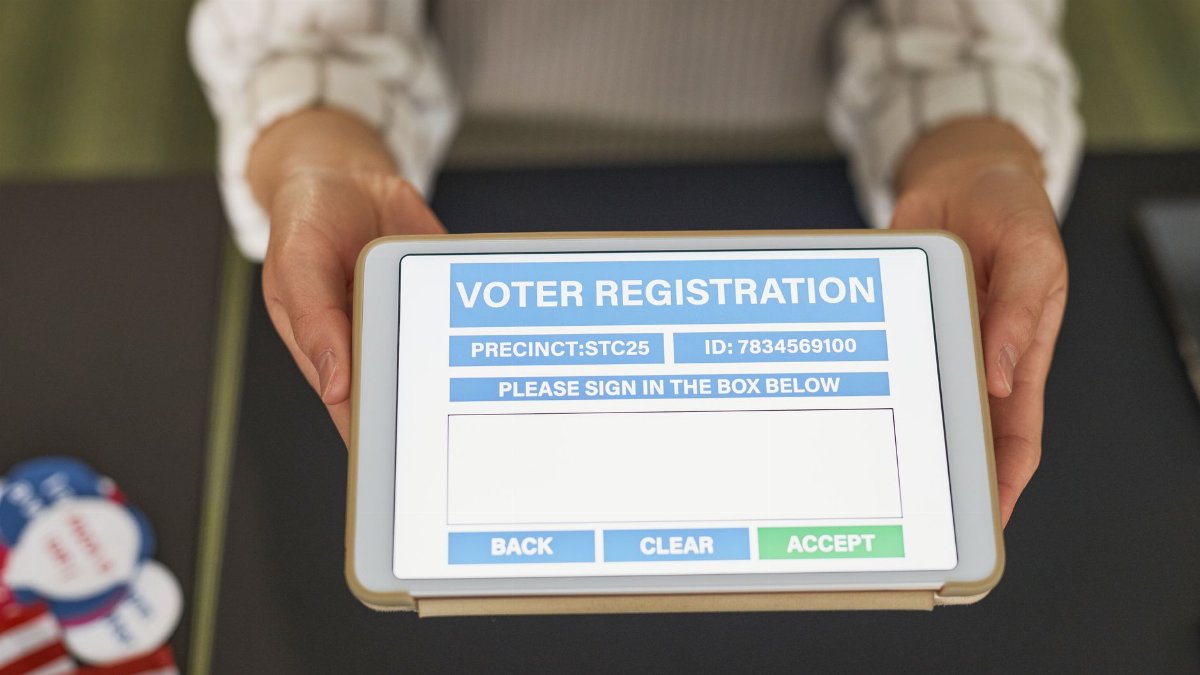
On a humid morning in Port au Prince, a clerk taped a fresh notice to a plywood door and stepped aside before the small crowd could press forward. The sheet did not promise calm streets or a functioning courthouse. It promised a calendar. After years in which ballots were delayed, disputed, or never printed at all, Haiti elections 2027 is the phrase officials now want citizens to hear as a commitment rather than a slogan.
A calendar finally put on paper

The Provisional Electoral Council has set general elections for July and October 2027 and has extended registration deadlines after earlier plans collapsed under insecurity and thin voter rolls. The announcement, reported by the Miami Herald, is the clearest timetable Haiti has had since the last national vote faded into memory. July would open the sequence. October would close it. Between those months sit the unglamorous tasks that decide whether a date is real: lists of voters, polling sites that can be reached, ballots that arrive intact, and results that losing candidates are willing to accept.
A date is not a government. Still, in a country where provisional arrangements have stretched far beyond their intended life, even a written calendar changes the conversation. Parties can recruit. Donors can budget. Citizens can ask a sharper question than they have been able to ask for years: not whether an election might happen someday, but whether this one can be held as described.
Why the earlier plan could not hold
The postponement was not a surprise to anyone who has watched registration stalls and roadblocks multiply. Officials cited security challenges and low registration, two problems that feed each other. People do not travel to enroll if the route is controlled by armed groups. Administrators do not open centers if staff cannot get home. Each missed week shrinks the pool of documented voters and makes the next announcement look more like theater.
Haiti has lived with interim authority since the assassination of President Jovenel Moïse in 2021. Parliament is not sitting in any ordinary sense. Local offices are uneven. In that vacuum, an electoral council can publish dates, but it cannot manufacture the monopoly of force that elections assume. The extension of registration is an admission of that gap. It buys time. It does not, by itself, buy safety.
Security remains the binding constraint
Armed groups hold swaths of the capital and key corridors beyond it. Kidnapping, extortion, and neighborhood fighting have pushed families from their homes and emptied commercial streets. A national vote requires the opposite conditions: predictable movement, neutral polling places, and a count that cannot be seized at gunpoint.
International security support, including a Kenya led mission backed by foreign funding, was meant to create space for politics to resume. Results have been partial. Some neighborhoods are quieter than they were at the worst moments. Others remain off limits to state agents. An election held only where the state can already enter would not be national. An election pushed into areas the state cannot enter would not be safe. That dilemma sits under every line of the 2027 calendar.
Registration is a political fact, not a clerical one
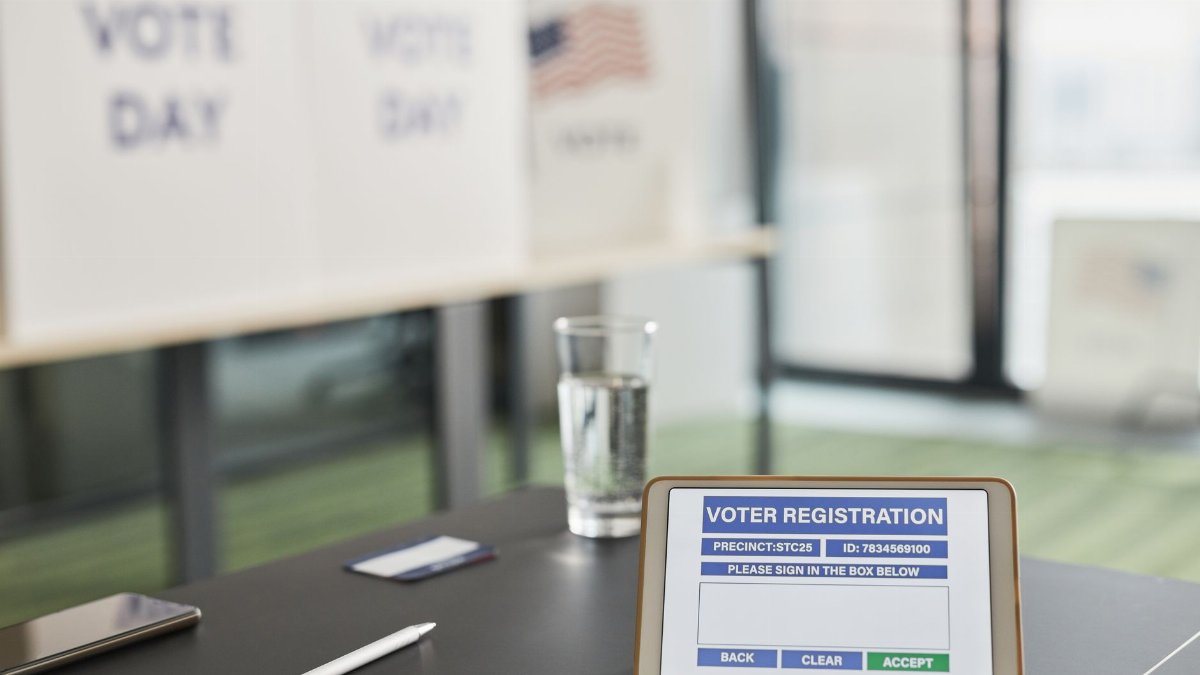
Low registration is easy to describe as paperwork. It is closer to a verdict on trust. A citizen who believes the vote will be stolen, or that leaving home to enroll could be fatal, has little reason to join a roll. Extending deadlines recognizes the practical barrier. It does not answer the moral one.
Credible rolls also protect against the old Haitian cycle in which losers challenge not only the count but the very list of who was allowed to count. If large urban districts remain underenrolled while safer towns fill their books, the map of participation will look like the map of power. Observers will notice. So will candidates who expect to lose.
Who is authorized to promise a vote
The Provisional Electoral Council is, by design, temporary. So is the transitional political arrangement that stands in for an elected presidency and legislature. Temporary bodies can organize a transition. They struggle to persuade skeptics that they will surrender the stage once ballots are cast. Every delay strengthens the suspicion that interim rulers prefer the indefinite present to an uncertain verdict.
That suspicion is not unique to Haiti, but it is especially costly here. Parties are fragmented. Some leaders live abroad. Alliances shift with foreign meetings as much as with neighborhood meetings. A council that wants Haiti elections 2027 to be believed will have to show rules that bind its own sponsors, not only the public it asks to register.
What the ballot is supposed to restore
General elections, if they occur on the announced schedule, would be asked to do several jobs at once. They would choose a president. They would refill a legislature. They would, in the best case, restart local government that can collect taxes, pay teachers, and answer to people who live nearby rather than to a capital they cannot safely visit.
No single vote repairs courts, ports, hospitals, or the police. What a legitimate vote can do is create a government that other governments, creditors, and Haitians themselves can recognize without squinting. Recognition is not glamour. It is the condition for budgets, arrests, and contracts that last longer than a news cycle. Without it, even generous aid arrives as a substitute for politics rather than a support for it.
Neighbors, donors, and the patience problem
Washington, Caribbean capitals, and European donors have spent years urging Haiti toward a vote while also funding security and humanitarian relief. Their patience is political as well as financial. Legislatures abroad ask why missions continue if ballots do not. Haitian critics ask why foreigners set the tempo at all.
The Miami Herald account of the new dates will be read in those capitals as a test of whether the transitional machinery can still produce a plan. A link to that reporting is here: Miami Herald coverage of the election timetable. Support will follow evidence, not adjectives. If registration rises and polling sites are surveyed in places that were closed last year, diplomats will have something to defend. If the dates slip again, the argument for open ended trusteeship grows louder, and so does the argument that outsiders have already failed.
The risks inside another postponement
Delay has a logic. Holding a vote that armed groups can overturn would waste lives and deepen cynicism. Yet delay also has a politics. Each added season lets incumbents of the transition manage patronage without a mandate. It lets gangs tax trade routes without facing a government strong enough to bargain or to fight. It lets a generation reach adulthood without having cast a ballot for anyone who actually governs them.
There is a further risk that is easy to miss from conference rooms. When elections are always next year, rumors fill the gap. Candidates claim they were robbed of a race that never occurred. Pastors, radio hosts, and neighborhood bosses become the only authorities people can question in person. A state that cannot offer a vote offers, by default, a stage to everyone else.
What would make July and October believable

Belief will not come from a communique. It will come from a sequence citizens can see. Registration centers that stay open. Identity documents issued without a bribe. A published list of polling places that matches the places people actually live, including displacement sites. A security plan that names who protects the count after dark, not only who speaks at the ribbon cutting.
Parties need a code of conduct with consequences, not a photo. The council needs a budget that does not vanish in the last month. Regional observers need invitations early enough to matter. None of this is romantic. It is the minimum kit for a vote that losers can survive. If those pieces appear in the coming year, Haiti elections 2027 can move from announcement to event. If they do not, the dates will join a long shelf of intentions.
The people the calendar leaves unnamed
Statistics about gangs and missions obscure the ordinary arithmetic of waiting. A teacher who has not been paid does not experience sovereignty as a constitutional theory. A parent in a crowded shelter measures the state by whether anyone records the children as future voters or only as aid recipients. Market women who pay illegal tolls already know what illegitimate authority feels like. They do not need a seminar to recognize it.
I have watched, from a distance that is itself a kind of privilege, how quickly foreign coverage swings from alarm to forgetting. Haitians do not get that luxury. For them the question is brutally local. Can I enroll without being shaken down. Will my polling place exist. Will the winner be allowed to take office. Will the loser be allowed to go home.
A date is a wager
The council has made a wager that eighteen months, more or less, is enough to turn fear and incomplete lists into a national choice. July and October 2027 are far enough away to permit real work and close enough to punish drift. Extending registration is the honest first move. It admits that the country was not ready. Honesty is useful only if the next moves are equally specific.
Haiti elections 2027 will be judged less by the elegance of the decree than by whether people who have learned to expect cancellation decide, once, to stand in a line. If they do, the republic gets a narrow path back to accountable rule. If they do not, the notice on the plywood door will yellow in the sun, and the crowd will have been right to keep walking.