
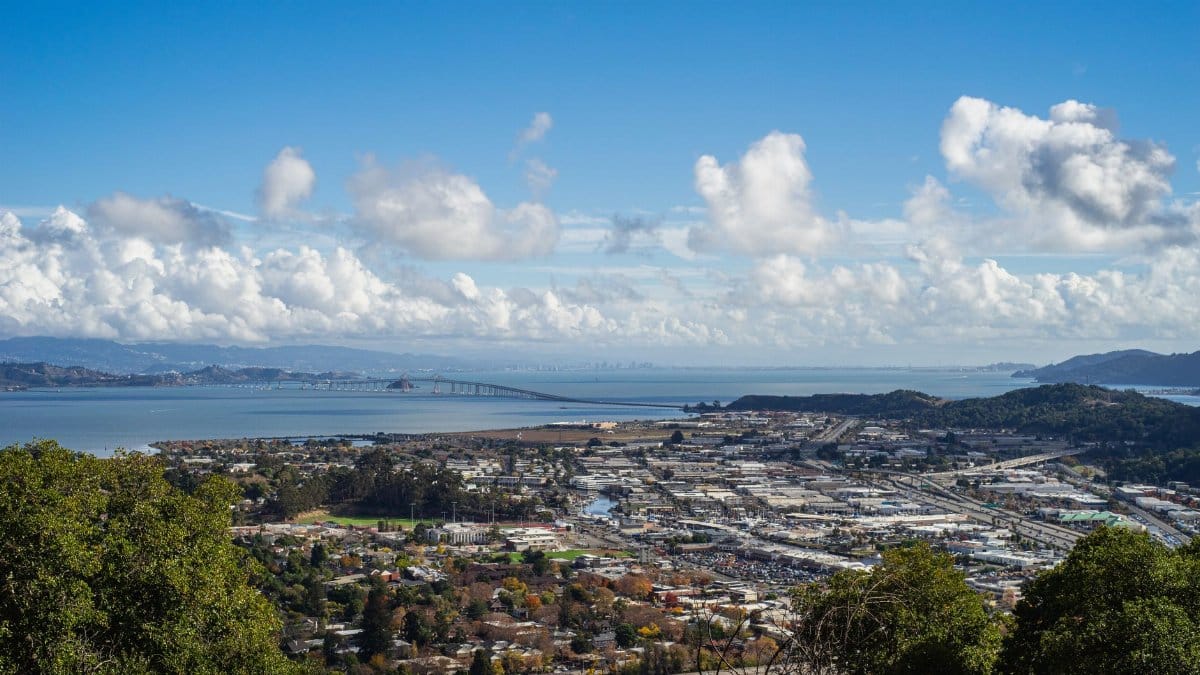
On a late October evening in California, the question is not only which costume will survive the night but whether the sky will cooperate. Families checking phones before they set out candy bowls are finding a familiar split: the south looks unsettled, the north looks spared. The Halloween rain forecast has become the quiet deciding factor for parades, church gatherings, neighborhood walks, and the small rituals that turn an ordinary night into something communal. Meteorologists describe a pattern that is not uniform. Southern California is bracing for rain and pockets of flooding risk over the holiday weekend, while the Bay Area is expected to remain largely dry. That contrast will shape plans from San Diego to Santa Rosa more than any single movie marathon.
A holiday weekend that does not look the same statewide
California weather rarely arrives as one story, and this weekend is a clear example. A Pacific system is aimed more squarely at the southern half of the state, where showers and heavier bursts could overlap with Friday night outings and Saturday cleanup. Farther north, high pressure and a drier flow are expected to keep much of the Bay Area under quieter skies. The practical result is a map that looks almost unfair to anyone planning a drive between regions. A family leaving Oakland for a visit in Los Angeles may pack for two climates in the same suitcase. Public forecasts from the National Weather Service, available at weather.gov, remain the cleanest place to check county level details as the system moves.
Readers who want the regional reporting that framed this split can also consult the San Francisco Chronicle account at sfchronicle.com, which tracked the same north south contrast. The point is not that one city is lucky and another is cursed. It is that autumn storms often graze one part of the state while leaving another nearly untouched.
Why the Bay Area is favored to stay mostly dry
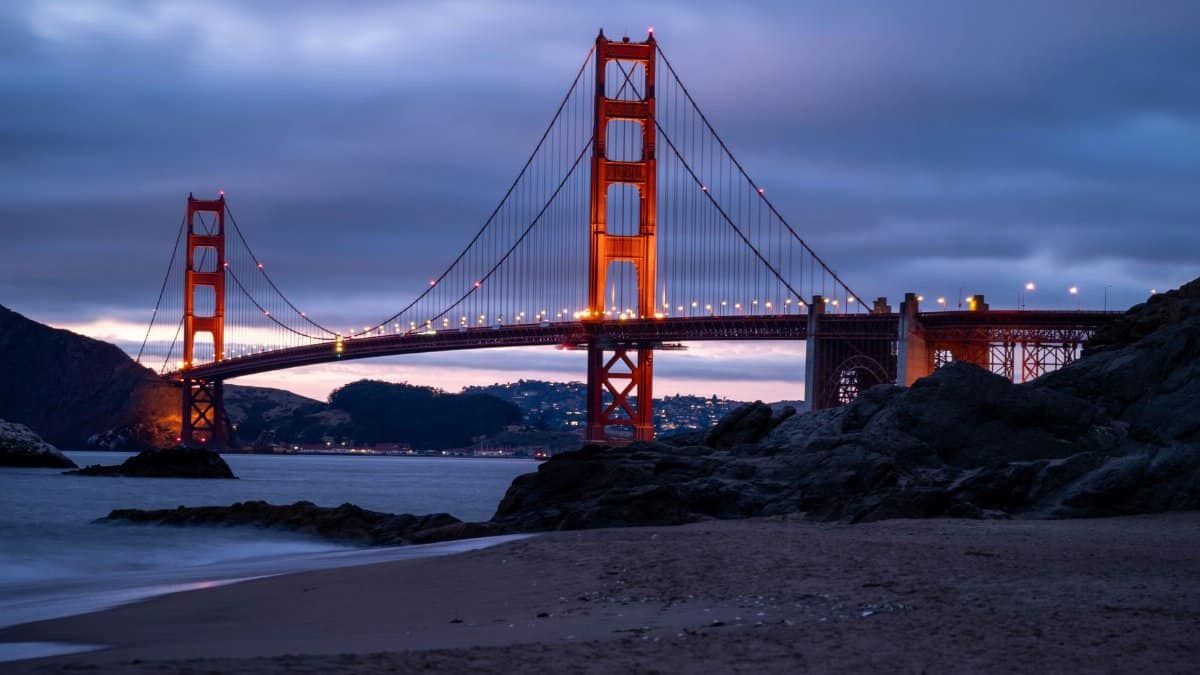
For the counties around San Francisco, Oakland, and San Jose, the more likely picture is a cool evening with limited rain, if any. That does not mean a flawless night. Marine clouds can still dull the light, and a stray shower is never impossible along the coast when moisture rides in from the ocean. But the broader signal points away from a soaking. Sidewalks should be walkable. Porch lights should not have to compete with standing water. Parks and school lots used for trunk or treat events have a better chance of staying open without last minute moves indoors.
Dry does not equal warm. Late October nights in the Bay Area can feel sharp once the sun drops, especially in valleys that lose heat quickly. A cape that looks dramatic in a store mirror may not be enough for a child standing still on a corner. Parents who treat the evening as a short outdoor shift, with layers under the costume, tend to last longer than those who bet on the afternoon temperature.
Southern California faces the wetter risk
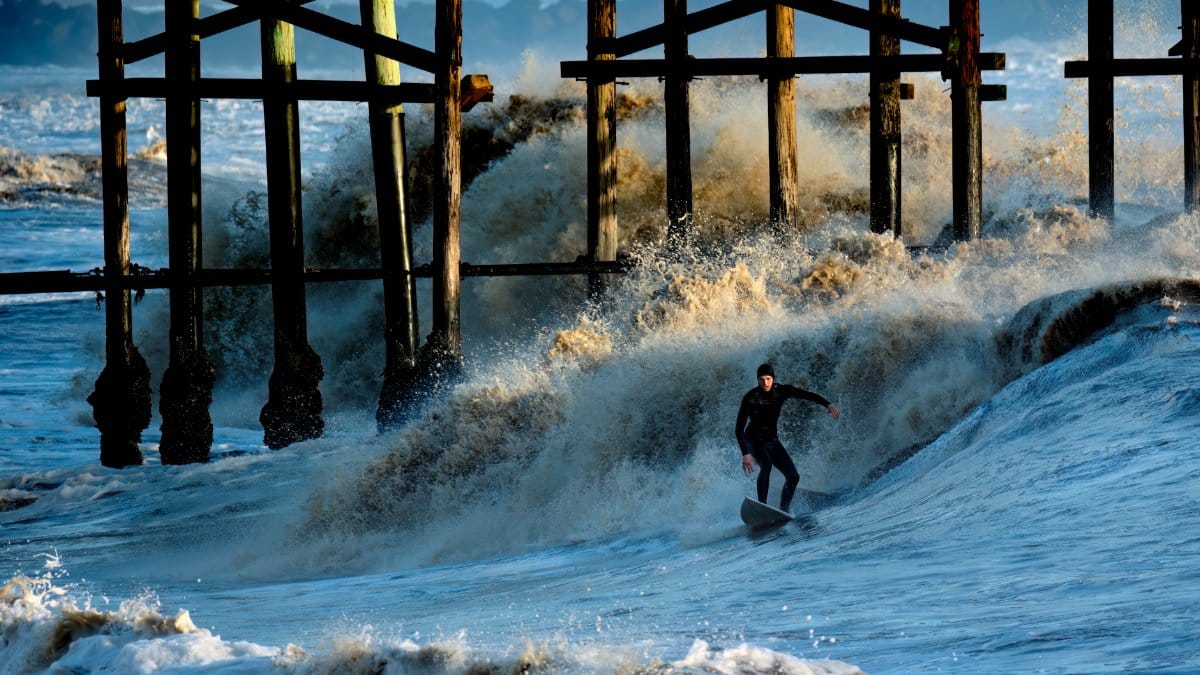
South of the Tehachapi range, the weekend reads differently. Rain is the more credible outcome, and in places prone to quick runoff the concern is less a gentle sprinkle than water that collects faster than drains can clear it. Urban streets, burn scars, and low crossings are the usual trouble spots when a holiday system arrives with embedded heavier cells. Officials in flood sensitive neighborhoods often urge people to avoid driving through water even when the depth looks modest. That advice is dull until a car stalls. It is also the advice most worth repeating when costumes, candy routes, and evening traffic share the same wet roads.
Timing matters as much as totals. A burst that hits near dusk can cancel a parade even if the rest of the night turns showery rather than severe. A burst after midnight may spare the walks and still complicate Saturday morning sports or cemetery visits. Anyone treating a single morning snapshot as the whole weekend is likely to be surprised in one direction or the other.
Flooding, wind, and the costs that are easy to underestimate
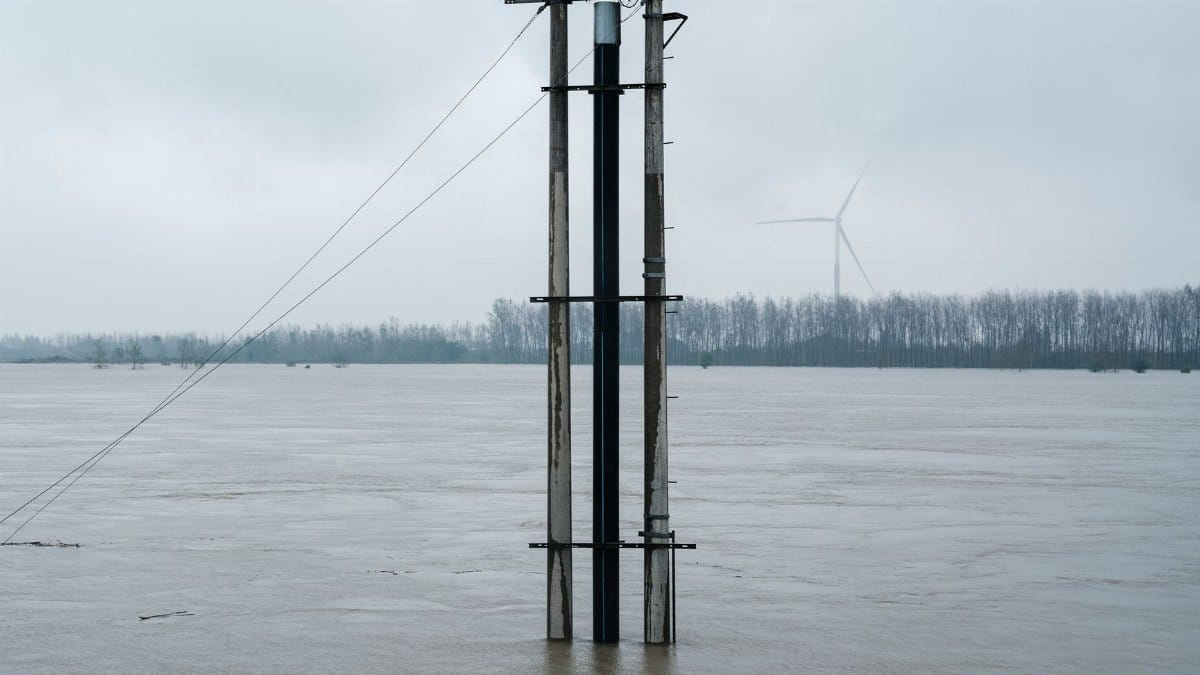
Rain on a holiday is an inconvenience. Flooding is a different category. It closes underpasses, soils electrical gear left on porches, and turns a blocked storm drain into a neighborhood problem within minutes. Wind can add a second hassle, shaking decorations loose and pushing spray across windshields on freeways that are already crowded with people trying to reach family dinners. None of this requires a historic storm. It requires ordinary California infrastructure meeting a burst of water at the wrong hour.
The economic ripple is small in any one household and large in aggregate. Shops that counted on foot traffic near costume displays may see a quieter evening. Restaurants with patio seating lose the tables they had hoped to fill. Churches and community centers that rented outdoor space for festivals face refund questions they would rather not answer on a Friday. A dry Bay Area and a wet south means those losses will not be shared evenly.
How an autumn Pacific pattern gets read
Forecasters build a weekend outlook from satellite loops, balloon soundings, coastal radar, and models that disagree in the details even when they agree on the broad idea. In October the Pacific is transitional. Storms are stronger than in midsummer and less locked in than in deep winter. A slight shift in the jet stream can move the rain shield by a hundred miles, which in California is the difference between a soaked basin and a dry ridge. That is why confidence is higher on the regional split than on the exact hour a shower arrives in a particular zip code.
People sometimes treat a forecast as a promise because the graphic looks precise. The better habit is to read the range. If the discussion mentions a chance of heavier cells inside a wider area of rain, the plan should include a backup even if the most likely total sounds manageable. The Halloween rain forecast is useful as a planning tool, not as a script.
Costumes, candy routes, and the hour that decides the night

Household logistics are where meteorology becomes personal. A dry forecast in the Bay Area still leaves choices about start times, because darkness and chill arrive together. In the south, the choice may be whether to walk at all. Some neighborhoods shorten routes and cluster houses with porches that stay lit. Others move the gathering into a gym or a parish hall and accept that the night will feel different. Neither choice is a failure of spirit. Both are adjustments to pavement, visibility, and the simple fact that wet cardboard costumes collapse.
Drivers deserve a separate note. Children in dark fabric are harder to see when windshields are streaked. A street that is calm at four in the afternoon can be chaotic at six. Slowing down is not a slogan. It is the margin that keeps a wet holiday from becoming a police report. Communities that already post crossing guards for school days sometimes extend that care to the holiday. Where they do not, neighbors filling the gap matter more than another string of lights.
Rituals that were meant to happen outdoors
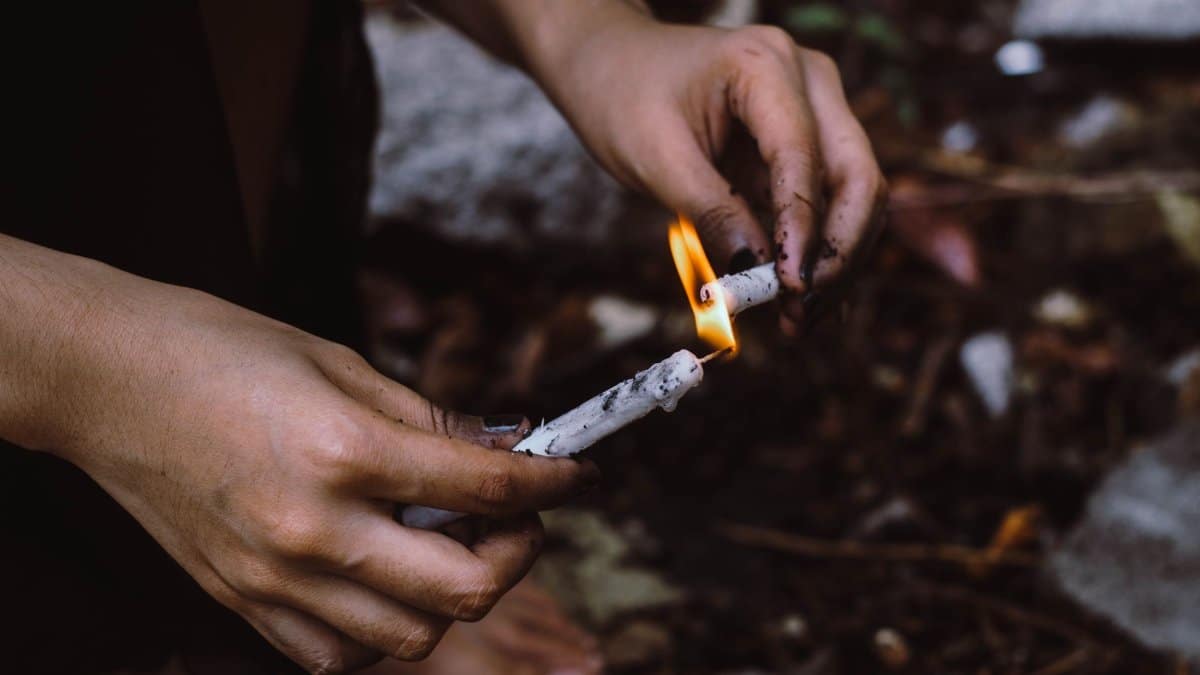
This weekend also sits on a spiritual calendar that many California families keep with more seriousness than the costume aisle suggests. All Saints and All Souls observances, Dia de los Muertos altars, and evening vigils often depend on open air: a courtyard, a cemetery path, a table set where candles can be seen from the street. Rain changes the texture of those hours. Paper decorations wilt. Flame becomes a hassle. People who planned to walk between graves may instead stand under an awning and speak more briefly than they intended.
There is no need to romanticize the inconvenience. Weather does not purify a ritual or ruin it. It simply forces a choice about what is essential. A photograph on a covered table can carry the same memory as one left in the open. A prayer said in a hallway is not lesser than one said in a garden. Communities that have rehearsed indoor versions of outdoor traditions tend to absorb a wet weekend with less panic. Those building the plan on Thursday night will feel the squeeze more sharply, especially where the Halloween rain forecast keeps shifting by a few hours.
What confidence should look like on Friday morning

By the morning of the holiday, the useful questions are narrow. Is rain expected during the walking window, or mostly overnight? Are any flood watches posted for the specific county, not merely the region? Is wind strong enough to matter on bridges and exposed ridges? Local forecast offices update those answers faster than a single newspaper story can. Treating the morning discussion as a check, not as a verdict delivered days earlier, is how people avoid both false alarm and false comfort.
I have watched enough California holidays bend around a Pacific impulse to distrust any outlook that sounds absolute. The Bay Area tilt toward dry weather is the stronger signal in this setup. The southern tilt toward rain and possible flooding is the one that deserves respect, not panic. Between those poles, towns along the Central Coast may sit in a messier middle, close enough to the moisture to earn a glance at radar before anyone commits to an outdoor procession.
A calmer way to follow the weekend

The healthiest use of a forecast is repetitive and slightly boring. Check the local office once in the morning, once in the afternoon, and again if clouds thicken faster than expected. Move electrical decorations off low ground. Keep a towel and a spare layer by the door. Tell guests from out of town which half of the state they are actually visiting, because a friend in San Francisco and a friend in Orange County are not sharing the same sky. If plans can flex by an hour, flex them. If they cannot, choose the covered option early rather than negotiating with a downpour on the sidewalk.
None of this erases the pleasure people want from the night. It protects it. A dry walk in the Bay Area can still feel festive. A shortened gathering in the south can still hold the names, the candy, and the candles that families came to honor. The Halloween rain forecast will not be identical from block to block, and it should not be read that way. What it offers, if read with a little humility, is enough warning to keep the weekend communal instead of chaotic.