
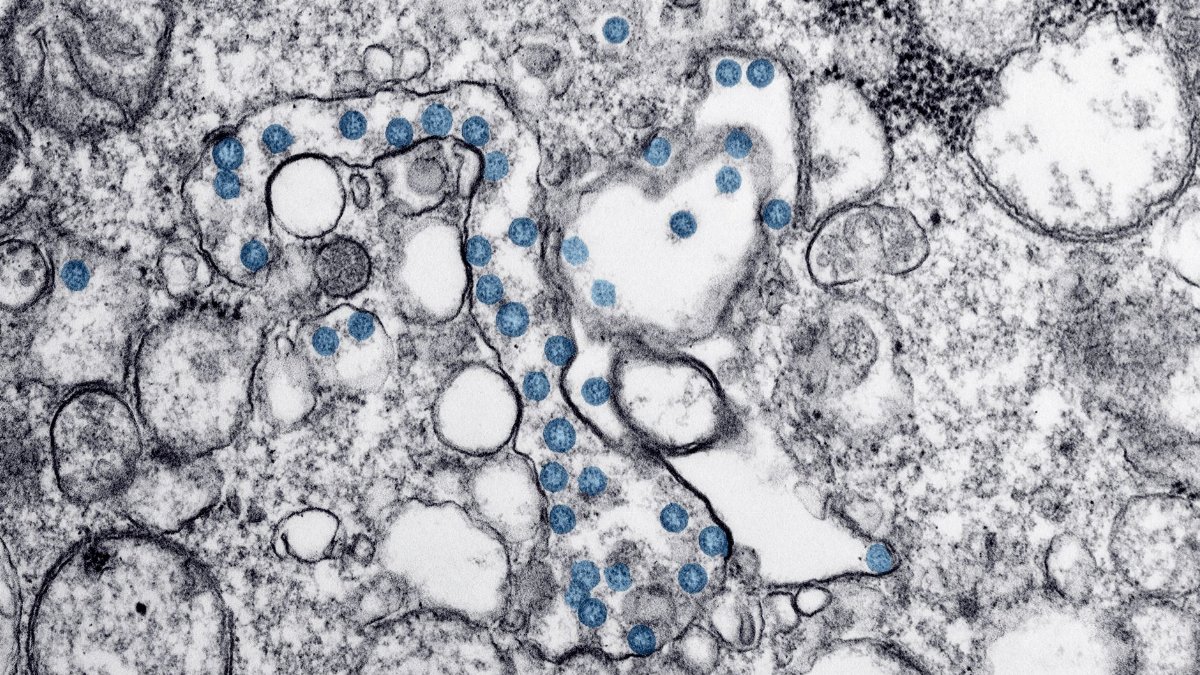
On a gray morning in the Twin Cities, a clinic waiting room fills with the ordinary noise of winter illness: coughs, restless children, a nurse calling a name. Somewhere in that routine, public health staff are also counting something far less ordinary. Minnesota measles cases have reached 80 this year, according to reporting by the Star Tribune, the highest total the state has recorded since 1990. The figure is not a curiosity from a textbook. It is a live measure of how a virus that vaccines once pushed to the margins can return when protection thins.
A tally that belongs to another era
Eighty confirmed infections would have sounded implausible to many parents who grew up after measles receded from daily American life. The Star Tribune account places the 2026 total at a level not seen in Minnesota for more than three decades. That comparison matters because 1990 sits near the end of a period when large outbreaks still shaped hospital wards and school calendars. The current count does not mean the state has returned to the pre vaccine landscape in full. It does mean the margin of safety has narrowed enough for a familiar pathogen to accumulate cases again.
Health departments treat each confirmed infection as more than a statistic. A single case can trigger contact tracing, isolation advice, and a search for people who lack immunity. When the count climbs into the dozens, those tasks multiply. Families wait on test results. Schools field questions. Clinicians revisit protocols they may not have used in years. The number 80 is small beside seasonal influenza, yet measles punishes complacency because it moves so efficiently from person to person.
Why this virus still outruns ordinary caution

Measles spreads through the air when an infected person breathes, coughs, or sneezes. People can pass it on before the rash appears, which is why a seemingly mild fever in a crowded room can seed infections elsewhere. The Centers for Disease Control and Prevention describes measles as one of the most contagious diseases known, and notes that the measles, mumps, and rubella vaccine is highly effective after the recommended doses. Those plain facts explain why a modest cluster can become a countywide problem faster than many other childhood infections.
The rash, when it comes, is memorable. The days before it are not. A child may look only tired. An adult may assume a seasonal virus. In that window, bus rides, worship services, grocery lines, and clinic lobbies all become possible links. Public health workers map those links after the fact. Families live them in real time, often without knowing a chain has already formed.
Vaccination gaps are the quiet precondition
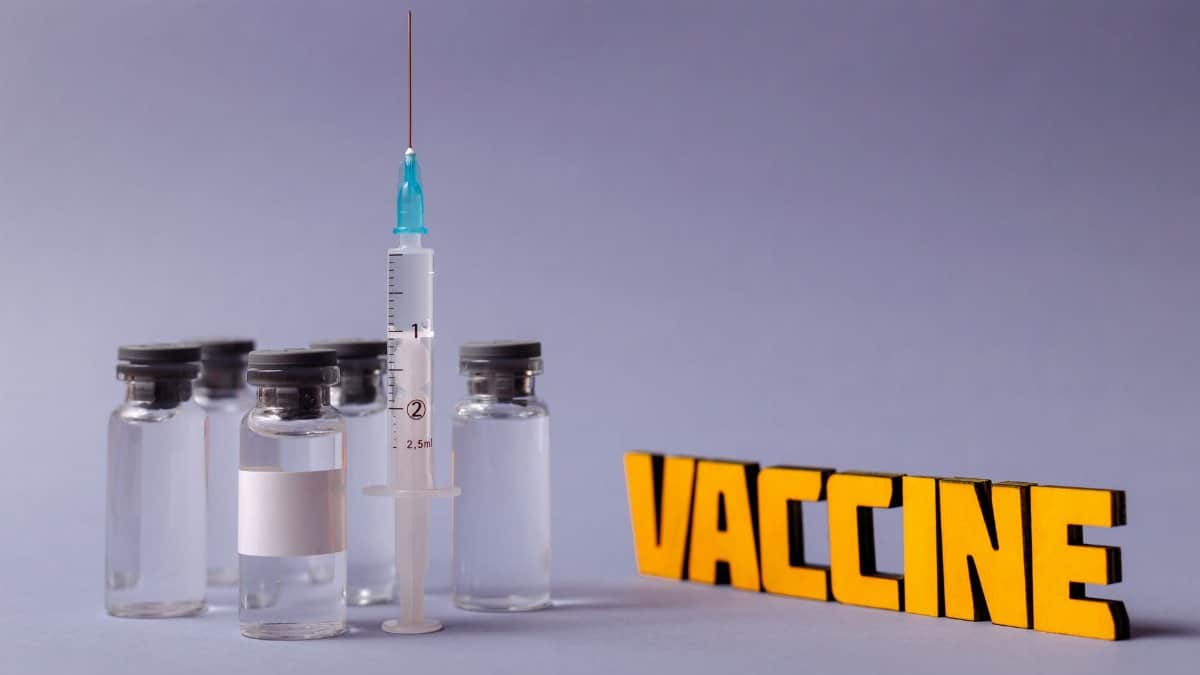
Measles does not need a new mutation to regain ground. It needs susceptible people gathered closely enough, and long enough, for the virus to find them. Declining or uneven vaccination coverage creates those openings. The CDC has long warned that communities need very high immunization rates to limit spread, because the virus exploits even small pockets of susceptibility. When coverage slips, the first sign is often not a statewide collapse. It is a local run of cases that looks contained until it is not.
Parents who delay or decline vaccines rarely describe their choice as indifference to neighbors. Many cite fear of side effects, distrust of institutions, or a belief that natural infection is cleaner than a shot. Those concerns deserve a serious answer, not a sneer. The medical record on measles vaccination is extensive, and serious adverse events are uncommon relative to the disease itself. Pneumonia, brain inflammation, and death remain part of the measles story in every era when immunization falters. A calm conversation in a pediatric office still does more than a shouting match online.
Travel, visitors, and the paths infection takes

Minnesota sits at a crossroads of domestic travel, international arrivals, and close family networks that span continents. Measles is often introduced by a person who was infected elsewhere and then spent time in a community where immunity is incomplete. That pattern does not assign blame to immigrants or travelers. It describes how an airborne virus behaves in a connected state. Airports, family gatherings, and houses of worship can all be innocent settings that become links in a chain.
Health officials typically look for exposure sites after a diagnosis, then notify people who may have shared air with the patient. Those notices can feel alarming. They are also one of the few tools that still work once the virus is moving. A family that learns of an exposure can check vaccine records, watch for fever, and stay home if symptoms begin. Silence helps the virus more than it helps anyone’s privacy.
What clinics and hospitals absorb
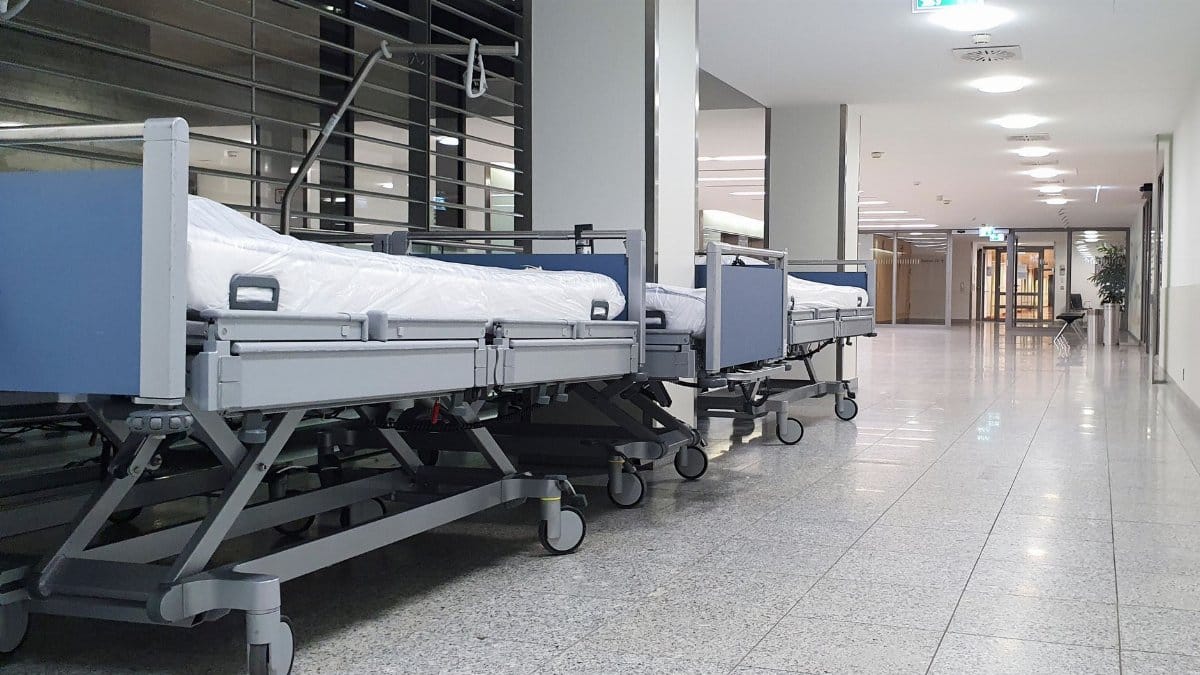
Each suspected case rearranges a clinic day. Staff may need airborne precautions, separate waiting space, and careful timing so a potentially infectious patient does not sit beside infants or pregnant patients. Testing and reporting add hours. When several patients arrive in the same week, a small practice feels the strain in staffing, in delayed routine visits, and in the emotional weight of telling parents that a preventable disease is back in the building.
Hospitals carry a different burden. Measles can be mild in some children and severe in others, especially the very young and people with weakened immune systems. Even when most patients recover at home, a handful of admissions can occupy isolation rooms and pull infectious disease expertise away from other work. The cost is not only medical. It is the quiet tax on a system already short on nurses and on time.
Schools, congregations, and shared rooms

Measles outbreaks often surface where people gather by habit: classrooms, day care centers, sports practices, and religious services. Those places are not hazards by nature. They are the architecture of ordinary life. They become vulnerable when a large share of attendees lack documented immunity. Leaders of schools and congregations then face a practical question. How do they protect the group without turning a health notice into a spectacle?
The better answers are procedural and humane. Keep attendance records accurate. Encourage families to confirm vaccine dates before a trip or a large event. Make it easy to stay home with a fever, without shame and without lost wages if an employer can be flexible. Faith communities, in particular, often speak of care for the vulnerable as a moral duty. Infants too young for a full vaccine series, and people who cannot be vaccinated for medical reasons, depend on the immunity of everyone around them. That dependence is not abstract. It is a child in a pew or a crib down the hall.
Memory of 1990 and what changed after

The comparison with 1990 is useful because it marks a before and after in national immunization policy. In the years that followed large American outbreaks, health agencies tightened recommendations for two doses of measles vaccine and pushed coverage in schools. Those changes did not erase measles from the world. They made sustained domestic transmission much harder. The current Minnesota total, as reported by the Star Tribune, suggests that the old lesson is being tested again, not that the lesson was wrong.
Institutional memory fades. Clinicians who managed wards full of measles patients have retired. Younger parents may never have seen the rash. Public health budgets rise and fall with political attention. A disease that disappears from view can be mistaken for a disease that no longer matters. The count of 80 is a correction to that mistake, delivered in the least welcome way.
Rumor travels faster than contact tracing

Alongside official case counts, another epidemic moves through group chats and short videos. Claims about hidden vaccine injuries, about measles as a harmless childhood passage, and about plots to inflate numbers all find audiences when trust is thin. Some of those claims recycle arguments that epidemiologists have answered for years. Others twist a real uncertainty, such as a delay in lab confirmation, into proof of deception.
Journalists and clinicians share a duty here that is easy to state and hard to keep: do not invent certainty, and do not launder rumor as balance. The Star Tribune report gives a concrete statewide figure and a historical comparison. The CDC explains transmission and vaccine performance in language that does not require a medical degree. Readers can hold both sources up to the stories circulating on their phones. Where the stories conflict, the burden should fall on the claim that cannot show its work.
What families can check this week
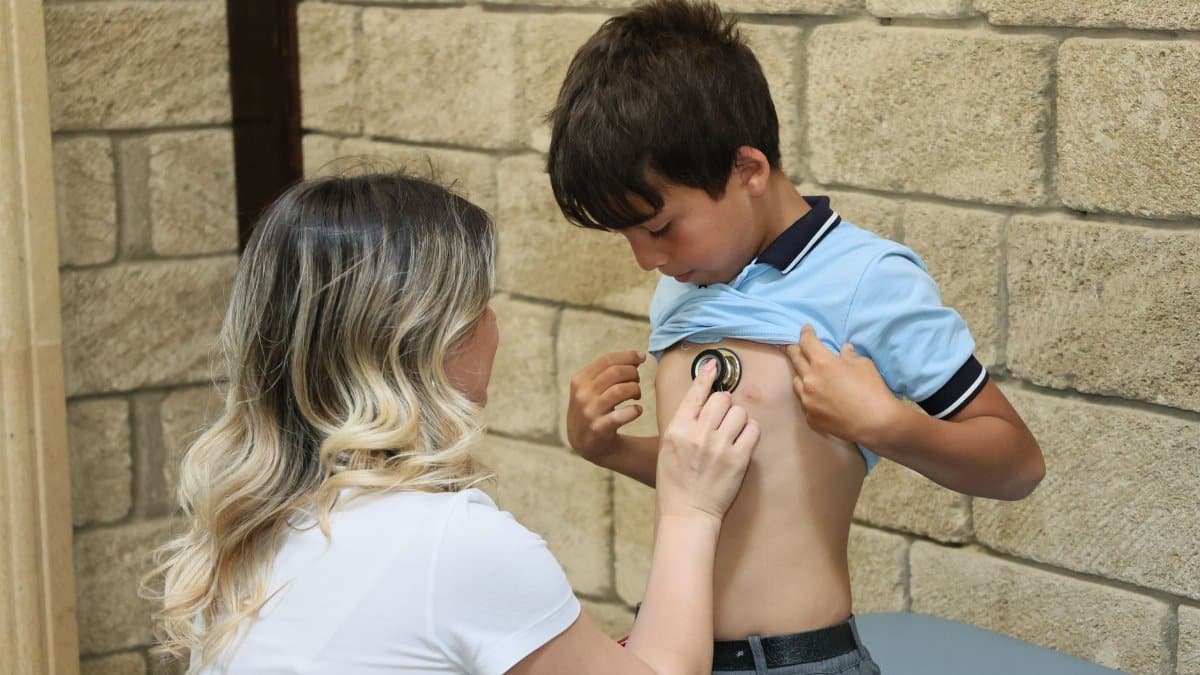
Most households do not need a new theory of epidemics. They need a record. A photo of a vaccine card, a note in a patient portal, or a call to a clinic can settle whether a child or an adult is up to date. People born in years when recommendations differed may discover a gap they never knew they had. Adults who work in health care, education, or child care have extra reason to confirm status before an exposure notice arrives.
If fever and rash appear after a known exposure, staying away from others is an act of neighborliness, not panic. Calling ahead before walking into a clinic protects the waiting room. These steps will not make headlines. They are how a case count stops climbing.
The limits of official reassurance
Agencies can publish dashboards, hold briefings, and offer vaccine clinics. They cannot compel trust. In Minnesota, as elsewhere, some residents hear public health advice as care and others hear it as intrusion. That split did not begin with measles, and it will not end with this year’s tally. What officials can do is speak plainly about what is known, correct errors in public, and meet people in the languages and neighborhoods where cases actually cluster.
Elected leaders can help or hinder that work. Funding for immunization programs, school health staff, and outbreak response is not glamorous. It is also cheaper than a season of hospital isolation rooms and missed work. A legislature that treats prevention as optional should not be surprised when an old disease sends a new bill.
A spiritual question hiding in a case count

The category of spiritual news can seem an odd home for a measles tally. The fit is closer than it looks. Outbreaks ask who counts as a neighbor, and what one person owes a stranger in the next seat. Traditions that prize care for children and for the sick already contain the ethic that vaccination campaigns struggle to explain in policy language. Protecting an infant you will never meet is a form of solidarity. Refusing that protection because a rumor felt more intimate than a nurse’s explanation is a spiritual failure as well as a medical one, even when the refusal is sincere.
None of this requires scorn for people who are afraid. Fear is a human response to needles, to institutions, and to stories of harm. The answer is accompaniment: time in the exam room, clergy who will not amplify falsehoods, and reporters who keep the facts in view. Minnesota measles cases will fall or rise according to those ordinary choices, not according to a slogan.
What the next announcements should tell us
Readers should watch three things as the year continues. First, whether new infections are linked to known clusters or represent fresh introductions. Second, whether vaccination clinics in affected communities actually fill. Third, whether hospitalizations stay rare or begin to mark a more severe wave. Those signals say more than any single headline number.
The Star Tribune’s report that the state has reached 80 cases, the most since 1990, is already enough to retire the idea that measles is someone else’s problem in some other decade. The virus is old. The conditions that invite it back are current. A waiting room in the Twin Cities is as good a place as any to remember that public health is not a museum piece. It is the sum of records checked, shots given, and rooms kept safe for people who cannot yet protect themselves.
Sources: Star Tribune report on the Minnesota case count; CDC overview of measles; CDC on measles vaccination; Minnesota Department of Health measles page.