

On a weekday morning in Center City, a courtroom line can look ordinary until you learn why people are standing there. Some have a hearing of their own. Others are waiting because a house was sold and the money from that sale has not come home. That waiting room is the human edge of Sheriff Bilal contempt, a legal confrontation now set for October 30, with a sum near $20 million attached to property auctions and with questions about how the office kept its books. Philadelphia Sheriff Rochelle Bilal has been ordered to appear. For a city that sells houses under the force of law, the date is not a footnote.
What the court date actually signals

A contempt hearing is not a press conference and it is not a campaign rally. It is a judge asking whether an official, or an office, failed to do something the court already required. In this matter the reported failure concerns proceeds from sheriff sales that were not disbursed, together with record keeping that lawyers and litigants say they cannot reliably follow. The Philadelphia Inquirer has described the hearing as the next formal step, not as a final verdict on motive or competence. That distinction matters. Contempt can be civil, aimed at forcing compliance, or it can carry a sharper sting if a judge concludes that orders were ignored. Readers should treat October 30 as a test of facts in open court, not as a settled morality play.
Twenty million dollars is not an abstraction

Twenty million dollars sounds like a budget line until you remember what a sheriff sale is. A property is sold, often after tax trouble or a foreclosure fight, and the money is supposed to move in a defined order. Liens get paid. Costs get taken. Whatever remains may belong to a former owner, an heir, or another claimant who can prove a right. When that remainder sits undisbursed, the injury is quiet. A person may still owe a lawyer. A family may still be trying to bury a parent and settle an estate. A buyer may be unsure whether title is clean enough to renovate. Money that does not move on time becomes a second loss piled on the first.
How these auctions are meant to work

In ordinary practice, the sheriff is not a private broker. The office is an arm of the courts, carrying out sales the law authorizes and accounting for what those sales produce. Notices go out. Bids are taken. A deed eventually follows if the sale stands. Then comes the less visible work: calculating who is owed what, holding funds that are disputed, and releasing funds that are not. That last step is where public confidence either holds or frays. An office can run a crowded auction calendar and still fail the quieter duty of paying people what the sale produced. Volume is not the same thing as stewardship.
Record keeping is the spine of the case
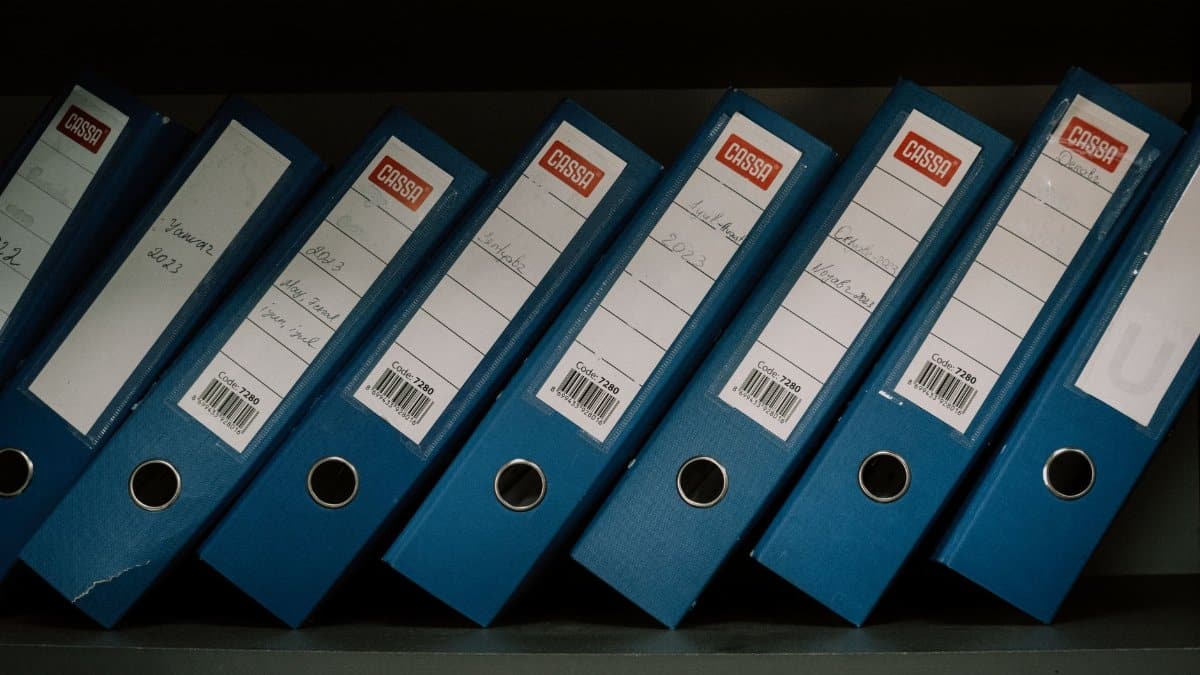
Judges do not disburse money by instinct. They rely on ledgers, dockets, and answers that match. If files are incomplete, if totals do not reconcile, or if requests for payment sit without a clear response, the court has little choice but to demand a personal appearance. Record keeping sounds dull beside the drama of a gavel. It is nevertheless the only way a stranger can tell whether $20 million is delayed for a lawful reason or simply lost in a system that no longer explains itself. Good records protect the sheriff as much as they protect claimants. Bad records protect no one, and they invite the very hearing now on the calendar.
Sheriff Bilal contempt and the weight of an elected office

Sheriff Bilal contempt is also a story about what voters think they bought when they chose a sheriff. Philadelphia elects that official. The campaign is about fairness, neighborhood stability, and whether the office treats poor owners differently from well lawyered institutions. Once in office, the work is less rhetorical. It is deposits, court orders, staff capacity, and the discipline to answer when a judge asks where the money went. An elected title does not shrink a legal duty. If anything, it enlarges the audience. People who never attend an auction still pay attention when the word contempt is attached to a citywide office.
What contempt can and cannot do

Civil contempt is a tool for obedience, not a substitute for a criminal trial. A judge can order an official to produce records, to pay funds that are clearly owed, to explain delays, or to face sanctions until compliance arrives. What a single hearing cannot do is rebuild an office culture overnight or repay every family in the same afternoon. It can, however, force sunlight. Lawyers for claimants will want dates, account numbers, and a plan that a court can supervise. The sheriff will want room to show that some funds are properly held because ownership is disputed, heirs are missing, or liens are not yet sorted. Both of those positions can be true in part. The hearing exists to separate excuse from explanation.
The people waiting on the other side of the check
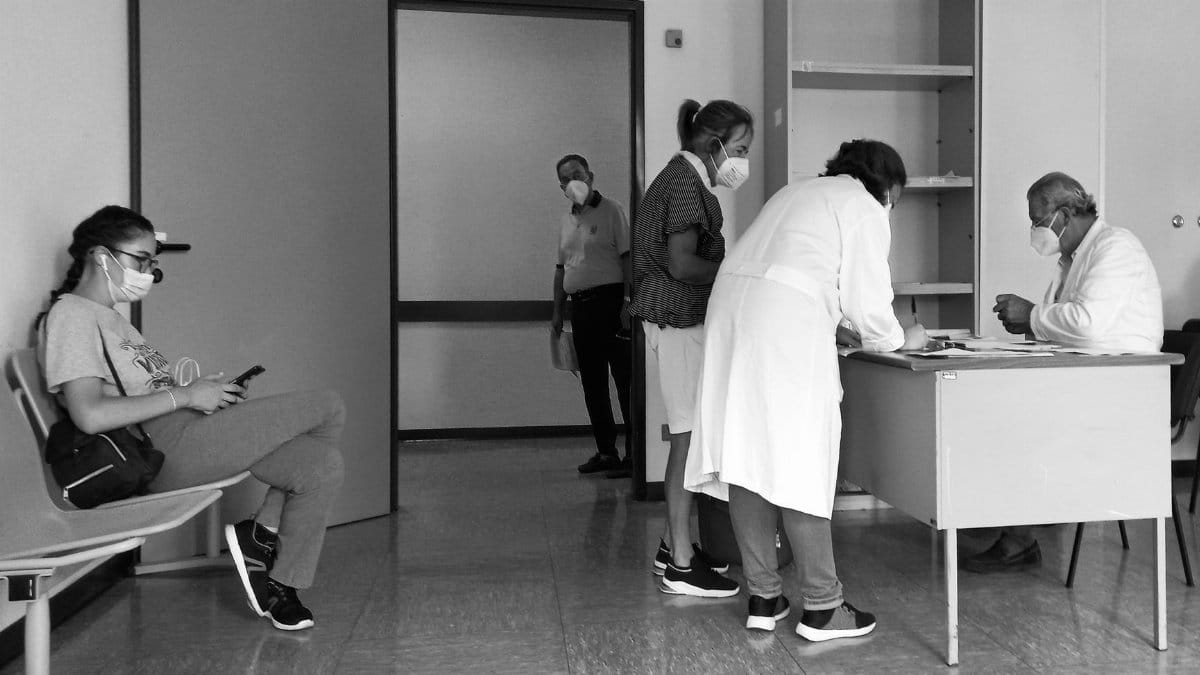
I have sat through enough municipal hearings to know that the most important person in the room is often not the one whose name is on the order. It is the heir who took a bus in from West Philadelphia, or the small landlord who sold nothing willingly and now cannot find the surplus. These are not abstract stakeholders. They are the reason disbursement rules exist. When an office says the money is complicated, that may be accurate. Complexity is not a license to go silent. A clear letter, a public ledger, and a phone line that reaches a person can keep a dispute from becoming a contempt case. Silence does the opposite.
Politics will try to swallow the ledger

Philadelphia does not do quiet scandals for long. Allies will frame the hearing as an attack on a reformer. Opponents will frame it as proof that the office cannot be trusted with a single deed. Both frames are tempting because they spare the listener the work of reading an accounting. The more useful question is narrower. Which proceeds were ready to pay, which were lawfully frozen, and what documents show the difference? If that question gets lost in rally language, the next sheriff, whoever it is, will inherit the same fog. Sheriff Bilal contempt should be argued in numbers and orders, not only in slogans.
A pattern larger than one official

Cities across the country have struggled with surplus funds after tax and foreclosure sales. Owners move. Heirs never learn a sale occurred. Old software cannot talk to new case systems. Staff who understood a particular account retire. None of that erases responsibility in Philadelphia, and none of it should be used to wave away $20 million. It does suggest that a fix limited to one hearing date will disappoint. Lasting repair usually means an independent reconciliation, a public report that a nonlawyer can read, deadlines the court can enforce, and a complaint path that does not require hiring counsel just to ask where a check is. Other counties have published claim portals for unclaimed sale proceeds. Philadelphia can study those models without pretending they absolve past delay.
What October 30 should clarify

Anyone following the case should listen for a few concrete answers. How much of the reported sum is identified by property and by payee? How much is disputed, and who is disputing it? What is the oldest unpaid file, and why is it old? What staffing or vendor failure produced the backlog, and what has changed since the court first raised the issue? A promise to do better is not a schedule. A schedule without names and amounts is not a schedule either. If Bilal arrives with a reconciliation that a judge can test, the hearing can become a turning point rather than a spectacle. If the answers stay general, the court will have reason to tighten its grip.
Trust is rebuilt in small, boring payments

Public trust in a sheriff does not return because a headline fades. It returns when a person who was owed money receives it, with a statement that shows the math. It returns when lawyers stop discovering, months late, that a file was never closed. It returns when the office can say, in plain language, which funds it is holding and why. That is unglamorous work. It is also the only work that matches the power the office holds. Selling someone’s house is among the starkest acts a local government performs. Paying out the result, on time and with a record, is the least the city can demand in return.
Sheriff Bilal contempt and the standard for the next year

Whatever the judge decides, the standard for the coming year is already visible. Claimants should not need a contempt motion to learn the status of their money. Council and the courts should not need rumors to learn the size of undisbursed proceeds. And the sheriff should not need a packed courtroom to treat disbursement as a core duty rather than a leftover task. Sheriff Bilal contempt will be remembered less for the phrase than for whether the money moves after the hearing. Philadelphia has heard enough explanations. It is entitled to an accounting it can check.
A reader’s short list before the gavel

If you own property in the city, if a relative lost a house to sale, or if you simply care whether court orders mean what they say, a few habits help. Keep sale notices and any letter about surplus funds. Ask, in writing, for the status of proceeds tied to a specific address. Watch whether the office publishes a method for unclaimed money that does not depend on insider knowledge. And read the outcome of October 30 for orders, deadlines, and dollar figures, not only for the temperature of the quotes. The law is blunt about this kind of power. When the government takes a house and keeps the proceeds in limbo, the burden of clarity sits with the government.
The quiet measure of the office

There will be statements after the hearing, and there will be arguments about whether the court was fair. Those arguments can wait. The quieter measure is already available to anyone willing to look past the noise. Did identified payees get paid? Did the books become something a judge, a lawyer, and a former owner can all read? Did the office treat delay as an emergency rather than as weather? Sheriff Bilal contempt is the name on this week’s docket. The lasting name of the episode will be whatever Philadelphia can verify when the checks, or the continued excuses, arrive.