
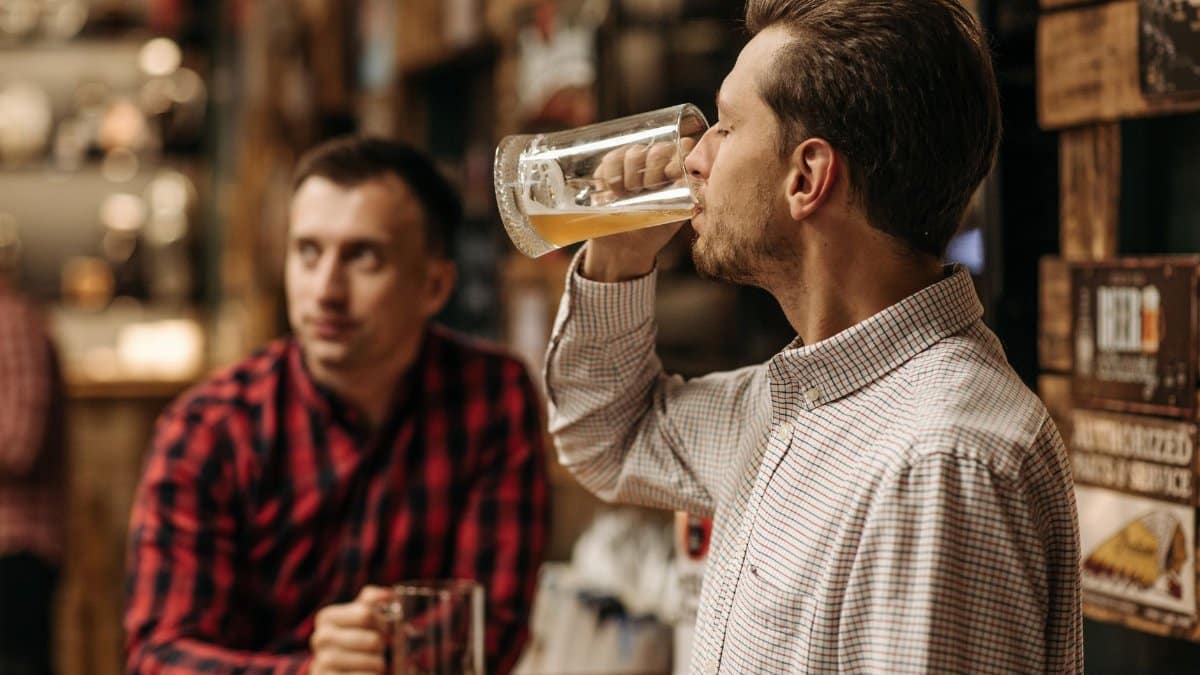
On a humid Thursday in Coral Gables, the early dinner crowd filled a sidewalk table before the streetlights came on. A server set down sparkling water with lime, a ginger beer, and one glass of wine for a party of four. Nobody made a speech about it. The choice simply looked ordinary. Across Miami Dade, Broward, and Palm Beach, that small scene is becoming more common, and it points to a larger shift: more residents are drinking less alcohol, not because a single campaign told them to, but because money, health, and social habit are pulling in the same direction.
A quieter order at the table
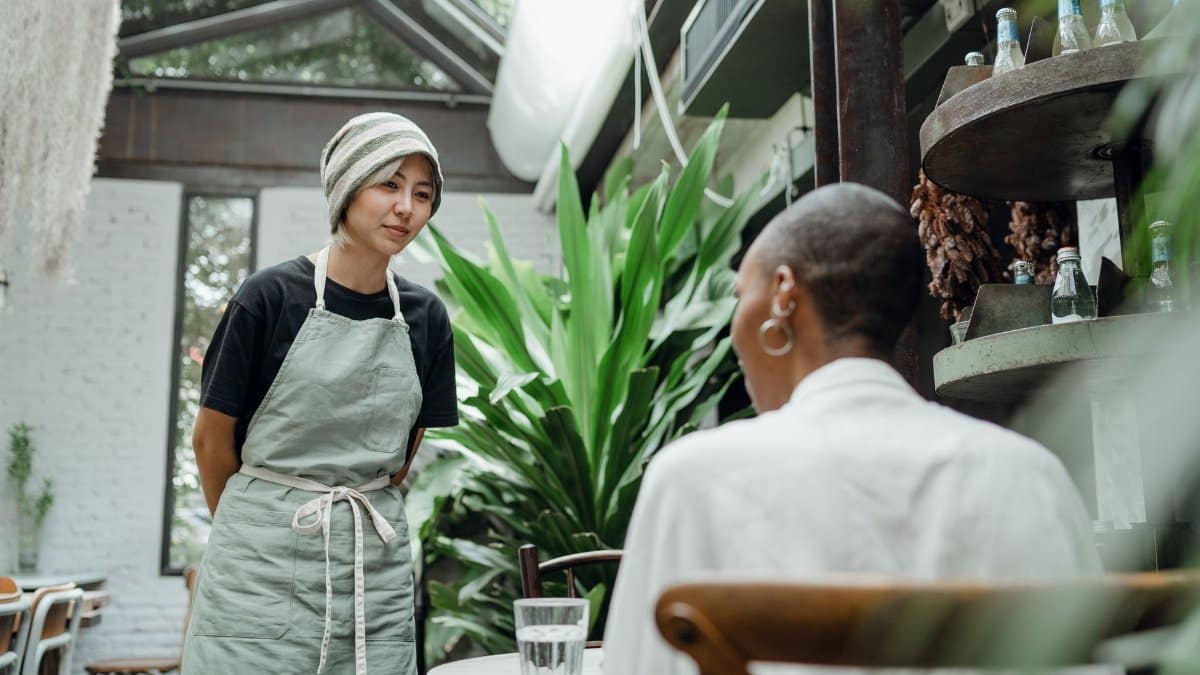
Bartenders from Wynwood to Fort Lauderdale describe the change in practical terms. Tables still linger. Celebrations still happen. What has thinned is the automatic second and third round. Guests ask what is fresh, what is low in sugar, and what will not leave them foggy on the drive home across a bridge or down Interstate 95. The old assumption that a night out requires a cocktail in every hand is losing force, especially among people who still want the restaurant, the music, and the company.
That does not mean South Florida has gone dry. Cruise terminals, beach clubs, and holiday weekends still move a great deal of beer, wine, and spirits. The newer pattern is selective. People drink on fewer occasions, stop earlier, or skip alcohol on weeknights and save it for a birthday or a visitor from out of town.
The check has become part of the decision

Housing, insurance, and groceries already strain household budgets from Homestead to Jupiter. A cocktail that once felt like a small luxury can now look like a line item worth questioning. In tourist corridors, menu prices rose with rent, wages, and the cost of imported spirits. A round for four can rival the price of the entrees. Residents who live here year round notice that gap more sharply than visitors who treat the bill as part of a vacation.
Servers say guests split one bottle instead of ordering two, or they start with wine and switch to water. Some hosts still pick up the tab, then wince when they see it. Cutting drinks is one of the few visible ways to shrink a night out without skipping the night out entirely. In a region where flood insurance and condo assessments dominate kitchen table talk, that arithmetic is not abstract.
Health messages that people can feel
National health authorities have spent years stating a plain fact: alcohol raises the risk of several cancers, liver disease, high blood pressure, and injuries, and no amount has been shown to be risk free. The Centers for Disease Control and Prevention summarizes those harms for the public at cdc.gov/alcohol. The National Institute on Alcohol Abuse and Alcoholism lays out consumption patterns and health effects at niaaa.nih.gov.
In South Florida those warnings meet a population that already talks constantly about sleep, blood pressure, and the next doctor visit. Heat makes hangovers feel worse. Early morning runs on the boardwalk, pickleball leagues, and cardiac rehab classes do not pair well with a late night of rum. People in their forties, fifties, and sixties often describe the shift in bodily terms rather than moral ones. They want a clear head for work, for grandchildren, or for a flight to see family. Drinking less alcohol, for them, is a maintenance decision, closer to skipping dessert than to joining a movement.
Younger adults rewrote the script first

The change is not only a story about aging bodies. Younger adults in Miami and the college corridors of Coral Gables and Boca Raton grew up with ride share apps, constant photos, and a wellness industry that treats a night of drinking as something to explain. Many still drink. Many also treat abstinence on a given night as socially acceptable in a way their parents did not.
Group chats decide the plan before anyone reaches the bar. If the plan is a gallery opening, a basketball game, or a late dinner after work, alcohol is optional rather than assumed. That habit travels upward. Parents notice what their adult children order and sometimes follow. A region built on nightlife is learning that nightlife can survive a lighter pour.
Restaurants learn to sell the hour, not only the pour
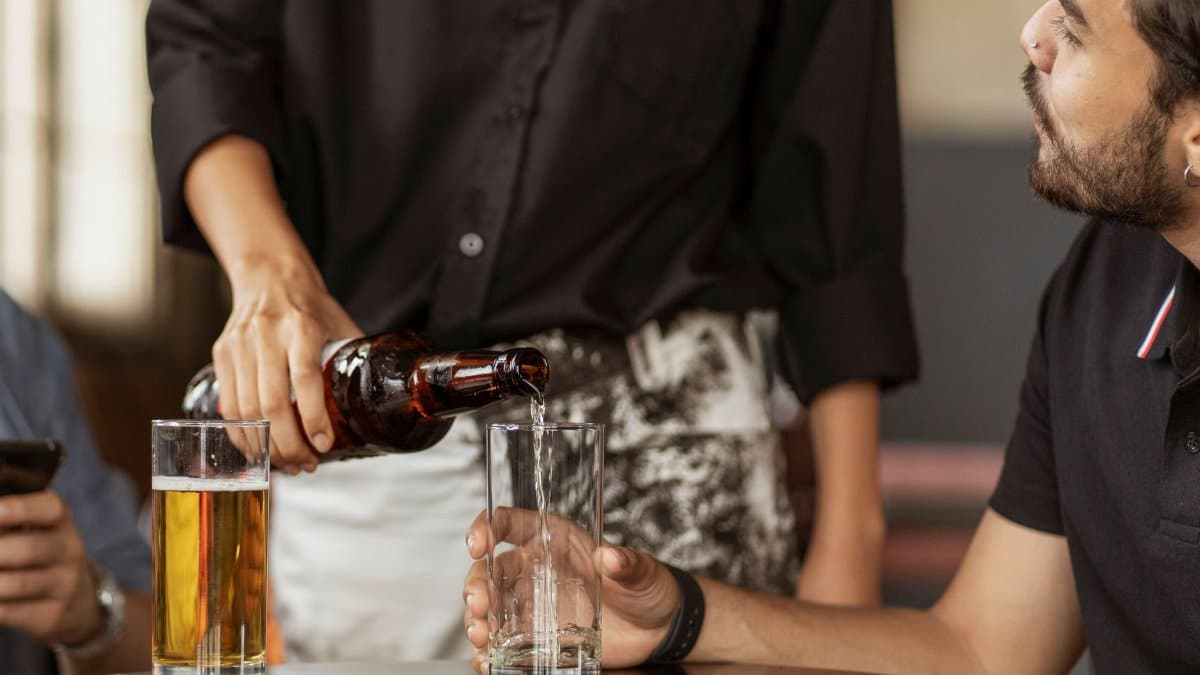
Owners who once counted on alcohol to carry the margin are adjusting without announcing a philosophy. Zero proof cocktails move from a reluctant afterthought to a designed section of the menu. Citrus, herbs, shrubs, and house sodas get the same glassware as the old standards. Wine lists shrink. Beer lists tilt toward smaller pours. Some dining rooms train staff to offer water first and to stop reading disappointment into a request for tea.
The business reason is straightforward. A guest who feels welcome with a complex nonalcoholic drink stays for dessert, comes back with a client, and does not feel policed. Places that sneer at the request lose the table to a competitor two blocks away. In neighborhoods where rents are unforgiving, repeat local business matters more than a single extravagant bar tab from a tourist who will not return until next winter.
Chefs talk about this the way they talk about dietary requests. The kitchen already builds plates for people who avoid gluten or eat only fish. The bar can build drinks for people who are drinking less alcohol without turning the meal into a lecture. Hospitality, in this reading, means matching the guest rather than defending an old ritual.
What replaces the cocktail
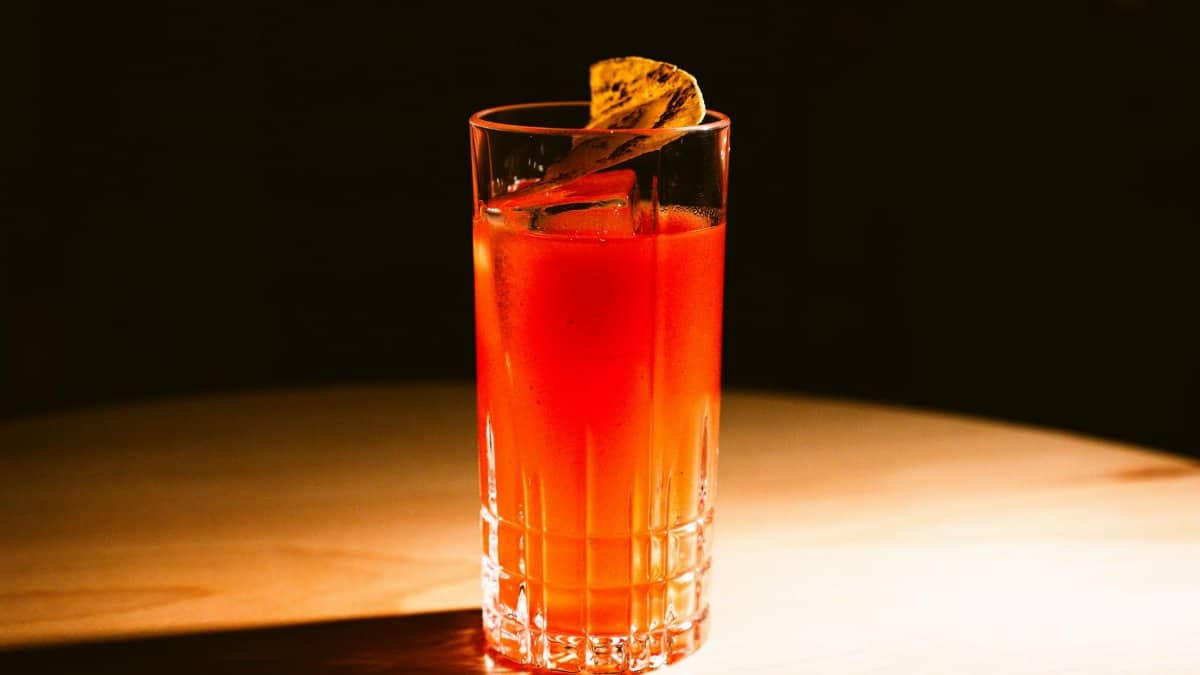
The substitutes are not all the same, and they are not all virtuous. A sugary mocktail can carry as many calories as a dessert. A strong coffee at 9 p.m. can wreck sleep as surely as a nightcap. The more interesting orders are simpler: mineral water, cold tea, a spritz of bitters in soda, a small beer split between two people, or nothing but the food.
Coffee bars and juice counters have absorbed some of the social hour that used to belong only to lounges. That is not a moral victory so much as a change in where conversation happens. People still want a place to sit, a reason to stay, and a drink that marks the shift from afternoon to evening. The glass no longer has to contain ethanol to do that work.
Friendship without the round
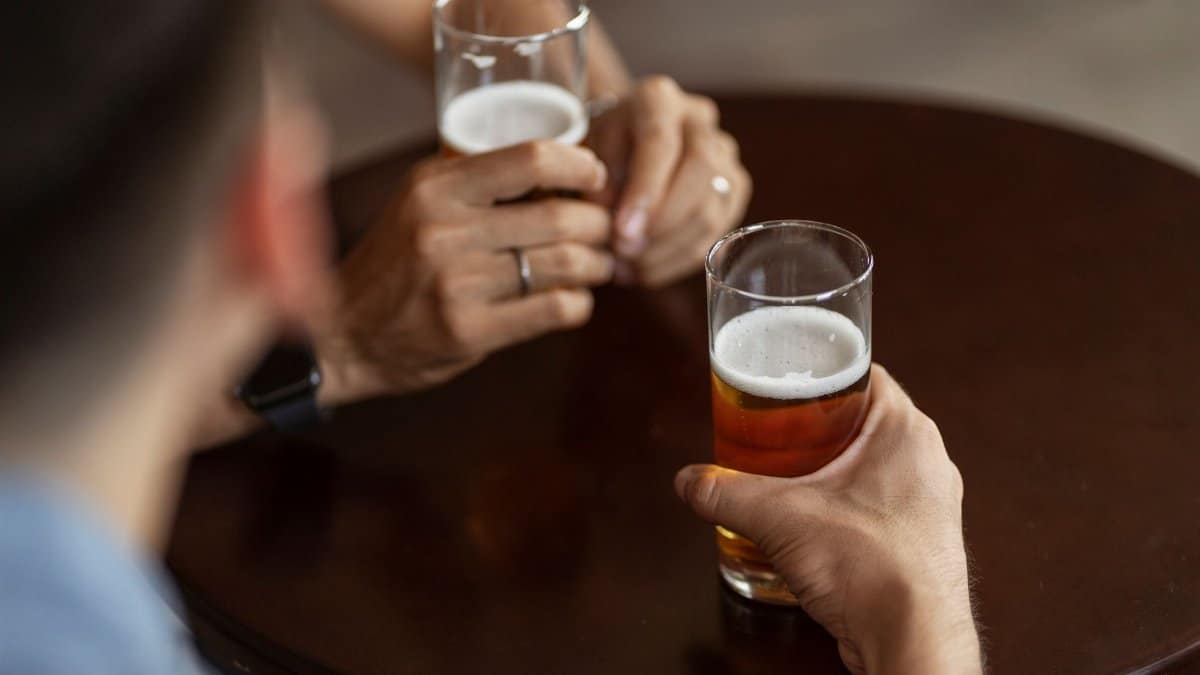
The harder part is social, not medical. In many families a refusal still invites a joke, a push, or a story about how someone else can handle liquor. South Florida adds its own layers: business dinners where a deal is expected to include wine, holiday tables where cousins fly in once a year, boat days where a cooler is the center of the gathering.
People who have cut back describe a short script that works better than a speech. They order first, they do not explain their liver, and they do not comment on what anyone else is holding. Hosts who stock interesting alternatives make the evening easier. Hosts who treat a full glass as a test of loyalty make it harder. Over time the test itself looks dated. Friendship survives the missing round more often than the anxious host expects.
Faith communities and the long habit of restraint

The category of spiritual life is not a side note here. Churches, mosques, synagogues, and recovery meetings across the region have long treated alcohol as a matter of discipline, charity, or survival rather than as a lifestyle accessory. Ramadan, Lent, and personal fasts already train people to step away from a daily drink and notice what the absence feels like. Some keep the pause. Others return, but with a narrower idea of what a normal week includes.
Recovery communities remain the clearest example of drinking less alcohol as a shared practice rather than a private diet. Meetings in church basements and community centers do not trend on social media, yet they shape neighborhoods quietly. Members bring relatives. Relatives change what they serve at home. The spiritual language varies. The practical result is similar: a week with fewer drinks, and a room where that choice does not need a defense.
Even outside formal religion, a hunger for meaning shows up in the same choice. People talk about wanting mornings that belong to them, attention they can give to a partner, or a conscience that is not bargained away at last call. That is not the same as piety. It is still a question about what a life is for.
What we can say without inventing a statistic

Local health departments do not publish a daily tally of every poured drink in Miami Beach or Delray Beach, and any single restaurant story can mislead. Tourism seasons spike sales. A rainy month or a big concert can do the same. A diner who skips wine on Tuesday may still drink heavily on Saturday.
What reporters, clinicians, and bar managers can see is a direction. More menus make room for abstinence. More guests ask. More middle aged residents connect the choice to blood pressure, sleep, and money. National data from health agencies support the medical half of that story even when a city has not yet produced a perfect local census. Honesty requires holding both facts: the culture is moving, and it has not moved evenly.
A pause, or a new normal
Whether the shift lasts will depend on price, on what doctors keep saying, and on whether restaurants keep treating a nonalcoholic order as a real order. If insurance and rent ease, some of the budget motive may fade. If a new nightlife trend glorifies excess, some of the social motive may fade too. Health guidance is less likely to reverse. Once people connect a drink to how they feel the next morning, that memory is hard to market away.
For now the evidence is on the sidewalk tables and in the rewritten menus. South Florida still knows how to celebrate. It is simply doing more of that celebrating with a lighter glass. Drinking less alcohol has moved from a private resolution to a public habit, visible in what people order, what kitchens prepare, and what friends no longer feel obliged to push. The humid night goes on. The conversation does too. The second round is no longer guaranteed, and for a growing number of residents, that is the point.