

In a season when every public sentence is sorted into a team jersey, Matthew McConaughey has again asked Americans to think before they line up. The phrase McConaughey independent voters now travels with his name across feeds, comment threads, and cable chyrons, less as a campaign slogan than as a dare. The actor, long rooted in Texas and once openly weighing a run for governor, urged people to show up for the midterm elections with a mind of their own. The reply was swift and sour. Partisans on both sides treated the appeal as naivete, concealment, or a soft advertisement for the other camp. What remains is a small civic argument with a very large audience: whether a call to independence is a virtue, an evasion, or simply bad politics dressed up as wisdom.
A Texas voice returns to the civic square
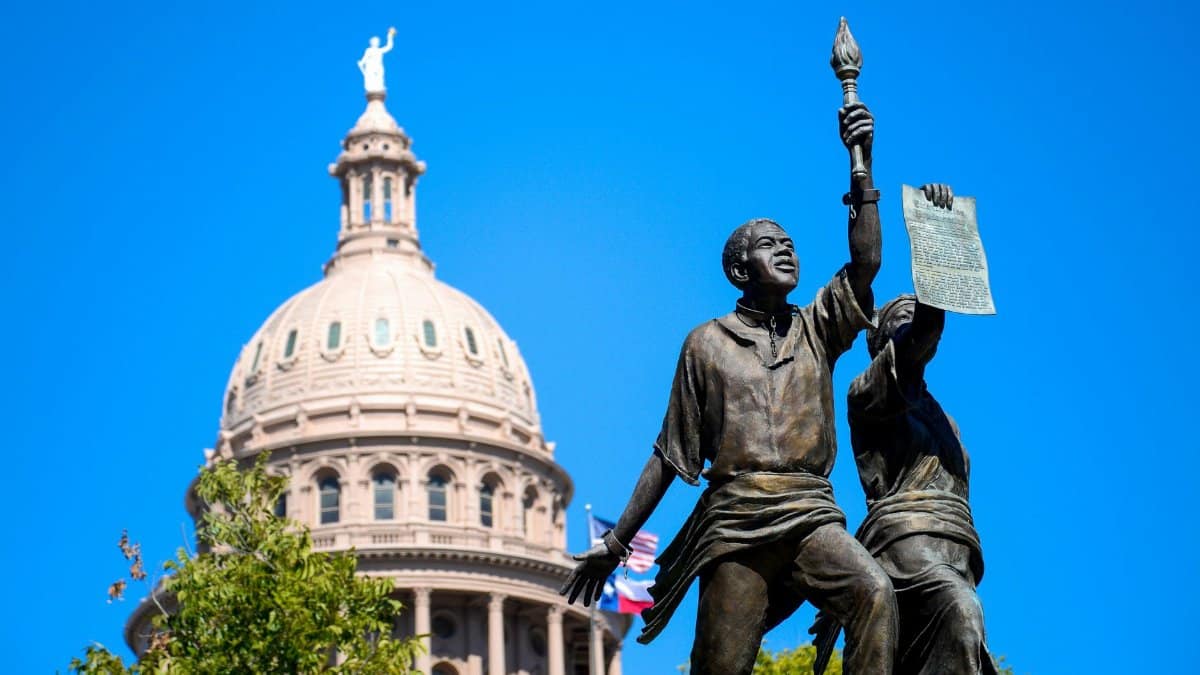
McConaughey has never been a conventional political figure, and that is part of the friction. He built a career on charm, then surprised audiences with heavier work, then stepped toward public life with a mix of homily and humor. When he spoke about a possible campaign for governor and later stepped back, he left an impression that has not faded in his home state. Texans know the drawl. They also know the gap between a famous neighbor and a candidate who must take hard votes.
That history matters now. A celebrity who once stood near the doorway of office is not heard the same way as a stranger offering a platitude. Some listeners hear continuity, a man still interested in how Texans and other Americans choose their leaders. Others hear a retreat, a preference for applause without the risk of a ballot with his name on it. Both readings can be true at once. The midterms do not require him to run. They do require voters to decide whether advice from a familiar face deserves more than a shrug.
The appeal that set the feeds alight

The core of the message, as it spread, was simple enough to fit in a phone screen and broad enough to anger almost everyone who wanted a clearer side. Show up. Refuse to rent your judgment to a party brand. Treat the ballot as a personal duty rather than a team ritual. In the shorthand of the moment, McConaughey independent voters became the label stuck to that plea, repeated by fans, critics, and aggregators who needed a phrase that would travel.
Simplicity is a gift and a trap. A short appeal cannot carry the footnotes that a serious voter might want: which races, which records, which tradeoffs on schools, borders, taxes, or courts. McConaughey did not, on the evidence of the backlash itself, hand people a slate. He handed them a posture. In ordinary life a posture can be admirable. In an election year it can look like a refusal to choose, which is itself a choice, and one that opponents are quick to punish.
Backlash from both ends of the aisle

The social media response did not arrive from a single direction. Progressive voices accused him of false balance, of smoothing over harms they consider urgent, of offering independence as a perfume for conservative leanings he has never fully disowned. Conservative voices accused him of the mirror image: a Hollywood sermon that flatters moderates while the real work of winning is done by people who pick a side and stay there. The comments were often cruel in the way comments are, mocking the accent, the past roles, the wealth, the right to speak at all.
That symmetry is worth noticing. When McConaughey independent voters circulates as an insult rather than a description, it reveals how little room the platforms leave for a third posture. The algorithm rewards heat. A call to slow down does not slow the replies. It becomes fresh fuel. People quote the line, attach a verdict, and move on, certain that hesitation is collaboration with the enemy they fear most.
Why independence sounds like betrayal

Party loyalty is not only a habit. For many Americans it is a moral map. To step off the map, even for a single race, can feel like abandoning neighbors who are counting seats, judges, and the next two years of policy. Independence, in that light, is not noble distance. It is luxury. The person with a comfortable life can afford to split tickets. The person who believes the other party threatens their rights cannot.
There is a fair point inside that anger. Abstract calls to think for yourself can ignore the stakes that make thinking feel like a luxury good. They can also ignore the work already done by local organizers who do not have film careers to fall back on. A famous man asking the country to be wiser will always sound, to someone, like a man asking the country to be more like him. The backlash is partly about that sound, not only about the sentence he posted.
The electorate that refuses a permanent label
Still, the audience he addressed is not imaginary. A large share of Americans tell survey takers they do not belong cleanly to either major party. Some are disengaged. Some are strategic. Some are simply tired of being drafted. They decide late. They split ballots. They stay home when both options feel dishonest. Campaigns spend fortunes trying to find them and then scold them for being hard to find.
Talk of McConaughey independent voters lands in that real population even when the online fight is conducted by the already convinced. The phrase flattens them. An independent in a Dallas suburb weighing school boards is not the same as an independent in a rural county weighing energy jobs, and neither is a costume for a celebrity. What they share is a refusal to let a national brand do all the thinking. That refusal can be lazy. It can also be the beginning of citizenship rather than the end of it.
Celebrity counsel and the suspicion it invites
Americans have a long quarrel with famous advisers. We invite actors, athletes, and musicians into the civic conversation and then resent them for accepting the invitation. The resentment is not baseless. Fame buys attention that a school board candidate cannot buy. Attention is a kind of power, and power without accountability invites suspicion. McConaughey is accountable to audiences and to his own reputation. He is not accountable to a constituency that can remove him in November.
Yet the alternative, a rule that only officeholders may speak, would shrink public life to a closed shop. Artists have always commented on the country that made them. The useful test is not whether the speaker is famous. It is whether the advice respects the listener’s intelligence. A vague hymn to independence fails that test if it substitutes mood for information. A reminder that parties do not own consciences can pass it, provided the speaker does not pretend the reminder is a full platform.
Conscience, not a church, in a political season
There is a spiritual thread in this argument, though not a denominational one. Many people still treat voting as an outward sign of an inward vow: a promise to tell the truth about what they see, even when their friends would prefer a simpler loyalty. That vow does not require a pulpit. It requires a willingness to be lonely for an evening, or for a news cycle, when the crowd wants a chant.
McConaughey’s public manner has often leaned on that older American register, the language of blessing, grit, and personal accounting. Critics hear branding. Listeners who are weary of rage hear something else, a request to recover a private standard before casting a public vote. The danger is that spiritual language can float above policy until it means nothing. The value is that it refuses to let politics become the only story a person is allowed to tell about right and wrong.
In that sense the fight over McConaughey independent voters is also a fight over tone. Can a civic appeal sound like an examination of conscience without sounding like a commercial for the speaker’s soul? The comments suggest many people have already answered no. A slower reading leaves the question open.
What the noise obscures about turnout
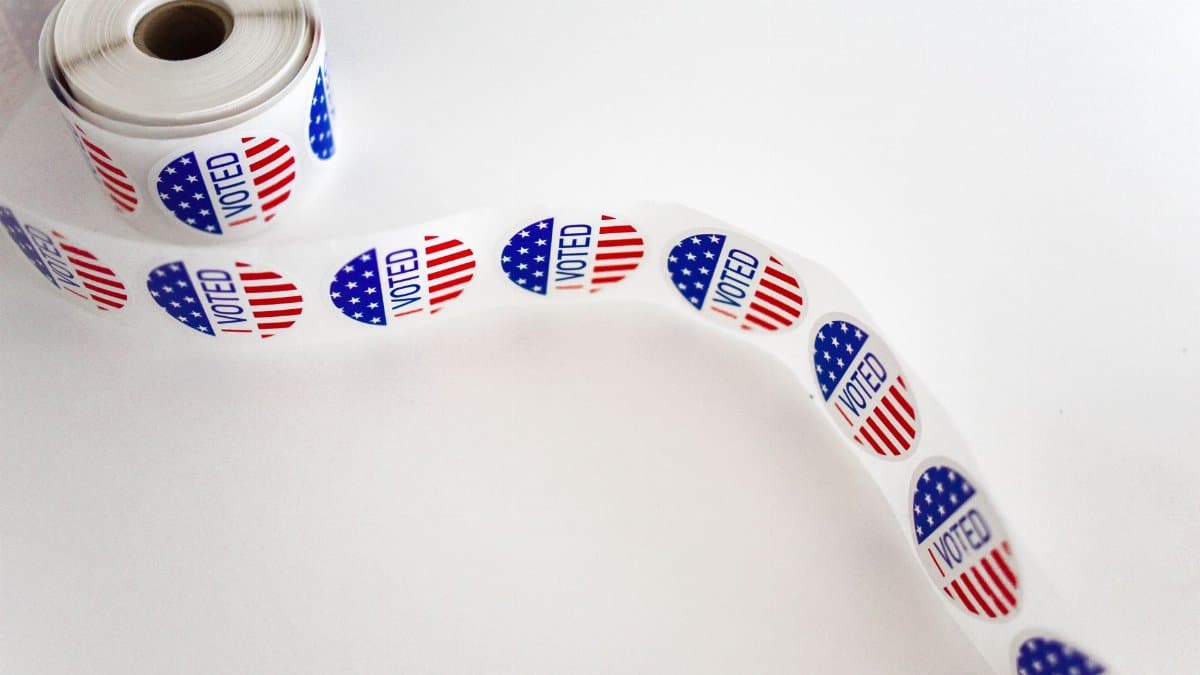
Midterm elections are decided less by viral verdicts than by who bothers to vote when the presidency is not on the ballot. Turnout falls. Local races, state courts, and congressional maps do quiet work that national shouting rarely explains. A message that gets people to look up their ballot, even if the message is imperfect, touches the part of democracy that actually moves.
Backlash can drown that practical point. Once a post becomes a personality trial, the original verb disappears. Vote becomes vibe. The argument shifts from whether independence is wise to whether the messenger is allowed to be wise. Meanwhile, registration deadlines pass. Sample ballots go unread. The platforms feel full, and the precincts do not.
None of this proves that a celebrity post raises turnout. It might do nothing measurable. It might even harden the already partisan and leave true swing voters unmoved. The honest claim is narrower. Attention is not the same as action, and scorn is not the same as a plan. Anyone serious about the midterms still has to do the unglamorous work the comments section will not do for them.
A narrower kind of courage

Courage in public life is often pictured as picking the unpopular team and standing there while the rocks fly. There is another kind, less photogenic: the courage to withhold a full endorsement until the facts of a race are in view. That second kind looks like weakness to people who have already decided. It can be weakness. It can also be the discipline of not lying to yourself for the sake of belonging.
McConaughey did not invent that discipline, and he does not own it. Voters practice it without his permission every cycle, sometimes badly, sometimes with care. What his moment illustrates is how quickly a culture of teams will police the border. Cross it, and you are not independent. You are suspect. The label McConaughey independent voters works as a headline because it joins a famous name to a category many partisans would like to shrink.
After the comments cool

The backlash will fade, as backlashes do, replaced by the next clip and the next offense. McConaughey will remain a star who sometimes speaks like a civic uncle and sometimes gets punished for the accent of that role. The midterms will be settled by millions of private decisions that no thread can fully capture.
A useful residue is possible if anyone wants it. Treat independence as a method, not a costume. Read the local ballot. Notice which claims survive contact with a public record. Accept that friends will disagree, and that disagreement is not always a moral emergency. Celebrity advice can start that process or distract from it. It cannot finish it.
The country does not need another sermon about how divided it is. It needs voters willing to be specific. Specific about schools, courts, wages, safety, and the people who would hold power in their name. If a familiar voice jolts a few of them out of autopilot, the jeers will have been the smaller part of the story. If it only feeds another round of team sport, then the critics will have been right about the limits of charm, and the ballot box will not have noticed the noise at all.