
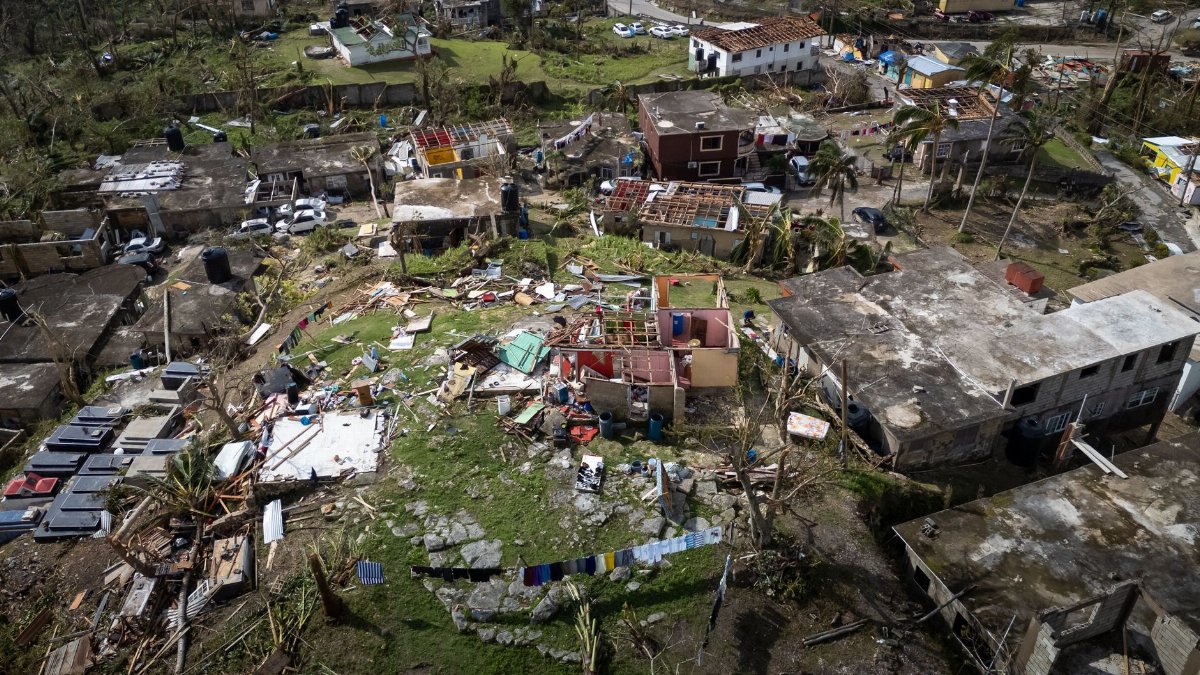
The lights in the port stayed on, but the usual morning trade had already thinned. Fishermen stood with hands in pockets, watching a line of cloud press in from the open Pacific, while bus drivers argued over whether the coastal road would stay open past noon. Farther inland, families moved chairs off patios and checked the drains that clog every rainy season. By October 25, 2026, the storm had lost hurricane status, yet Tropical Storm Vance Mexico was still the name attached to a wide field of rain aimed at the western shore. What remained was not a spectacle of eyewall winds. It was a slower threat, the kind that fills culverts, lifts rivers, and turns a routine week into a test of patience and preparation.
Wind drops and water does not
When a cyclone sheds its hurricane label, the public instinct is to exhale. That instinct is understandable and often premature. Vance had peaked as a Category 2 hurricane, a storm capable of tearing at roofs and shoving boats against piers. By the weekend in question it had weakened into a tropical storm, with a broader and less organized core. Forecasters still expected heavy rain and flooding for western Mexican states. The distinction matters in the language of warnings, and it matters less in a canyon where a creek can rise in an hour. Residents who have lived through Pacific seasons know the sequence. The wind eases. The sky stays closed. The ground, already wet from earlier bands, stops absorbing what falls next. Parents kept children indoors not because the gusts still roared, but because a street can hide its depth under brown water.
The geography of a Pacific approach
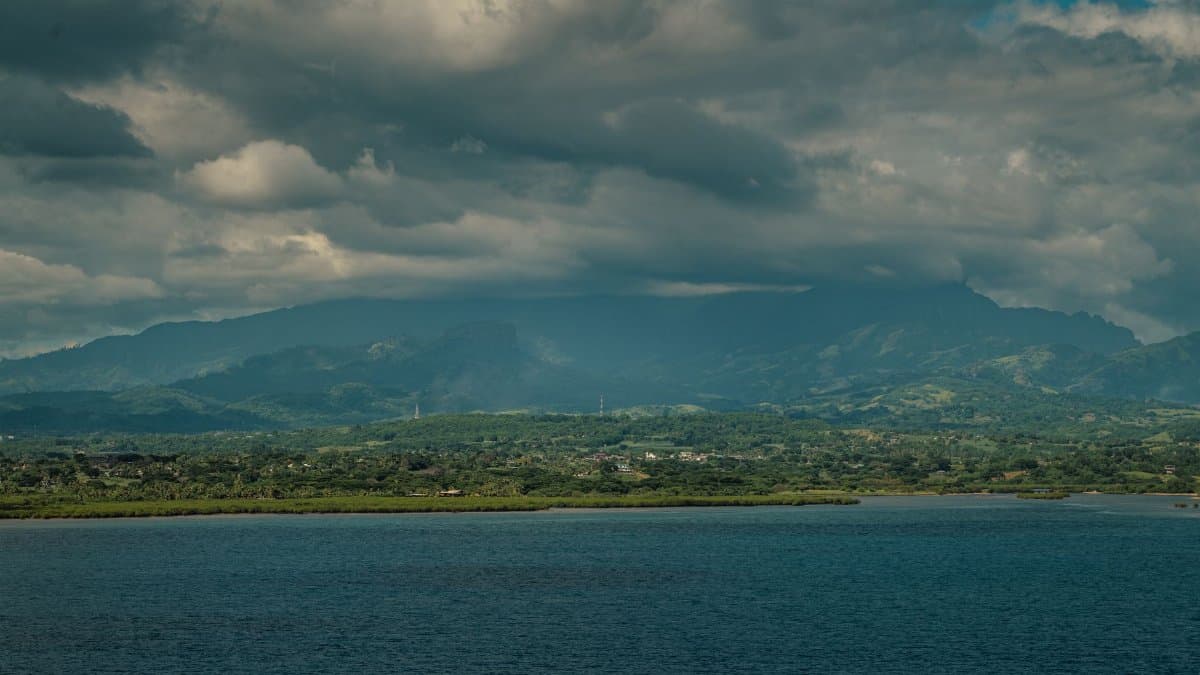
Mexico’s Pacific coast is not a single shoreline. It is a long arrangement of bays, tourist strips, fishing towns, and mountain slopes that climb quickly behind the beaches. A storm tracking offshore can still throw moisture into those slopes. Colima, Jalisco, Michoacan, Guerrero, and neighboring states sit in the usual conversation when a system curves near the mainland. Tropical Storm Vance Mexico did not need a direct landfall to justify that conversation. Even a glancing path can stack rain against the Sierra, where streams gather speed on the way down to the coastal plain. Highways that hug cliffs become the first to close. Hillside neighborhoods, built where flat land is scarce, watch for small slides that block a single street and isolate a dozen houses. Local officials watch those same slopes for the first sign that soil is moving, because a blocked lane can matter as much as a closed port.
What people actually do when the advisory changes

In Puerto Vallarta and smaller towns down the coast, the practical response looked ordinary, which is the point. Hotel managers moved guests away from oceanfront rooms. Market vendors covered produce. Schools weighed whether Monday would be a normal day. Civil protection offices, the local agencies that translate national forecasts into street level decisions, repeated a short list. Stay off flooded roads. Do not cross a wash that looks shallow. Secure loose tin. Charge phones while the power holds. None of this is dramatic. All of it is how a region absorbs a storm that no longer qualifies as a hurricane and still refuses to leave. The phrase Tropical Storm Vance Mexico circulated less as a headline thrill than as a schedule change: which road, which shift, which relative to call.
Reading the forecast without false comfort
A weakening storm can still expand its rain shield. That is a basic lesson of tropical meteorology, and it is the lesson that keeps emergency managers from retiring a watch the moment peak winds fall. As of October 25, 2026, the public picture was of a system past its strongest hours and not past its capacity to flood. Bands can arrive in pulses. A lull at midday does not promise a dry evening. People who leave a shelter or reopen a shop during a pause sometimes meet the next band on the drive home. Journalists covering these hours have a duty to match the tone of the science. Alarm that outruns the data helps no one. Reassurance that ignores saturated soil helps no one either. The honest report sits between those errors, specific about rain and restrained about spectacle.
Memory along this shore
The eastern Pacific produces a long list of names each season, and most of them never become household words far from the water. The ones that linger are remembered for rain more often than for a perfect satellite eye. Communities along this shore carry recent seasons in the form of repaired bridges, fresh paint on a washed out wall, and stories told at kitchen tables. Vance will enter that local memory according to what the rivers do, not according to the category it held at its peak. A Category 2 chapter can close while the flooding chapter is still being written. That imbalance frustrates people who want a single number to settle the question of danger. Nature does not offer that settlement. Neighbors compare this system with others by the height of a familiar creek, not by a chart printed in another country.
Tourism work and the cost of a closed day
October is a hinge month. Summer crowds have thinned, and some coastal economies depend on a last stretch of visitors before quieter weeks. A tropical storm does not have to make landfall to cancel excursions, ground small aircraft, and keep cruise schedules in doubt. For a waiter, a canceled table is not an abstraction. For a fishing cooperative, a day ashore is lost income and also a safety choice that veterans of the fleet rarely romanticize. The storm remaining threat sat in that ordinary economy. Leaders in western states urged patience, and patience has a price that does not show up in wind reports. Tropical Storm Vance Mexico, even in a diminished state, was capable of rearranging paychecks as surely as it rearranged the surf. Tour guides texted clients to postpone boats, and those messages were a kind of forecast too.
The infrastructure that meets the water
Drains, culverts, and river gauges do quiet work until they do not. Many coastal cities have spent years trying to clear channels before the wettest months. Informal settlements near ravines remain the hardest places to protect, because a warning only helps if there is somewhere to go and a way to get there. When forecasters speak of flooding for western Mexican states, they are also speaking of these uneven conditions. A modern hotel district and a hillside lane can sit a few miles apart and experience the same sky very differently. Power lines along exposed ridges flicker. Cell service thins. The advice to monitor official updates assumes a radio or a charged phone, which is why neighbors still knock on doors. That old method remains part of the safety net.
After the label changes

The headline that Vance was no longer a hurricane was accurate and incomplete. Accurate, because categories exist for a reason and the wind field had diminished. Incomplete, because the rain did not read the headline. In the days around October 25, 2026, the useful question was not whether the storm still deserved fear as a symbol. It was whether streams, slopes, and low roads would hold. Officials asked residents to treat lingering bands with the same respect they gave the peak. That request can sound fussy until a familiar street becomes a channel. Tropical Storm Vance Mexico belonged, in that sense, to a class of storms that teach humility. The name fades from international pages quickly. The mud on a doorstep does not.
What the next clear morning will reveal
Clearing skies will not settle every account. They will show which roofs held, which boats stayed tied, which fields took on too much water, and which families spent the night with relatives on higher ground. Reporters who arrive after the fact often find the story in small repairs: a shopkeeper sweeping silt, a teacher airing wet books, a road crew standing over a collapsed shoulder. Those scenes deserve plain description. They also deserve context. A tropical storm that once was a hurricane can exit the map and leave a week of consequences behind it. Western Mexico has absorbed many such weeks. Absorption is not the same as indifference. It is practice, built from forecasts, local knowledge, and the decision to wait one more hour before calling the road safe.