
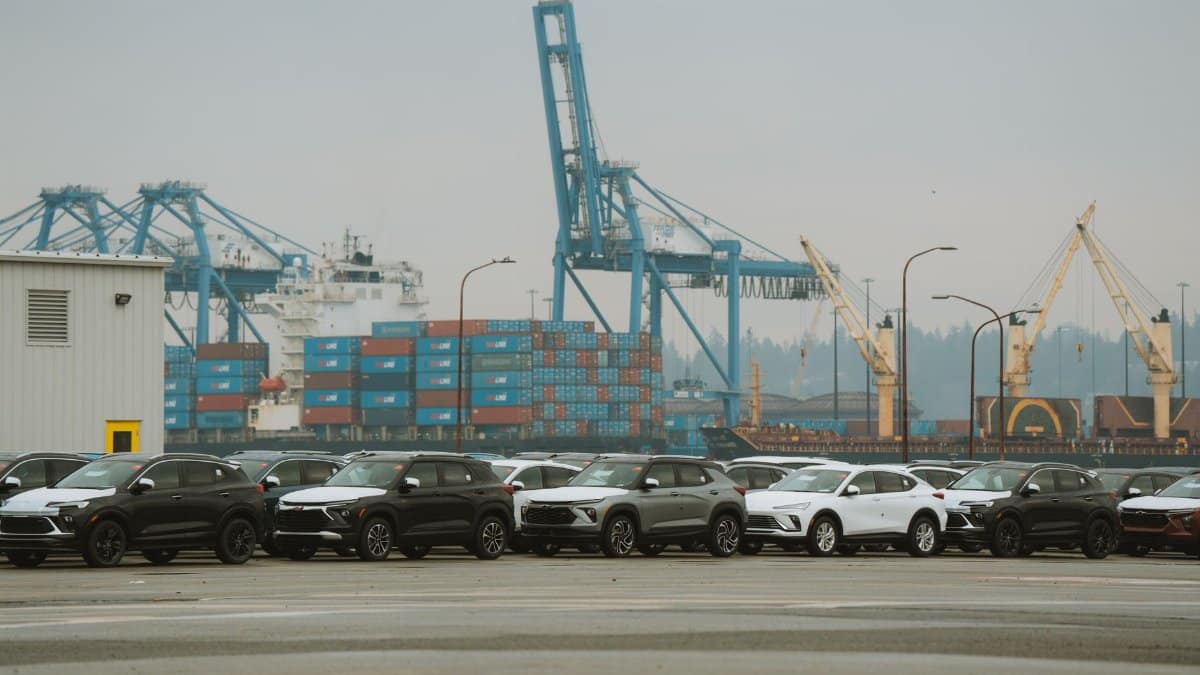
On a gray morning along the Delaware, the cranes already look large enough to rewrite a skyline. They lift boxes the size of small rooms, set them on trucks, and send fruit, furniture, and auto parts into a region that still thinks of itself as a place where things are made as well as moved. Into that picture comes a political promise with a very specific price tag. Gov. Josh Shapiro has pledged $371 million in state funds for what his administration calls the largest expansion in the history of the Port of Philadelphia, a Philly port expansion meant to double container capacity and open the door to thousands of jobs.
A number big enough to reset the argument

Three hundred seventy one million dollars is not a coat of paint on an old pier. It is the kind of sum that forces a city to decide what its river is for. According to reporting by the Philadelphia Inquirer, the pledge is framed as the largest expansion the port has ever undertaken, with a goal of doubling container capacity and supporting thousands of jobs. The paper’s account is here: Philadelphia Inquirer.
Readers should hold two ideas at once. First, public money on this scale can change what ships, railroads, and warehouses are willing to bet on. Second, a pledge is not a crane in the ground. Terminal work lives and dies in design, permits, procurement, and the unglamorous years when concrete cures and traffic plans get rewritten. The political announcement is the start of a story, not the ending.
What the money is supposed to buy

Ports do not expand in the abstract. They expand in berths, pavement strong enough for stacked steel, gates that do not choke at shift change, rail that can take a box off a truck, and power for equipment that used to burn diesel all day. Doubling container capacity, if the goal holds, means more than a longer finger of concrete. It means the terminal can receive more ships, turn them faster, and store more boxes without turning the yard into a parking lot with no exit.
Philadelphia already does work that casual visitors never see. Refrigerated cargo, automobiles, and breakbulk freight sit alongside the container trade that gets the headlines. A larger container business does not erase those other lines. It competes with them for land, labor, and political attention. The test of this Philly port expansion will be whether the port grows the box trade without treating cars, fruit, and project cargo as leftovers.
Cars, boxes, and cranes that do not clock out
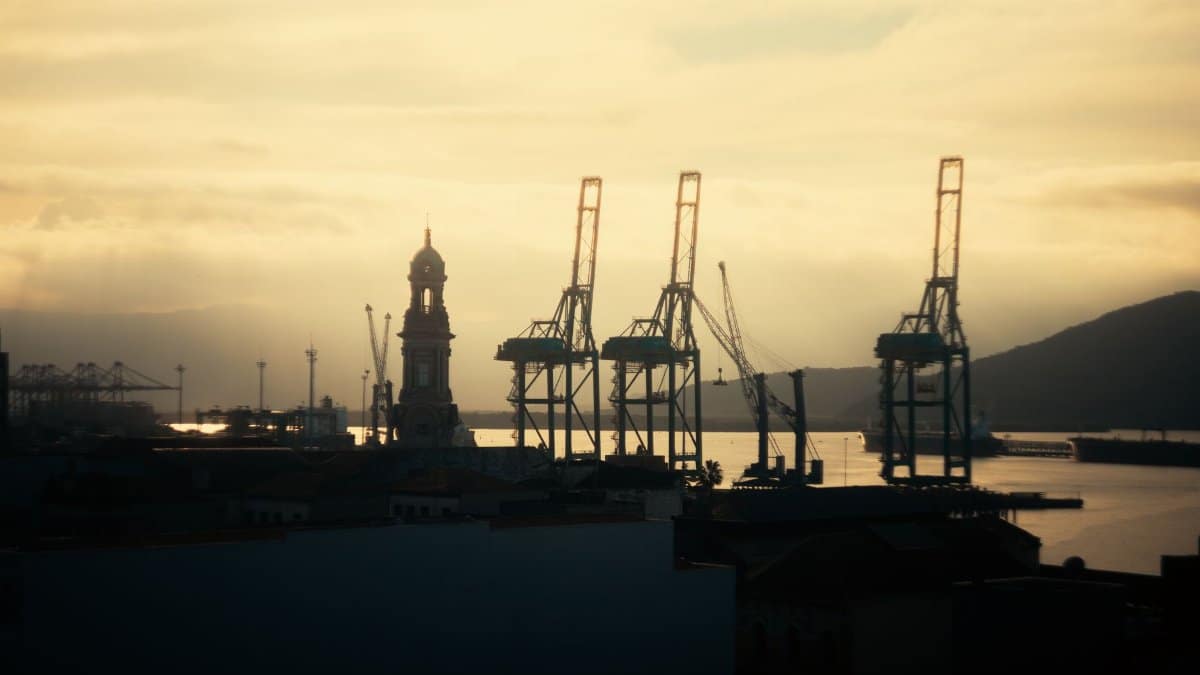
The title of this moment could be written in three objects: cars, containers, and cranes. Automobiles arrive as rolling cargo and leave as dealer inventory. Containers arrive as anonymous rectangles and leave as store shelves, factory inputs, and the odd couch someone ordered on a phone. Cranes are the machines that make both businesses possible, and they are also the easiest symbol for a governor to stand beside.
Symbol is not the same as throughput. A new crane raises the ceiling on what a berth can do. It does not, by itself, clear a truck queue on a Friday afternoon or find a chassis when every chassis in the region is spoken for. Shippers remember the hour they lost, not the rendering they were shown. If Philadelphia wants a larger share of East Coast boxes, the dull machinery of the gate matters as much as the steel in the air.
Jobs that start at the gate and do not end there

Thousands of jobs is the phrase that travels farthest from a podium. It should also be the phrase examined most carefully. Port employment is real, and it is not one kind of work. Longshore labor, mechanics, crane operators, truck drivers, warehouse crews, security, and the office staff who book the vessels all sit in different wage bands, different unions or none, and different geographies. Construction jobs arrive first and leave. Operating jobs, if the cargo actually comes, can last for decades.
A fair accounting would separate those categories in public, with ranges rather than a single triumphant total. It would also say where the jobs are likely to sit. Some will be on the waterfront. Many more, if the pattern of modern logistics holds, will be in warehouses along highways that most residents never think of as part of the port. That is not a reason to dismiss the claim. It is a reason to ask who is being hired, at what pay, and with what path into the work.
An East Coast that is not waiting its turn

Philadelphia is not expanding into an empty ocean. The Port of New York and New Jersey remains the heavyweight of the northern East Coast, with rail reach into the interior that smaller neighbors envy. Baltimore and the Port of Virginia have spent years selling themselves as efficient alternatives when New York is crowded, expensive, or simply full. Savannah and Charleston pull cargo farther south. A ship line does not owe Philadelphia a call because the state wrote a large check.
What a line does owe its customers is reliability. If Philadelphia can offer a berth window that holds, a gate that moves, and a cost that makes sense for cargo bound for Pennsylvania, New Jersey, and the near Midwest, some of that cargo will shift. If it cannot, the new concrete will host the same ships on a nicer apron. The competitive map is the part of this story that no state press release can redraw by itself.
Depth, turning basins, and the ships that fit
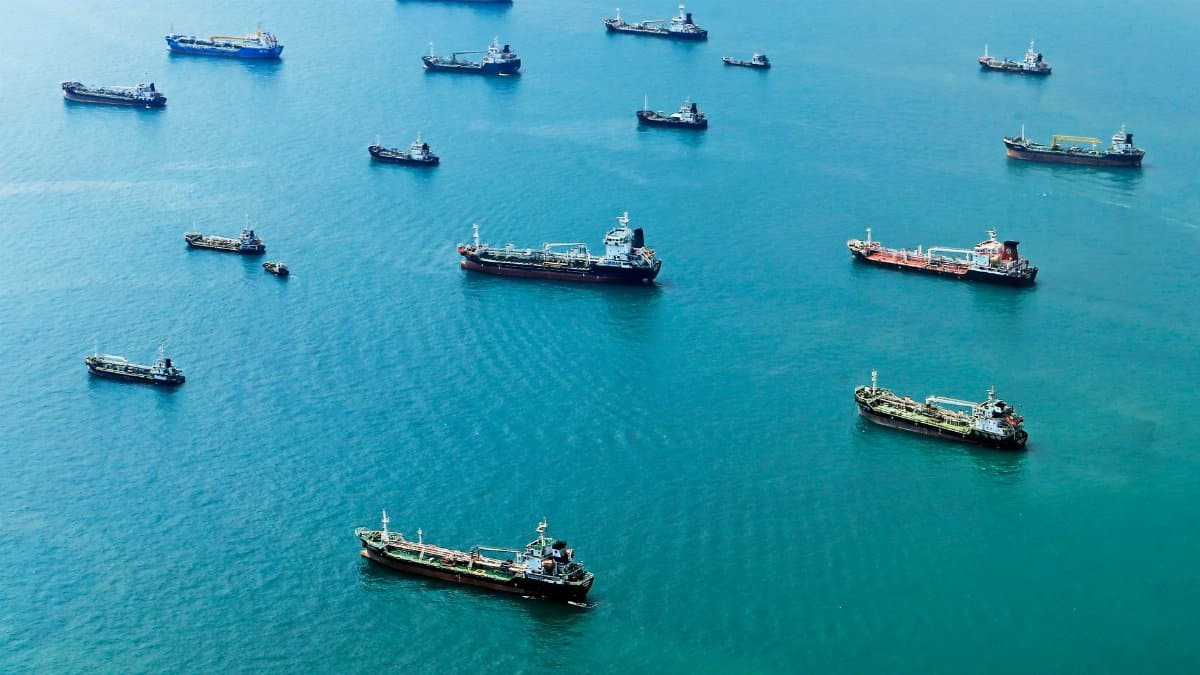
Terminal money and channel money are cousins, not twins. A state can fund yards, cranes, and gates. The federal government, through the Army Corps of Engineers and a long appropriations process, has the lead role in keeping a shipping channel deep enough and wide enough for the vessels lines actually deploy. Bigger ships are not a fashion. They are how carriers spread fuel, crew, and capital across more boxes.
Philadelphia’s river geography is both gift and constraint. The Delaware offers a long commercial waterway and a history of maritime work. It also imposes drafts, tides, bridges, and turning room that naval architects do not negotiate with. Any serious Philly port expansion has to be read beside those physical limits. A terminal built for ships that cannot reliably reach it is a monument. A terminal built for the ships that can, and turned fast, is a business.
The neighborhoods that share the river
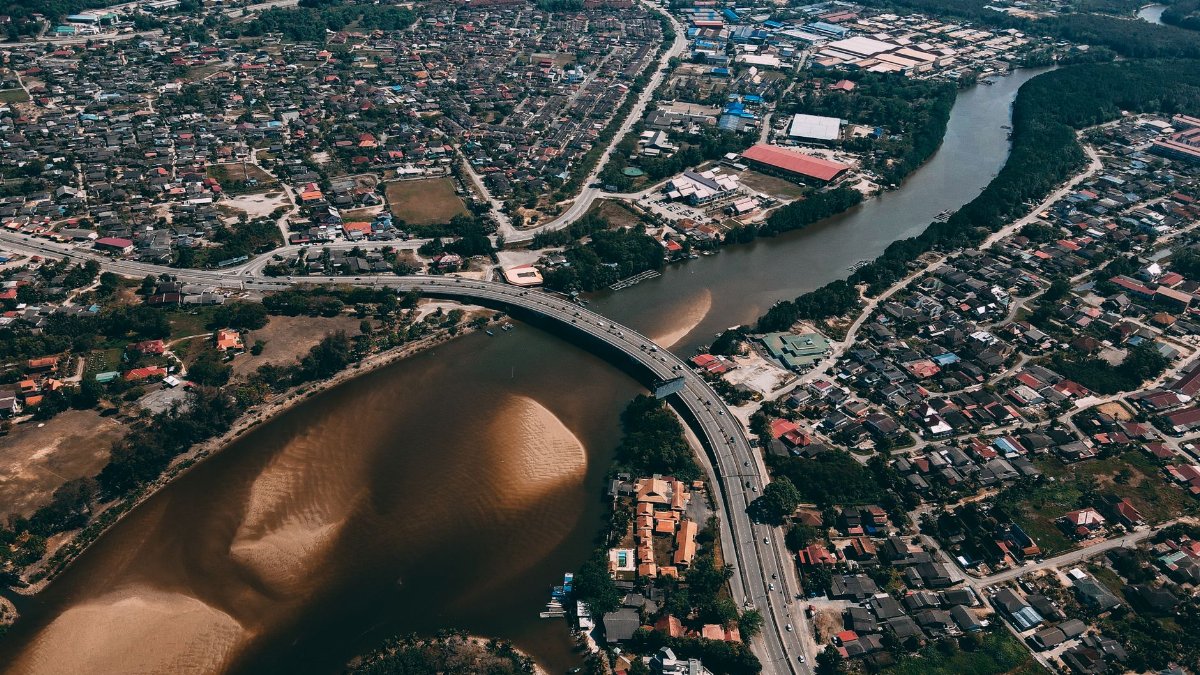
South Philadelphia has lived with the port longer than most of the people now debating it have been alive. That history includes paychecks and it includes diesel, night noise, and trucks on streets that were not drawn for modern logistics. Expansion that ignores those facts will meet a public that has heard the jobs speech before.
The useful questions are local and specific. Which streets take the new truck volume. What hours the gates run. Whether rail can pull boxes off local roads. How the port and the city measure air around the fence line, not only in a regional average that flatters everyone. None of this is anti trade. It is the price of putting an industrial machine next to homes. A project that budgets for community mitigation as carefully as it budgets for steel will be harder to caricature, and easier to finish.
Weather is now part of the capital plan

A working river is also a river that floods, heats, and occasionally shuts a terminal because the wind will not let a crane operator see the corner of a box. Heavier rain, higher water, and longer hot seasons are not side essays for a port story. They are operating conditions. Outdoor labor in extreme heat is a safety issue with a schedule attached. Electrical gear, reefer plugs, and storm drainage are capital items, not amenities.
Investing in a larger yard without asking how that yard behaves in a bad tide is a way to buy fragility at scale. The same is true of the roads and rail that feed it. Resilience here does not mean wrapping the waterfront in abstract language. It means pumps, elevations, backup power, and a plan for the day the river is higher than the drawing assumed.
Shippers keep score in minutes

Importers and exporters will not tour the new pavement out of civic pride. They will ask a short list of questions. Can my vessel get a berth. How long does it sit. What does it cost to move a box to my warehouse. Is there enough labor on the days I actually ship. Do the railroads want this cargo, or will my freight sit for a connection that exists only on a map.
Those questions are why the Philly port expansion will be judged in operating data, not in renderings. Dwell time, truck turn time, crane moves per hour, and the share of boxes that leave by rail are the numbers that decide the next service call. If state leaders publish those figures as the project comes online, the public can tell a success from a subsidy. If they publish only job claims and photos, the public should assume the interesting numbers are less flattering.
Permits, piles, and a construction calendar
Large marine projects slip. They slip because the riverbed is not the drawing, because steel prices move, because a protected species or a utility line appears where the schedule did not expect it, and because public bidding is slow on purpose. None of that is scandal by itself. It becomes a problem when officials talk as if the doubled capacity arrives with the press conference.
A grown up timeline would name phases. Design. Environmental review. Bid. In water work, which weather can halt. Upland yards. Crane delivery, which depends on factories and ships of its own. Gate and systems testing. The first commercial call on the new footprint. Residents and shippers can plan around a sequence. They cannot plan around a vibe.
What would count as keeping the promise

The honest finish line is not a ribbon. It is a port that handles roughly twice the containers it handles now, with a labor picture that matches the spirit of the jobs claim, and with truck and air impacts that the surrounding city can document rather than merely endure. It is also a port that still moves the cars and refrigerated cargo that gave Philadelphia a reputation before the container boom became the only story anyone wanted to tell.
I have stood on enough waterfronts to know that cranes photograph better than gate queues. The photograph will come. The question is whether, a few years after the $371 million has been spent or folded into a larger stack of funds, a dispatcher in the Midwest routes a box through Philadelphia because it is the sensible choice. That is a smaller sentence than a governor’s pledge. It is also the only sentence the market will bother to read.
A regional bet, not a local ornament

Pennsylvania is putting state money on a waterfront that serves more than one city and more than one state. New Jersey shares the river. The broader mid Atlantic shares the highways. If the expansion works, the benefits will leak across those lines in the form of cheaper, faster freight and a deeper bench of logistics work. If it struggles, the costs of a missed bet will sit mostly with the taxpayers who funded it and the neighborhoods that absorbed the traffic.
That is the scale at which the Philly port expansion deserves to be covered: not as a monument to momentum, and not as a punch line about public works, but as a wager on whether this river can still compete for the ordinary goods that keep a region employed. Cars, containers, and cranes are the visible pieces. The invisible piece is trust, earned one vessel at a time.