
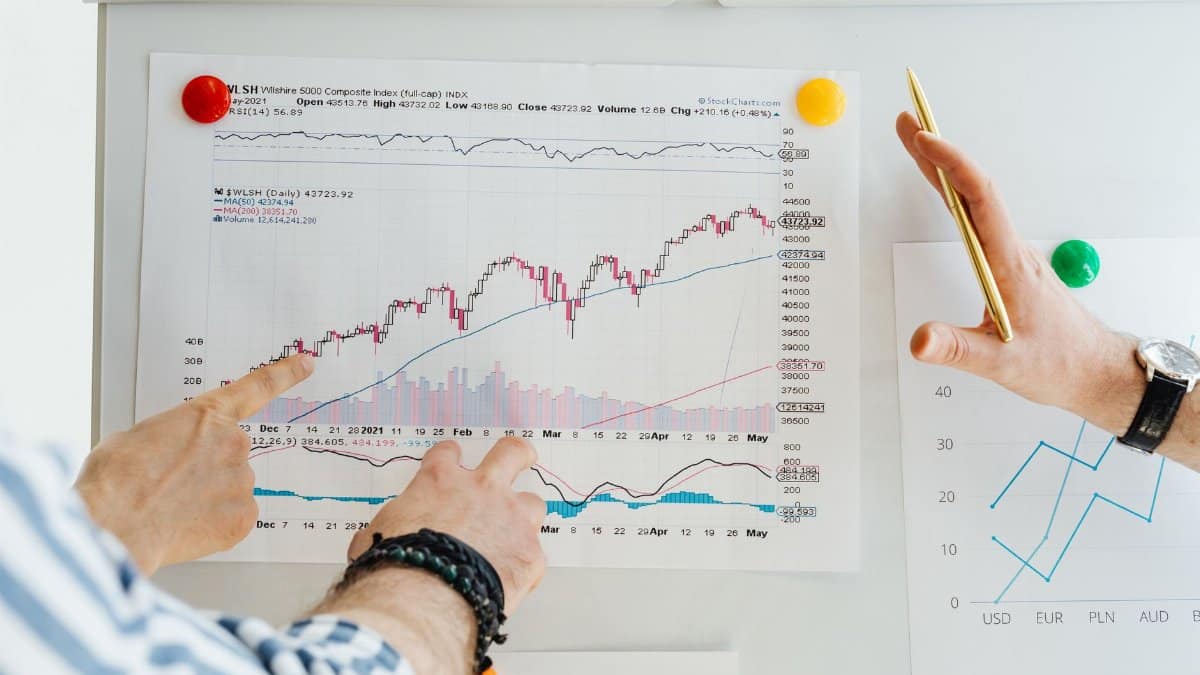
Monday opened with a quieter tone in energy markets and a firmer one in equities, a combination that often signals relief rather than celebration. World shares oil prices moved in opposite directions as stocks in much of the world advanced and crude slipped more than 1 percent after a climb last week that had pushed benchmarks to multi year highs. The session followed a decline on Wall Street, yet buyers returned in Europe and parts of Asia, treating the pullback in oil as a modest gift to households and companies that had been bracing for another stretch of expensive fuel. October 26, 2026 did not erase the worries that sent American shares lower. It did show how quickly sentiment can shift when the price of a barrel stops rising.
Europe sets the pace

European indexes led the gains, a pattern that stood out after several sessions in which the region had looked hesitant. Banks, industrial firms, and consumer companies found buyers, and the mood in London, Paris, and Frankfurt was steadier than the close in New York the previous week. Traders described the move as selective rather than euphoric. Shares rose where earnings still looked defensible and where a slightly cheaper barrel of oil could protect margins.
The advance was not uniform. Some exporters that benefit when energy is scarce and costly gave back a portion of recent strength. That split is familiar. A falling oil price is not a blanket blessing. It helps airlines, shippers, chemical makers, and retailers that pass fuel costs into prices. It can weigh on producers and on the service firms that ride their spending. Monday favored the first group more than the second, which is one reason broad indexes could rise even as energy names lagged.
A retreat in crude after last weeks climb

Oil prices fell more than 1 percent, a notable step down after last week carried major benchmarks to levels not seen in several years. The decline did not undo that climb. It interrupted it. In commodity markets, a pause after a sharp run often matters as much as the run itself, because it forces investors to ask whether the move was about scarce supply, strong demand, or a rush of speculative money.
Nothing in a single morning settles that question. Storage data, shipping routes, refinery runs, and the pace of factory orders all take time to speak. What Monday offered was a reminder that last weeks highs were not a ceiling the market had agreed to defend. When prices ease after such a stretch, equity investors tend to read the tape as a small reduction in inflation risk, at least for the near future. Bond traders watch the same numbers and ask whether central banks will feel any less pressure to stay restrictive.
Wall Street still casts a shadow

The global session began in the shadow of a decline on Wall Street. American shares had slipped as investors weighed rich valuations against an energy market that had been heating up. That combination is uncomfortable. Expensive stocks can absorb bad news for a while, but a jump in oil revives an old fear: that costs will rise again just as companies are trying to protect profits and households are trying to keep spending.
Monday did not reverse the American close. Futures and early commentary suggested caution rather than a rush to buy everything that had fallen. The rest of the world, though, did not simply copy New York. When oil eases, markets outside the United States sometimes treat the news as more important than the previous session on Wall Street, especially if local companies are heavy users of fuel and light holders of the technology shares that dominate American indexes.
Asia offers a mixed reply

Asian trading was less decisive. Some markets advanced with Europe. Others stayed flat or slipped, reflecting local concerns that a global oil story cannot erase. Exporters watched currencies. Importers of crude watched the barrel. In economies where fuel subsidies or regulated prices cushion households, a 1 percent move in oil barely registers on the street. In economies where pump prices move quickly, the same move can change the weekly conversation.
That difference helps explain why a headline about advancing world shares can sit beside a more complicated regional picture. Indexes are averages. They hide the firm that just locked in expensive fuel for the winter and the firm that will benefit if the decline continues. Readers who follow only the broad number miss the argument happening underneath it.
Why cheaper oil can lift shares
The link between energy and equities is not mysterious, even if it is easy to overstate. Oil is an input. When it rises fast, it acts like a tax on transport, manufacturing, and travel. When it falls, some of that tax comes off, at least on paper. Companies get a little more room in their cost forecasts. Consumers keep a little more of each paycheck if gasoline and heating bills stop climbing. Investors, who spend much of their time guessing at future profits, mark those possibilities up.
There is a catch. If oil is falling because demand is cracking, cheaper crude is not good news. It is a symptom. Monday did not look like that kind of day to most observers in Europe. The decline followed a surge to multi year highs, which makes a pause easier to read as profit taking in the commodity itself rather than a sudden stop in the real economy. Still, the distinction is fragile. A few weak factory reports can turn a welcome dip into a warning.
Inflation watchers take note

For two years and more, inflation has been the argument underneath almost every market move. Oil is only one part of that argument, but it is the part households notice first. A slide of more than 1 percent will not rewrite official price indexes. Those indexes move slowly and include rent, food, and services that have little to do with a barrel of crude. Even so, traders treat energy as a signal because it can change expectations before it changes the data.
Central banks do not set policy on a Monday tick. They do listen when energy stops adding to the case for tighter money. If last weeks highs had held and extended, the conversation in bond markets would have turned harsher. The ease in crude gave that conversation a pause. Whether the pause lasts depends on supply disruptions, winter demand, and the willingness of producers to keep output steady. None of those forces announced themselves in a single session.
Currencies and the cost of imports

Oil is priced in dollars for much of the world, so a decline in crude interacts with exchange rates in ways that equity headlines rarely capture. A country whose currency has been weak may see only a muted benefit at the pump even when the global barrel falls. A country whose currency has been firm may feel the decline more fully. That is why the same commodity move can look generous in one capital and irrelevant in another.
On days like this, currency desks and equity desks are reading the same story with different pencils. Share buyers ask which companies import fuel and which companies sell it. Currency traders ask whether a softer oil price will ease pressure on nations that must buy energy abroad. When both desks lean the same way, world indexes can rise together. When they disagree, the advance looks broad on a screen and narrow in practice.
What companies are saying

Corporate commentary around this kind of session tends to be careful. Executives do not rebuild annual plans because crude moved a little more than 1 percent. They do update the language they use with investors. A manufacturer that spent the prior week warning about energy costs can sound less urgent. An airline can talk about fuel hedges with a slightly lighter tone. An oil producer can emphasize discipline rather than celebration.
Earnings season, whenever it falls relative to a move like this, becomes the test. Guidance matters more than the morning quote. If companies confirm that demand is holding and that costs are no longer accelerating, the equity advance has something to stand on. If they reveal that orders are slowing, the cheaper barrel will not be enough. Markets have a habit of celebrating the input and ignoring the customer until the customer speaks.
The limits of a single session

It is tempting to treat Monday as a verdict. World shares oil prices offered a clean picture: stocks up, crude down, Europe in the lead, Wall Street still a recent negative. Clean pictures are useful for a day and misleading for a month. Last weeks climb to multi year highs did not vanish because one session went the other way. The decline on Wall Street did not vanish because Europe found buyers. Both facts remain in the tape.
Investors who have lived through energy spikes know the pattern. Relief rallies arrive, commentary turns constructive, and then a headline about supply or geopolitics puts the barrel back on an upward path. The responsible reading is narrower. On October 26, 2026, the balance of trading favored shares outside the United States and favored users of fuel over producers. That is a description of a day, not a forecast.
How households feel the same news

Market columns often forget the person filling a tank or paying a heating bill. For that person, a move of more than 1 percent is small. It does not change the monthly budget in a dramatic way. What changes the mood is the direction after a scare. When prices have been climbing toward highs not seen in years, even a modest decline can feel like a held breath released. Confidence is not the same as cash, but confidence affects whether families postpone a purchase or go ahead.
That is the quiet channel from commodity markets into the real economy. Shares rise in part because investors believe that channel is open. If the decline in oil stops at the trading screen and never reaches retail prices, the belief will fade. If it does reach the pump, the Monday advance will look, in hindsight, like an early and reasonable guess.
What traders are watching next

The next tests are ordinary and therefore easy to underestimate. Inventory reports will show whether last weeks strength in oil reflected tight physical markets or positioning that can unwind. Company results will show whether demand is sturdy enough to justify the prices equity investors are willing to pay. Central bank speakers will show whether they treat the energy pause as noise. Currency moves will show whether dollar strength is amplifying or muting the decline for importers.
None of those tests requires a dramatic theory. They require attention. A market that rose because oil fell can fall again if oil reverses, or it can keep rising if earnings confirm that the economy is absorbing higher costs without cracking. The range of outcomes is wide, which is another way of saying that Monday settled less than the headlines suggested.
A calmer reading of a noisy tape

There is a style of market writing that turns every session into a morality play, with winners, losers, and a lesson for the ages. This session does not support that style. World shares oil prices simply diverged in a way that has a plain explanation. Shares in much of the world advanced after a rough finish in the United States. Oil, having climbed last week to multi year highs, fell more than 1 percent. Europe led. Asia was mixed. The reasons are practical: cheaper fuel helps more listed companies than it hurts, and investors were ready for a reason to buy after a decline.
The harder work begins after the close. Readers who care about their savings, their fuel bills, or the companies that employ their neighbors should keep the two moves in view without forcing them into a single story of triumph or trouble. World shares oil prices will meet again in the next session, and they may not disagree so neatly. Until then, the useful fact is modest. On this Monday, the world stock market found enough buyers to advance, and the oil market found enough sellers to step back from highs that had started to worry almost everyone else.