
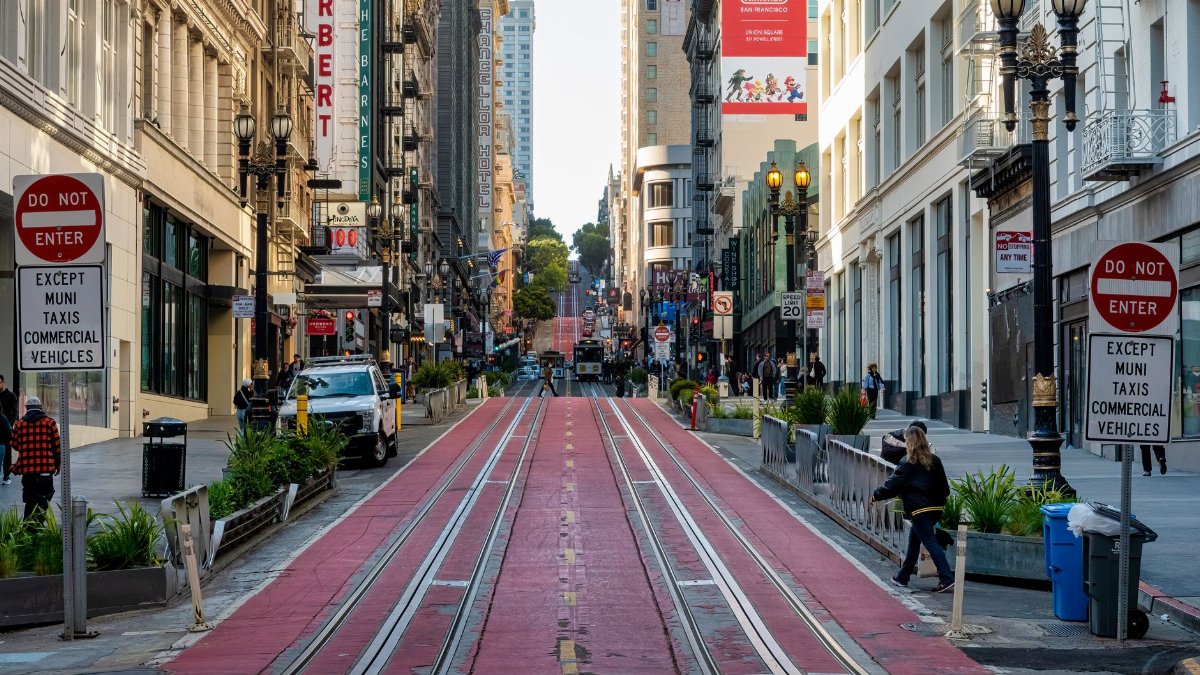
In the bustling logistics hubs around the San Francisco Bay Area a sudden wave of closures has upended the routines of hundreds of workers who once loaded vans at dawn for daily routes. Two Amazon delivery partners recently announced they would shut down stations and cut more than 150 positions a move that forms part of the larger pattern known as Amazon delivery layoffs. The decision arrives as many local families already navigate rising costs and uncertain job markets leaving drivers and warehouse staff to reconsider their next steps in an industry that once promised steady work.
Origins of the Station Closures

The two partners operated several facilities that handled last mile deliveries for the retail giant. Rising operational expenses combined with slower package volumes prompted the firms to consolidate routes and exit the region entirely. Local officials learned of the plans through formal notices filed with state labor agencies confirming the extent of the reductions.
Daily Realities for Affected Drivers

Many of the laid off employees had spent years navigating traffic across bridges and through suburban neighborhoods to meet strict delivery quotas. Without advance warning some learned of the closures only days before their final shifts ended. Union representatives note that severance packages remain limited leaving workers to seek new employment in a competitive market.
Broader Pressures on Logistics Partners

Amazon contracts with independent delivery companies to manage its expanding network yet those partners often absorb the risks of fluctuating demand. When fuel prices climb or consumer spending slows the smaller firms face immediate strain that can lead to abrupt exits. This dynamic has contributed to repeated rounds of Amazon delivery layoffs across several states in recent years.
Reactions from Local Government

City leaders in affected communities expressed concern over the sudden loss of jobs and called for meetings with company executives to explore retraining options. Workforce development boards have begun directing displaced staff toward programs focused on commercial driving and supply chain management. Such efforts aim to soften the blow while the regional economy adjusts.
Shifts in Consumer Delivery Expectations

Shoppers have grown accustomed to rapid arrivals of household goods yet the current cuts may eventually influence service speeds in certain neighborhoods. Remaining partners could absorb extra volume but only if they secure additional vehicles and staff. Analysts suggest customers might notice longer wait times during peak seasons as networks stabilize.
Industry Wide Patterns in Technology Adjacent Sectors

Job reductions at delivery firms mirror similar moves throughout technology supply chains where companies trim costs after earlier expansions. Although the retail giant itself continues to report strong sales its reliance on external partners exposes those businesses to abrupt changes in strategy. Observers trace part of the current Amazon delivery layoffs to this layered contracting model.
Support Systems for Displaced Employees

State unemployment offices have reported increased inquiries from former delivery staff seeking guidance on benefits and career counseling. Community colleges in the area have added short courses on logistics software and electric vehicle maintenance to help workers pivot. These resources offer a practical path forward though enrollment numbers remain modest so far.
Looking Ahead for Regional Employment

While the immediate cuts create hardship some economists believe new opportunities could emerge as other logistics players expand to fill gaps. The Bay Area retains a diverse economy that includes ports shipping and manufacturing which may absorb skilled drivers over time. Continued monitoring of partner contracts will reveal whether further Amazon delivery layoffs occur or whether stability returns to the sector.